
Why Efficient Warehousing Matters for Growing Community Businesses
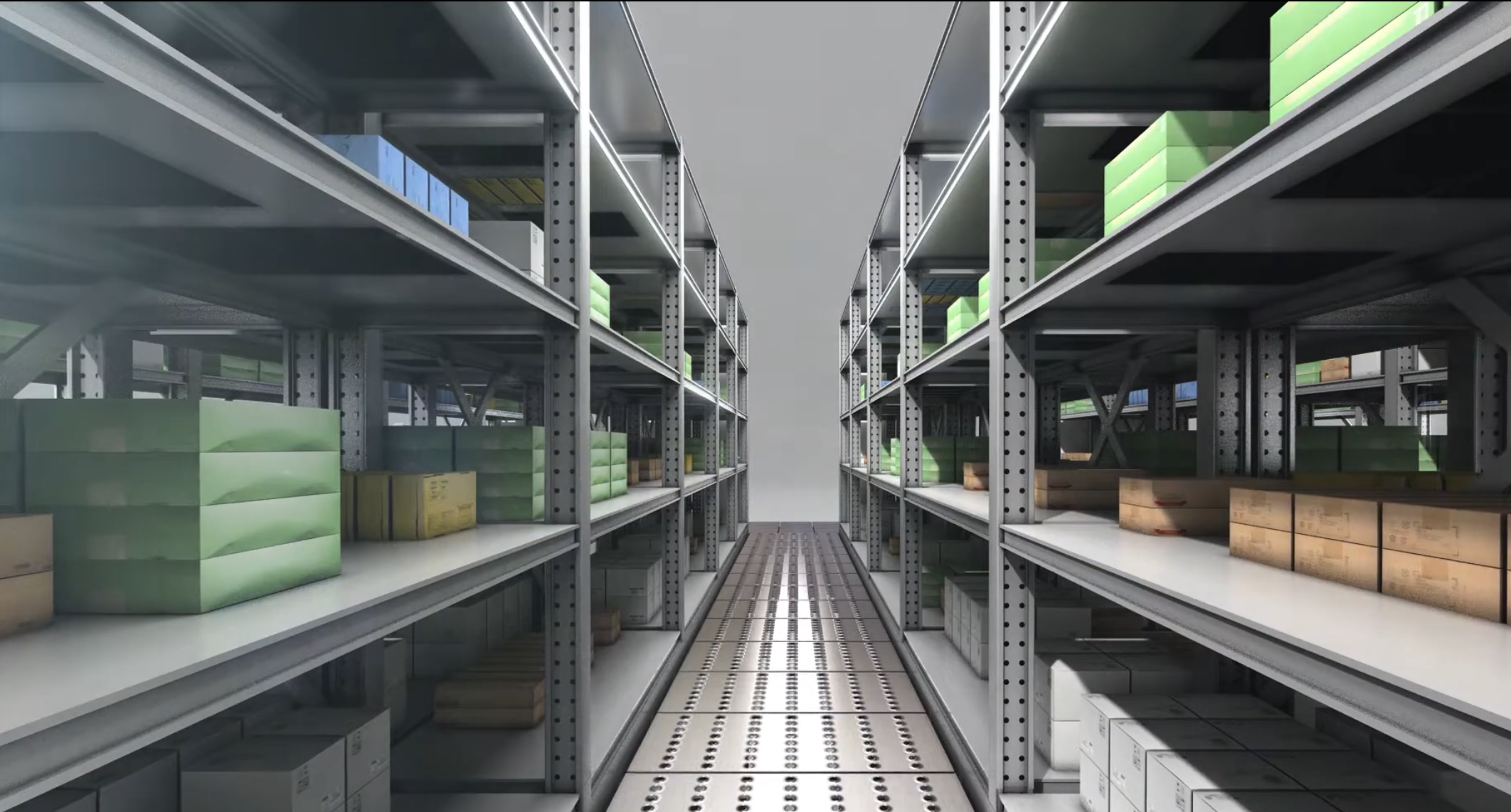
The Dalles, Ore., March 19, 2026 — Efficient warehousing isn’t glamorous, but it’s where local businesses either keep their promises or start making excuses. If you’re serious about growth, material handling equipment is part of the conversation early, not after the back room turns into a game of “find the box.”
Maybe you run a small shop that’s become a neighborhood favorite. Maybe you roast coffee, package honey, make candles, sell auto parts, or ship handmade goods from a modest space behind the storefront.
When your storage area gets messy, everything else follows. Orders go out late. Inventory counts get weird.
Efficient warehousing is a practical way to keep your community business steady while demand rises. It also sets you up to grow without renting twice the space or hiring three extra people just to move boxes.
Space Is Expensive. Use It Like You Mean It
Most growing businesses hit the same wall: you run out of space before you run out of demand. Rent goes up. Utility costs go up. And suddenly “just get a bigger place” sounds like a dare.
Efficient warehousing starts with treating your square footage like money, because it is. If you store products wherever they fit, you’ll pay for it in wasted time and damaged goods. If you store them with a plan, you can often get more capacity out of the same footprint.
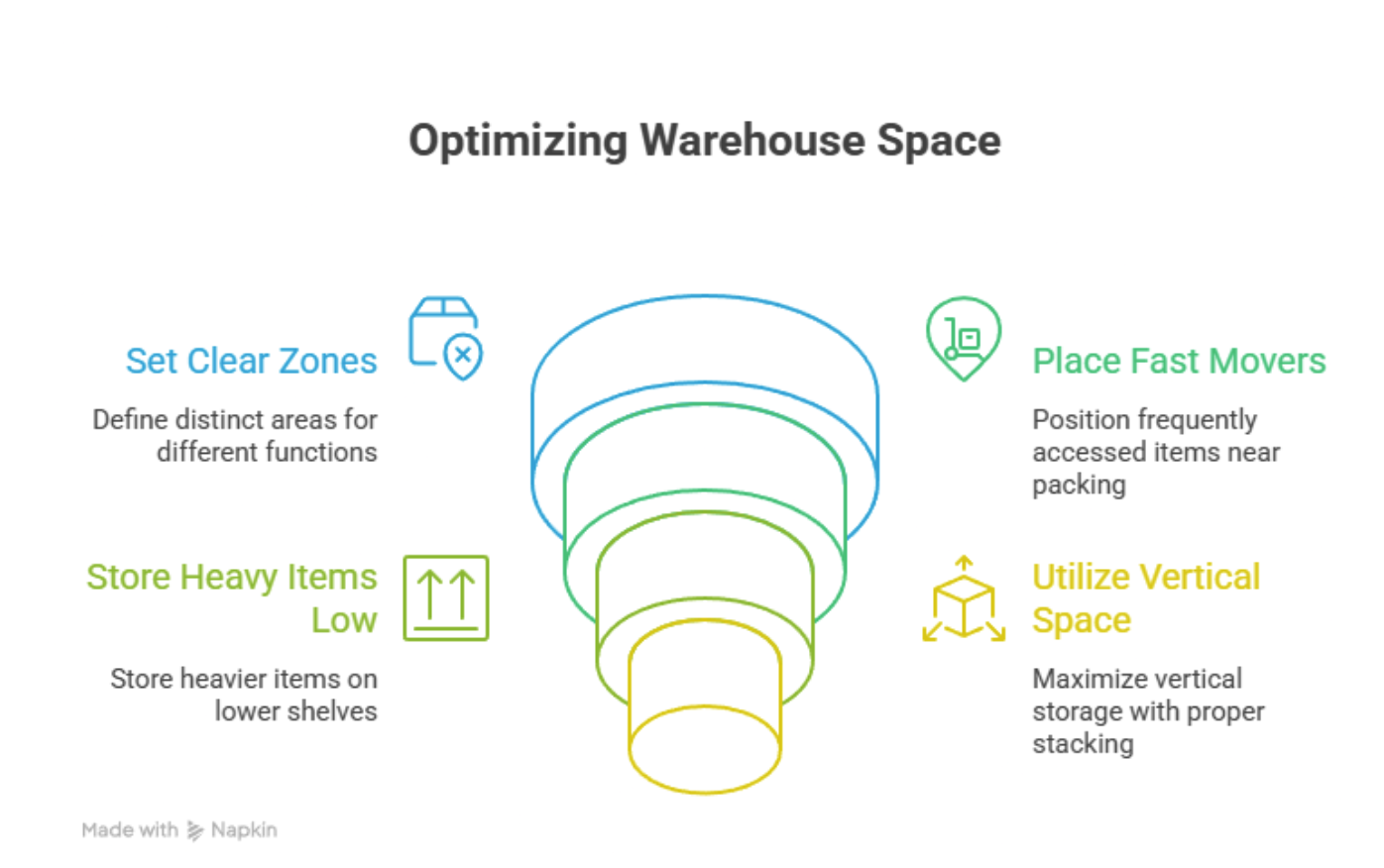
A few moves that pay off fast:
Set clear zones: receiving, storage, packing, returns, and “quarantine” for damaged items
Keep fast movers closest to packing and shipping
Store heavy items low and lighter items higher, with obvious labels
Use vertical space on purpose, not by stacking boxes until someone gets nervous
When every item has a home, your team stops guessing. That’s where you save time and your sanity.
The Local Angle: Shorter Supply Chains, Fewer Headaches
Community businesses often win because you’re close to your customers. People like supporting someone they can actually meet. Efficient warehousing helps you keep that edge.
When your storage and fulfillment are tight, you can do things larger competitors struggle with:
Same-day pickup without chaos in the back
Quick restocks for popular items
Small-batch launches without “Where did we put it?” drama
Fewer shipping errors, which means fewer refunds and awkward apologies
And if you’re working with local suppliers, better warehousing helps there, too. You can receive smaller deliveries more often, keep product fresher, and avoid tying up cash in piles of inventory you won’t sell for months.
Sustainability: Less Waste, Less Energy, Fewer Miles
In a warehouse, sustainability is much more concrete. Efficient warehousing cuts waste because you handle goods fewer times, store them correctly, and ship them without rework.
Here’s what that looks like in real life:
Fewer damaged items because storage is stable and aisles stay clear
Less packaging waste because you standardize boxes and packing materials
Lower energy use because you aren’t heating, cooling, and lighting extra space you don’t need
Fewer last-minute rush shipments because orders go out right the first time
If you’ve ever had to re-ship an order because the wrong item went out, you already know the environmental and financial cost. One mistake can mean twice the packaging, twice the transport, and a customer who wonders if you’re getting sloppy.
Shared Warehousing: A Smart Move for Community Businesses
Not every local business needs its own warehouse. Sometimes the most sustainable, cost-friendly choice is sharing space.
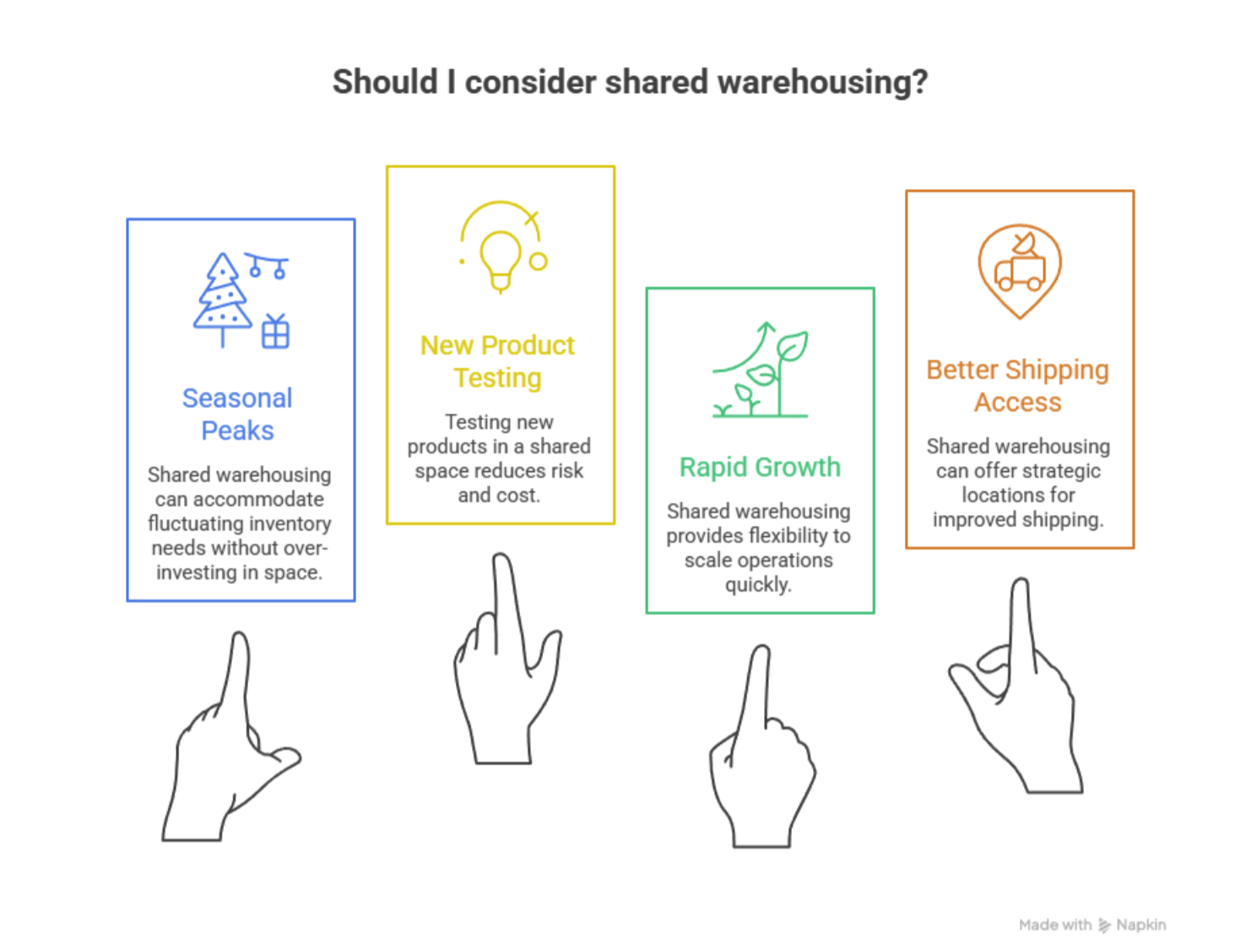
Shared or flexible warehousing can work well when:
You have seasonal peaks and dips
You’re testing a new product line
You’re growing faster than your current space can handle
You want better shipping access without moving your whole operation
The upside is simple: you pay for what you use, when you use it. You also avoid buying equipment you’ll only need part-time.
The key is choosing a setup that still gives you control over accuracy, inventory visibility, and customer experience. Your customers don’t care where the box was stored. They care whether it arrives on time and in good shape.
Equipment Matters, but It Doesn’t Need To Be Fancy
People hear “warehouse equipment” and picture a giant distribution center with beeping machines everywhere. That’s not the point. The right tools for your size can be simple and affordable, and they keep your team safe.
A sensible approach:
Start with shelving that matches your products, not random leftovers
Use carts or pallet jacks when items get heavy
Keep aisles wide enough to move without bumping product
Make safety non-negotiable: clear walkways, stable stacks, and good lighting
Better layout and basic equipment reduce strain. It also reduces turnover, because nobody loves a job that wrecks their back.
The New Economics: Cash Flow and Inventory Accuracy
When your warehouse runs poorly, you can’t trust your numbers. You reorder too early, “just in case,” tying up cash. Or you reorder too late, losing sales. Both hurt.
When your warehouse runs well:
Inventory counts are more accurate
Reorder points make sense
You carry less dead stock
You spot shrink faster
You spend less time doing emergency counts
This matters even more for community businesses because your margin for error is smaller. A few preventable mistakes can wipe out a month’s profit.
Your Customers Feel It, Even if They Never See It
Most customers will never walk into your storage area. They’ll never see your shelves, your layout, or your packing table. But they feel the results every time they buy from you.
Efficient warehousing helps you keep prices reasonable, keep products in stock, and ship orders correctly. It also helps you run a cleaner operation with less waste and less stress. That’s good for your business, good for your team, and good for your community.