

White Salmon Opens 2026 Lodging Tax Grant Applications for Tourism Projects
The City of White Salmon has opened applications for its 2026 Lodging Tax Grant Program, offering funding for events, facilities, and promotions that attract visitors and boost tourism. Applications are due Nov. 14 by 5 p.m.

White Salmon, Wash., Oct. 15, 2025 — The City of White Salmon has officially opened the application period for its 2026 Lodging Tax Grant Program, offering funding opportunities to local organizations that help attract visitors and boost the city’s tourism economy.
Applications and program guidelines are available now on the city’s website at www.whitesalmonwa.gov. The deadline to submit completed applications is Friday, Nov. 14, 2025, by 5 p.m. at City Hall.
Grants Support Local Tourism Growth
The program invests in events, festivals, and facilities that encourage overnight stays and day visitors, strengthening White Salmon’s role as a tourism destination. Grants are funded through a portion of the city’s lodging tax, a 2% assessment on hotels, motels, and short-term rentals authorized under state law.
Eligible applicants include nonprofit organizations, destination marketing groups, chambers of commerce, and municipal departments. While matching funds are not required, the city encourages applicants to show community support through additional contributions or partnerships.
Requirements and Reporting
Each project requires a separate application and a 2026 Budget Worksheet, along with any additional supporting materials the applicant wishes to include.
Projects must demonstrate a measurable impact on local tourism — such as increased overnight stays, out-of-town attendance, or enhanced visitor amenities — and provide post-event reporting on results.
All recipients will be reimbursed for approved expenses only after documentation is submitted, and advertising materials must credit the City of White Salmon for tourism support.
Program Oversight and Timeline
Applications will be reviewed by the Lodging Tax Advisory Committee in October, with funding recommendations forwarded to the City Council for final approval. Funds become available in February 2026, and all expenditures must be completed by the end of the calendar year.
Questions about the application process may be directed to Erika Castro Guzman at City Hall, (509) 493-1133 ext. 209.

White Salmon City Council to Vote on Greenhouse Gas Emissions Reduction Plan
Ideas range from electric vehicle usage to near net-zero construction, where buildings produce almost as much energy as they consume.
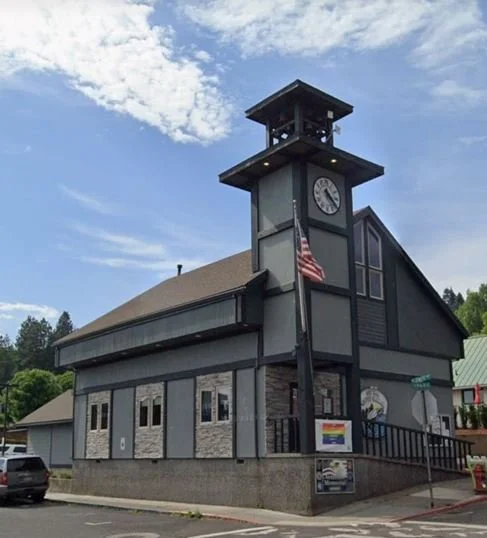
White Salmon, Wash., April 29, 2025 — The White Salmon City Council is scheduled to vote Wednesday, April 30 on adopting the city's finalized Greenhouse Gas Emissions Reduction Plan, which outlines targeted strategies to cut emissions and build long-term sustainability.
The meeting starts at 6 p.m.
Ideas range from electric vehicle usage to near net-zero construction, where buildings produce almost as much energy as they consume.
The updated plan includes a range of short- and long-term priorities, including seeking grant funding to expand staff capacity and support implementation. Councilmember Ransier and city staff have worked together over the past month to revise the draft, following a March workshop that drew council feedback.
Among the plan’s top recommendations:
Governance: Increase staffing through grant funding to support effective execution and oversight of climate initiatives.
City Facilities: Apply net zero or near net zero construction and renovation standards to city buildings, emphasizing energy efficiency, sustainable landscaping, and responsible development.
Housing: Incentivize affordable housing aligned with green standards, such as LEED Silver or EPA Energy Star Certification, and include EV-charging readiness in all new large-scale residential development.
Transportation: Implement a Transportation Impact Fee on new construction to support multi-modal transit, and explore an electric-vehicle-first policy for city fleets.
Water: Prioritize leak detection and water system upgrades, including replacing outdated lines and installing a meter-reading base at City Hall to identify water waste more quickly.
There is no immediate cost to adopt the plan, but full implementation could cost between $300,000 and $500,000. The city expects to pursue outside grant funding to help cover those expenses.
Council members may vote to adopt the plan as presented, request further changes, or take alternative action. If approved, next steps would likely be considered during budget planning or by relevant city committees.
City staff recommend adoption of the plan at Tuesday’s meeting.
