
Columbia Gorge Fruit Growers Face Financial Ruin After Catastrophic Pear Season
From Columbia Gorge Fruit Growers with an addition by Tom Peterson

Hood River Valley Pears
Hood River, Ore., July 2, 2026 — Columbia Gorge fruit growers are receiving final settlement statements for the 2025 pear crop, confirming what many feared after a season of unprecedented pest pressure, challenging weather conditions and weak markets.
Some pear varieties are expected to return $0 per bin — far below the cost of production — leaving many growers facing financial ruin.
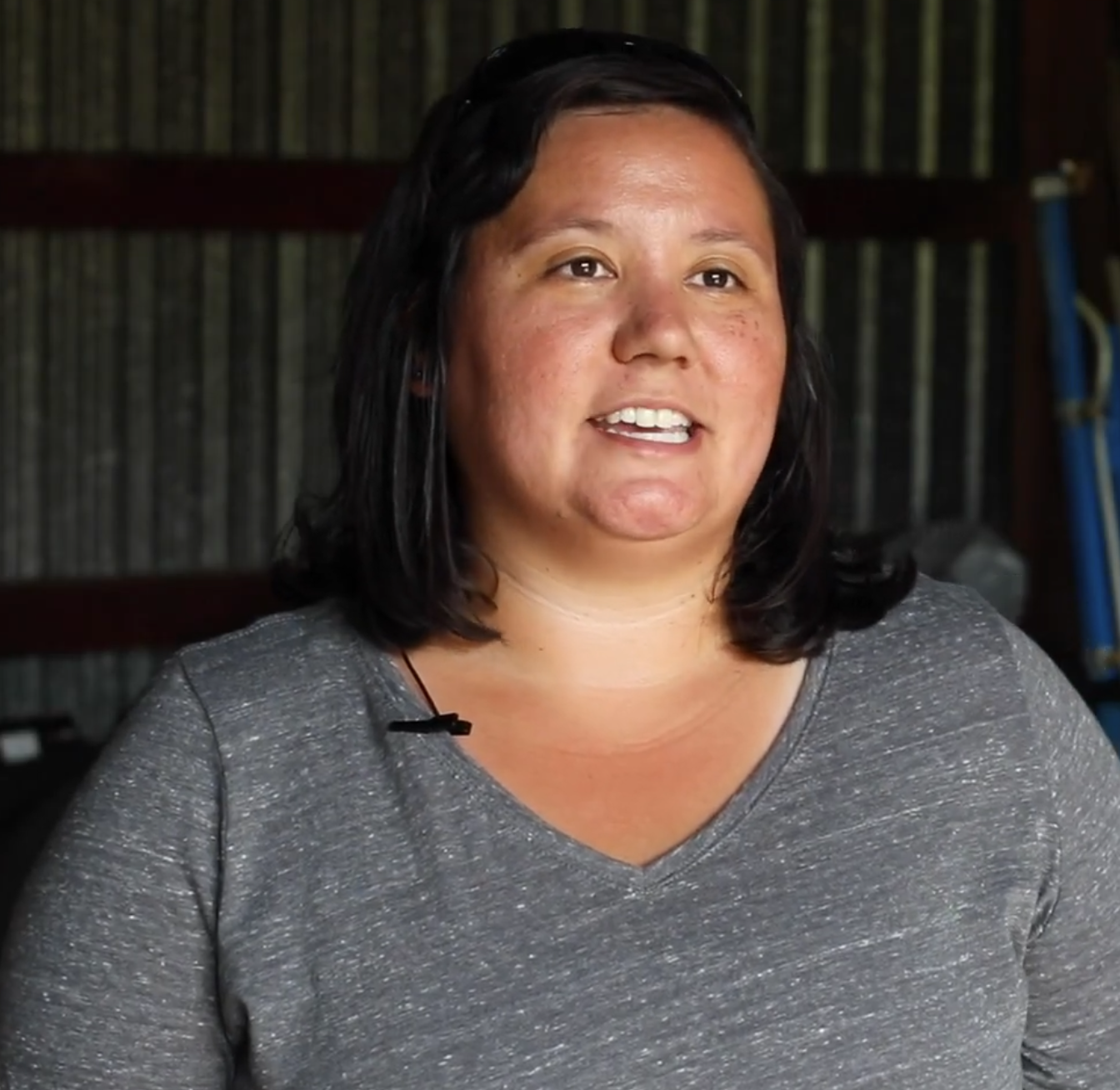
Lesley Tamura
"I've spoken with growers over the past week who have told me they're running out of options. They don't know how they'll cover their operating expenses or make it through another season," said Lesley Tamura, chair of Columbia Gorge Fruit Growers. "This is the type of situation that forces many into debt they'll never recover from and leaves us leveraging our personal assets in hopes that 2026 will bring a miracle. The reality is many farms won't survive this."
Unlike wheat or cattle, where producers generally know the selling price when they make the sale, many pear growers deliver their crop to packing houses that market the fruit throughout the year. After every pear has been sold and the costs of packing, storage and marketing are deducted, growers receive a final settlement—often many months after harvest. That means growers may not learn the true financial outcome of their crop until nearly a year later. - Tom Peterson
Growers say this year's crisis is the culmination of mounting financial pressure. Agricultural policies have added layers of regulatory and labor costs that growers say are unsustainable and have made it increasingly difficult to compete in a global market.
While no single regulation has pushed growers to the brink, they say the cumulative effect of increased costs from Oregon OSHA agricultural labor housing regulations, agricultural overtime requirements and other compliance expenses has left many growers without the financial reserves to withstand a catastrophic crop year like 2025.
Last month, growers learned they would receive between $0 and $150 per bin for their pears, depending on the variety. The estimated cost of producing the fruit is approximately $300 per bin, meaning growers stand to lose millions of dollars at a time when they can least afford it.

Annika Forester, executive director of Columbia Gorge Fruit Growers
"For many family farms, this is an extinction event," said Annika Forester, executive director of Columbia Gorge Fruit Growers. "You can't expect growers to survive when they're selling fruit for less than it costs to produce while facing ever-increasing regulatory and labor costs. They aren't asking for a bailout. They are asking for policy changes that will allow them to compete and stay in business."
The Columbia Gorge Fruit Growers are urging state and federal leaders to deploy every available tool to support local fruit growers, including declaring a disaster and economic emergency.
"Our situation is beyond dire. We desperately need members of Congress, Gov. Tina Kotek and the Oregon Legislature to step up and do everything possible to save our industry," Tamura said. "When family farms go under, the rural economy and the communities they support go with them, including thousands of jobs and housing for employees and their families."
Columbia Gorge Fruit Growers plans to appeal to state and federal leaders in the coming days with urgent requests for assistance.