Column: Cat care & the surmountable time cluster

By Nancy Turner

Nancy Turner
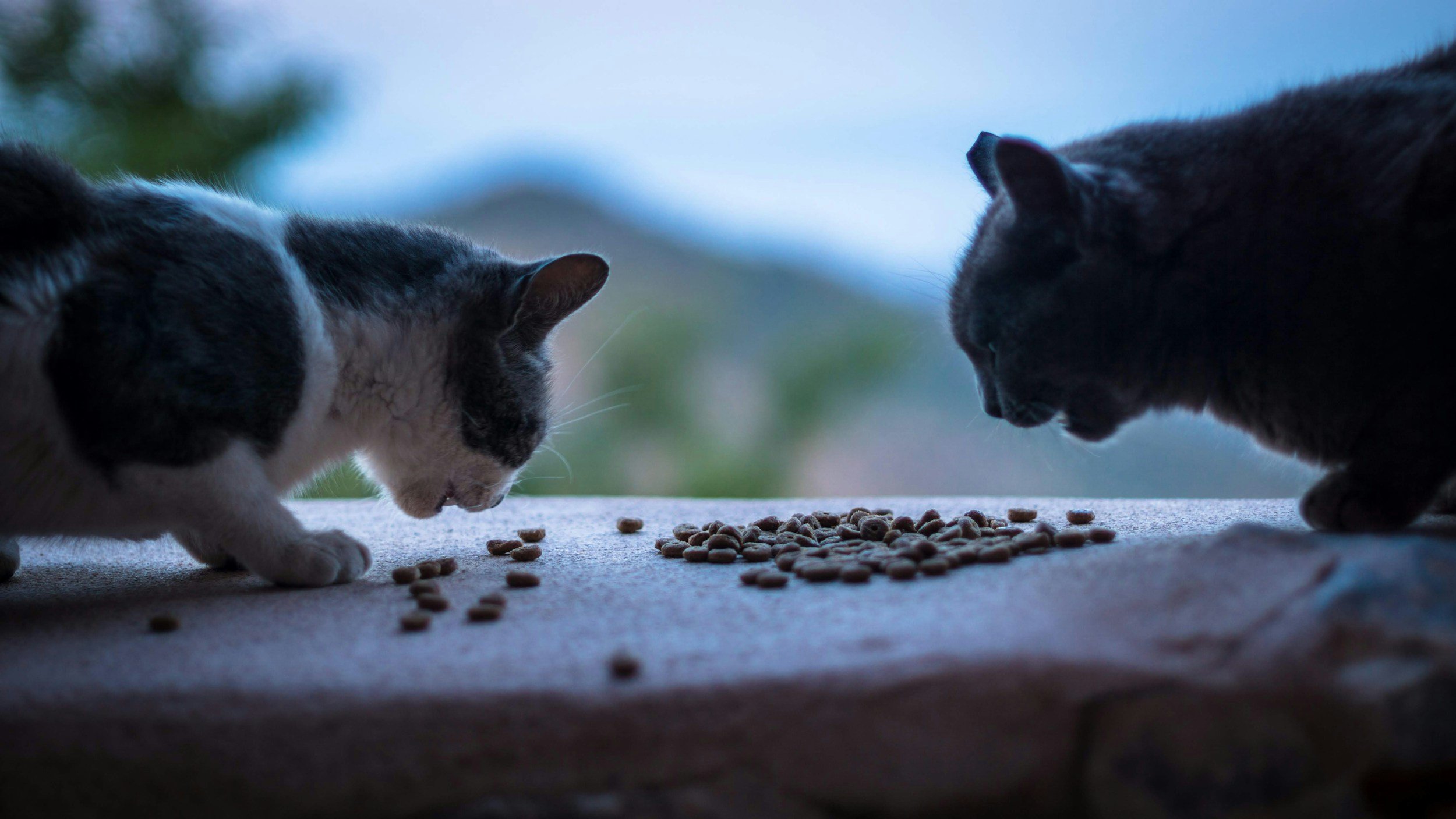
My cats howled last fall when I changed my clocks.
Cat’s don’t run on second hands.
Food, rather.
And hour-late kibble brought protest.
This will happen again in a few days.
I bought ear plugs.
On November 2nd, we will be forced to “fall back,” meaning to set our clocks back an hour. We have no choice. Legal efforts to abolish Daylight Saving Time have stalled in Congress. My cats don’t vote, so we can’t hold them accountable.
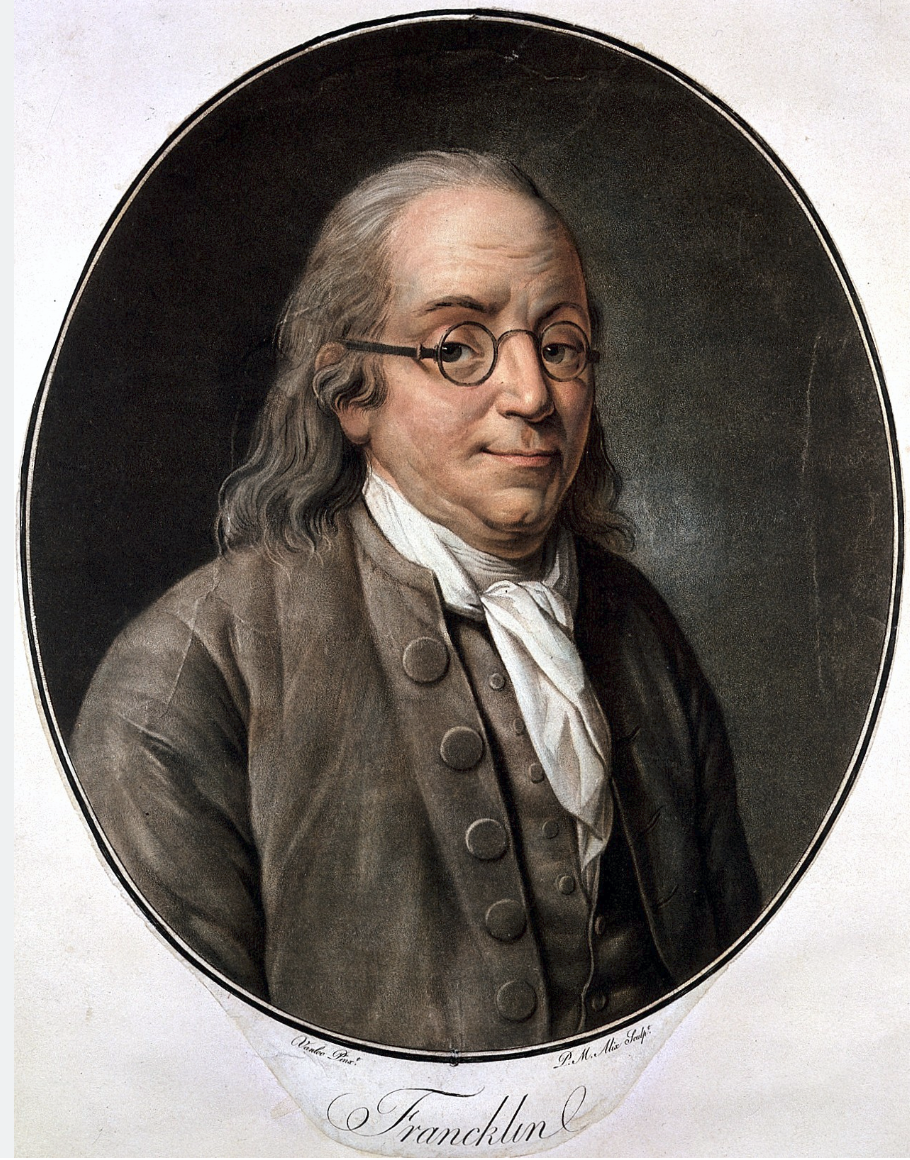
Thank Franklin and his witty humor.
For years I blamed farmers for this federal imposition. I was wrong. The idea of moving an hour of sunlight to the evening began when Ben Franklin, living in France as the American ambassador, was tired of wasting his morning staying in bed. In 1784 he wrote an essay noting the French fire cannons at sunrise to wake everyone up.
People would then go to bed earlier and get up earlier. This would reduce candle consumption in the evenings. His satirical essay was part of a witty argument for using daylight more efficiently. This idea later inspired the concept of daylight saving time. Franklin was just joking. My cats are not laughing.
Societies all over the world disagree on many things but one thing they do agree on is that there are 24 hours in a day. Not 27 or 23. However, the way we keep track of time varies. In the United States we use 12-hour clocks. Historians believe this idea was invented by the Babylonians. They were inspired by the 12 zodiac signs and the lunar patterns on their calendars. Our military uses the 24-hour clock to avoid confusion between morning and afternoon hours.
In the past various American cities set their own time based on “sun-times.” For instance, New York, Philadelphia and Boston times varied by fifteen minutes. Nobody could agree on what time it was. In an era when people couldn’t travel quickly between towns, this didn’t matter. Once train tracks were laid, it drove the railway companies nuts. Finally, in 1883, to reduce the confusion, railroads adopted standard times.
Over the years laws about how we set our clocks have flipped back and forth. This prompted President Lyndon Johnson to sign the Uniform Time Act in April 1966. For the time being, that ended the arguments.
These days, we still bicker about time. Every six months we switch the time by an hour. You think this is confusing? Nine years after Franklin’s kerfuffle, France adopted a decimal time concept that included 10-hour days, 100 seconds per minute and 100 minutes every hour. They proposed this timekeeping based on 10 as a simpler way to keep track of time.
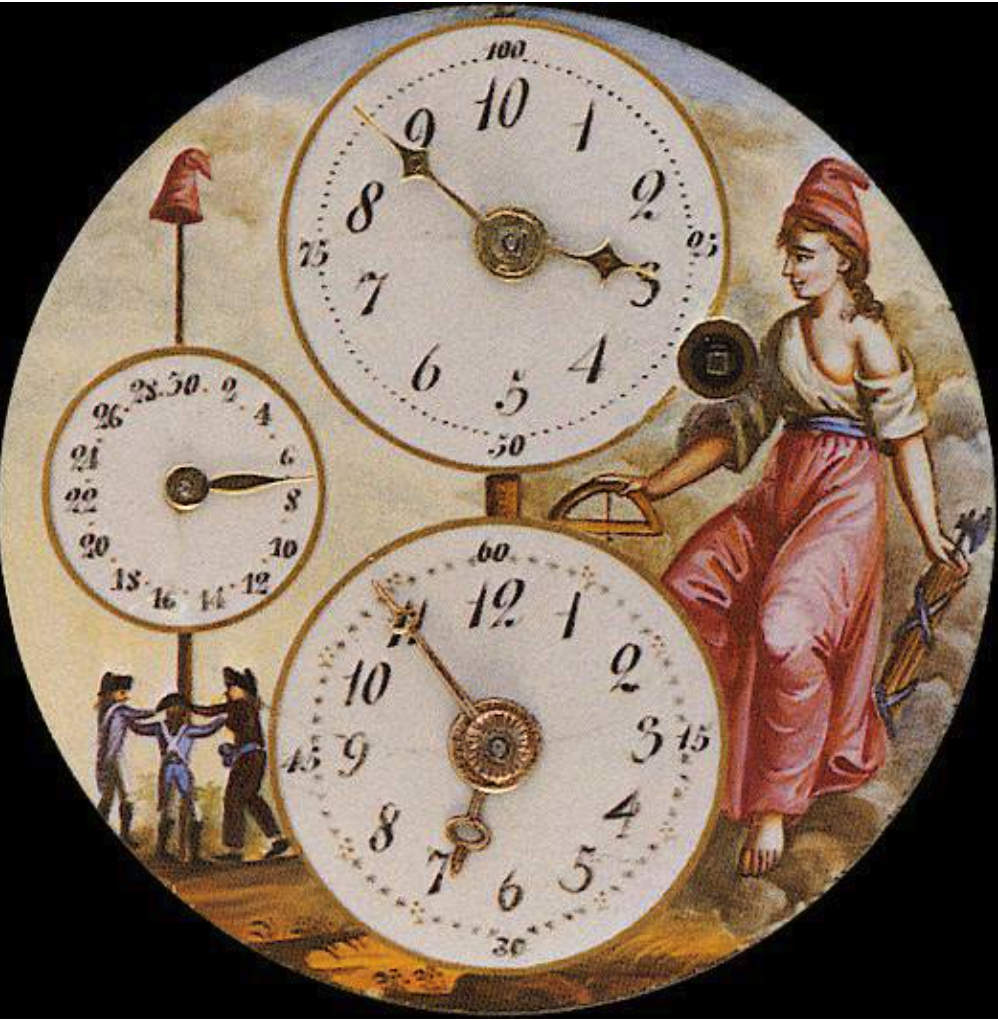
French were revolutionary with the 10 hour clock. Decimals get dismal reception.
This policy was officially started in November of 1793. The public, like my cats, immediately reacted with confusion and resistance. Even though French clockmakers produced new mechanisms that featured both the traditional method of timekeeping and the new decimal-based one, the people weren’t willing to give up what they were used to. We are creatures of habit. I guess they yowled. It took just two years before the decimal clocks were abandoned. Cats won.
The French government didn’t give up. A little less than a hundred years later, in 1897, they proposed a 24-hour day with 100 minutes per hour. That lasted three years before it was tossed.
Even though time is a manmade concept, my cats have their own way of monitoring the hour. They must have a cat-made internal clock. I have no idea how they do it, but they know when food should be served. It’s not based on hunger, but more likely a sense of routine.
Albert Einstein said time is an illusion. We can’t function as a society without sharing this illusion. My cats have never heard of Einstein.
The particular culture we are born into teaches us how to perceive time. Along with learning language, we eventually learn how to write. The direction of how our language is written affects how we perceive time. You and I read and write left to right, so we visualize the timeline from birth to death from left to right. We describe the past as “behind” us. When we think of the past we say we are “looking back,” or “going back in time.” The future is “in front” of us. We say we are “looking forward.” Clocks and calendars reinforce our particular perception of time as linear. This chronological way of timekeeping is named for the Greek god, Kronos, known as the father of time and the most powerful god of his time.

What time is it really, anyway?
Our perception is not a universal view.
Aymara, Indigenous people in the Andes highlands of South America, have a totally different way of describing the past and future. They perceive the past as lying ahead of them because it’s known. They’ve lived through it, so they can see it. They’ve seen what happened, so it is in front of them. The unseen, unpredictable and unknown future is invisible, so it remains behind them, hidden, to their back.
Mandarin speakers perceive time as vertical. Their writing on the page is top to bottom, so no wonder. They refer to the past as “up” and the future as “down.” For example, next week is described as “down week.”
Decades ago I had a dream that forever changed the way I think of time. In the dream I was hanging out in a park by Portland State University, a place of higher education. A voice said to me, “You are to live in Kairos.” I woke up quite perplexed. Was this a town in Egypt? I had no idea what or where Kairos was.
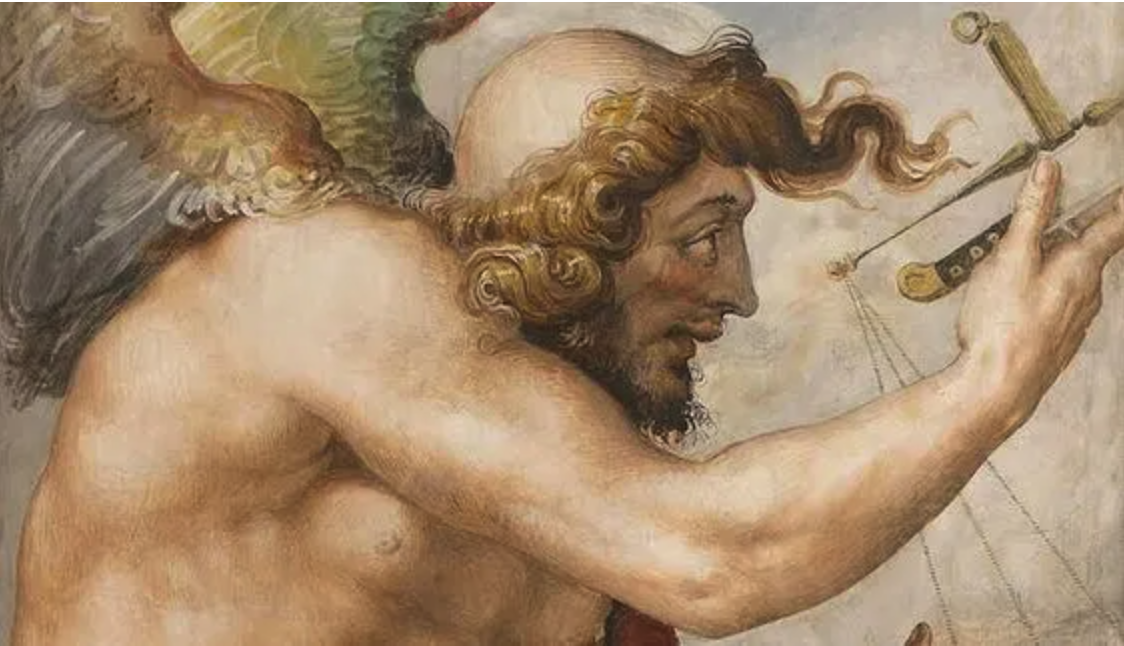
Section of the fresco "Time as Occasion (Kairos)," 1543–1545, by Francesco de' Rossi. Palazzo Vecchio Museum, Florence. Public Domain
A friend explained that Kairos is a Greek god who gave us the idea that instead of things happening at a specific time or date, they occur when it feels right, when our intuition tells us the time is right. It’s a feminine way of viewing time in which one considers how one feels emotionally and intuitively. For example, on the spur of the moment, I might go for a walk even though it wasn’t scheduled. Being open and in tune with my feelings was the deciding factor.
It seems we can’t live without constantly focusing on time. We can lose time, kill time, waste time, and watch it fly by, and experience time speeding up and slowing down. Time creeps, crawls, and waits for no man. There are moments when time seems to stand still. Ben Franklin once said, “time is money.”

Sierra Diablo Mountain Range - does it snicker at a 10,000 year clock - a mere drop in the bucket when it comes to geologic formations.
Jeff Bezos is paying $42 million to have the clock of the Long Now built in a mountain in Texas. The clock will tick once a year, play a cuckoo sound every millennium, and will last 10,000 years. It’s called the Ten Thousand Year Clock. The clock’s purpose is to serve as a reminder of our responsibility for the future and a symbol of long-term thinking.
I can think of plenty of better ways to help society with forty-two million. What a total waste of money. My cats couldn’t care less. They are short-term thinkers. For once, we agree.
What if, instead of compulsively tracking the minutes and hours, we removed our watches and looked at the quality of our time? What if, instead of saying, “the time of my life,” we thought about “the actions of my life?”
Unlike time, our life does not go on forever. It is sometimes said that the greatest gift we can give each other is our time. To be more specific: the greatest gift we can give each other is our attention, compassion, and love. When we follow our hearts, we live in Kairos time. Regardless of what the calendar says, if you feel like giving someone a gift today, do it. Even if it’s not a holiday, be generous anyway. You’ll be right on time. What is it you really want to do with your precious moment in history? The clock is ticking. I have to go feed the cats.