
Fall Into The Garden
From the desk of the Accidental Gardener by Cathy Mullins
The Dalles, Ore., Sept. 8, 2026 — Ahhhh, autumn.
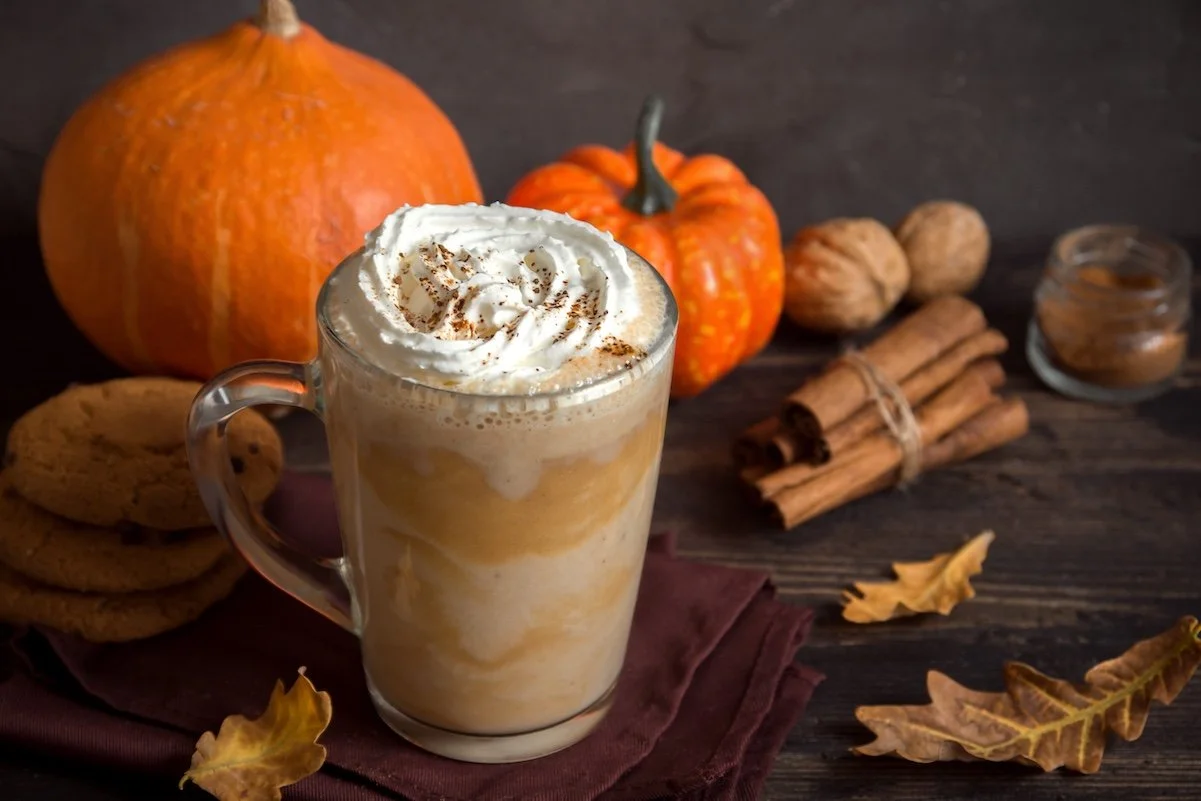
Homecoming dances, chrysanthemums, leaves turning brilliant colors, pumpkin spice lattes. What’s on your list of fall favorites? For the Accidental Gardner, the absolute very best part of this season is gardening. Yup. Getting out in the dirt. In between rain showers, of course.
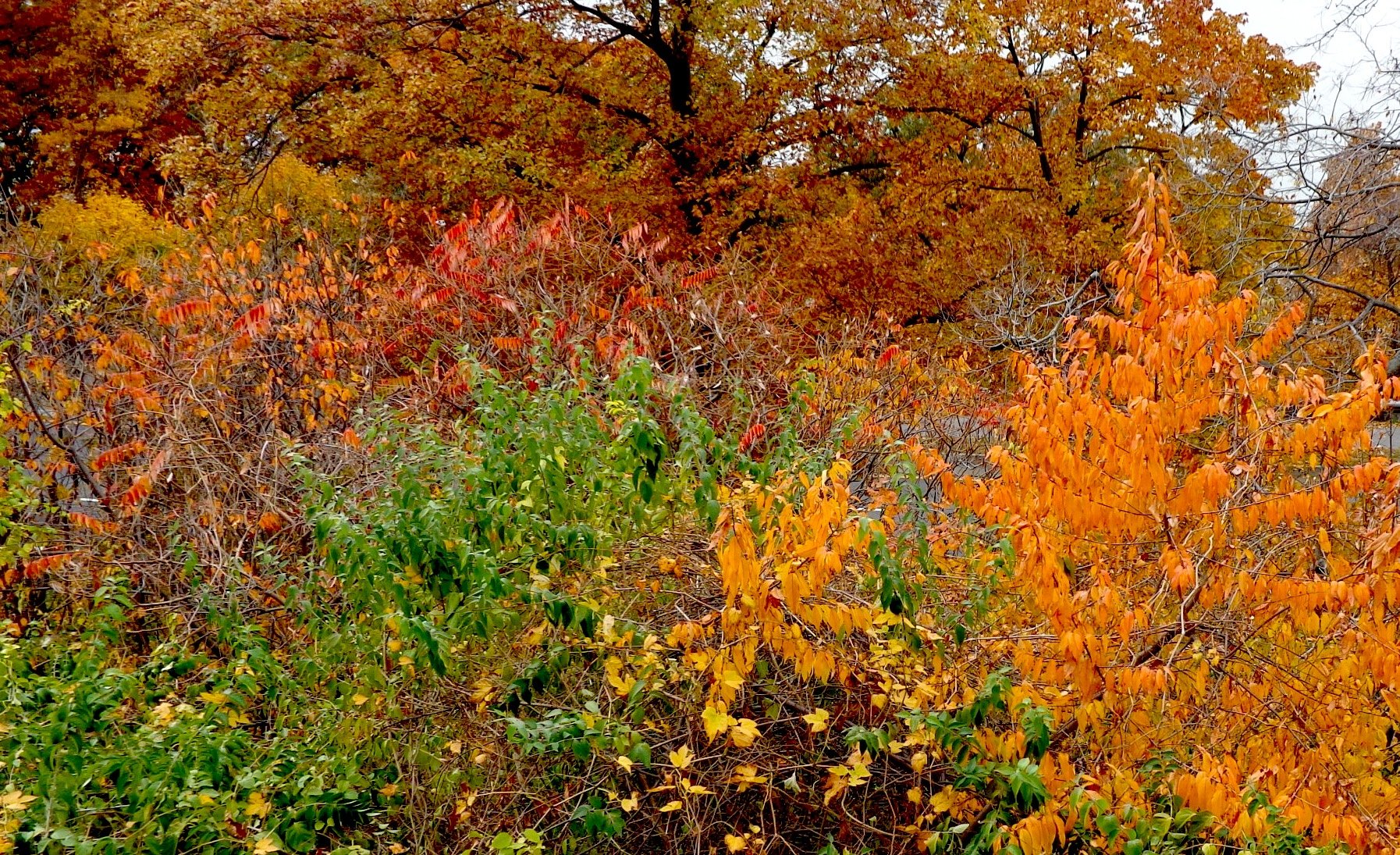
It’s time to drink in the color as our landscape changes daily as the days grow shorter.
Fall is an ideal time to plant trees and shrubs, perennials and bulbs. The weather is cool but the soil is still warm enough for root development. The colder weather in fall causes less stress on your new plants, allowing for the root systems to establish themselves in a comfortable environment before winter when they go dormant. In spring, root systems will start to grow once the ground thaws, long before the soil can be worked and any new plants can be put in.
This head-start means first-season perennials will be able to show their flowers sooner. With earlier blooms comes earlier nectar sources for pollinators. Birds, bees, butterflies, and beneficial insects can struggle to find food at the extreme ends of the gardening season. By providing early-spring and autumn nectar supplies, you'll be doing your part to support pollinators. This is important in protecting the human food supply as well, as we rely on pollinators for healthy harvests of fruits and vegetables.
Cooler weather helps to eliminate evaporation. Plus, shorter days mean that your new plants require less water than if planted in the spring.
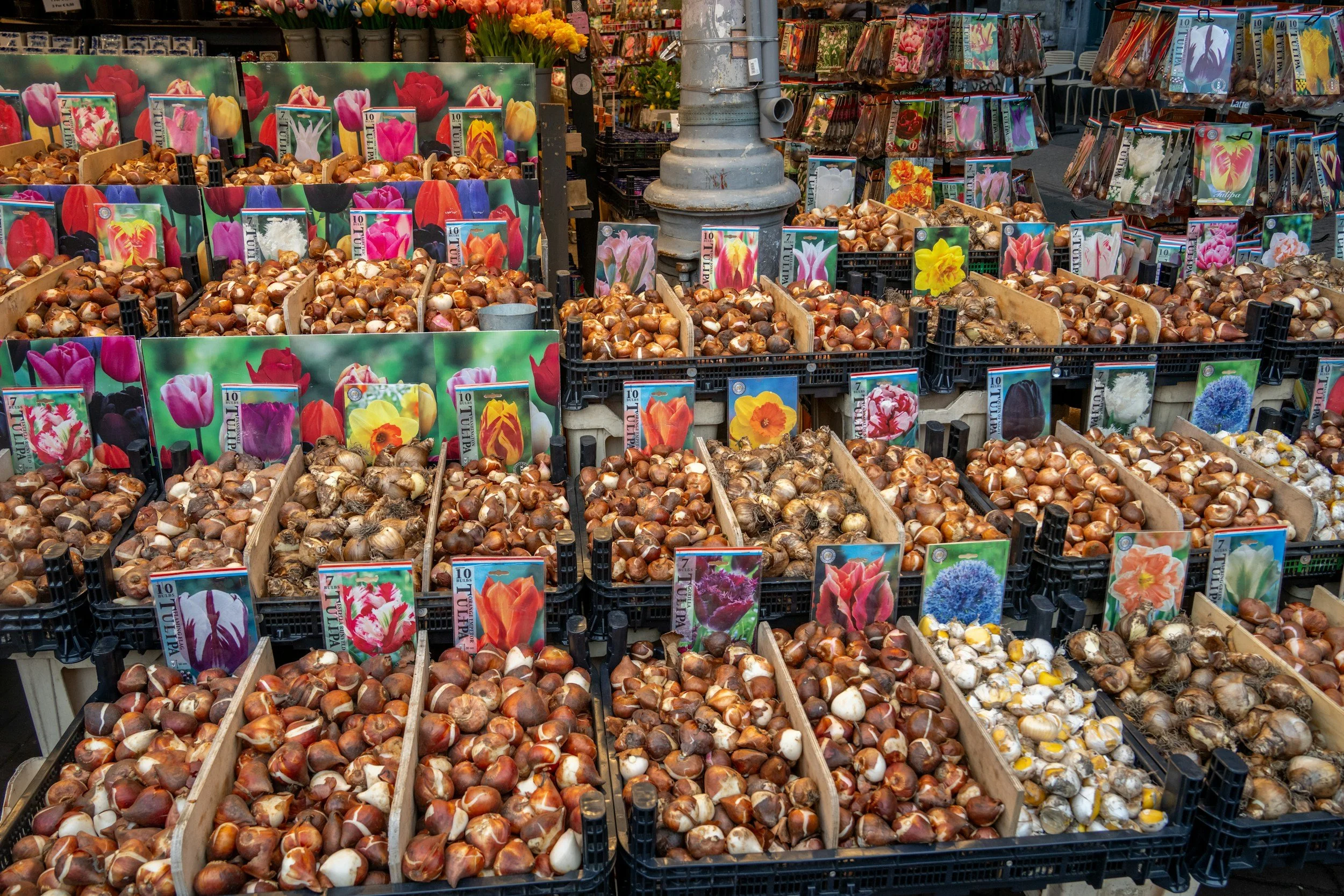
Spring blooming bulbs should be planted before the ground gets too hard (I like to get them snug in the ground by Halloween). Daffodils and tulips are the favorites in this area. Tulips, of course, need protection from deer. You can go crazy with daffodils — put them anywhere you want, the deer won’t bother them. There are other spring bloomers you might consider: Alliums are beautiful, come in many fabulous varieties, deer don’t eat them and the bees LOVE them; Dutch Iris is another lovely addition.
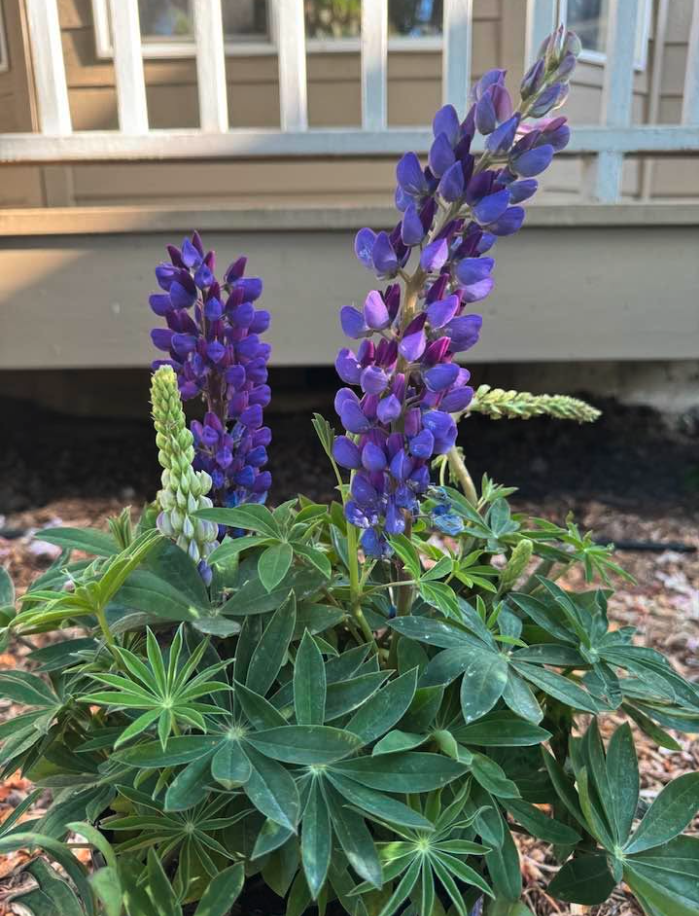
Photo courtesy Friends of Backyard Habitats. Lupine is a native with many varieties that can make your garden pop.
When you begin your planning for the spring garden, don’t forget to include lots of native plants and be sure to do your homework — keep the invasive species out of your yard. The Accidental Gardner has had to yank a number of problem plants as a result of not consulting the very handy lists on the Internet.
Another bonus: many online and IRL nurseries offer great deals in the fall. Perfect time to stock up on daffodils and tulips. They don’t want to over-winter their stock. Check out the sale table at Good News Nursery in Hood River. It can save you a bundle.