
Fed grant helping remove barriers to redevelopment in The Dalles
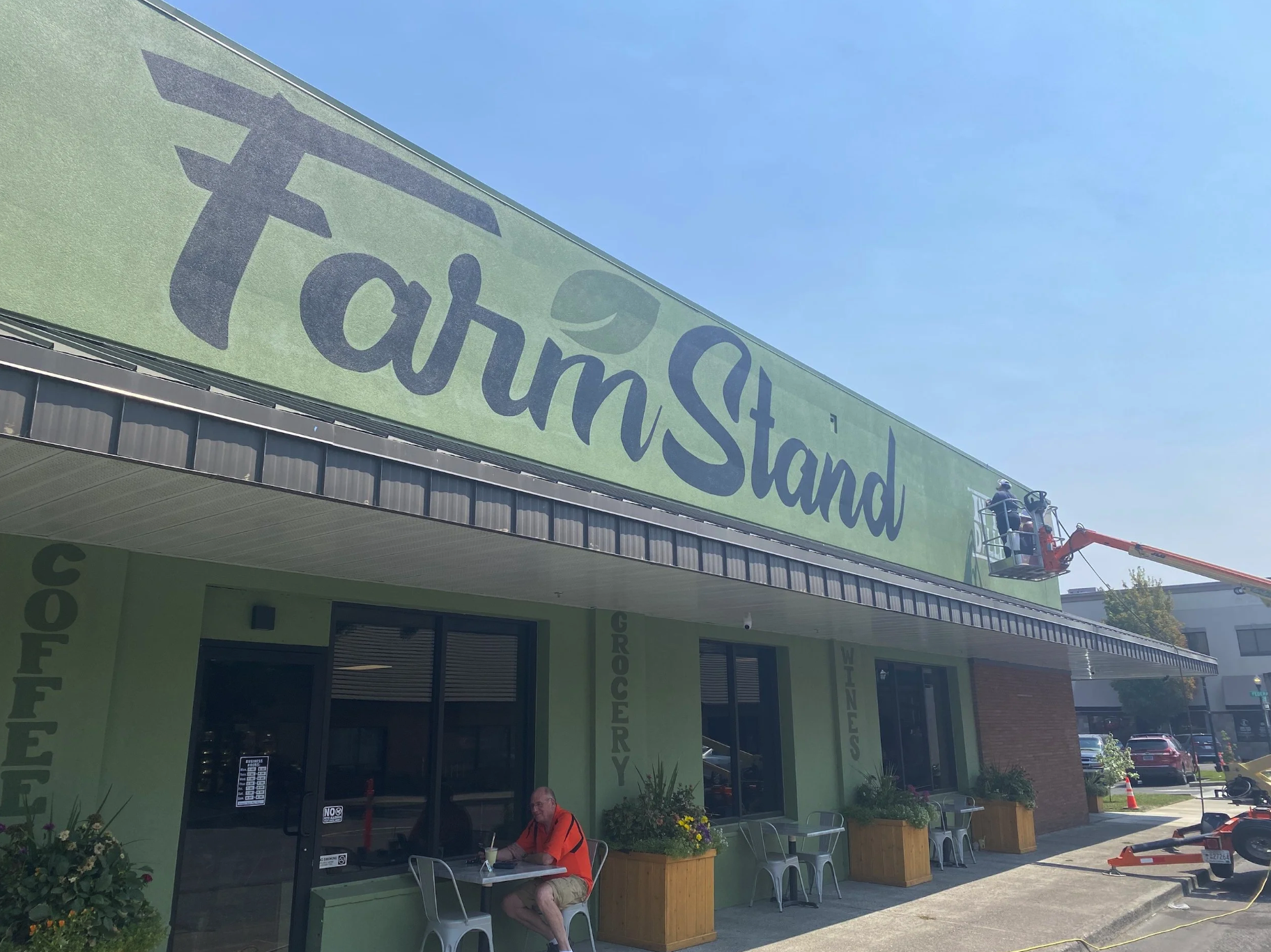
Farm Stand property downtown is one example of the program’s impact. Environmental work there uncovered several underground tanks that were removed through the brownfields program, saving the new owners significant cleanup costs before opening the business.
The Dalles, Ore., March 10, 2026 — The Dalles’ Brownfields Revitalization program is already halfway toward its project goals, helping property owners identify contamination that can stall redevelopment of older buildings.
City Economic Officer Jacob Anderson updated the City Council on March 9 about the program, which uses federal grant funding to conduct environmental site assessments on properties that may contain contamination from past uses.
The city received a $500,000 grant from the U.S. Environmental Protection Agency in 2023 to support the work, which focuses largely on older downtown buildings where historic uses may have left fuel tanks, industrial residue or hazardous building materials such as asbestos.
The environmental reviews, known as Phase 1 and Phase 2 Environmental Site Assessments, can cost property owners between $5,000 and $25,000.
The federal grant allows the city to pay for those assessments, removing a major financial barrier for property owners looking to sell or redevelop buildings.
“These assessments are not cheap,” Anderson told the council, noting lenders often require them before financing redevelopment projects.
The program has already completed seven Phase 1 assessments and six Phase 2 investigations, placing the city roughly halfway toward its four-year grant goals.
The city has spent about $164,000 so far from a $445,000 contract with environmental consulting firm Stantec, leaving substantial funding available for additional projects through the grant’s 2028 completion date.
Much of the work involves identifying underground heating oil tanks that were once common in downtown buildings.
In some cases, Anderson said, contamination can be addressed immediately during the testing process.
“We can actually fix the problem immediately,” he said, explaining that crews sometimes remove abandoned fuel tanks while conducting site investigations.
Anderson pointed to the Farm Stand property downtown as one example of the program’s impact. Environmental work there uncovered several underground tanks that were removed through the brownfields program, saving the new owners significant cleanup costs before opening the business.
City officials encourage property owners considering selling or redeveloping buildings to apply early, Anderson said, because environmental testing can delay property transactions if buyers are already lined up.
The grant runs through 2028, and city officials expect the remaining funds will allow the city to complete additional assessments beyond its original targets.