
‘If everyone likes you,’ he said, ‘you might not be being yourself.’
In a world obsessed with outcomes, Root reminds students that the most important decision is not what they become, but who they choose to be.
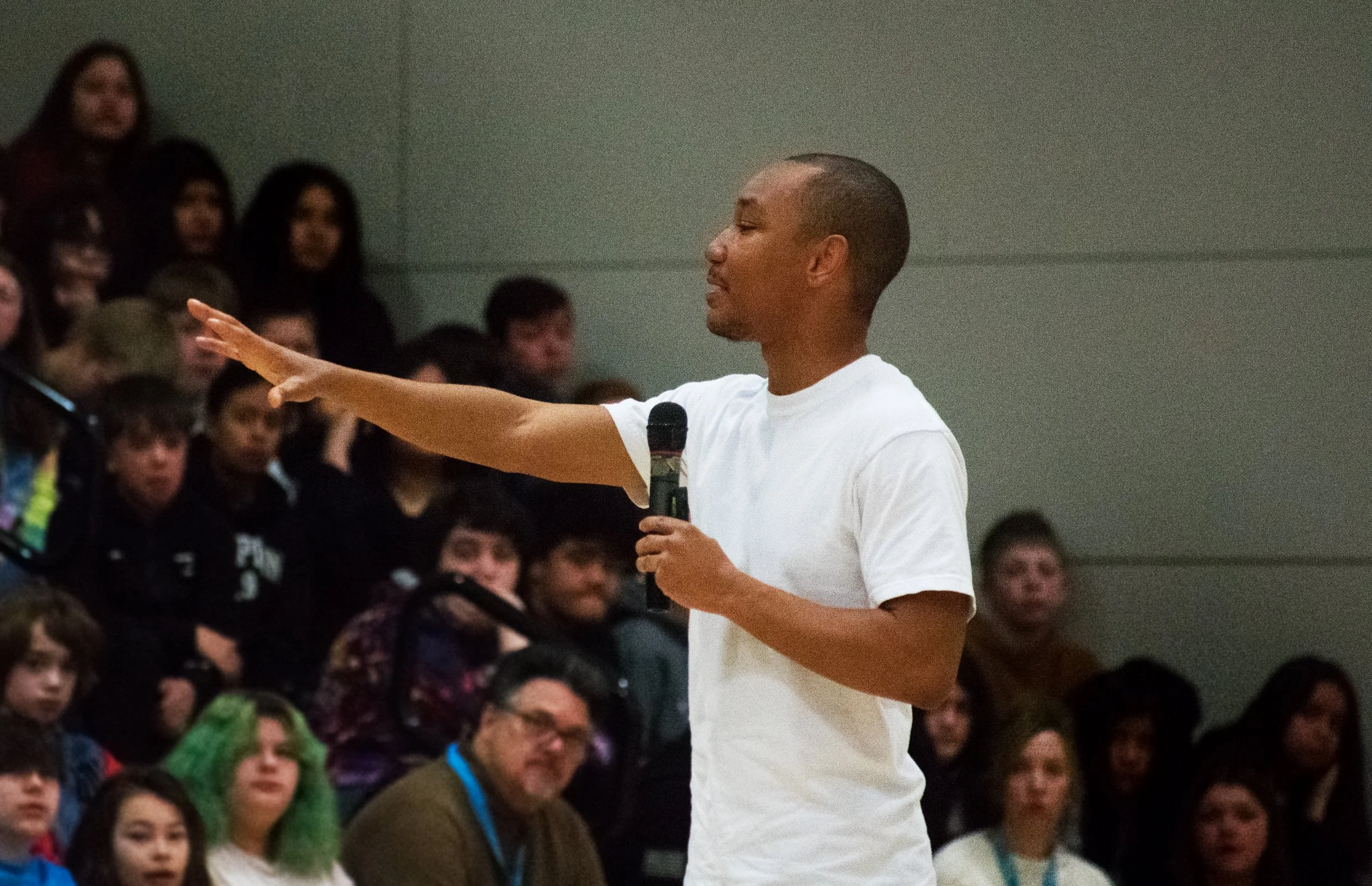
Jamar Root, 24, described his struggle with leukemia on Friday at The Dalles Middle School. He focused on the growth that came from confronting his possible death and how it made clear what is truly important in life.
Story and photos By North Wasco County School District’s Stephanie Bowen with edits by Tom Peterson
The Dalles, Ore., Feb. 27, 2026 — The Dalles Middle and High schools students spent Friday hearing a message about identity, resilience and belonging from nationally recognized youth speaker Jamar Root.
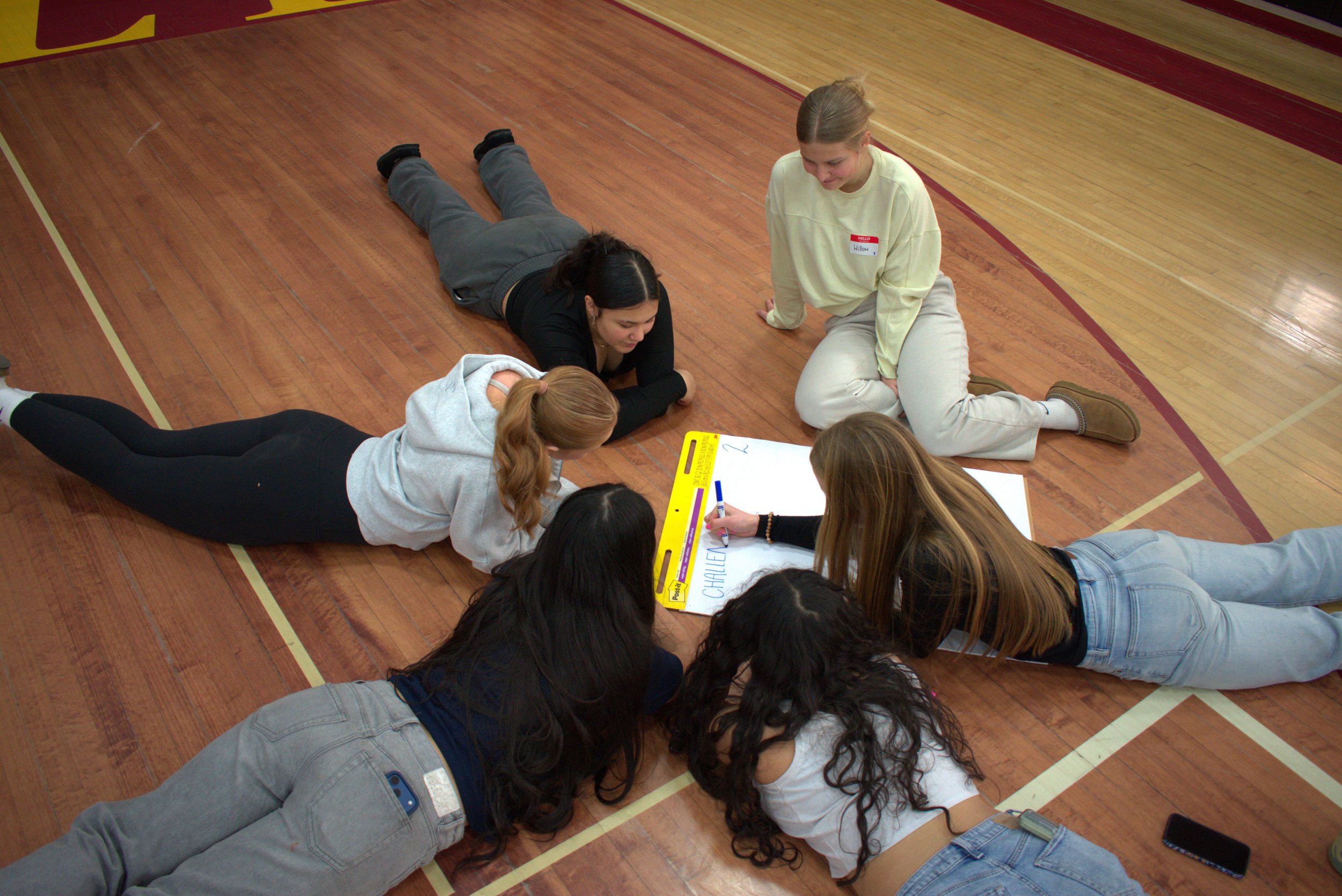
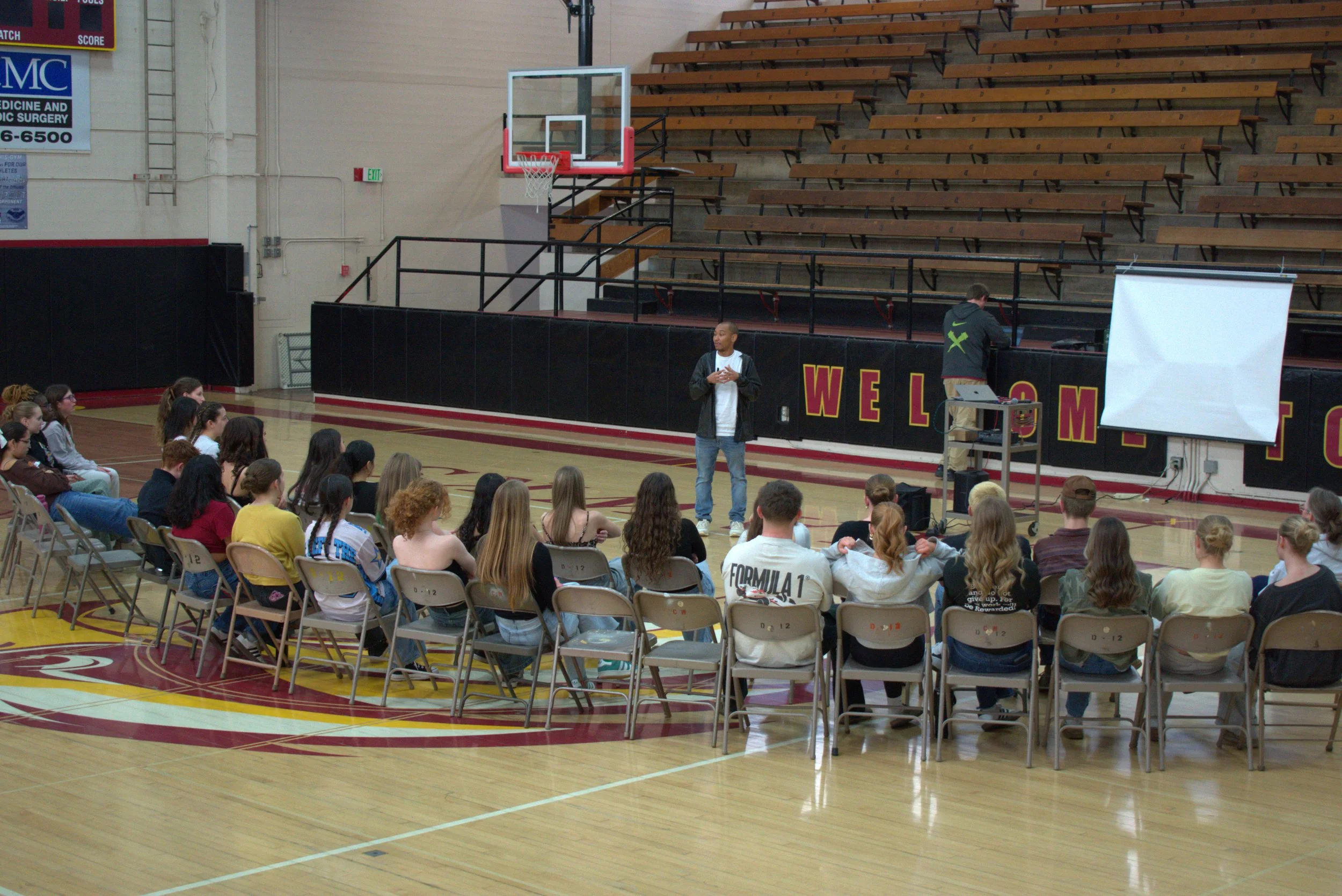
Root, 24, delivered morning assemblies at both campuses before returning in the afternoon to host a voluntary Teen Summit at The Dalles High School. The extended session allowed students to participate in deeper conversations about authenticity, risk and personal growth.
A graduate of Temple University now based in Dallas, Texas Root shared his own story of uncertainty and adversity, including a leukemia diagnosis in 2019 that reshaped his outlook on life.
He told students that when he first received the diagnosis, his immediate response was:
“Why me?”
At the time, Root said he was focused primarily on results — achievements, recognition and external validation.
“I realized I was chasing outcomes,” he said. “I wasn’t enjoying the process of what I was doing.”
The experience led him to reconsider not what career he wanted, but who he wanted to become.
“Stop asking yourself what you want to be,” he told students. “Start asking yourself who you want to be.”
Root acknowledged that many students feel pressure to have their futures mapped out.
“Everyone feels pressure to have it figured out,” he said. “But growth happens in the experimenting, not in having a perfect plan.”
He also spoke candidly about his struggles with performance anxiety as a high school baseball player. As a sophomore starting second baseman who later became a team co-captain, Root said routine throws became overwhelming and his fear of failure cost him his starting position.
“It wasn’t a big speech,” he said of a teammate who helped him rebuild confidence. “It was just consistency.”
Root described how that steady support helped him regain confidence and success on the field, emphasizing that small, consistent acts of encouragement can have lasting impact.
He also recounted facing bully during his senior year after advocating for fairness among athletic programs. A close friend helped him navigate the situation calmly, teaching him what authentic friendship looks like.
“Trying to please everyone is an endless job,” Root told students. “You can’t control other people’s opinions — but you can control your own.”
Throughout the day, Root encouraged students to reflect on the tension between authenticity and fitting in.
“If everyone likes you,” he said, “you might not be being yourself.”
He urged students to see individuality as strength rather than weakness.
“Being different isn’t your weakness,” Root said. “It’s your potential.”
During the afternoon Teen Summit, Root reframed how students think about risk.
“The biggest risk isn’t failure,” he said. “It’s living a life that isn’t true to you.”
Students discussed stepping outside their comfort zones, building inclusive communities and redefining success beyond external expectations.
Root closed with a message about self-acceptance.
“You don’t need everyone to accept you,” he said. “You need to accept yourself.”
School officials said the presentations aligned with ongoing efforts to support student voice, belonging and well-being, leaving many students with a renewed focus on authenticity, connection and personal growth.

