
Oregon Says It’s ‘Open for Business’; Let’s Hope This Time It’s Real
Thoughts from the Tractor Seat by Ken Polehn
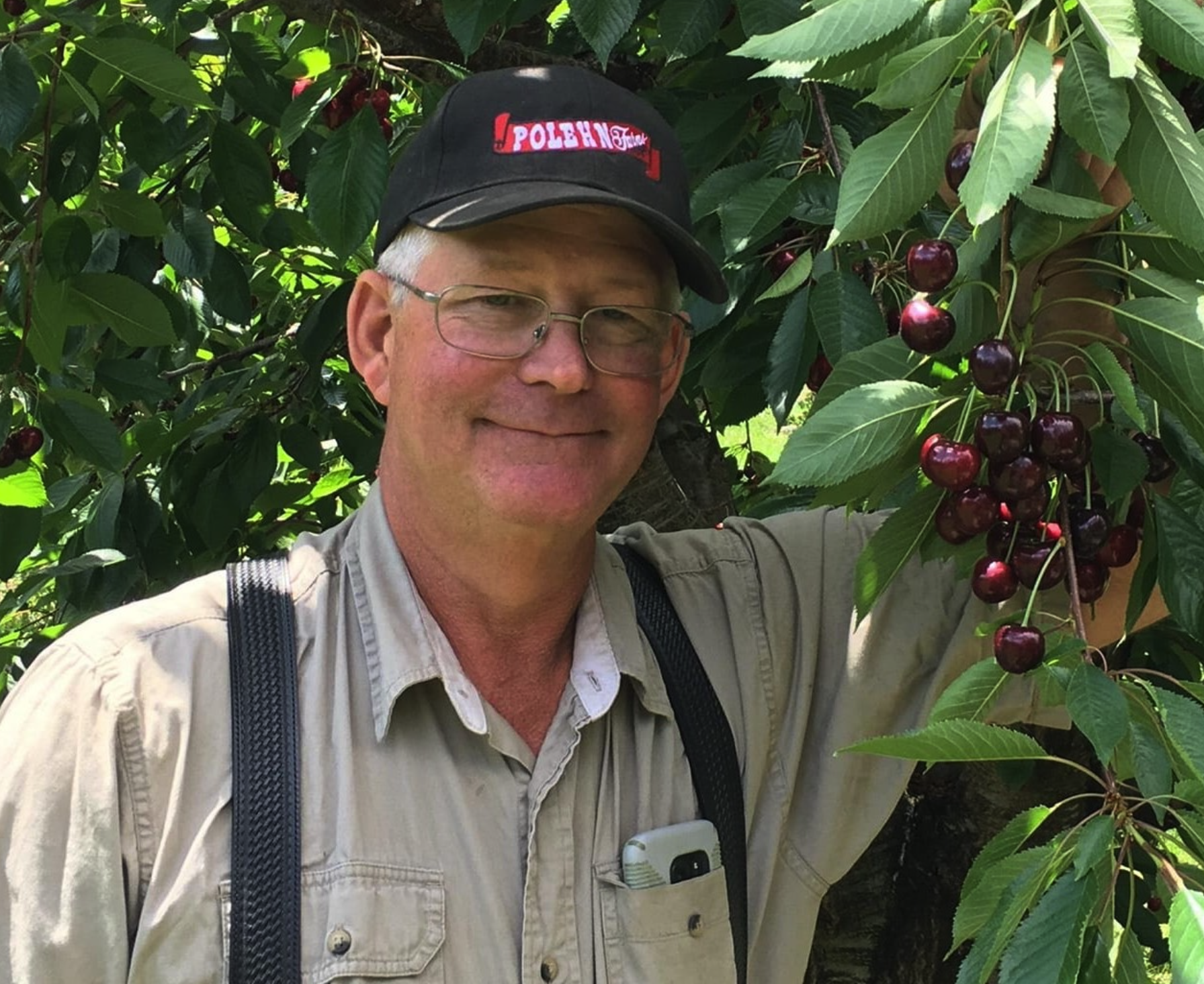
Ken Polehn
When Governor Tina Kotek rolled out her new “Prosperity Roadmap,” she put words to something many Oregonians have sensed for a long time: our state’s economic climate has been slipping. Oregon’s rankings in national business competitiveness have fallen, and employers across many sectors have struggled to keep up with shifting rules, rising costs, and slow-moving processes.
So when the Governor says she’s ready to tackle Oregon’s “lousy business reputation,” I welcome the intent. Any genuine effort to strengthen our economy matters. But many of us hear this announcement with a mix of hope and hesitation—because the warning signs have been visible for years.
As a family farmer, I see how rising labor costs, regulatory complexity, transportation bottlenecks, and long permitting delays affect day-to-day operations. While those challenges look different in Portland or Salem than they do in The Dalles, the broader impact is the same: fewer opportunities, tighter margins, and investment often drifting toward states that make business simpler and more predictable.
And any honest conversation about Oregon’s business climate must include housing, mental health, and addiction—three issues that shape the environment every employer, worker, and family is living in.
Housing costs across Oregon—especially in our cities—have outpaced wages for years. Meanwhile, the homelessness crisis is being intensified by the lack of mental-health capacity and the devastating rise in addiction. These realities affect everything from safety to downtown vitality to whether people feel confident bringing their families into our urban centers. You don’t need to run a business to feel that strain.
If Oregon is serious about reviving economic competitiveness, then progress on affordable housing, expanded treatment options, accessible mental-health care, and safe, functional public spaces must be part of the roadmap. Trying to strengthen the business environment without addressing addiction and mental-health failures would be like patching the roof while ignoring the foundation underneath.
Urban and rural Oregon rely on each other more than we often acknowledge. City restaurants depend on rural growers. Farms depend on the freight networks that run through our cities. And every Oregon household depends on a stable, competitive economy that attracts employers rather than watching them leave.
Governor Kotek is saying the right things. She’s acknowledging real problems. Now comes the hard part: steady, practical, bipartisan work to restore predictability, rebuild trust, and confront the housing, addiction, and mental-health challenges that touch every corner of the state.
Oregon doesn’t just need new slogans or studies. We need results. If this state wants to keep its talent, attract investment, and rebuild trust with the people who create jobs and grow food, then policies must start matching the rhetoric. The Prosperity Roadmap will only matter if it delivers real, visible change on the ground—in our cities, in our small towns, and across the industries that keep Oregon moving. For all our sakes, it’s time for Oregon to stop talking about being open for business and finally prove it.
About the author.
I was born in 1961 into a second-generation farm family in The Dalles. I grew up on a tractor seat, moving irrigation pipe with my sisters before school, and spent my summers picking cherries alongside the children of migrant families who returned year after year. My wife, children, and parents have all worked the same land. I’ve served as county Farm Bureau president, sat on the county fair board, and continue to support 4-H and FFA. I’ve seen firsthand what happens when farmers are squeezed out—not just of business, but of the conversation.