
Home Energy Spotlight: How Oregonians can breathe easier this allergy season
From Oregon Energy Trust:
The Dalles, Ore., April 21, 2026 — For many Oregonians, spring doesn’t just bring cherry blossoms – it brings the "Grass Seed Capital of the World" reputation to life through sneezing, itchy eyes, and endless antihistamines. This spring is shaping up to be one of the longest allergy seasons. Experts say warmer temperatures and an earlier spring are extending pollen exposure across the country, including here in Oregon.
The good news? You don’t have to sacrifice comfort for your budget. There are some things you can do at home that can keep some of the allergens out and help you save energy at the same time. Here are five simple, no- or low-cost ways to improve the air inside your home while keeping your 2026 energy budget intact.
1. Check your air filter often
While a standard filter for your heating and cooling systems might last several months, high pollen count or wildfire smoke can make your filter dirtier, faster. During peak allergy season, check your filter every two to three weeks.
Minimum Efficiency Reporting Value (MERV) filters are rated based on their efficiency in trapping airborne particles like dust and pollen, ranging from basic filtration on the lower end to specialized filtration on the higher end. While filters with higher MERV ratings catch more irritants, always follow your manufacturer’s guidelines to make sure your system’s motor isn't overworking – which can lead to higher energy bills and unnecessary wear.
2. Use the ‘fan only’ mode
Setting your systems to "fan only" mode helps circulate and filter air even when the system isn’t heating or cooling. Just remember to turn this setting back to auto as the summer heat kicks in to save energy.
3. Seal windows, doors, and A/C units
Gaps around window A/C units, doors, and window frames are common, easy entry points for pollen and other allergens. Installing fresh weatherstripping or closing outdoor air dampers creates a physical barrier against outdoor allergens. In addition to improving indoor air quality, sealing air leaks can reduce heating and cooling losses, lowering your energy bills.
4. Avoid adding pollution indoors
During allergy season, avoid using incense, candles, and aerosol sprays and opt for cooking methods other than high-heat frying or broiling. Once pollen counts drop, use your heating and cooling system’s fresh air intake or open windows to ventilate your home.
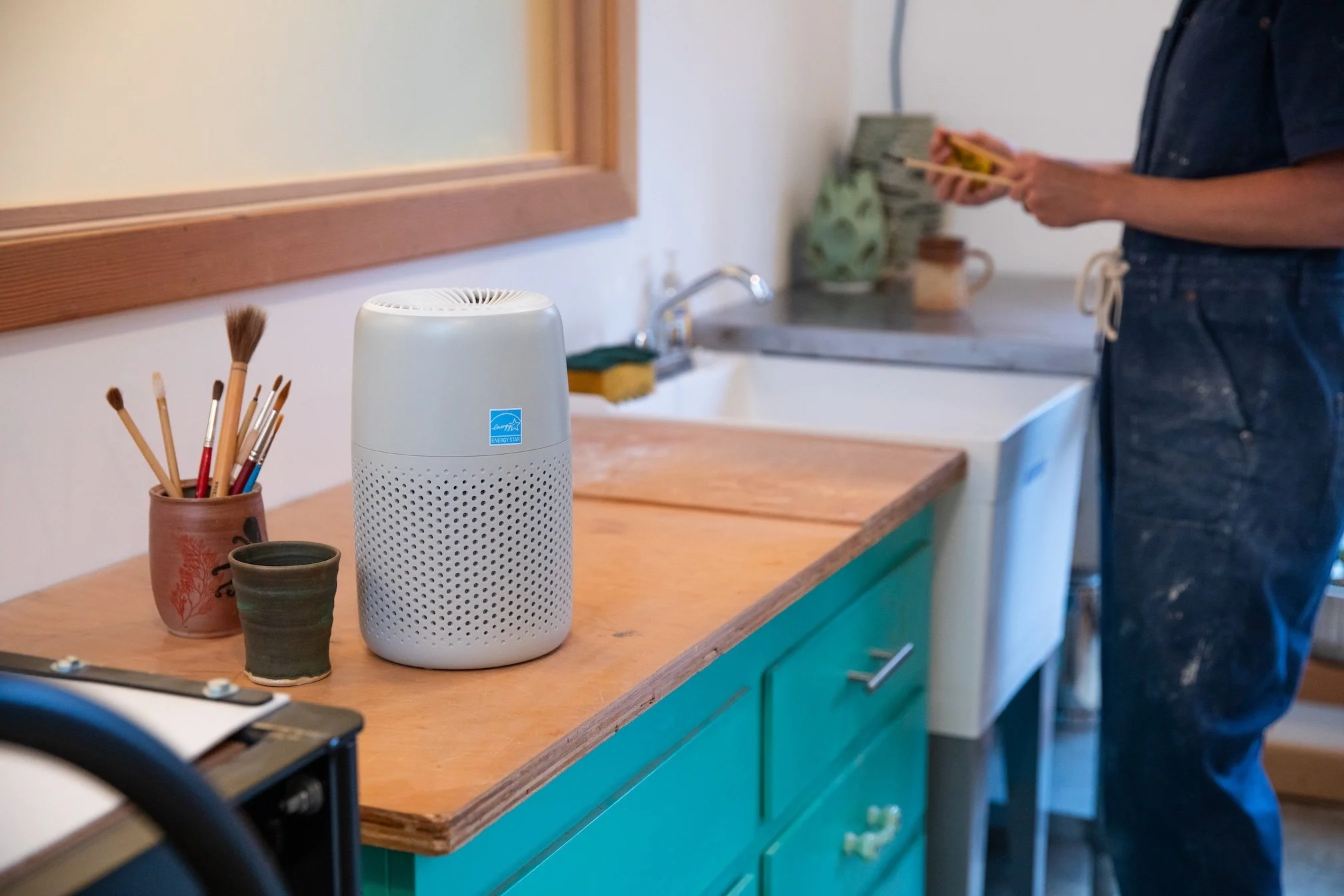
5. Upgrade to a high-efficiency air purifier
Portable air purifiers can help remove pollen, dust, and pet dander. When shopping, look for models equipped with HEPA filters, which are some of the most effective at trapping allergens. A HEPA (High-Efficiency Particulate Air) filter is a type of air filter designed to capture more than 99% of airborne particles like dust, pollen, mold, and bacteria.
Energy Trust offers an instant $75 discount on select ENERGY STAR high-efficiency air purifiers that can be ordered online with free shipping or found at participating local retailers.
By taking these small, strategic steps, you can navigate one of Oregon’s longest allergy seasons while enjoying the long-term benefit of lower energy bills all year long. Interested in your options? Visit energytrust.org to learn more about other incentives available.
About Energy Trust of Oregon
Energy Trust of Oregon is an independent nonprofit created to help people, organizations, and communities save energy and connect to renewable power like solar. Funded by customers of Portland General Electric, Pacific Power, NW Natural, Cascade Natural Gas , and Avista, Energy Trust services lower energy costs and help communities and utilities achieve their clean energy goals and build a strong future for Oregon. Learn more at www.energytrust.org/residential/incentives.

Support Local News!
Available for Everyone; Funded by Readers.