
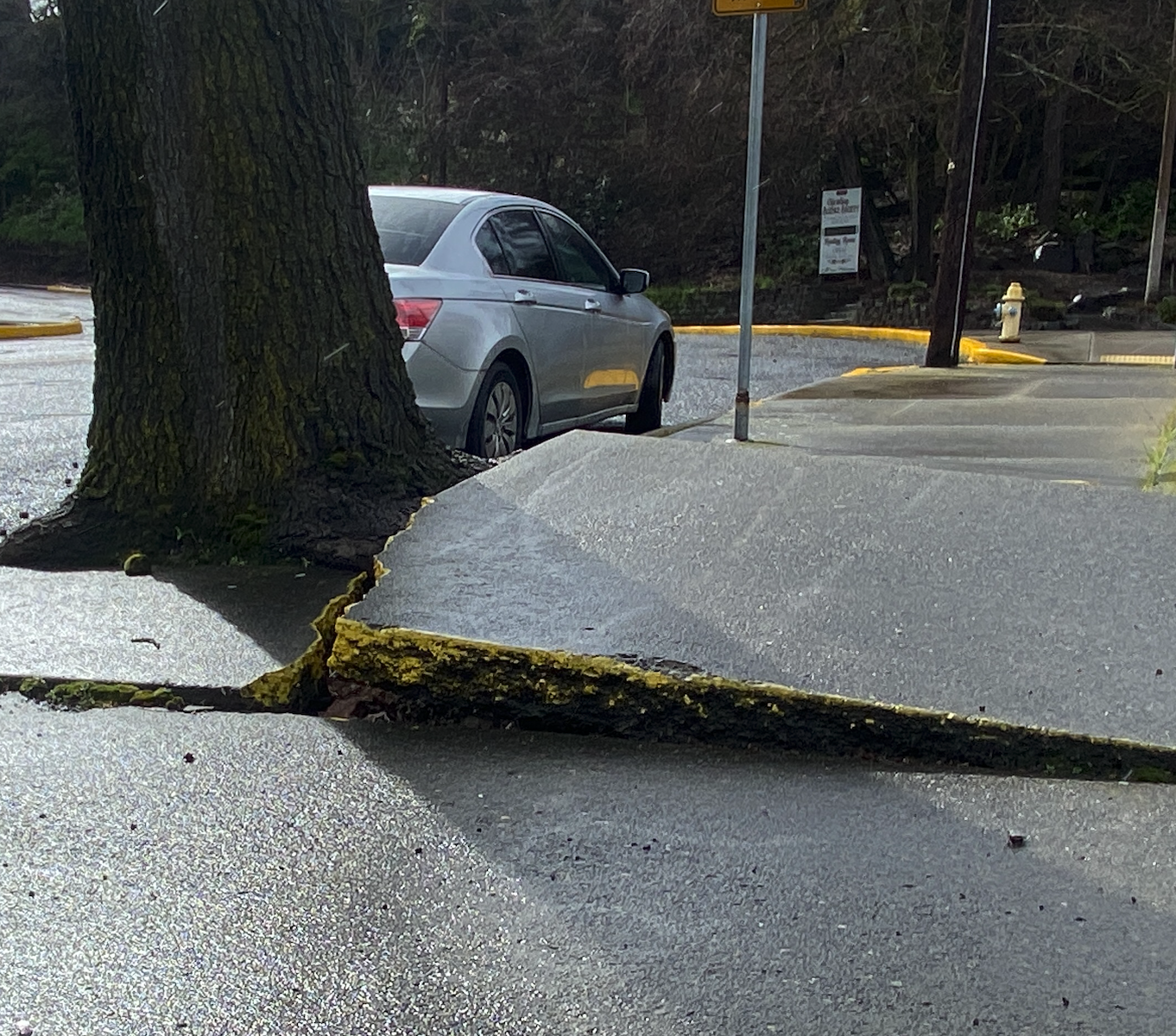
If you slip and fall on an icy sidewalk or a cracked crosswalk in the Columbia Gorge, slip and fall injury lawyers can help you understand your rights and hold the right parties accountable. These lawyers are part of a broader conversation about how our streets, sidewalks, and public spaces should keep people safe every day.
In cities like The Dalles, Hood River, and nearby towns, foot traffic is heavy along downtown strips, school zones, and tourist corridors. These spots fill with shoppers, families, and visitors, but they also carry hidden risks. Uneven pavement, poorly lit crossings, and winter ice can turn an ordinary walk into a fall that ends in bruises, broken bones, or long‑term mobility issues.
Why falls matter in Columbia Gorge
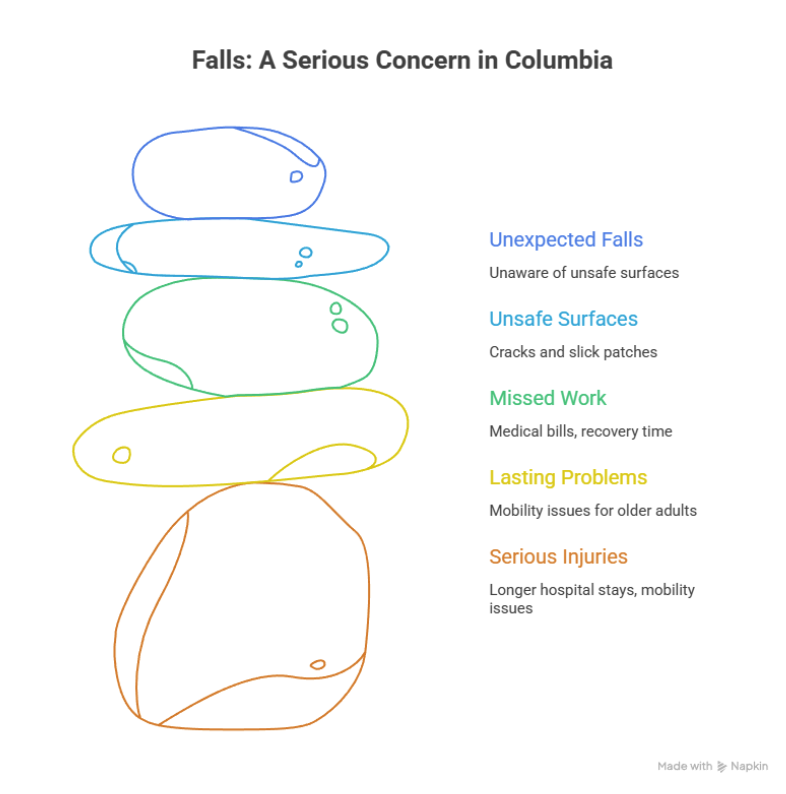
Falls are not just “minor accidents.” For older adults, they can lead to serious injuries, longer hospital stays, and lasting problems with mobility. Even for younger people, a bad fall on a sidewalk can mean missed work, medical bills, and time spent recovering.
A small crack or a slick patch can quickly turn into a trip zone if no one is watching. Lawyers often see cases where people didn’t expect to fall and didn’t realize how unsafe the surface was until it was too late.
Sidewalks where people gather
Downtown streets, main shopping strips, and corridors near schools are where most people walk in the region. Cracked concrete, tree roots pushing up pavement, and missing curb ramps can send a person sprawling when they least expect it.
Local governments and property owners often split the duty for sidewalk upkeep. In some places, the city keeps the sidewalk in front of public buildings and schools, while private property owners maintain the strip in front of their businesses.
That’s where residents come in: if you see a missing curb ramp, a significant gap in the pavement, or a crosswalk that disappears under potholes, you can report it to public works or the city clerk.
The more reports that come in, the harder it is for officials to ignore the problem. Once a hazard is documented, it’s easier to push for repairs, better lighting, and handrails.
High‑traffic crossings and blind spots
Some of the most dangerous spots are where people cross streets under pressure. Busy intersections, school‑zone crossings, and poorly lit corners can all increase the risk of a fall.
If a crosswalk is uneven, or if the curb is worn down so badly that it’s hard to step up, a person can lose balance mid‑step. A walker or cane can catch on a gap, and a quick turn can send someone off‑kilter. In some cities, local governments have added brighter streetlights, raised crosswalks, or tactile paving to help people see where they’re walking.
Seasonal hazards: snow and ice
Winter in the Columbia Gorge region doesn’t always mean feet of snow, but it does mean slippery conditions. Black ice on sidewalks, snow‑packed curb ramps, and wet surfaces near parking lots can all turn a quick trip into a painful fall.
Snow and ice removal
Some cities already have rules about snow and ice removal. Property owners can be required by law to clear sidewalks and ramps within a certain number of hours after a storm. The goal is to keep the main walking paths clear so people don’t have to step into the street to avoid ice.
Lighting
A poorly lit sidewalk near a busy store or gas station can hide small cracks, puddles, or slick spots. In some nearby towns, local governments have added brighter streetlights or motion‑sensitive lights to common walking routes, especially near schools and transit stops.
Wet surfaces and poorly maintained areas
Even in warmer months, wet surfaces can be risky. Rain‑slicked pavement, puddles that hide cracks, and worn‑out asphalt near entrances or parking areas can all cause slips.
In some locations, local governments have added non‑slip coatings, better drainage, or textured paving near doors and ramps. These changes lower the chance of a sudden loss of footing.
Parks, plazas, and overlooks for older adults
Older adults and people who use walkers, canes, or wheelchairs are especially vulnerable to falls in busy public areas. A small step, a narrow ramp, or a loose stone can send a walker tipping forward and a person tumbling.
Local governments and parks departments can also audit public spaces for fall risks. A quick walk‑through of a busy plaza might reveal missing handrails, uneven steps, or areas where water collects and creates slippery patches. When these issues are documented, they can be turned into a maintenance list and budget line.
What to do after a slip and fall
No one plans to fall on the way to the store or while walking through a park. But when it happens, it helps to know what to do next.
First, make sure you’re safe; if you feel pain, can’t stand, or suspect a serious injury, call 911 or ask someone nearby to call.
For a minor but painful fall, take photos of the spot, including cracks, ice, or debris, and get contact info from any witnesses.
Report the incident: tell a business manager for sidewalk falls or contact the city clerk or public works for public‑property falls, and jot down key details while they’re fresh.
If you consider legal help, slip and fall injury lawyers can explain what evidence matters, who might be responsible, and how to push for safer conditions.
Closing Thoughts
Keeping sidewalks clear, crosswalks well‑marked, and public spaces accessible protects the most vulnerable among us and makes the whole community safer for everyone who walks, rides a bike, pushes a stroller, or simply steps outside.
By treating public safety as a shared responsibility, Columbia Gorge’s high‑traffic areas can become places where people feel confident walking, not just places where slip and fall injury lawyers have to step in after an accident.