
Any type of water damage, whether a leak or a flood, can disrupt your home life or hit your business where it hurts. From the first steps to take to letting water damage restoration services do their magic, this guide will be invaluable should the worst happen.
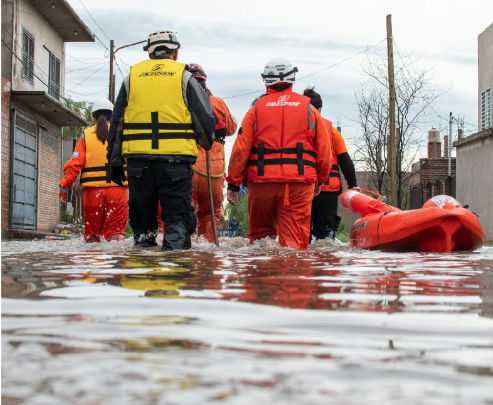
Resource: Pexels
Common Causes of Property Water Damage
Water damage can occur as a result of a fault, man-made error or a completely natural disaster that is out of your hands to control. The important part is acting quickly enough to limit the extent of the damage.
Faulty appliances
Not carrying out regular checks on the appliances at home and work that use water is a big mistake. Whether it's the family washing machine or a commercial kitchen’s dishwasher, when these appliances act up, the consequences could be costly. At the first sign of an issue, get a professional in to inspect the appliance.
Plumbing problems
If your property’s plumbing is old or has been carried out inexpertly, there is a risk that pipes could leak. This is a silent but deadly cause of water damage. The problem occurs behind the scenes and is often noticed when significant damage has already been done. Again, regular checks can spot potential issues before they get out of hand.
Natural disaster
Now, natural disasters, such as storms and flooding, are more difficult to avoid. However, you can plan to limit their impact and protect your home or business as much as possible. If you live or work in a flood-prone area, ensure that there is adequate drainage around the property. Also, consider installing flood barriers as a preventative measure.
Immediate Steps to Take After Water Damage Occurs
In times of stress, common sense can go out the window. Having a clear plan of action can help to structure your response to an incident such as water damage. Here are the first steps to take following flooding in your home or business property.
Safety first
Only if it is safe to do so, turn off the electricity in the property. This will ensure that all personnel entering the property can do so safely and without fear of electrocution.
In severe cases of water damage, the structure may have been affected. Emergency services or water damage professionals can determine whether it is safe to enter the property. Also, if the water comes from a contaminated source, such as sewage, it poses a health risk. Therefore, extra precautions need to be taken.
Stop the source
Once the property is safe to enter, the source needs to be stopped. Obviously, this applies only to leaking pipes or faulty appliances. Do this by switching off the mains water supply. In the case of a flood, use filled sandbags and other temporary barriers to reduce the amount of water getting into the property.
Document the damage
Before you reach for the phone to call your insurance company, it’s essential that you gather evidence. Make sure that you take clear photos and videos of the property to document the extent of the water damage. To accompany this evidence, make a list of all the damaged furniture, equipment, and possessions. You will also need to keep copies of receipts for emergency repairs and related purchases.
Contact your insurance company
Once you have your evidence as proof, it's time to call your insurance company. Make sure that you have details of your policy within reach, as you might need to refer to it. They will ask you all about the damage, but it’s also important that you ask questions too. Your claim advisor will guide you through the next steps to help you avoid any issues.
Call the experts
While the initial water damage can be overwhelming, mishandling the situation can lead to long-term problems that are harder to fix. Furthermore, taking on repairs solo is a lengthy process, meaning that your home or business property may not be back to normal as quickly as you’d like it to be. In turn, this will affect your daily life and your business’s bottom line. That’s why it is best to call in the experts.
Why Acting Quickly is Important
Water damage can cause aftereffects that require more costly, time-consuming restorations if left untreated. As it seeps into floorboards and walls, water can weaken these structural elements over time. This is far more serious than superficial repairs.
Delaying action by as little as 24 hours can give mold enough time to grow. As well as leaving an unpleasant, damp smell in the air and unsightly patches on walls, mold is dangerous to health. Mold spores in the air can exacerbate breathing problems and trigger allergies. For homes, this endangers your family, and for work premises, it puts your employees at risk.
The longer to take to act on water damage, the longer it will take until you are back in your home or business. Water damage to your home will upset family life, as you have to find a new temporary place to live. However, water damage to your business can add further expenses, such as loss of stock, equipment damage, and rent for new business premises.
Handling water damage repairs alone, no matter how quickly you work, is going to take longer than having a team of experts at your disposal. Water damage restoration services can have you safely back in your fully repaired home or business as quickly as possible, limiting disruption to your daily life.