
By Tom Peterson
The Dalles, Ore., Nov. 3, 2026 — Full Sail Brewing, one of Oregon's pioneering craft breweries and a fixture in Hood River for nearly 40 years, has been sold to Sazerac, a global alcoholic beverage industry that reportedly has $6 billion in sales annually.
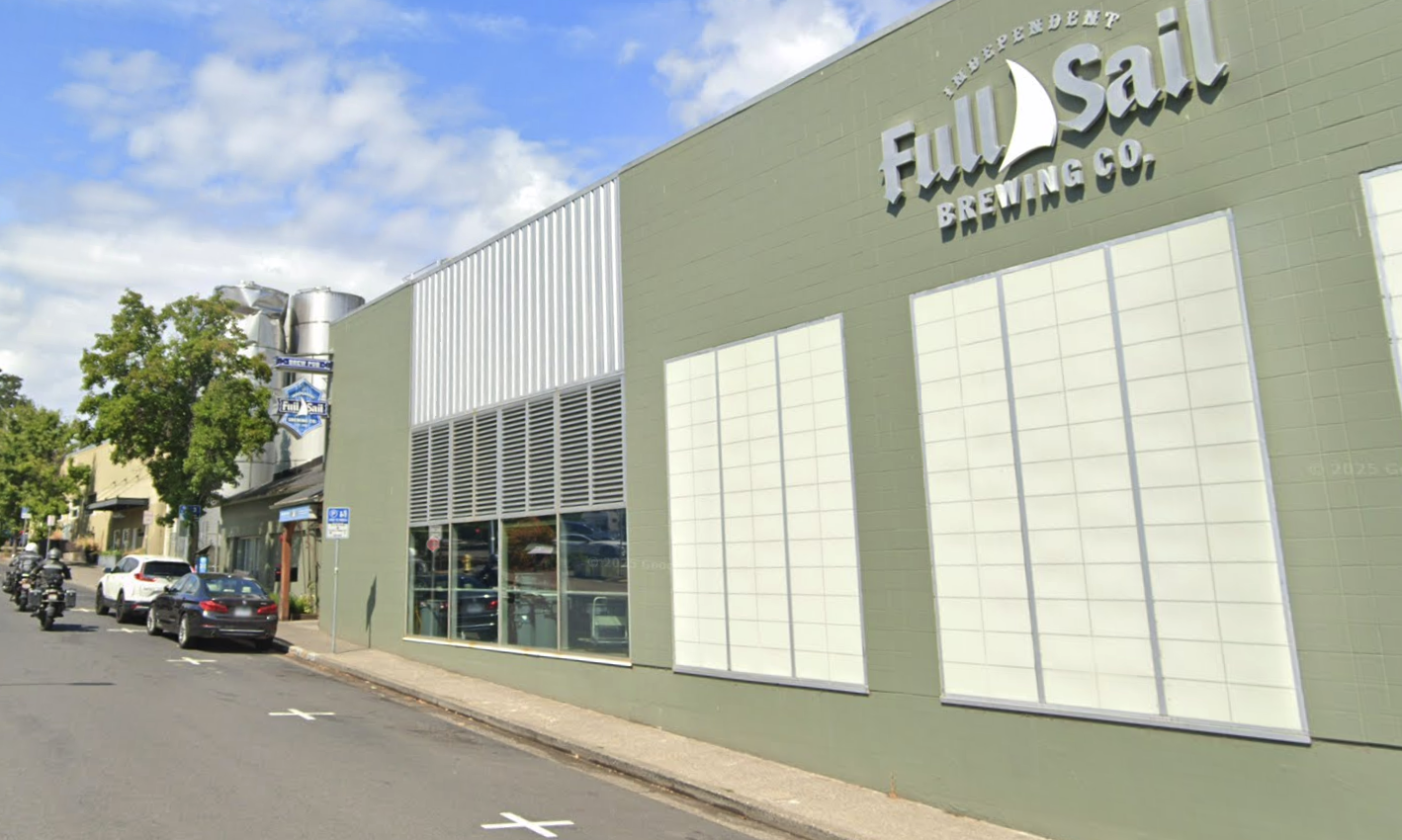
The sale comes one day after Full Sail abruptly closed its Hood River pub and restaurant at 506 Columbia St. Pub employees were informed Monday, Nov. 2, that the operation was closing and their jobs were ending. Production workers were told they would continue working at the facility.
For Hood River, the loss reaches well beyond a restaurant or a familiar beer label. Full Sail was a workplace spanning generations, a gathering place for families and a training ground for people who helped build the Columbia Gorge's craft brewing industry.
An employee who shared a message about the closure described a business woven into the lives of local families: a place where a father worked for 20 years, where teenagers went to dinner before homecoming dances, where a sister learned to drive a forklift and where college students found summer jobs on the packaging line or bussing tables.
The employee also recalled Full Sail putting together food boxes for neighbors whose home burned shortly before Christmas.
The brewery became a place where employees celebrated Thanksgiving together, exchanged gifts when colleagues had children and supported one another through the deaths of family members.
"We were a family. No, we are family," the employee wrote.
The message expressed particular concern for the pub staff, who were dismissed Monday. The employee also thanked Kings and Daughters Brewing for providing a place for former Full Sail employees to gather and grieve together.
Industry in Turmoil
It is the latest hit in Oregon's craft beer industry that has faced growing consolidation, contraction and, in some cases, management failures. In 2023, global beverage giant Tilray Brands of Canada acquired 10 Barrel Brewing in Bend and Widmer Brothers in Portland.
Deschutes Brewing in Bend acquired nearby Boneyard. BridgePort Brewing, acquired by Texas-based Gambrinus, closed in 2019, while Rogue Ales shut down in 2025. The industry's struggles reflect changing consumer tastes, rising costs, aggressive expansion and, in some cases, poor business management.
Sazerac confirmed the purchase of Full Sail Tuesday, Nov. 3, telling the beer industry publication Brewbound it will expand production capacity for its growing portfolio of ready-to-drink beverages.
Its portfolio includes Buffalo Trace bourbon, Eagle Rare, Fireball Cinnamon Whisky, Southern Comfort and BuzzBallz.
Sazerac is a privately held, family-owned American spirits company controlled by the Goldring family and led by Chairman William Goldring. Founded in 1850, the company is headquartered in Louisville, Kentucky, with a significant presence in New Orleans, Louisiana. According to Sazerac, it operates 18 distilling and bottling facilities worldwide, employs approximately 8,000 people and owns more than 525 brands.
In a May 7, 2026, report, Forbes contributor David Tao reported that Sazerac generated more than $6 billion in annual net sales during the 12 months ending December 2025, citing information provided by the company.
An incubator for regional brewers
For Kasey McCullough, brewmaster and co-owner of Working Hands Fermentation in Hood River, the loss of Full Sail was ‘like losing a cousin.’
Full Sail was an incubator for the region's brewing industry, he pointed out. Brewers passed through the company, learned their trade and gained experience before branching out to establish or work for other breweries.
They learned their trade there and went on to help establish or build other successful regional breweries, including Double Mountain, pFriem Family Brewers, Solera Brewery and Ferment Brewing. The pipeline was so significant that Oregon Business reported in 2013 that six of seven head brewers working in the Hood River area had come through Full Sail. Its legacy is measured not only in the beer it produced, but in the independent brewing businesses its people helped create and sustain.
That history helped create the network of independent brewing businesses that now define much of the Columbia Gorge beer scene.
From employee ownership to private investors
Full Sail's ownership history makes the current sale another significant turning point.
The brewery began in 1987 as Hood River Brewing Company, operating in a former cannery in Hood River. It soon adopted the Full Sail name after the popularity of its Full Sail Amber Ale, an homage to the burgeoning sailboarding recreation in the area.
In 1999, the company became employee-owned through an Employee Stock Ownership Plan, or ESOP, after employees and founders worked to prevent a proposed sale to an outside brewing company.
The Oregon Encyclopedia's history of Full Sail identifies it as the first U.S. craft brewery to establish an employee stock ownership plan. The arrangement initially gave 47 employees ownership stakes in the company.
That ownership structure lasted until 2015, when Full Sail's 78 current and former employee-owners voted overwhelmingly to sell a controlling interest to Oregon Craft Brewers Co., an investment group that included San Francisco-based private equity firm Encore Consumer Capital.
Brewbound reported in March 2015 that 98% of the company's employee-owners voted in favor of the transaction. Although the company planned a broader stock-option program for employees, the sale ended its status as an employee-owned brewery.
The transition marked the end of a distinctive chapter in Full Sail's history. Employees who had become owners in 1999 ultimately voted to sell their controlling interest 16 years later.
Founder Irene Firmat and brewmaster Jamie Emmerson subsequently retired, according to New School Beer + Cider's account of the brewery's history.
A changing business and an uncertain beer future
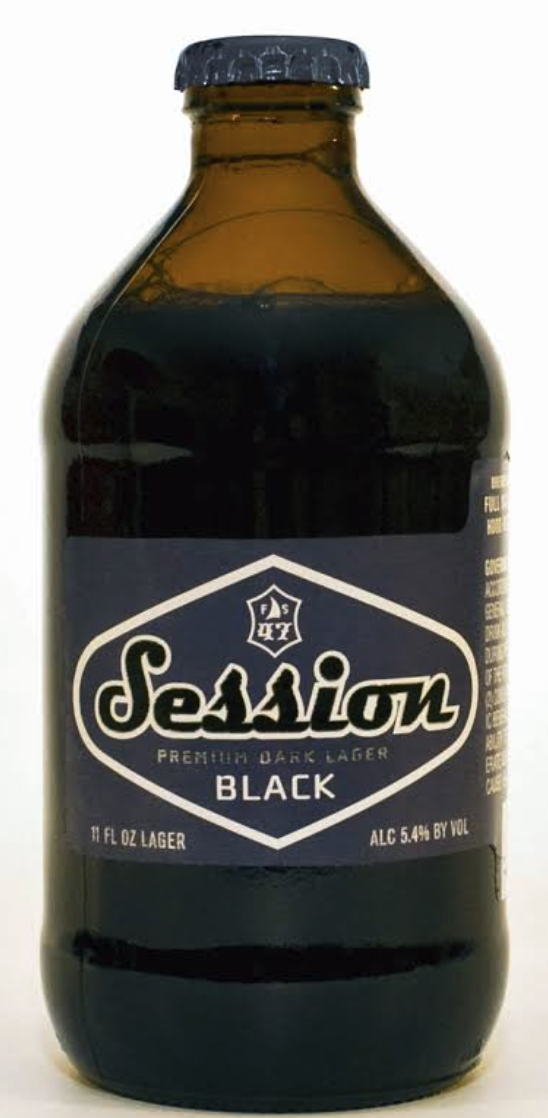
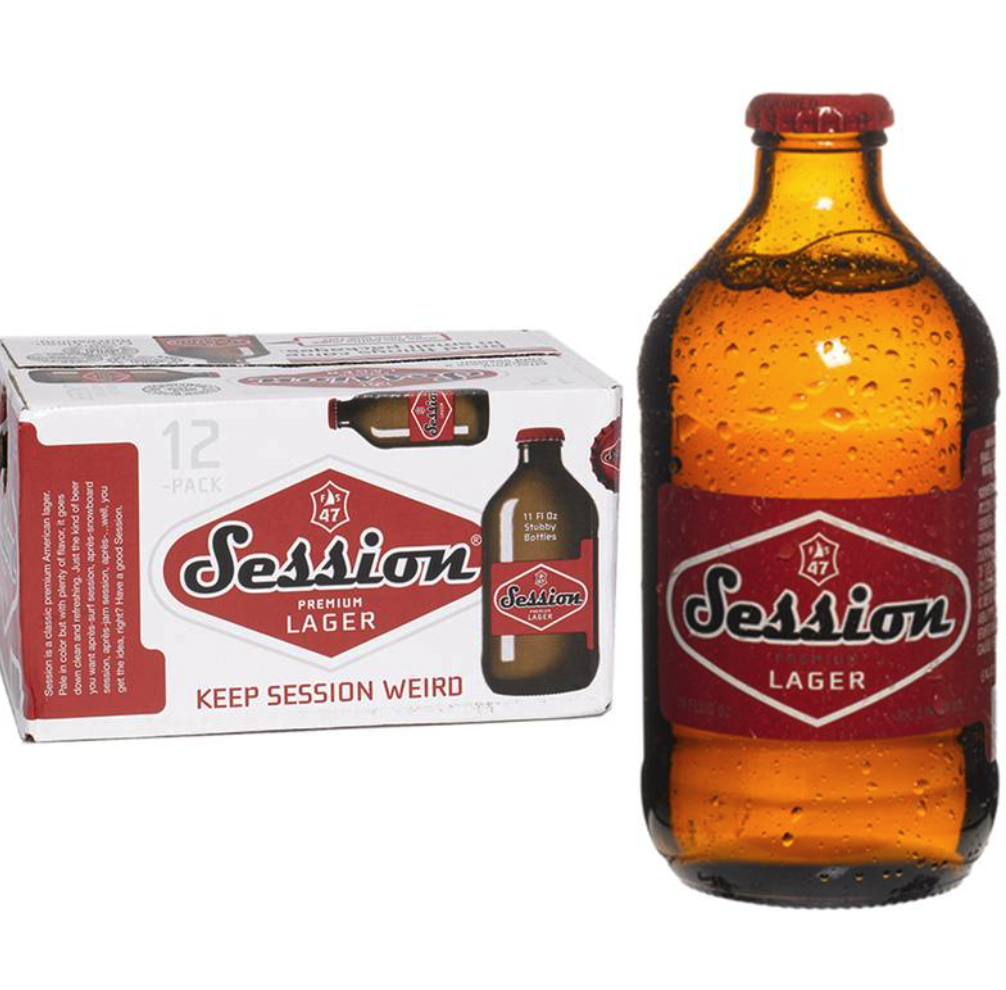
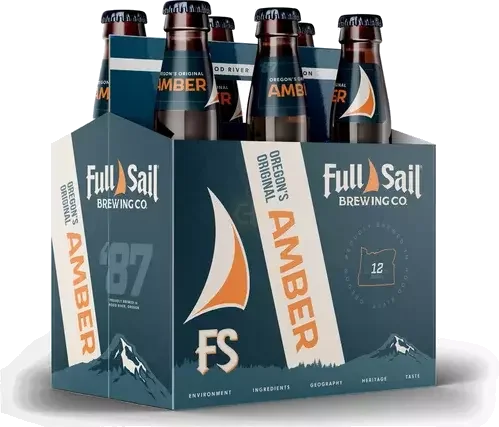
Over the past decade, Full Sail increasingly concentrated its beer business around its established Amber Ale and Session Lager brands while using its production capacity to make beverages for other companies.
The Session brand celebrated its 21st anniversary in 2026, with the brewery introducing additional versions of the lager and bringing back familiar packaging.
Sazerac's acquisition appears to signal a further shift away from traditional craft beer production.
The company owns a large portfolio of spirits and alcoholic beverages, including Buffalo Trace bourbon, Fireball Cinnamon Whisky, Southern Comfort and BuzzBallz, a line of ready-to-drink alcoholic beverages.
Brewbound reported Tuesday that Sazerac confirmed the acquisition specifically to expand manufacturing capacity for its ready-to-drink beverage portfolio.
New School Beer + Cider, which first reported the closure and employee accounts Monday, said production employees were told they would continue making beverages under existing contracts while the facility shifted toward third-party manufacturing to produce beverages for other companies.
According to an employee account cited by New School, the brewery's production operation would continue making ready-to-drink products and other beverages for outside companies. The employee also said beer production would be limited to existing contracts, with no assurance those agreements would be renewed.
The same employee said the Full Sail and Session brands had effectively ended under the new ownership.
That account has not been independently confirmed by Sazerac. The company has publicly confirmed the acquisition and its interest in expanding ready-to-drink production capacity, but has not publicly detailed the future of the Full Sail and Session beer brands.
New School also reported that pub employees were dismissed with one week of severance pay, citing an employee account. The total number of employees affected has not been established.
Sazerac's investment in additional production capacity reflects the growing importance of ready-to-drink beverages in the broader alcoholic beverage market.
For Hood River, however, the immediate loss is more personal.
Full Sail was a place where people worked, raised families, developed friendships and learned a trade. Its former employees helped establish other businesses, including breweries that continue to operate throughout the region.
The production facility may have a future under new ownership, but the community institution that grew out of a Hood River cannery in 1987 has reached a turning point.