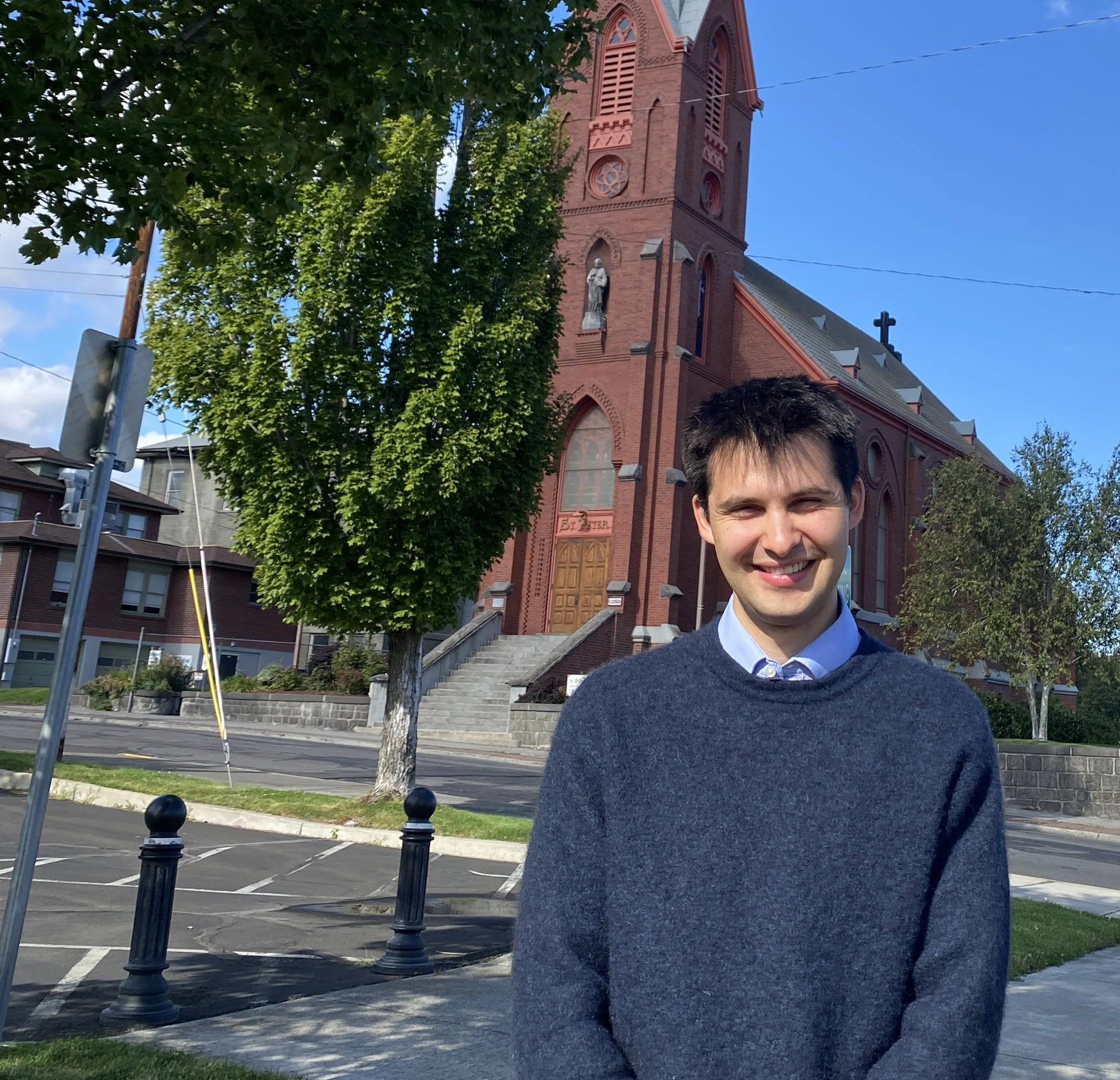
Hank Sanders, 25, Democratic candidate for Oregon House District 52, stands in The Dalles on Monday, Sept. 14, 2026. Sanders is facing Republican Scott Hege for the open seat in November.
By Tom Peterson
The Dalles, Ore., Sept. 14, 2026 — At 25, Hank Sanders knows the first thing many voters notice about him is his age.
He isn't running away from it.
Instead, the Democratic candidate for Oregon House District 52 is making youth central to his argument for why voters should send him to Salem: He says his generation is living with housing costs, wages, insurance premiums and an increasingly expensive Oregon economy in ways that established political leaders may not fully experience.
"The young thing has been nothing but an asset," Sanders said during an interview Monday in The Dalles.
Sanders faces Republican Scott Hege, a Wasco County commissioner and former executive director of the Port of The Dalles, in November. The seat is open because Republican Rep. Jeff Helfrich is running for the state Senate.
The Columbia River Gorge district is one of Oregon's relatively few genuinely competitive legislative districts. About 38% of its voters are nonaffiliated, 30% are Democrats and 25% are Republicans, according to the Oregon Capital Chronicle. Helfrich won with 52.5% in 2022 and 51.8% in 2024.
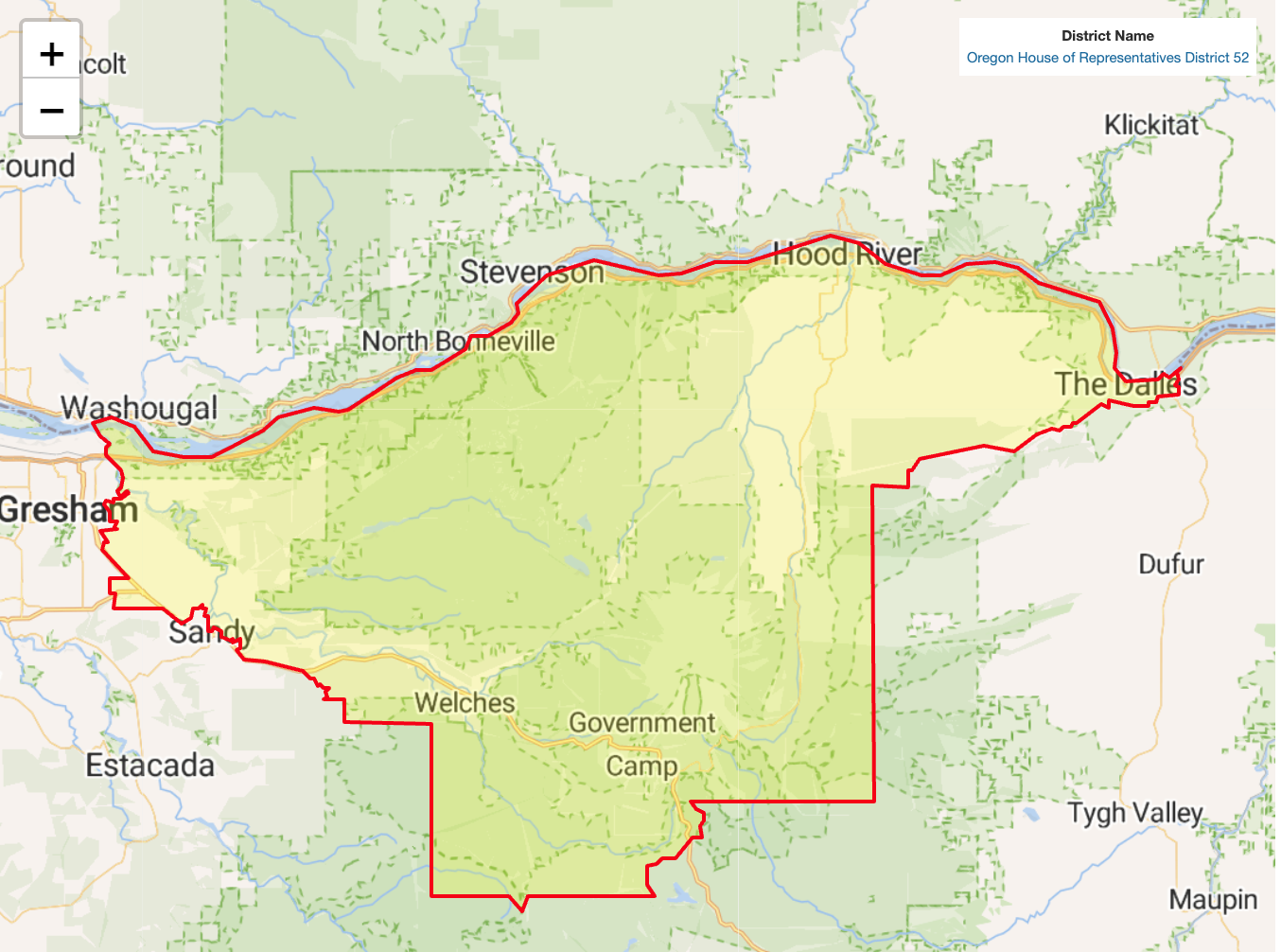
Oregon House District 52. Map courtesy Ballotpedia.org
The contest presents voters with candidates from notably different generations and professional backgrounds.
Sanders' path to the race began well outside the Legislature.
He spent much of his childhood in rural Gaston, where his mother worked as a pediatrician and his father stayed home during his early childhood. Sanders is careful not to portray himself as having grown up as a farmer, but said he pulled rye, baled hay and did occasional work for neighbors.
He moved to Portland at 14, attended Lincoln High School and went to college in Chicago, where journalism became his career.
Sanders worked for the Chicago Tribune and later became a reporting fellow at The New York Times. During his journalism career, he covered everything from politics and government to breaking national stories.
Eventually, however, journalism wasn't enough.
Sanders said he was about a week away from beginning a general assignment reporting job with The Associated Press in Chicago when he turned it down and returned to Oregon, wanting both to come home and become directly involved in politics. He later worked for U.S. Rep. Maxine Dexter and as a legislative aide for his mother, state Sen. Lisa Reynolds, D-Portland.
That decision ultimately led him to Hood River County and House District 52.
A generation leaving Oregon
Sanders' central economic argument is straightforward: Oregon has become too difficult for young and working people to afford.
He illustrates the problem with his cellphone.
Sanders pulled up Apple's Find My app during the interview and pointed to where friends he grew up with now live — New York, Boston, Chicago, Montana, San Francisco and elsewhere.
Only a few remained in Oregon.
"Absolutely," Sanders said when asked whether he considered that a brain drain.
Many of those friends, he said, would like to return but cannot find the combination of wages, careers and affordable housing necessary to make Oregon work financially.
Sanders said he experienced the problem himself. While living in New York, he said he was able to put more money into his retirement account than he can in Oregon because higher wages helped compensate for the city's enormous cost of living.
"That has to change," he said.
Housing, consequently, sits near the center of his campaign.
Sanders said Oregon needs an aggressive combination of public and private solutions rather than treating deregulation and government investment as opposing choices.
He supports encouraging accessory dwelling units, incentivizing long-term rentals over short-term vacation rentals, reducing unnecessary barriers to development and investing public money in water, sewer and other infrastructure needed to make housing projects feasible.
He also said Oregon should examine building requirements that individually may appear reasonable but collectively drive construction costs beyond what working families can afford.
"We need to make sure that we are building more housing," Sanders said.
That includes affordable housing and market-rate housing, he said, arguing that increasing overall supply is necessary to reduce pressure on prices.
Sanders also expressed willingness to revisit Oregon's landlord-tenant laws, saying strong tenant protections should remain while acknowledging cases in which property owners can become trapped in prolonged disputes with tenants who are not paying rent or present safety problems.
Sanders calls for data center moratorium

Google demolition at 4200 Columbia Road in the Port of The Dalles this summer, making way for a new 77,000 square foot building
Few issues separate Sanders more sharply from the economic development policies long practiced in The Dalles than data centers.
Sanders is calling for a moratorium on new data center development while Oregon develops statewide standards governing water, electricity, taxation and other impacts.
"We need a moratorium," Sanders said.
The Dalles has become one of Oregon's major data center hubs since Google opened its first company-owned data center there in 2006.
Sanders argues the industry has grown faster than Oregon's regulatory structure and that individual communities should not be left to negotiate enormous development agreements with some of the world's largest corporations without stronger statewide standards.
His eventual model, he said, could resemble a baseline agreement established by Salem — essentially setting the minimum terms Oregon communities should accept from a data center developer.
Among the requirements Sanders said should be considered are closed-loop cooling systems, data centers providing or paying appropriately for their power demands, greater transparency and an end to tax incentives he believes are overly generous.
"Until we can figure out the issues," Sanders said, development should pause.
Sanders also criticized nondisclosure agreements between governments and private companies when those agreements prevent residents from obtaining information about public resources.
His criticism is particularly pointed in The Dalles, where Google's water use has generated years of controversy and litigation over public records.
During the interview, Sanders initially cited a claim that data center water could be discharged at 113 degrees, but acknowledged after being questioned that he did not know the actual discharge temperature in The Dalles.
"We don't know," Sanders said.
That uncertainty, he argued, is itself part of the problem.
Sanders said he understands why a corporation would want to protect proprietary information, but believes government's obligation is different.
"It's the city's job to make decisions that improve our communities," he said.
Wildfire, insurance and climate

Hand crews recently working the Grasshopper Fire.
Sanders also connects Oregon's affordability problems to wildfire and climate change.
Growing up in western Oregon, Sanders said temperatures that once seemed extraordinary have become increasingly commonplace, while smoke and wildfire have become regular features of summer.
For residents of fire-prone communities, he said, the consequences increasingly show up in household budgets through homeowners insurance.
Sanders said he has encountered residents while campaigning who have lost coverage, expect to lose it or face sharply higher costs because of wildfire risk.
"People are paying thousands and thousands of dollars a year more because of climate change," he said.
He said Oregon needs better forest management, sufficient firefighting resources and policies encouraging homeowners to harden properties against wildfire.
Health care and a shrinking federal role
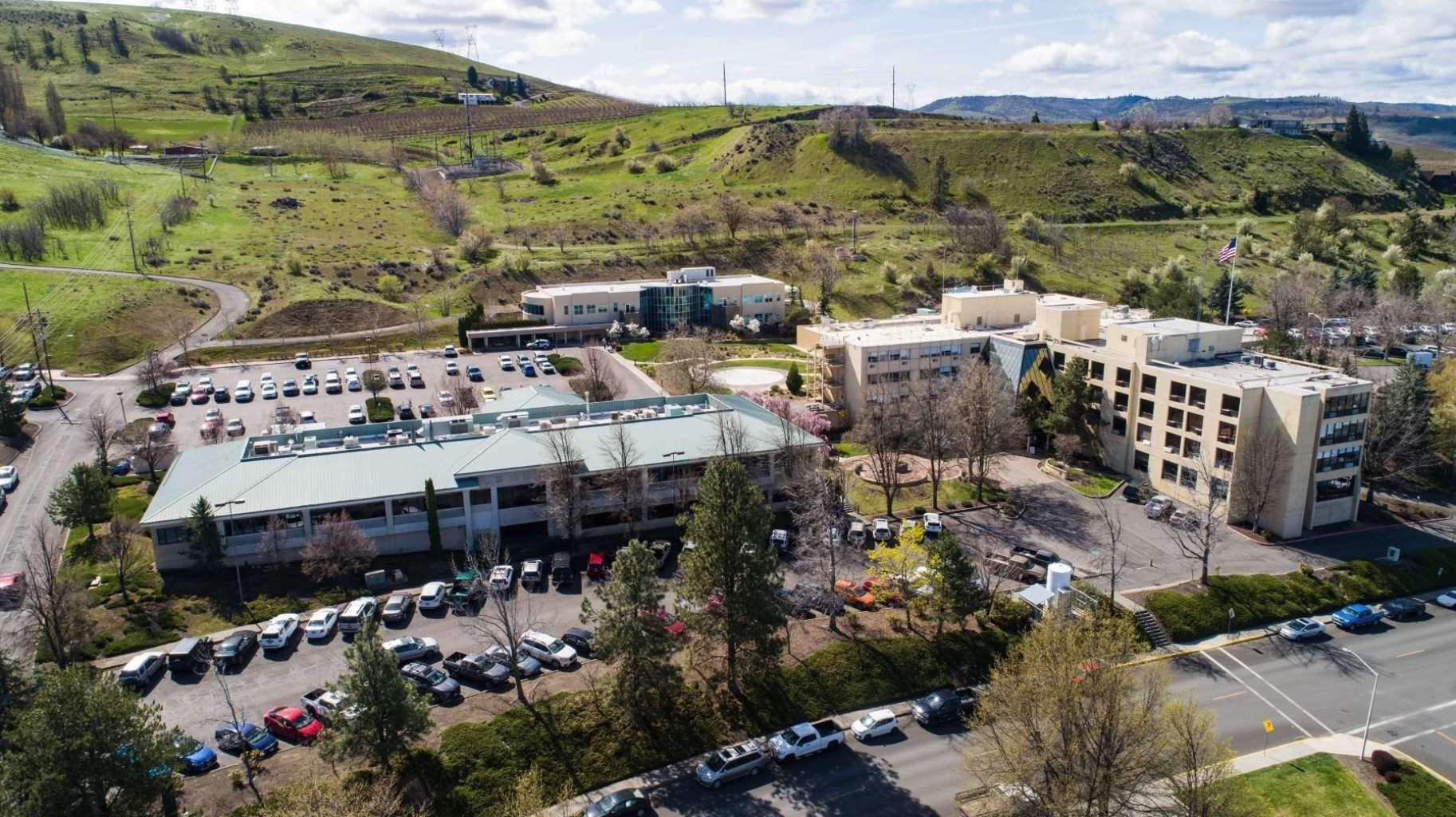
Adventist Health Columbia Gorge, a 25-bed hospital and associated clinics and services in The Dalles
Health care presents another potentially expensive problem for Salem.
Sanders argues Oregon should work to preserve access to health care as federal Medicaid changes put pressure on state residents and health systems.
He acknowledged that Oregon lawmakers could face difficult choices involving who remains covered, what services are covered and how providers are reimbursed.
"Everybody deserves to have health care and access to health care," Sanders said.
He also said government should aggressively combat Medicaid and Medicare fraud, while arguing that concerns about fraud should not become justification for broadly removing eligible people from coverage.
The federal budget law is expected to significantly reduce Medicaid spending nationally over the coming decade, though the precise effects in Oregon will depend on implementation and state policy responses. Sanders has separately advocated helping Oregonians navigate new eligibility and paperwork requirements to reduce the number losing coverage.
Making age the argument
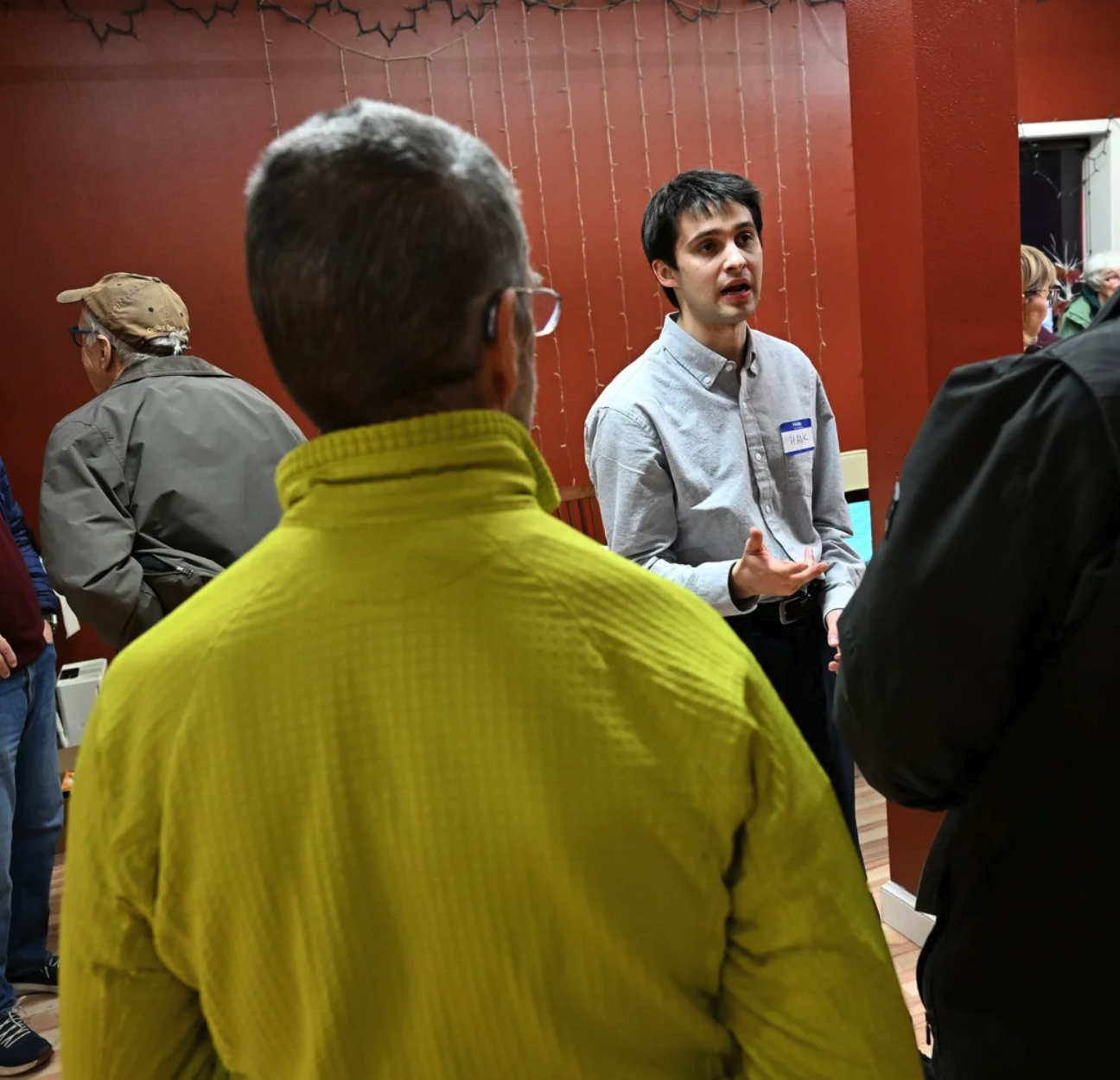
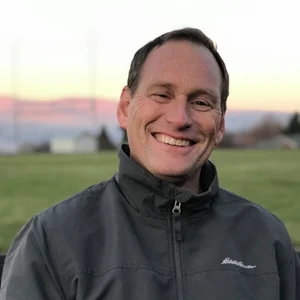
Photo courtesy hankfororegon.com
Sanders knows voters considering him for the Legislature are being asked to entrust a state House seat to someone only a few years removed from college.
But he argues experience isn't measured solely in years.
His journalism career exposed him to government and political corruption. His work for Dexter and Reynolds brought him inside government. And his campaign, he said, has taken him to thousands of front doors across the district.
During the Democratic primary, Sanders said his campaign knocked about 10,000 doors and that he personally reached roughly 7,500.
Now he is asking voters to view his age not as something he must overcome, but as evidence that the economic problems dominating the race affect him personally.
He hears about parents whose children have left Oregon, grandparents wondering whether their grandchildren can ever afford to return and workers who cannot imagine buying the kinds of homes previous generations purchased on middle-class salaries.
Sanders believes those experiences are changing Oregon — and that they should change its politics.
"What they want," Sanders said, "is somebody who is going to be impacted by the decisions that they're making."