
Column: Oregon Needs Better Outcomes, Not More Bureaucracy
Thoughts from the Tractor Seat by Ken Polehn

Ken Polehn
Governor Tina Kotek has said she wants to improve Oregon’s business climate, and that goal deserves to be taken seriously. Most Oregonians — whether they live in Portland, Salem, Eugene, Bend, Pendleton, Baker City, or Condon — want the same things: safe communities, strong schools, affordable housing, and an economy that allows families and small businesses to get ahead.
The problem isn’t a lack of good intentions. It’s how those intentions have been translated into layers of regulations, mandates, and bureaucracy that often slow progress rather than deliver results.
Across Oregon, the effects are visible. Housing projects take years to move from concept to construction. Small businesses spend more time navigating compliance than serving customers. Employers struggle as rules change faster than systems can adapt. Whether you’re running a shop in Baker City, a warehouse in Pendleton, a restaurant in Portland, or a farm near Condon, the outcome feels the same: higher costs, fewer options, and growing frustration.
Over time, Oregon has built complex systems meant to protect workers, tenants, students, and communities. Those goals matter. But when regulations become so cumbersome that they delay housing, slow access to mental-health care, limit addiction treatment, or discourage small employers from expanding, it’s fair to ask whether the system is working as intended.
This shows up clearly in our schools. Despite increased funding, families still see uneven results, staffing shortages, and classrooms under strain. Money alone isn’t the issue. Structure, accountability, and flexibility matter just as much.
Oregon cannot regulate or mandate its way out of housing shortages, addiction, mental-health challenges, or workforce gaps. Real progress comes from clear priorities, streamlined processes, and policies that focus on outcomes rather than paperwork.
Governor Kotek has an opportunity to lead a shift in that direction — by reducing unnecessary bureaucracy, aligning regulations with real-world timelines, and empowering local solutions that work for communities of all sizes.
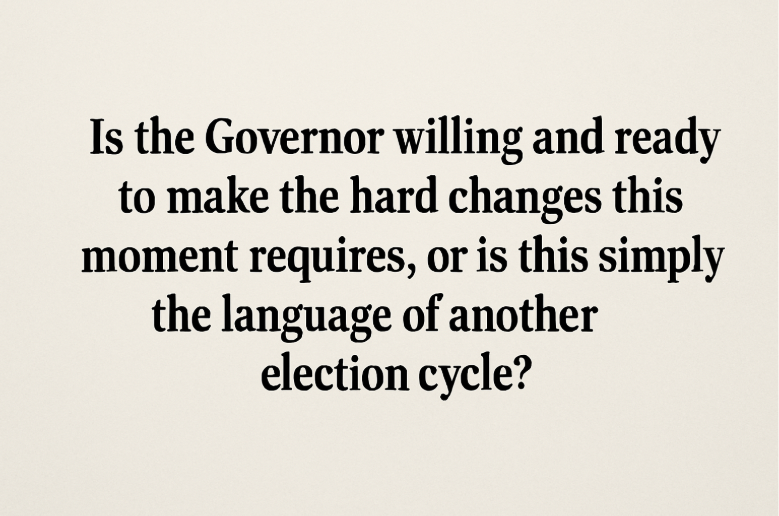
That leaves an important question Oregonians are quietly asking — not just in Portland, but in Pendleton, Baker City, Condon, and everywhere in between: Is the Governor willing and ready to make the hard changes this moment requires, or is this simply the language of another election cycle? Real reform means disappointing some constituencies, trimming bureaucracy, and admitting when mandates aren’t working. That kind of leadership is harder than asking for votes — but it’s what this moment demands.
Oregonians aren’t asking for miracles. They’re asking for systems that function, rules that make sense, and leadership that values results over rhetoric.
If Oregon is going to move forward, it won’t be by adding more layers or more promises.
It will be by making tough choices, setting clear priorities, and clearing a path for families and small businesses to succeed.
About the author
I was born in 1961 into a second-generation farm family in The Dalles. I grew up on a tractor seat, moving irrigation pipe with my sisters before school, and spent my summers picking cherries alongside the children of migrant families who returned year after year. My wife, children, and parents have all worked the same land. I’ve served as county Farm Bureau president, sat on the county fair board, and continue to support 4-H and FFA. I’ve seen firsthand what happens when farmers are squeezed out—not just of business, but of the conversation.