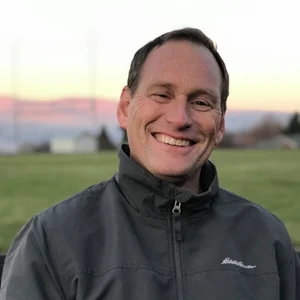
From Pirates to Warm Cookies: Jacob Hanks Brings a Lifetime of Tattooing to New Digs in The Dalles
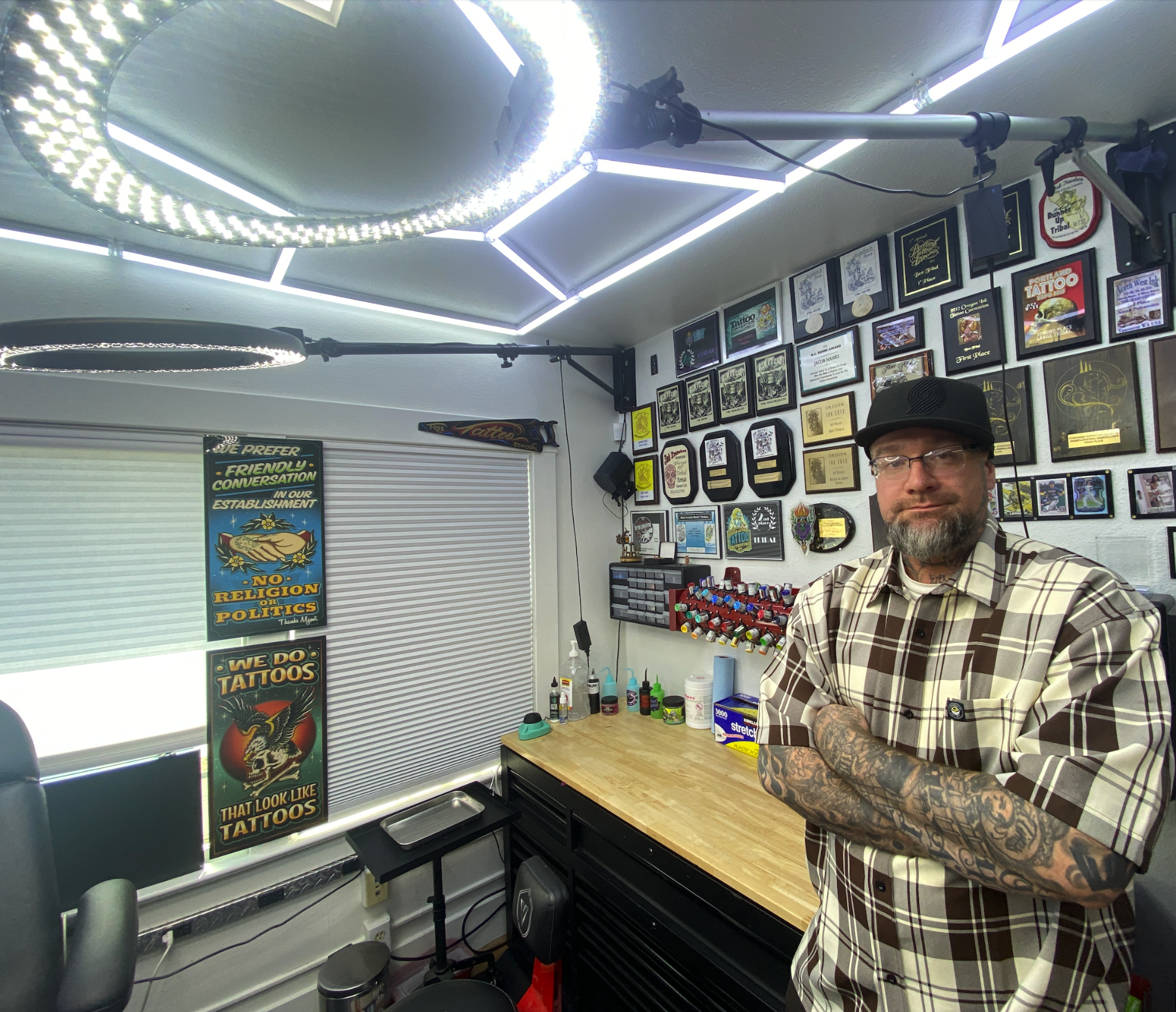
Jacob Hanks in his newly established tattoo studio at 409 Lincoln Street in The Dalles. His walls are filled with hardware, a testament to his craft. With decades chasing the next vision and personal inspiration, the soft-spoken artist is blending positive energy into memorable experiences. Pretty good for a pirate.
By Tom Peterson
The Dalles, Ore., Aug. 31, 2026 — Jacob Hanks wants you to think and smell warm cookies.
Maybe not while the needle is moving across your skin. But years later, when you catch a glimpse of the tattoo in a mirror, he hopes something of that feeling comes back — comfort, warmth and the memory of being treated well.
“My goal is to make my client comfortable and happy and to do my job with positive energy,” Hanks said. “I try to treat them as if it’s my daughter or my son or my friend, or if I were getting tattooed.”
“I want them to subconsciously think of cookies baking when they look at their tattoo in the future,” he said. “I don’t want them to think, ‘That guy was an asshole,’ or, you know, they had a bad experience.”
For Hanks, tattooing is about “the exchange of energy and the positive experience” as much as the image permanently placed on someone’s body.
That philosophy has followed Hanks to his new location at 409 Lincoln St., No. 6, in The Dalles, where the longtime Gorge tattoo artist recently relocated from 1101 W. Sixth St.
The move, he said, was essentially seamless — one location to the other almost overnight — although he has heard from people who mistakenly thought he had closed. The primary reason Hanks wanted to get the word out was simple: He is still tattooing in The Dalles, just at a new address.
And he is still doing it in a way rooted in a tattoo culture that looks considerably different from the one he grew up in.
Tattooing Is the Family Business
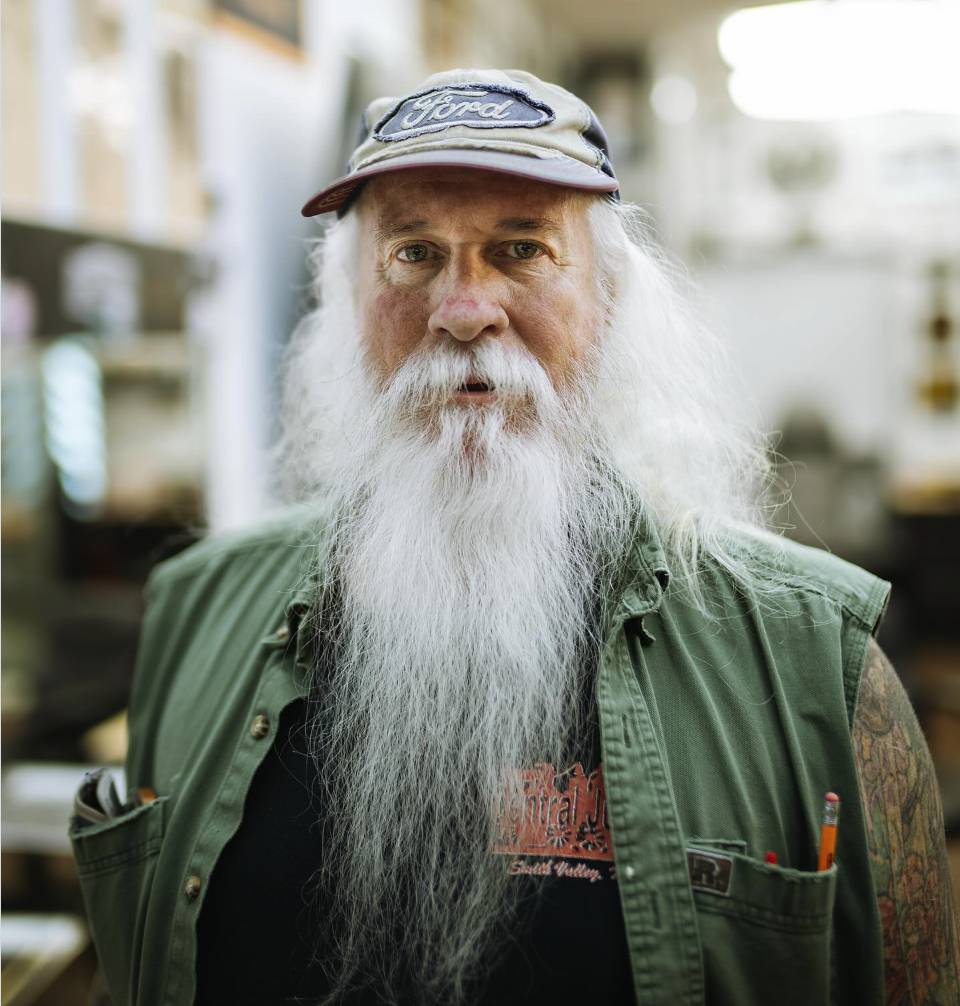
Jacob’s father Larry Hanks intended his son to be an attorney at one point.
Originally from Honolulu, Hawaii, Hanks, 45, is a third-generation tattooer who grew up with ink as part of everyday life.
His father, Larry Hanks, and his late uncle Leonard were tattoo artists. His father was influenced early in his career by famed tattooer Doc Webb, whose career stretched back to about 1920. Larry Hanks began tattooing in the late 1960s, and Jacob Hanks followed in the 1990s.
There was just one problem.
His father didn't want him to do it.
Hanks said he wanted to become a tattoo artist from childhood and begged his father for a tattoo until Larry finally gave him one when he was 11.
When women around the shop would ask young Jacob whether he was going to become a tattooer like his dad, Hanks remembers enthusiastically saying yes.
His father had other ideas.
“He’s going to be a lawyer,” Hanks recalled him saying.
It didn't work.
For Hanks, tattooing wasn't simply a career he selected. It was something already built into him.
“It’s just a lifestyle, not a choice,” Hanks said. “As I wake up with brown hair, it’s the same thing.”
He described tattooing as his “culture,” “heritage,” “lifestyle” and upbringing. And while desire matters, he said becoming a tattoo artist also requires innate ability — hand-eye coordination, artistic vision, passion and dedication.
In other words, Dad may have wanted a lawyer.
He got a tattooer.
When Tattooers Were Pirates
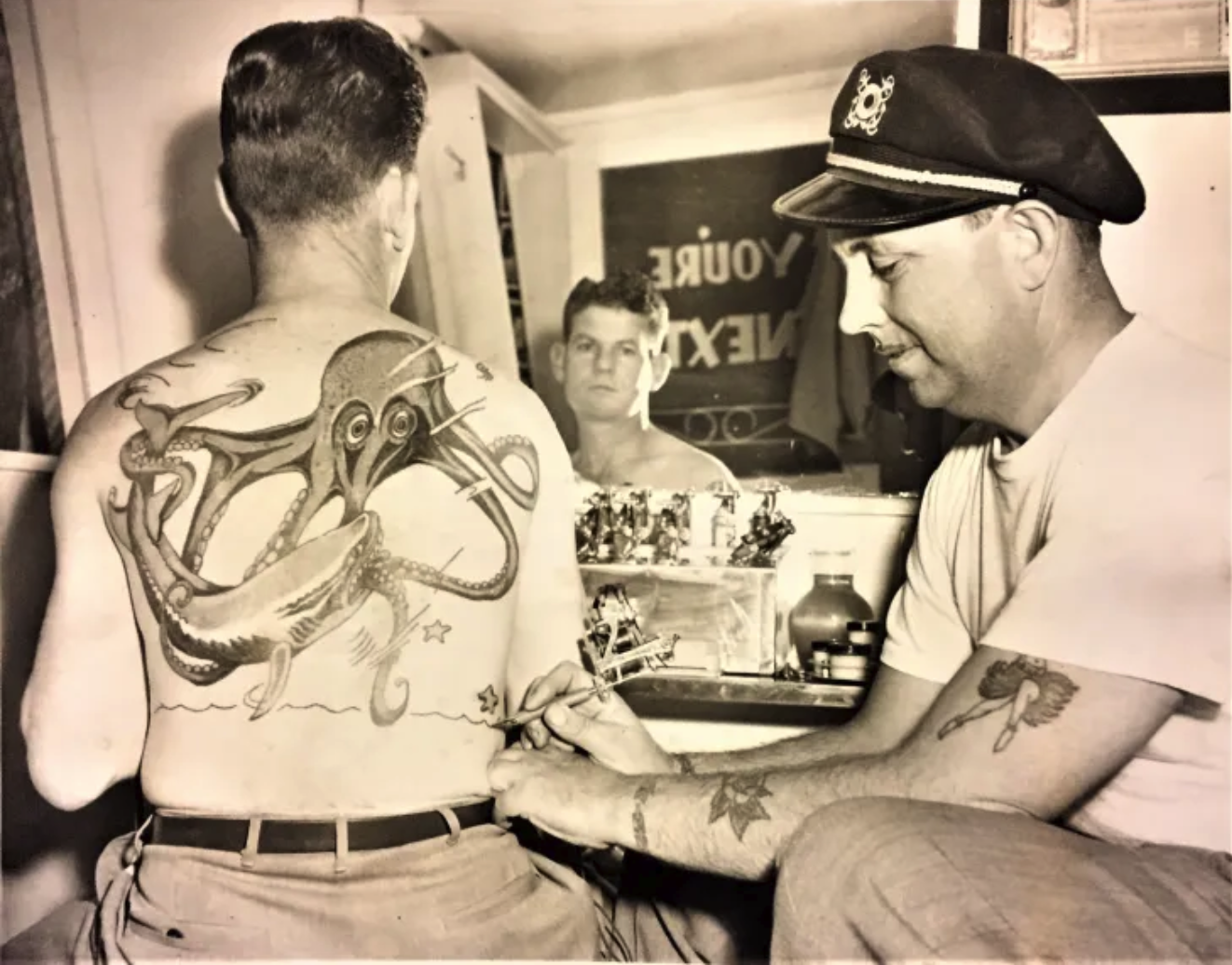
Doc Webb
Hanks remembers when tattooing carried a very different social meaning.
His father and Webb tattooed in San Diego when much of the clientele came from the Navy. In Hawaii, the business drew military personnel, tourists and local residents. Hanks remembers shop lobbies filling around military paydays — the first and 15th of the month — and tattooers working nonstop when ships arrived for Rim of the Pacific exercises.
Tattooing then belonged largely to people comfortable living outside the mainstream.
Military members. Bikers. People willing to wear art that could bring judgment along with it.
Hanks uses another word for that old tattoo culture
Pirates.
“Lawlessness, rebellion, making your own decisions,” he said, describing the idea. “No boss.”
And, with a laugh, there was another part of piracy.
“Get the booty.”
But the rebellion was real.
“Conformity is not tattooing,” Hanks said.
Today, the clientele can include district attorneys, police officers, teachers and professionals from virtually every walk of life. Hanks remembers a time when strangers would cross the street when they saw him coming and clutch their purses tighter because of his tattoos.
Now people ask for photographs with him.
“A throat tattoo doesn’t mean I’ll kill you,” he said.
Hanks believes television played an enormous role in swinging that cultural pendulum. Tattoo-centered television brought the art form into American living rooms, repeatedly exposing generations to tattoos until something once viewed as dangerous or deviant became familiar — and eventually fashionable.
The pendulum, Hanks believes, may have swung almost all the way to the opposite extreme.
Tattoo equipment is readily available, the number of people tattooing has exploded, and social media can sometimes propel relatively inexperienced artists to large followings. Hanks believes the industry will eventually face a correction.
But underneath the trends, television shows, social media and changing public attitudes is something much older and more personal:
Why does someone decide to permanently change their body?
Turning a Weakness Into a Strength
Ask Hanks why people get tattoos and there isn't one answer.
Sometimes it is grief.
He has tattooed groups of family members and friends following a death, creating memorials that allow people to carry some representation of a loved one with them permanently.
Sometimes it is friendship — two people marking an experience they shared.
And sometimes it is confidence.
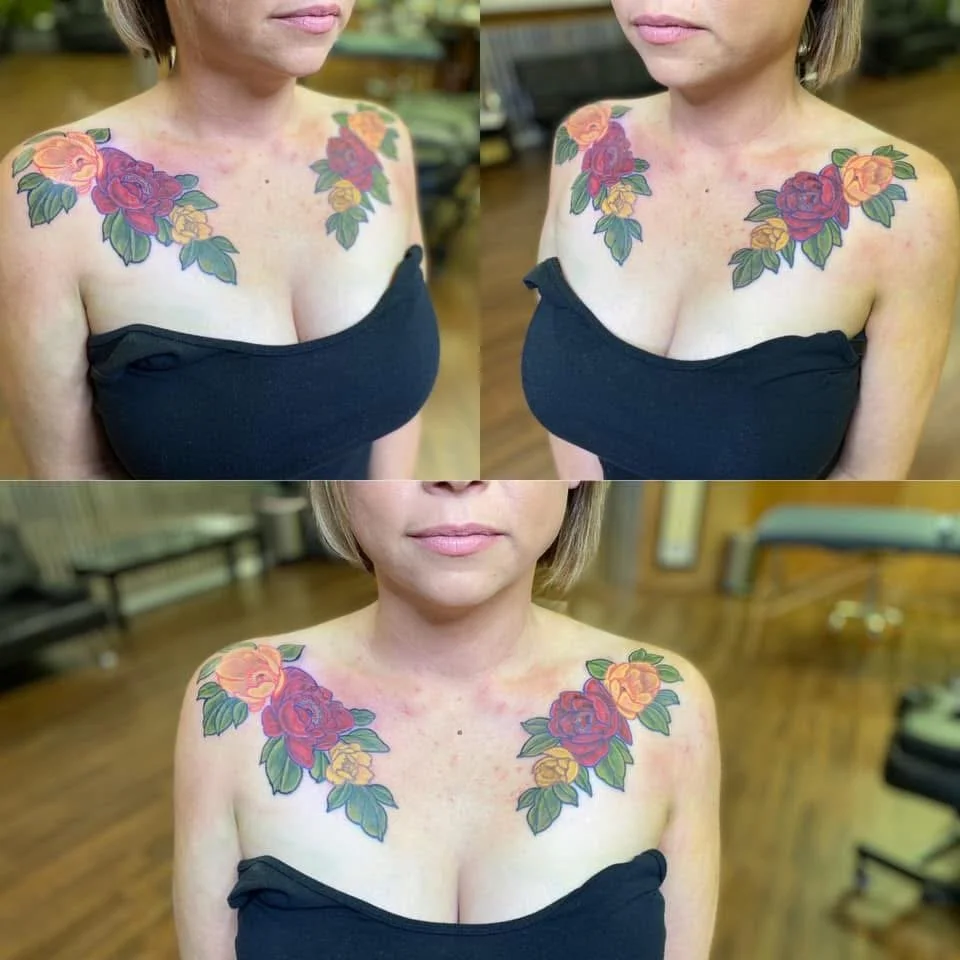
Photo courtesy https://h2oceanproteam.com/usa/jacobs-hanks/
A person may dislike a particular part of their body, Hanks said, even though nobody else sees the flaw the person sees in the mirror. A carefully designed tattoo can follow the body's natural curvature, drawing attention not away from that area but directly toward it — transforming an insecurity into something the person is proud to display.
“We can accentuate the curvature of their body with a very beautiful piece of art,” Hanks said.
The result can change the way someone carries themselves.
“It’s magic what a tattoo does for someone,” he said. “The ink tells your story and how you want to be perceived.”
Hanks has seen an even more dramatic version of that transformation when repairing or covering old tattoos.
Someone who spent years hiding an unwanted or poorly executed tattoo under clothing can suddenly wear a normal shirt again without thinking about it. Hanks said clients have returned to thank him for giving them that freedom.
In those cases, the tattoo doesn't hide the body.
It gives part of it back.
More Personal Than Transactional
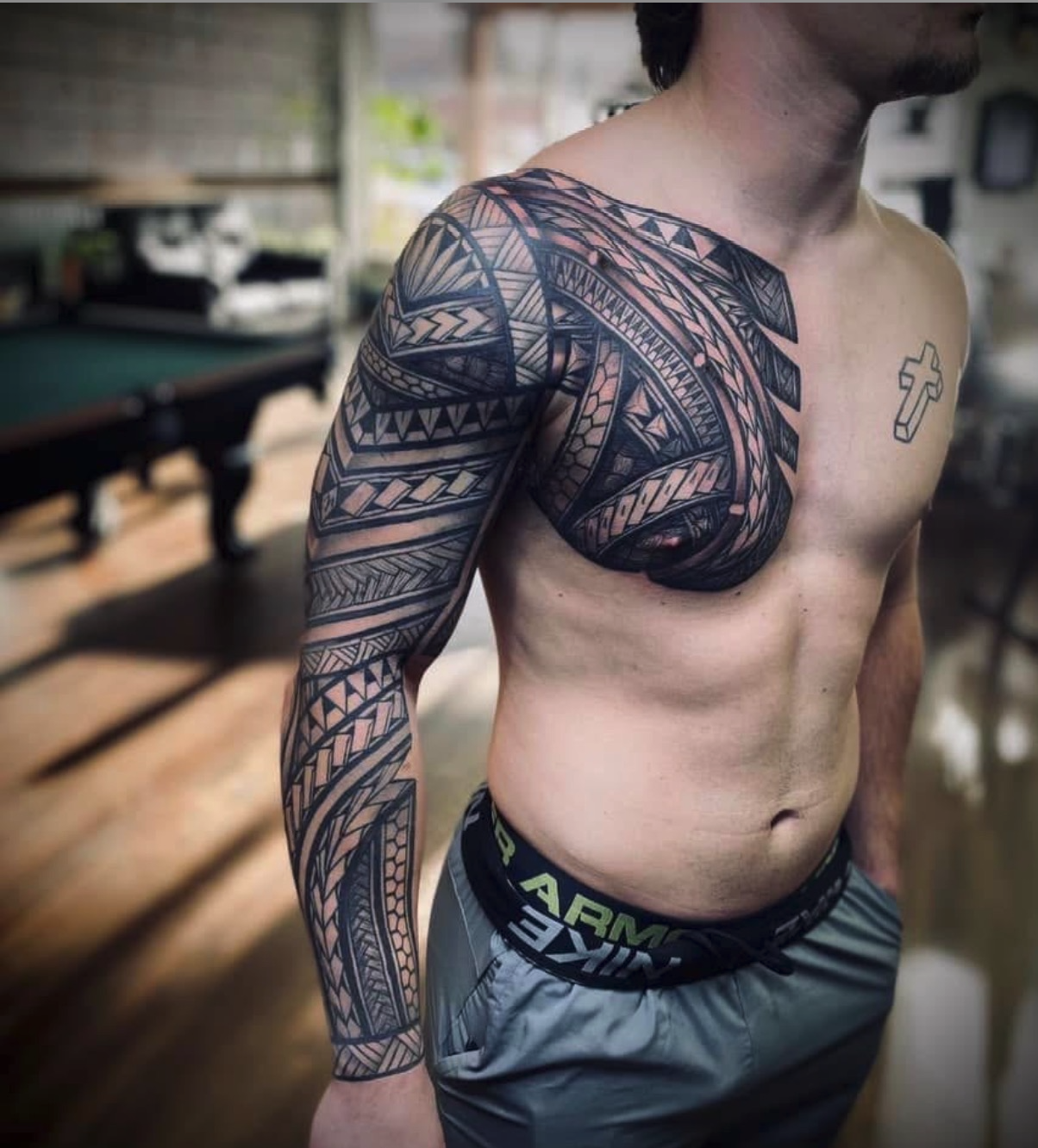
Hanks said he doesn't have a favorite style of tattoo.
In fact, he deliberately tries not to think that way.
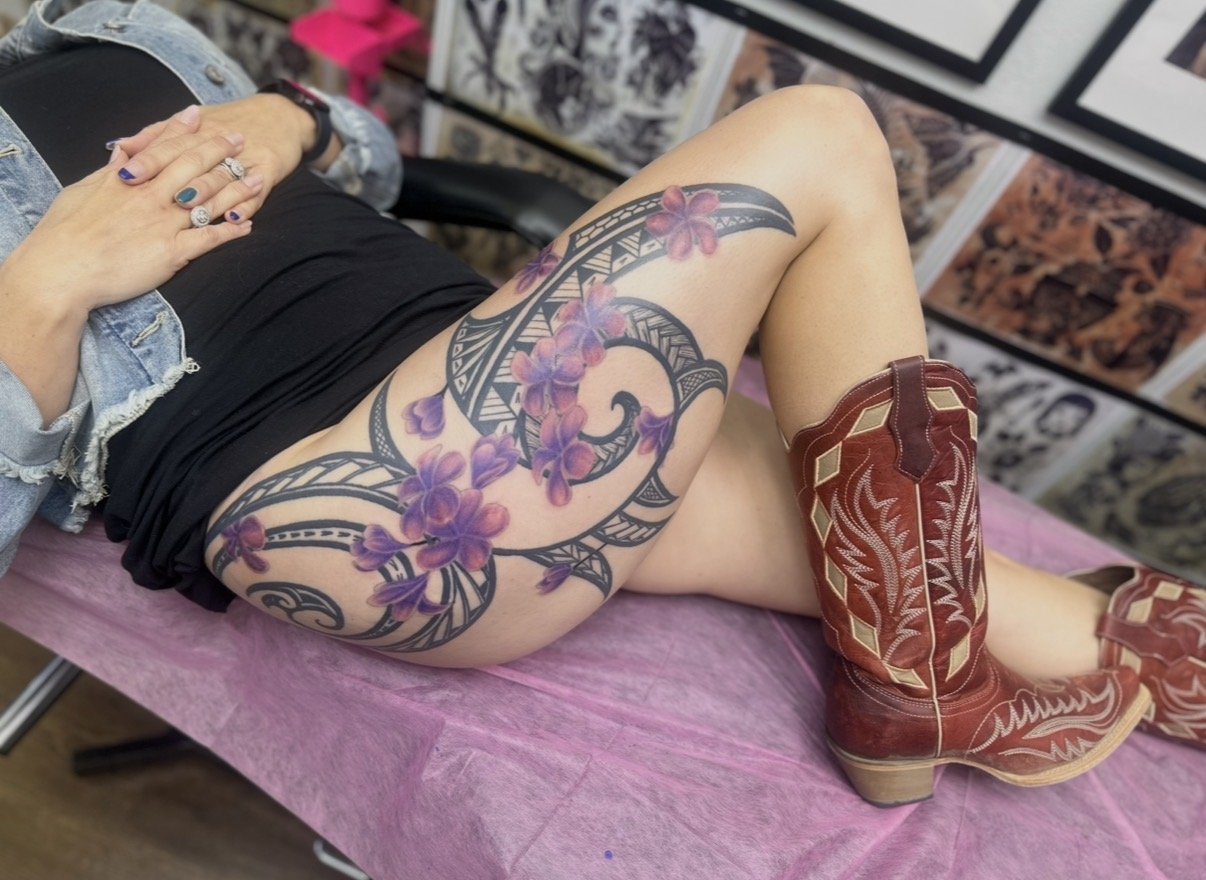
Photo courtesy https://h2oceanproteam.com/usa/jacobs-hanks/
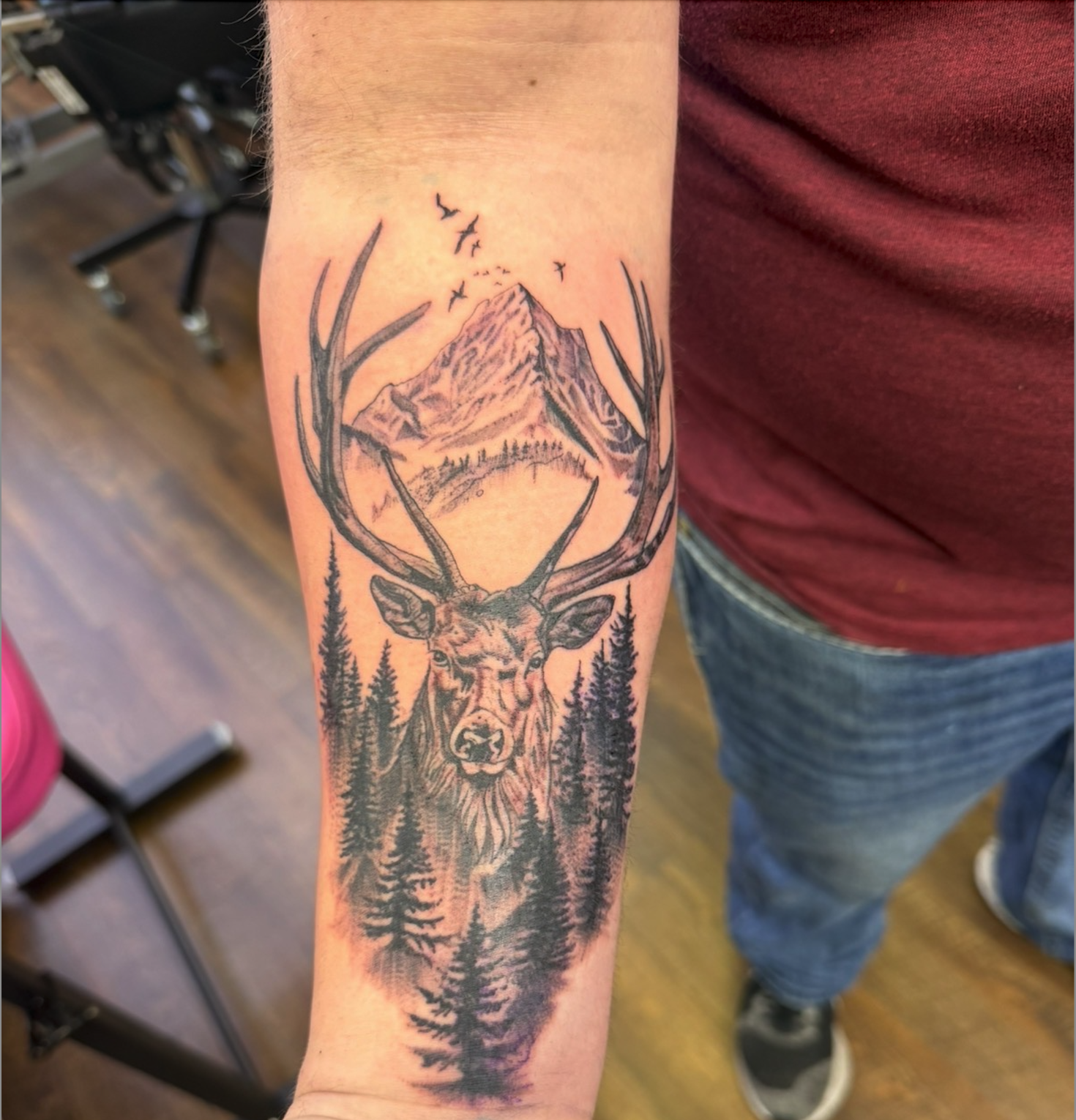
If a client wants an image Hanks himself wouldn't wear, he doesn't want his personal taste — or any negative judgment attached to it — entering the work.
“I’m here to make you happy and to make a nice tattoo for you,” he said.
That also means he doesn't view himself as a salesman.
“I don’t sell tattoos,” Hanks said. “I don’t want to sell someone a tattoo.”
He generally prefers appointments because they give clients time to think about what they are doing. Designs can change, even at the last minute, but he wants the person in the chair to be sure.
His role, he said, is to “make their dreams a reality” and bring their ideas to life.
Jacob will see you now
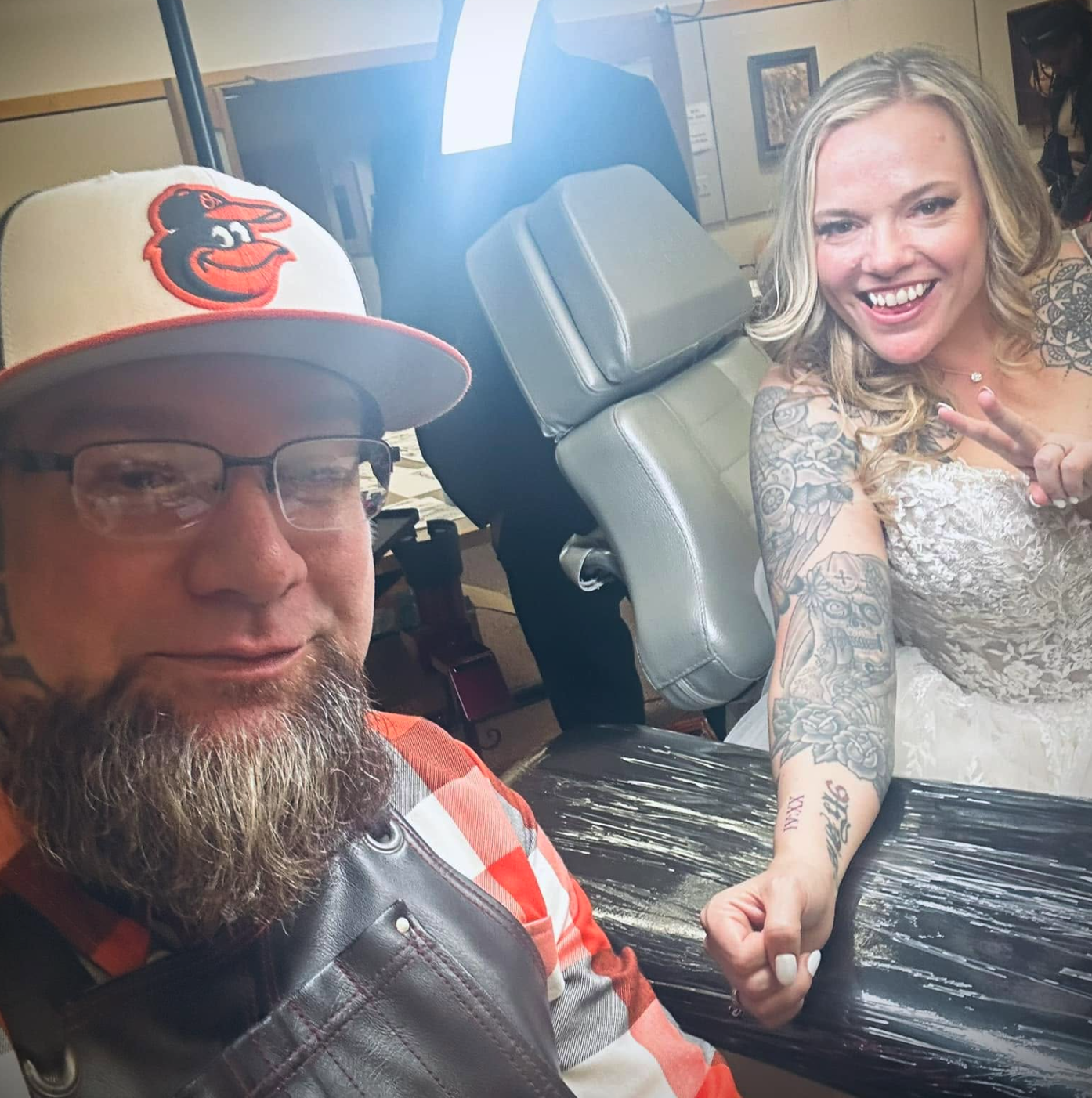
And once someone gets into the chair, another part of the job begins.
Tattoo sessions can last hours, and Hanks said they sometimes begin to resemble therapy sessions. Clients talk about their families, relationships, losses, bad days and the stories behind the images being placed on their bodies.
Hanks listens.
He also talks when needed, particularly if conversation helps distract someone from the pain, but he tries to keep the focus on the client. After tattooing multiple members of the same families over the years, he has accumulated plenty of personal stories — stories he considers confidential.
“Secrets are safe with me,” he said.
It fits with an artist who describes tattooing less as a transaction than an act of service.
Hanks’ Cascade Tattoo Company with studios also in Goldndale and Hood River was voted Best of the Gorge in 2025, said he has been fortunate to remain busy for decades. At his new Lincoln Street location, it will primarily be Hanks tattooing, although the additional rooms may allow occasional guest artists.
He generally works by appointment but will take walk-ins when possible, stay late or come in on a day off when circumstances allow.
There are no conventional shop hours.
After all, as Hanks put it:
“We’re pirates.”
Jacob Hanks Tattoo is now located at 409 Lincoln St., No. 6, The Dalles. Hanks primarily communicates with clients through Facebook Messenger at Facebook.com/jacobhankstattoo. You can also call (808) 255-1624