
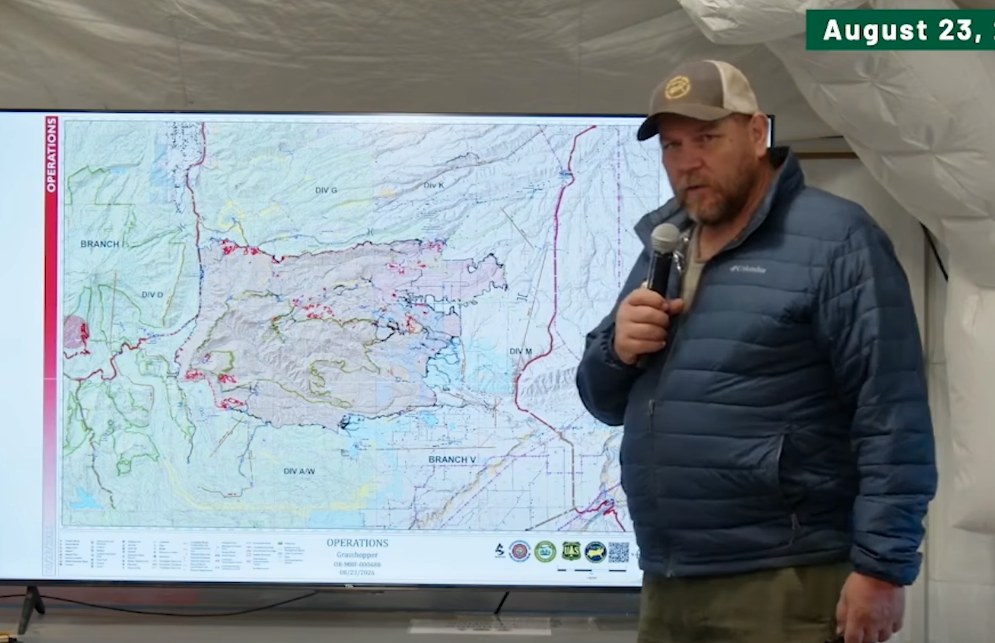
Alan Hill, operations branch director with Southern Area Team 2 gave a briefing this morning, Aug. 23, stating the “Grasshopper Fire is in really good shape.” All photos courtesy the Grasshopper Fire Facebook page.
The Dalles, Ore., Aug. 23, 2026 — Firefighters continued strengthening containment lines and targeting pockets of heat over the weekend on the Grasshopper Fire, with the most significant remaining fire activity concentrated in the southwest corner.
The fire was estimated at 93,693 acres Sunday and remained 76% contained. The number of personnel assigned to the incident declined to 1,303 Sunday from 1,487 Saturday as portions of the fire moved into rehabilitation and some Oregon State Fire Marshal resources returned to their home agencies.
“The Grasshopper Fire is in really good shape,” said Alan Hill, operations branch director with Southern Area Team 2, which has been managing the fire. “Most of the divisions at the north ... are in mop-up status.”
Hill said crews in those areas are beginning to pull back supplies and tools used during suppression and move into rehabilitation work.
Mop-up operations continued throughout the weekend, with firefighters specifically targeting remaining areas of heat and smoke.
“When I say mop-up, it means the crews are going in and really targeting those areas of heat and smoke and trying to extinguish them,” Hill said.
Some areas remain more challenging. Hill said crews continue to monitor Division Golf, where heat and heavy timber remain concerns.
The most active work is taking place in Division Alpha Whiskey in the southwest corner of the fire. Hill said crews worked Saturday to contain fire activity near the top of the mountain, where heavy dead and downed fuels are creating difficult conditions.
“They have worked extremely hard to put in suppression lines,” Hill said.
Crews are also working in a creek drainage leading toward Boulder Creek, installing additional fireline and using the drainage and existing features to help suppress the fire.
A containment line created through tethered logging also remains an important part of the strategy. The line runs from east to west and is expected to serve as a primary suppression line if the fire continues moving south.
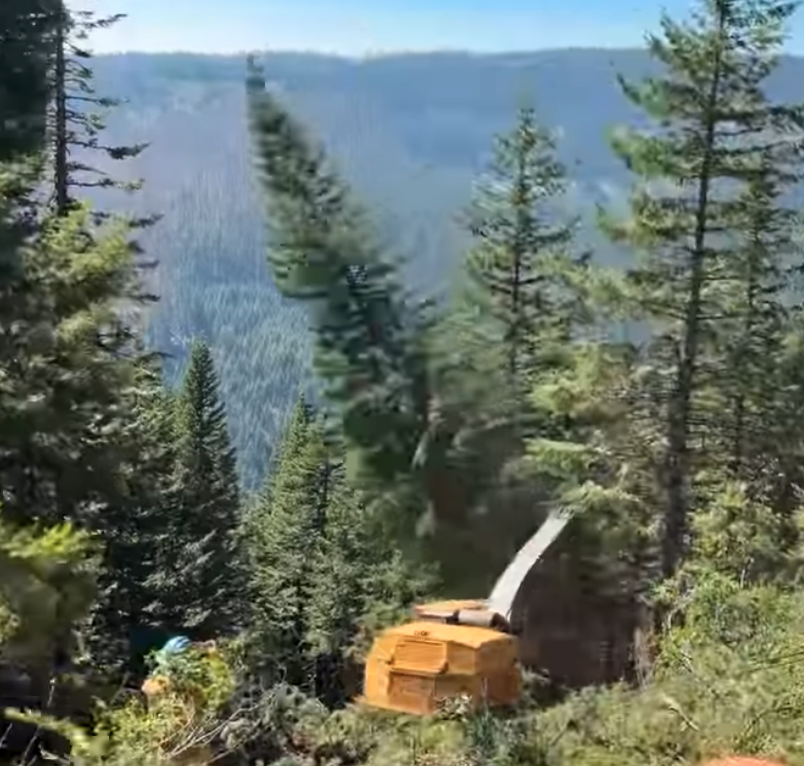
The logging operation used cables to log trees in steep terrain where conditions were unsafe for firefighters to enter on foot. The resulting cleared line provides firefighters with a stronger barrier between the active fire and areas farther south.
Aircraft also dropped water and retardant over the weekend to cool portions of the fire, particularly along the southwest edge, while crews continued strengthening the perimeter.
Sunday's weather forecast called for elevated fire danger as a cold front moved through the region, bringing light, gusty winds to an already warm and dry fire area. Winds were expected to reach 10 mph, with gusts up to 15 mph on ridgetops along the northern and southern perimeters.
Smoke was expected to remain visible in communities east and southeast of the fire as winds pushed smoke away from the fire area.
Southern Area Team 2 was scheduled to transition management of the Grasshopper Fire to Great Basin Team 4. The transition is expected to bring new incident leadership while maintaining the suppression strategy already in place.
“You will see new leadership on the fire, but we expect the same type of professionalism,” Hill said.
Logging and chipping operations along Highway 35 are continuing, with chipping expected to be completed during the coming week. Crews are also continuing suppression repairs along the fire boundary and installing a sprinkler system along portions of the southwest containment lines to increase humidity and strengthen the constructed line.
Hood River and Wasco counties continue to have evacuation notices ranging from Level 1, Be Ready, to Level 3, Go. Residents should check current county evacuation information before traveling into affected areas.
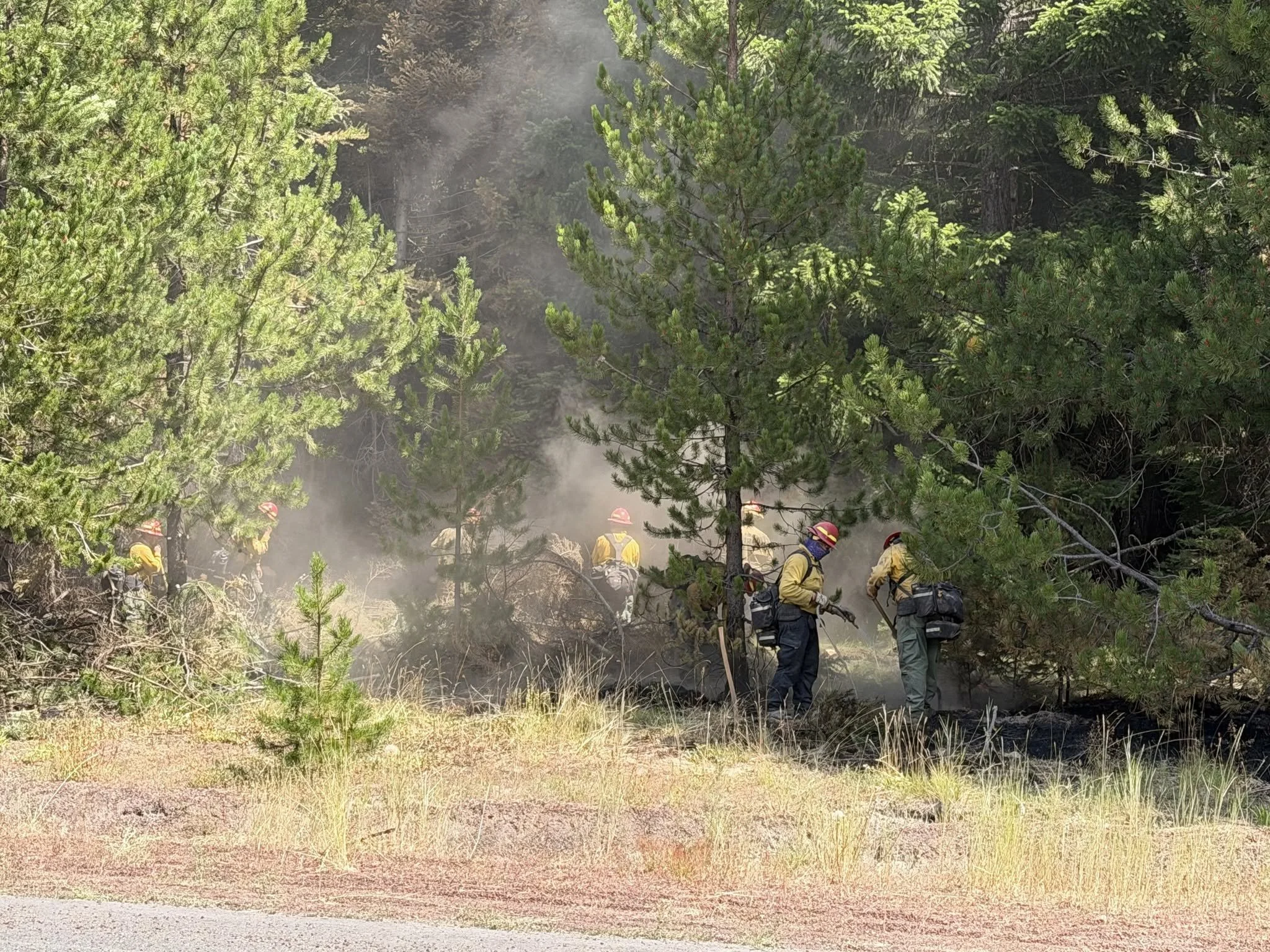
Highway 35 remains an active work zone, with firefighters, heavy equipment and emergency personnel working along the roadway. Drivers are urged to slow down, remain alert and follow directions from crews.