
Inside the Grasshopper Fire Camp
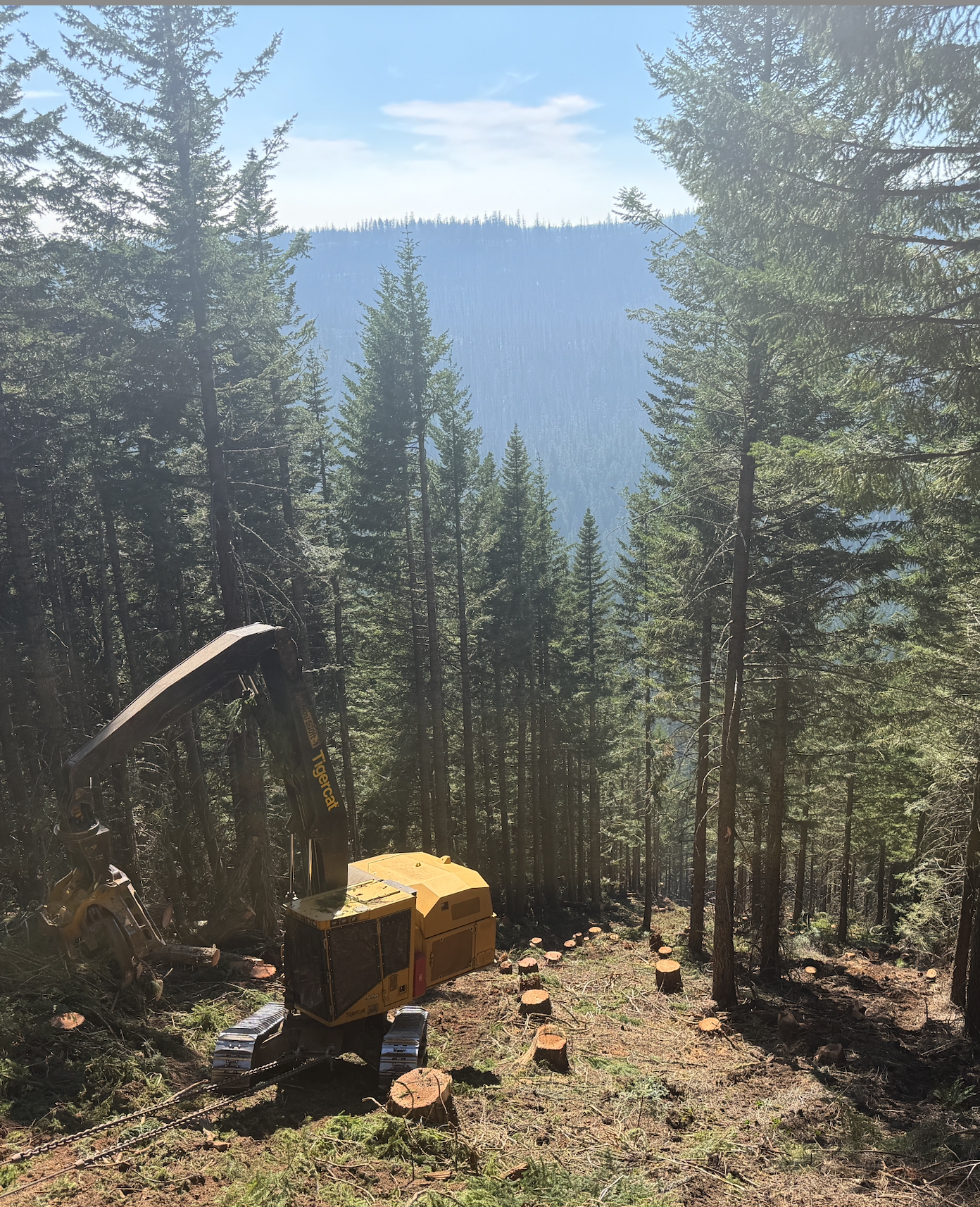
Clearing a fire break on the Grasshopper fire late last week.
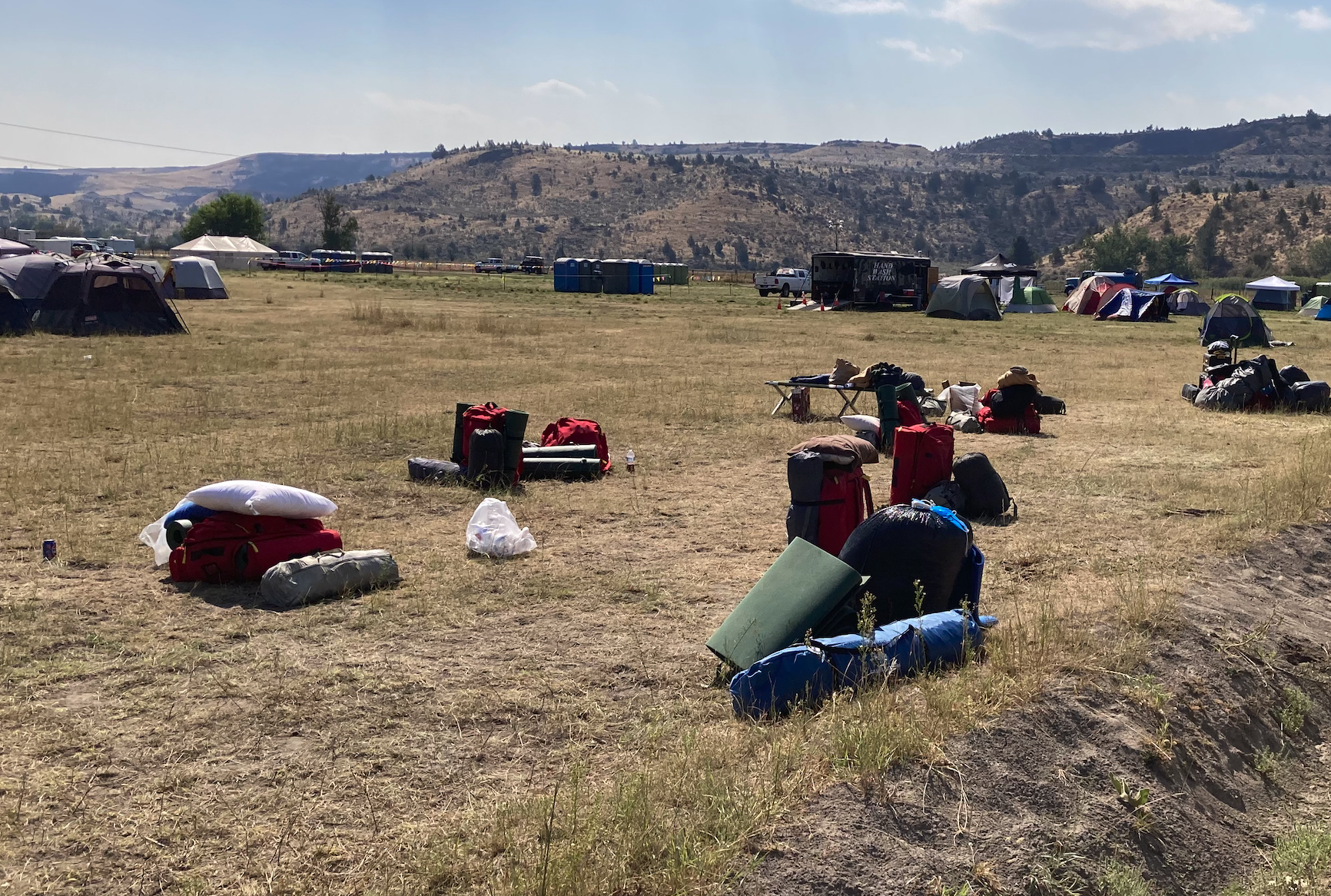
The Grasshopper Fire Camp had a major transition from Tygh Valley to Mt. Hood Meadows. Breaking camp and moving hundreds of personnel to continue their efforts to stem the blaze. Here, Personal belongings and tents of Firefighters, on Aug. 27.
Story and photos by Aaron Girdham
The Dalles, Ore., Sept. 2, 2026 — By mid-August, approximately 1,800 personnel were fighting the expansive Grasshopper Fire at its peak. At least 500 crew members have steadily remained on the incident throughout much of the fire.
The logistics of fighting a blaze safely in an effort to save the region from structural, recreational and agricultural loss are immense.
“It takes a lot to accommodate firefighters and the support teams,” said Gina Knudson, public information coordinator for the Grasshopper Fire.
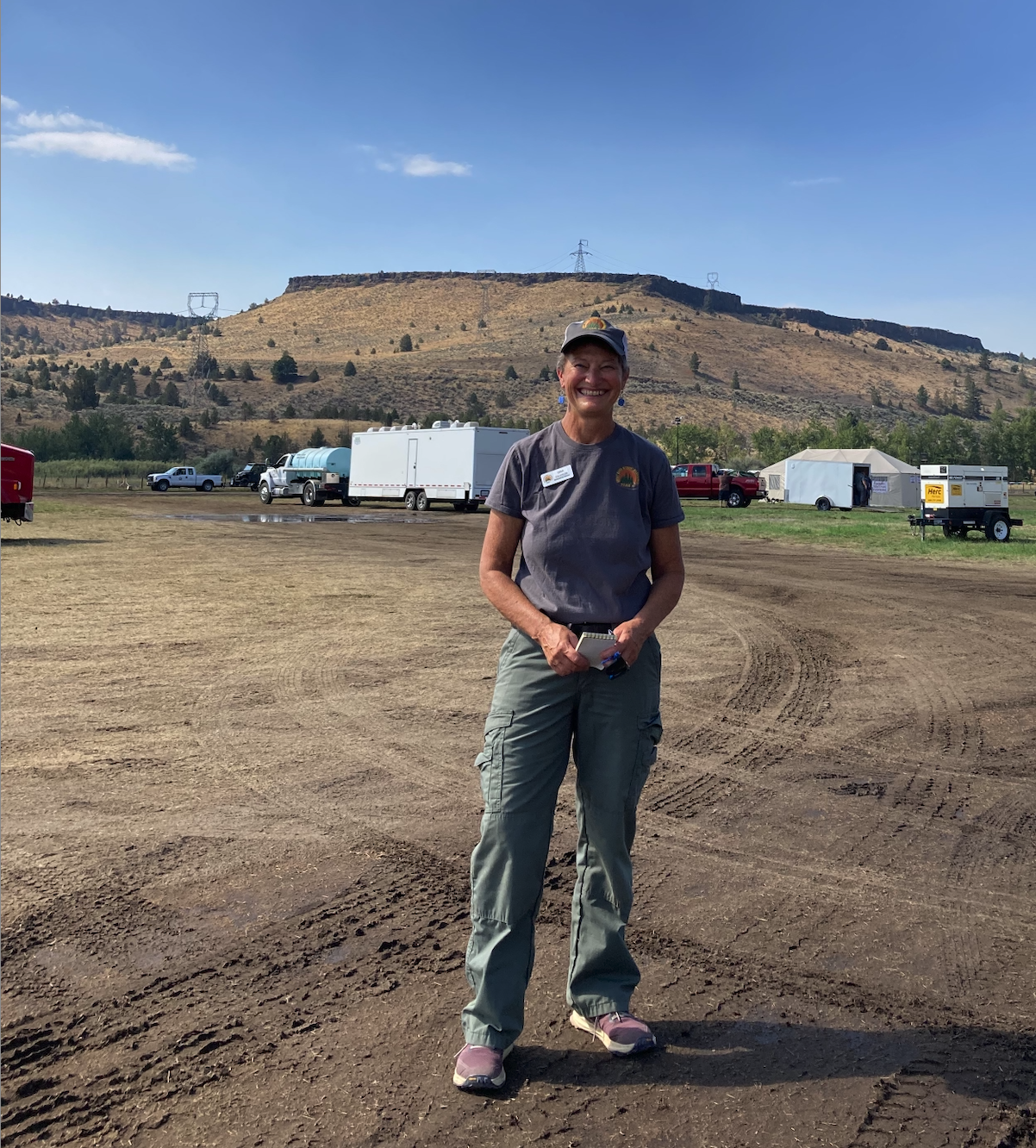
Gina Knudson, public information coordinator at the Grasshopper Fire camp on Fred Ashley Road outside Tygh Valley.
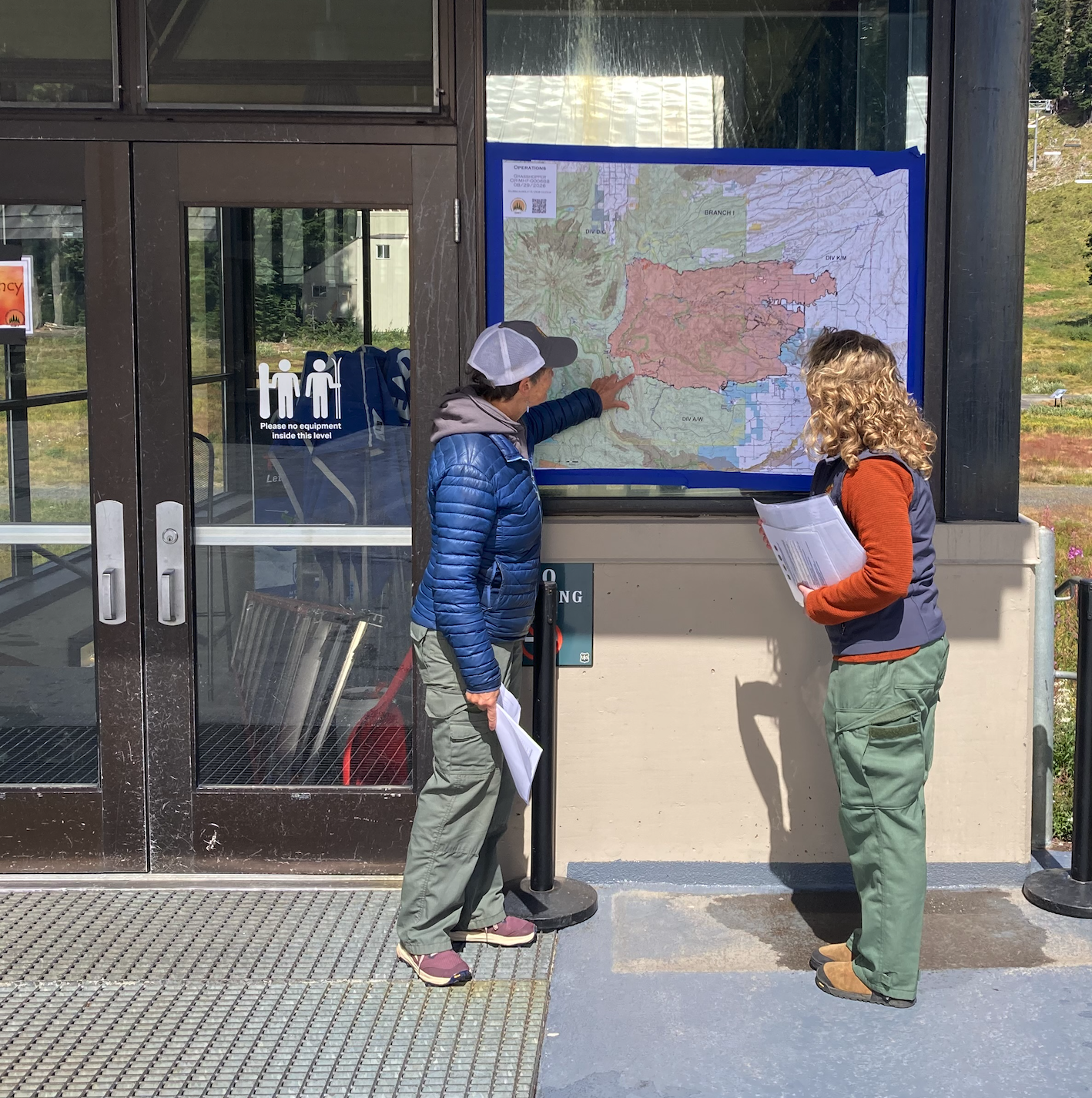
Public Information Coordinators reviewing fire maps in their daily preparation.
At the peak of the severe wildfire season, more than 60% of the nation’s wildland firefighting resources — including specialized crews, engines and aircraft — were deployed to the Pacific Northwest, Knudson said.
Supporting an operation of that scale comes at a considerable cost. Knudson estimated the cost of supporting fire operations at more than $90 million for a month.
Knudson compared the fire camp to a small town.
On Thursday, Aug. 27, as we walked through the camp, the fire was 80% contained. It was a transition day. The Grasshopper Fire camp was made up of yurts, tents, campers, trailers and mobile and manufactured homes sprawled within walls of vehicles at the field camp on Fred Ashley Road outside Tygh Valley.
It would all soon become a noisy caravan of trucks and heavy equipment headed to Mount Hood Meadows the next morning.
Teenagers from the California Conservation Corps moved along small paths, doing cleanup jobs before the big pack-up. Night-shift firefighters slept soundly through the steady hum of semi-truck engines and generators.
It was 11 a.m. and already 90 degrees.
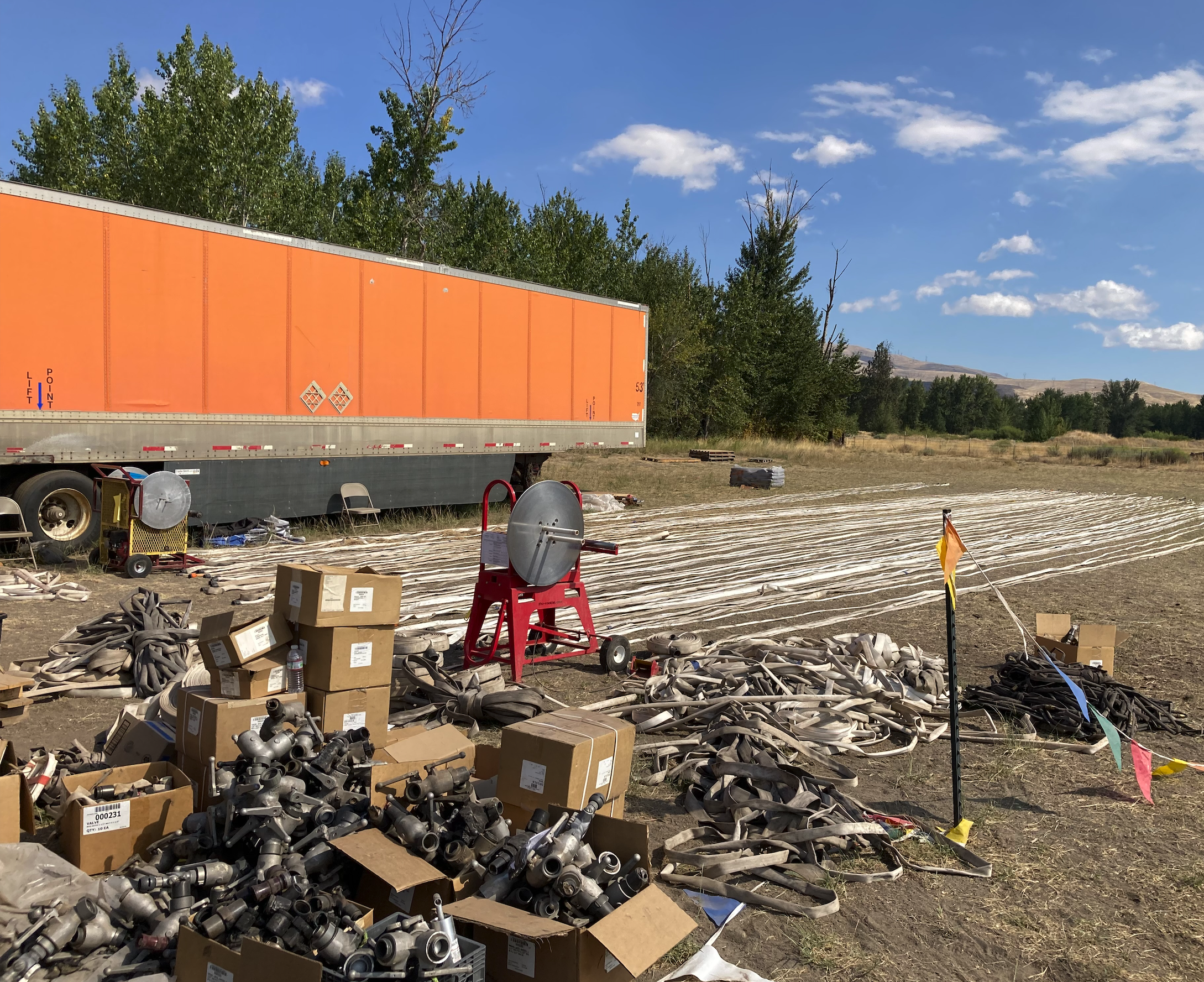
Hose Rolling station provides plenty of exercise for the California Conservation Corps.
Fire camps operate with almost military efficiency. Authority follows a tiered structure, with the incident commander ultimately responsible for overseeing the fire. Incident commanders typically have decades of experience in wildfire operations.
Below the incident commander are command and general staff. That includes a deputy incident commander, a liaison team that works with local authorities, logistics personnel, medical personnel, mapping specialists, resource advisers and local forest rangers.
Firefighters arrive in teams for two-week rotations. The first team assigned to the Grasshopper Fire came from California. The second came from Southern states and was accompanied by firefighters from Australia and New Zealand. The current team is from the Great Basin.
Other personnel supporting firefighters include private contractors. Knudson estimated the ratio of firefighters to support personnel at roughly 60% to 40%.
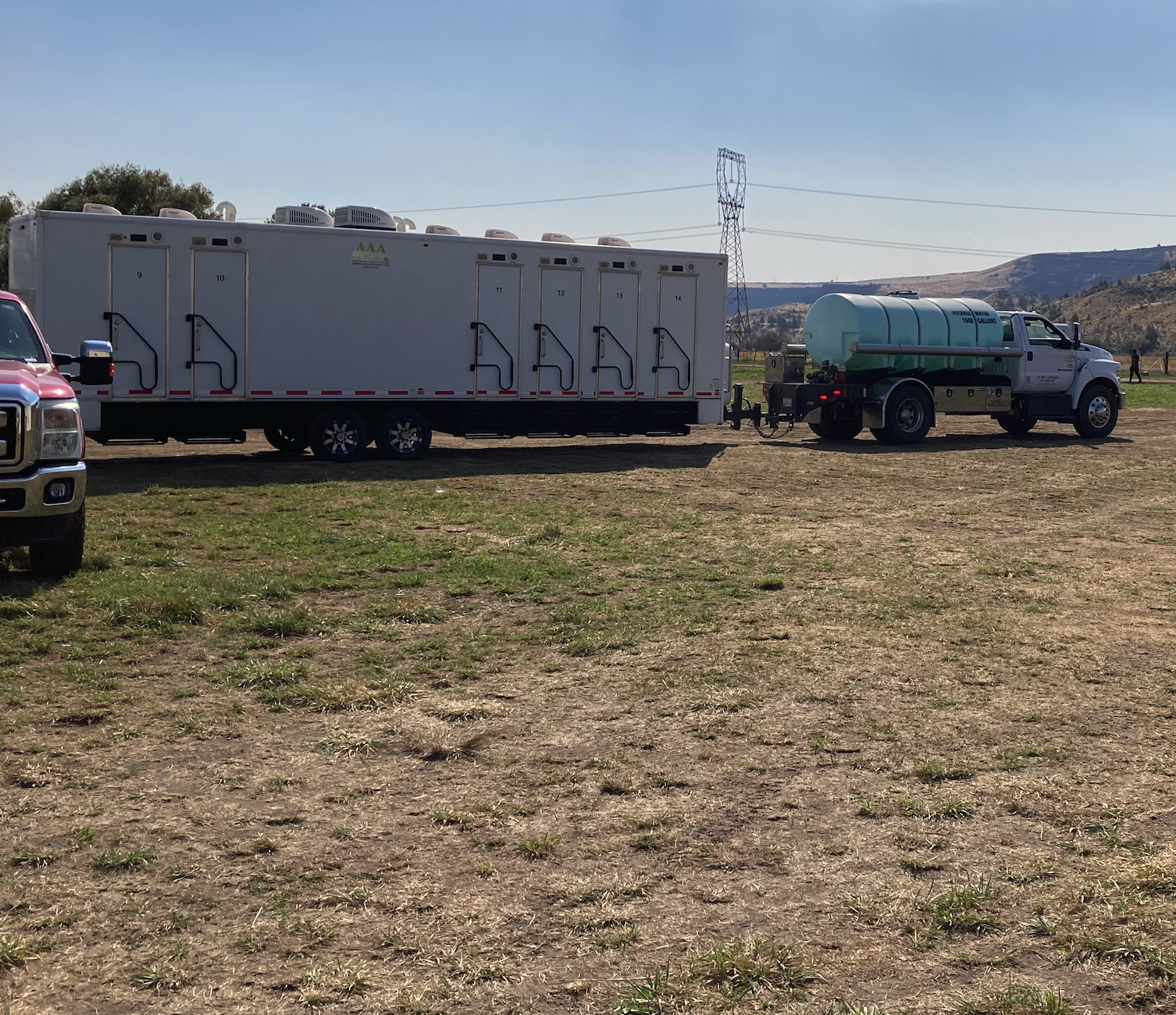
Portable showers provide a welcome clean up for firefighters after a long shift.
Each person entering or leaving camp must check in with command, and personnel arriving at or leaving an assignment go through a demobilization process. Security personnel track every person and physical resource assigned to the fire.
Vehicles are inspected when they arrive at an incident and again when they leave, both for safety and insurance purposes. Camp entrances are blocked off each night for firefighter safety.
Each morning at 7 a.m., the incident commander gives a full camp briefing.
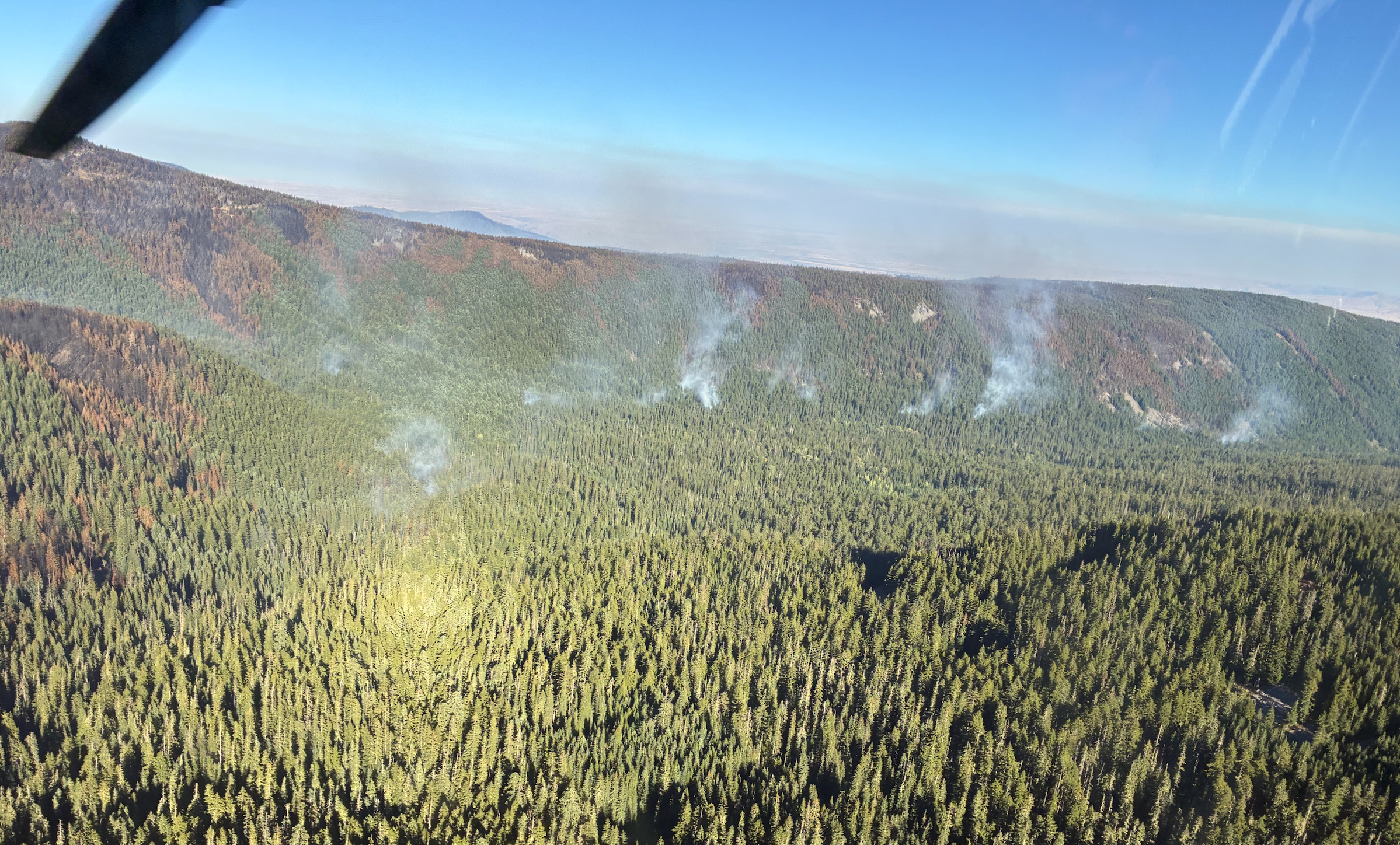
Flight reconaisance reveals multiple hot spots in the Mt. Hood National Forest.
By Saturday, Aug. 29, the Grasshopper Fire was 81% contained, with flames still creating problems on the far western edge of the fire in the Mount Hood National Forest.
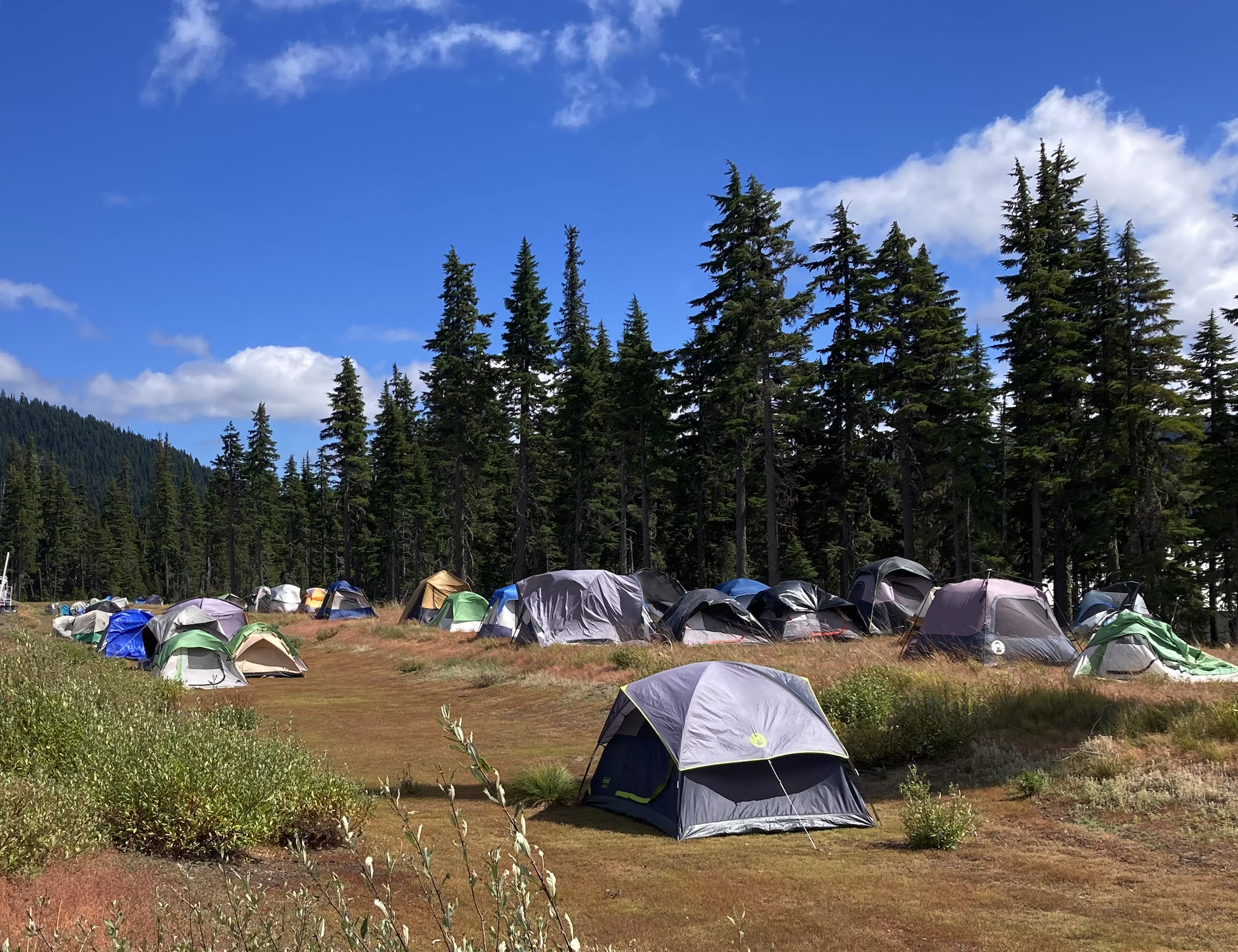
Firefighters and personnel had reset their tents at Mt. Hood Meadows on Aug. 29.
Tents were huddled together or being hurled across the Mount Hood Meadows parking lots by the wind.
It was 11:30 a.m. and 50 degrees.
Earlier that morning, a map had blown off the bulletin board at the briefing area. Near the food unit, the bulletin board itself had blown down.
Rain clouds had opened over Mount Hood, which loomed overhead.
Nobody was visible in the parking lots. Security guards sat in their vehicles with the heat turned high.
“Meadows had their summer operations interrupted, so housing the fire camp creates further revenue for the establishment,” Knudson said.
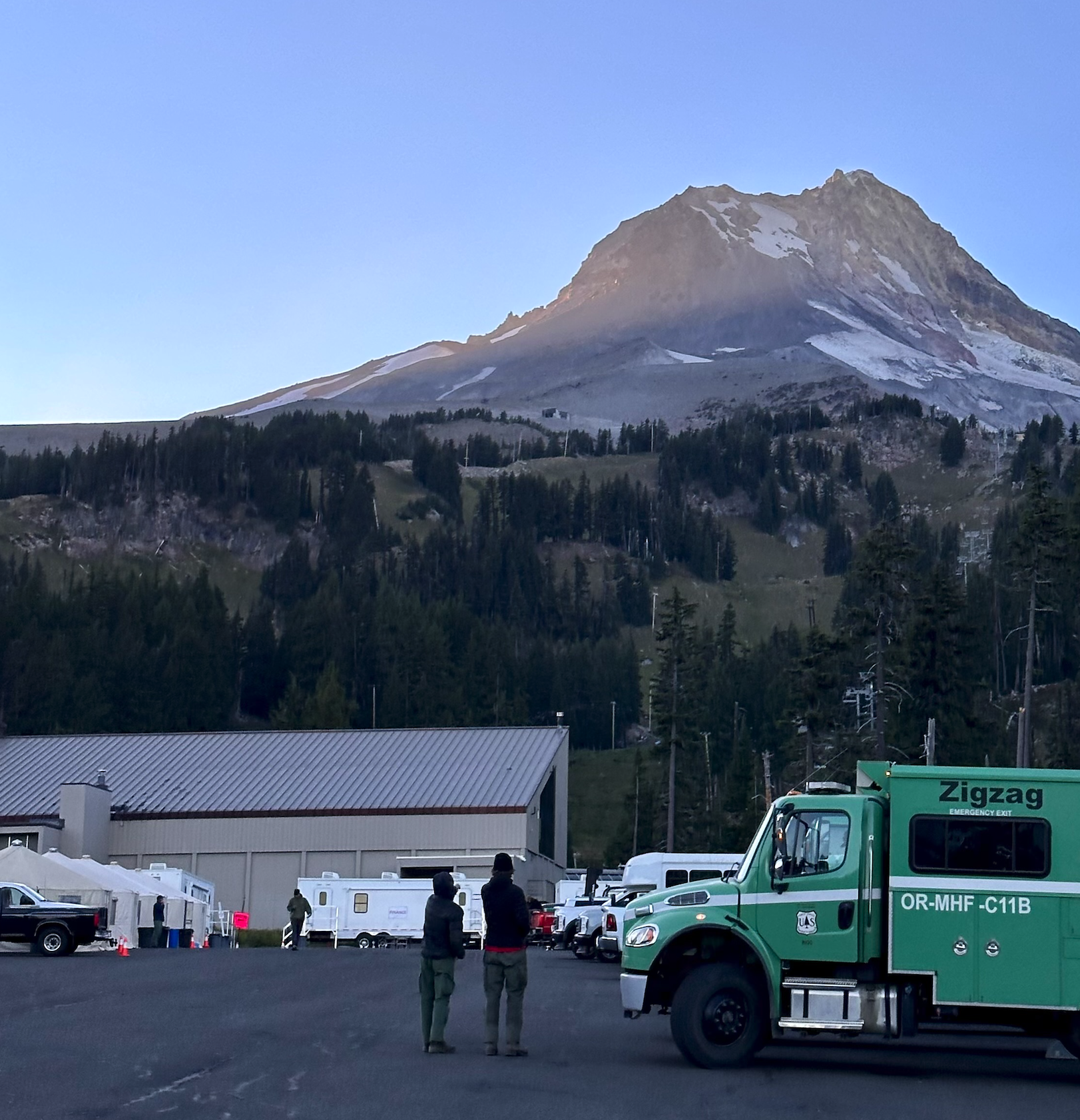
Local hotshots from Zigzag were present at the Mt. Hood Meadows fire camp.
Day- and night-shift crews were split roughly evenly among the firefighters at the camps.
“It is not uncommon for a lot of the people on the job to be working 16-hour shifts. We all push ourselves. Some people really thrive on that, but everyone does have a limit,” Knudson said.
“Taking your needed break is really important around here. There is a reason for the schedule we are on: 14 days in the field, then three days of rest. As a community member, the community shouldn’t want us to work months of 16-hour days, coming back to work and life with full responsibilities. So breaks are very necessary.
“When someone is exhausted and needs to quit, that gives command a hard responsibility as well, because we then have to find a replacement as soon as possible, if we can find a replacement.”
Portable sleepers offering up to 44 bunks in semi-trailers were brought in to provide dark, quiet sleeping environments protected from the elements. Insulated cooling yurts were delivered for periods of hot weather.
Portable shower units were available whenever firefighters needed them. Large national catering companies specializing in natural disasters and emergencies shipped food to the camp in generous portions. A laundry tent also stayed open late for personnel working extended shifts.
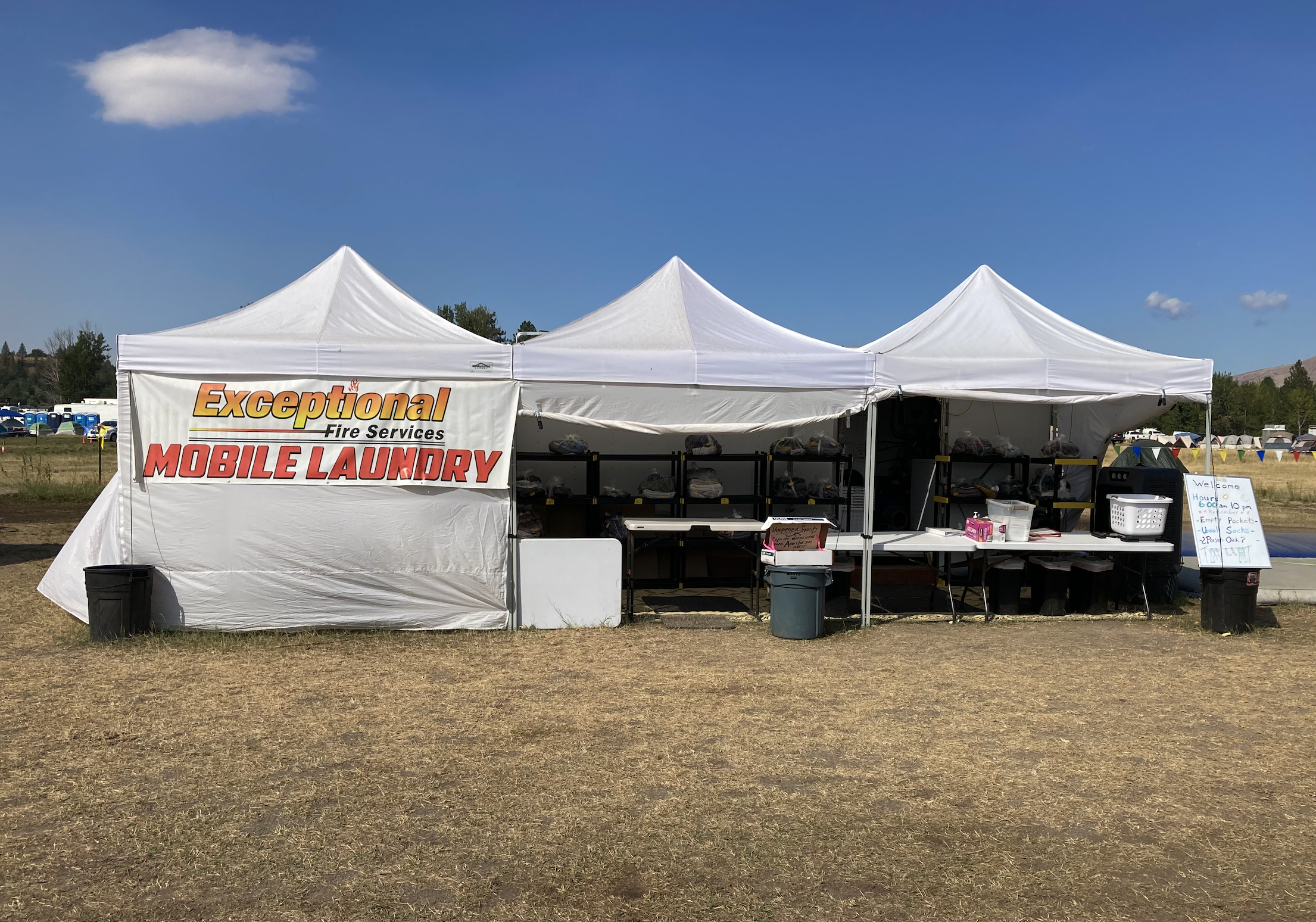
“The laundry is very important because research has started to show that fire retardant can be harmful to humans, so protecting the fighters by washing their clothes is necessary,” Knudson said.
Emily and Scott run the medical camper at both camps after arriving from a fire in California.
Scott has worked in disaster response for the past six years, including fires, hurricanes and in downtown New York during the COVID-19 pandemic. Emily works the rest of the year as an emergency room nurse.
“The majority of the cases we deal with are colds, allergies and foot care,” they said. “Heat exhaustion is also a problem in extreme heat, then poison oak and ivy are a problem in this forest. Normal hydration needs to be doubled when the fighters overwork themselves.
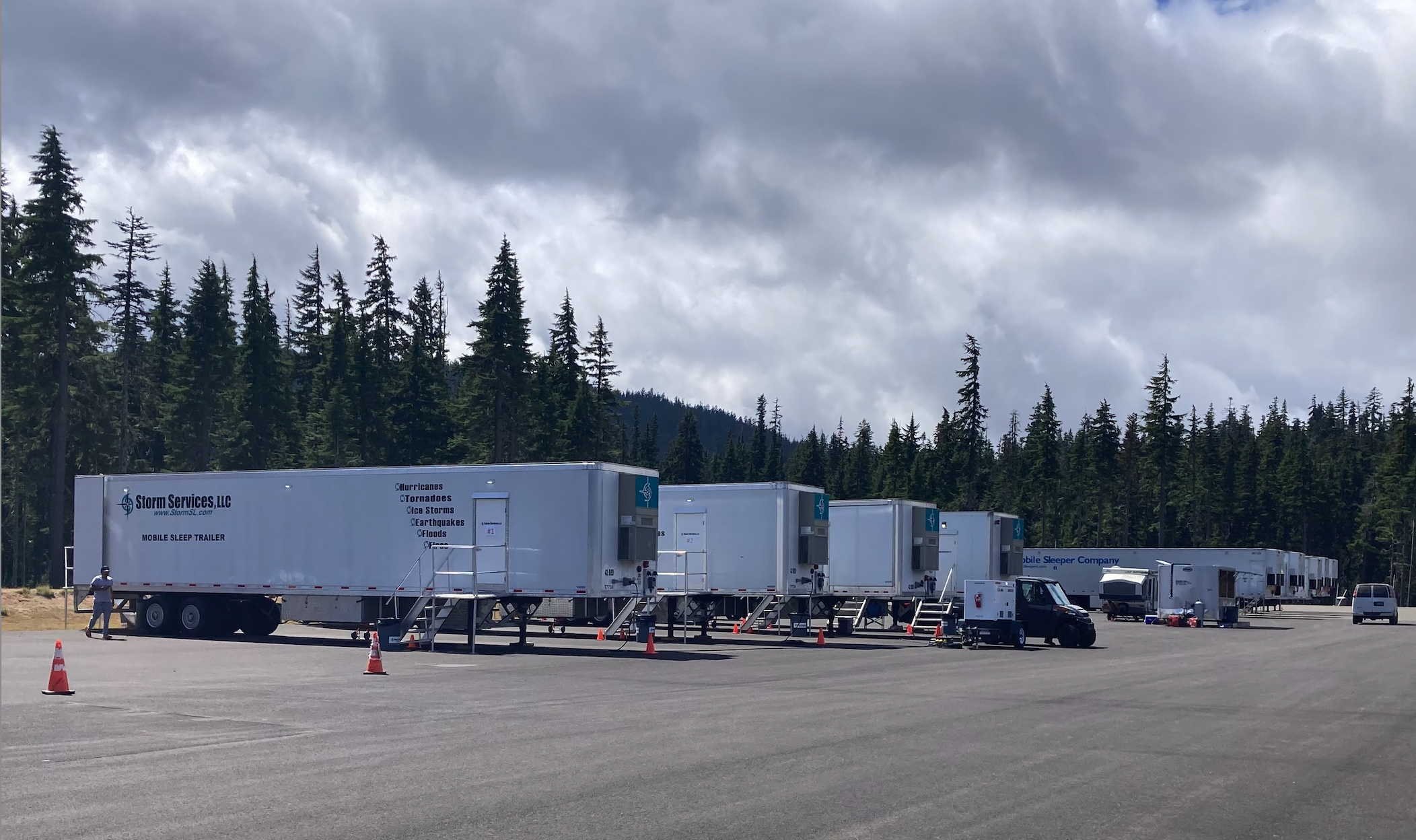
Rows of portable sleepers in the cold parking lot of Mt Hood Meadows. Each one of these trailers can sleep up to 44 firefighters.
“Our main focus is to keep the personnel on the job and to keep them in peak shape. We mostly send out supplies daily — people who need cold medicine, toothpaste, saline solutions and other basic needs.
“Patient reports say that we have had about 175 cases in total for this year and really have only had to send about six people home. All we do is travel the U.S. to different emergencies. We work for Tri-County Ambulance based out of Indiana.
“We enjoy this job so much. It’s exhausting as an ER nurse when people are not kind to you, but everyone here is so vocal about their gratitude, and I love talking to people about where they are from.”
Knudson said the ultimate goal of everyone at camp is straightforward: Make the camp unnecessary.
“With this, we try to work ourselves out of a job. The sooner the fire is eliminated, the better,” she said.
“As a public information officer, I love my job. I’ve been doing this for about five years and was with the Forest Service before that. This is very gratifying — to help communities who have experienced real trauma facing wildfires, listening to them, providing information for them and helping them understand what’s going on is very meaningful work.”