
‘People Are Terrified’: Hood River Council Acts Amid Outcry Over ICE Enforcement
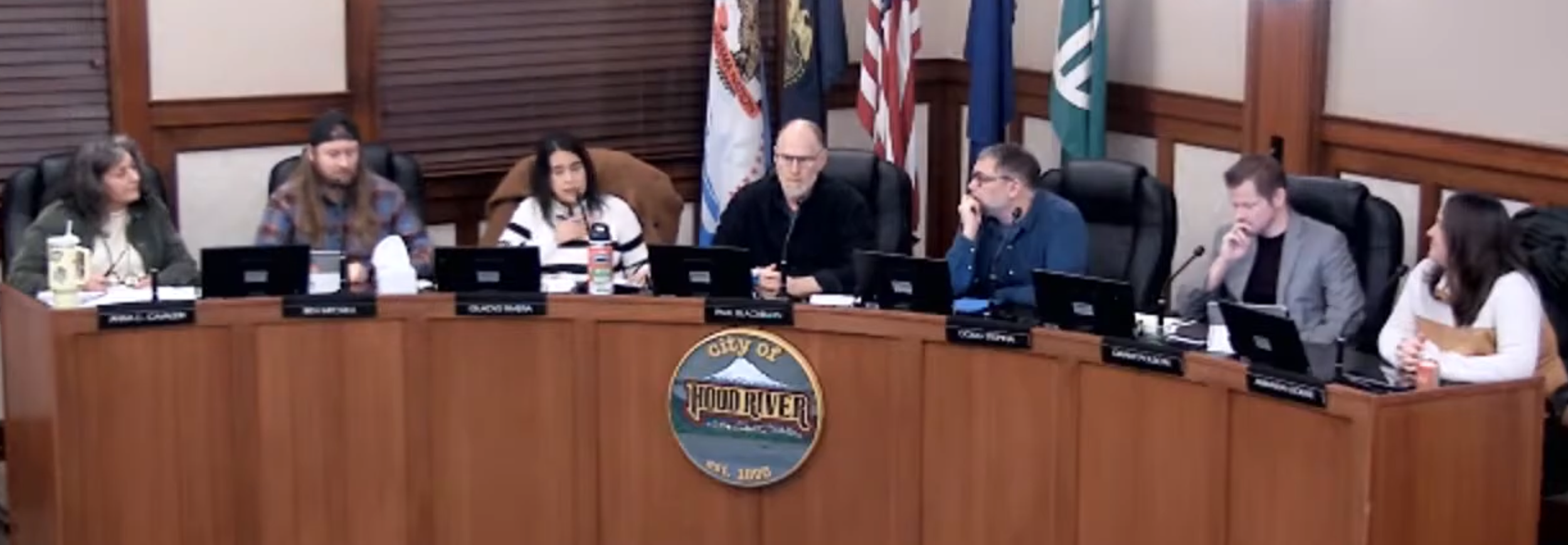
Right to Left: Hood River City Councilors Anna Cavaleri, Ben Mitchell, Gladys Rivera, Mayor Paul Blackburn, Councilors Doug Stepina, Grant Poulson and Amanda Goeke.
Hood River, Ore., Jan. 12, 2026 — The City of Hood River City Council voted Monday to declare Hood River a sanctuary city, approving a resolution after residents urged leaders to respond to what they described as escalating federal immigration enforcement activity and growing fear in the community.
The meeting comes afer 37-year-old Renee Nicole Good was killed by an ICE agent on January 7, 2026, in Minneapolis, where she was in her vehicle. A video which many say clearly shows and unethical use of force as an ICE agent fired on the woman point blank through her vehicle window sparked widespread protests and debate over the agent's use of force.
The vote followed hours of emotional public testimony and council discussion. Mayor Paul Blackburn presided over the meeting as councilors weighed both the symbolic value of the designation and the limits of what the city can legally do. And it also came at the same time that City Councilors in The Dalles on Monday also adopted a resolution acknowledging the impact with heightened federal immigration enforcement.
Hood River Councilors ratified the city manager’s declaration of emergency tied to increased federal immigration enforcement in the Hood River area. The emergency declaration, originally issued Dec. 12, 2025, authorizes the city manager to take lawful actions to mitigate impacts, directs continued work with The Next Door Inc. to hold listening sessions, and requires training for city employees on Oregon’s Sanctuary Promise Law and how to respond to federal requests for access to city facilities or records. The declaration expires Feb. 12, 2026.
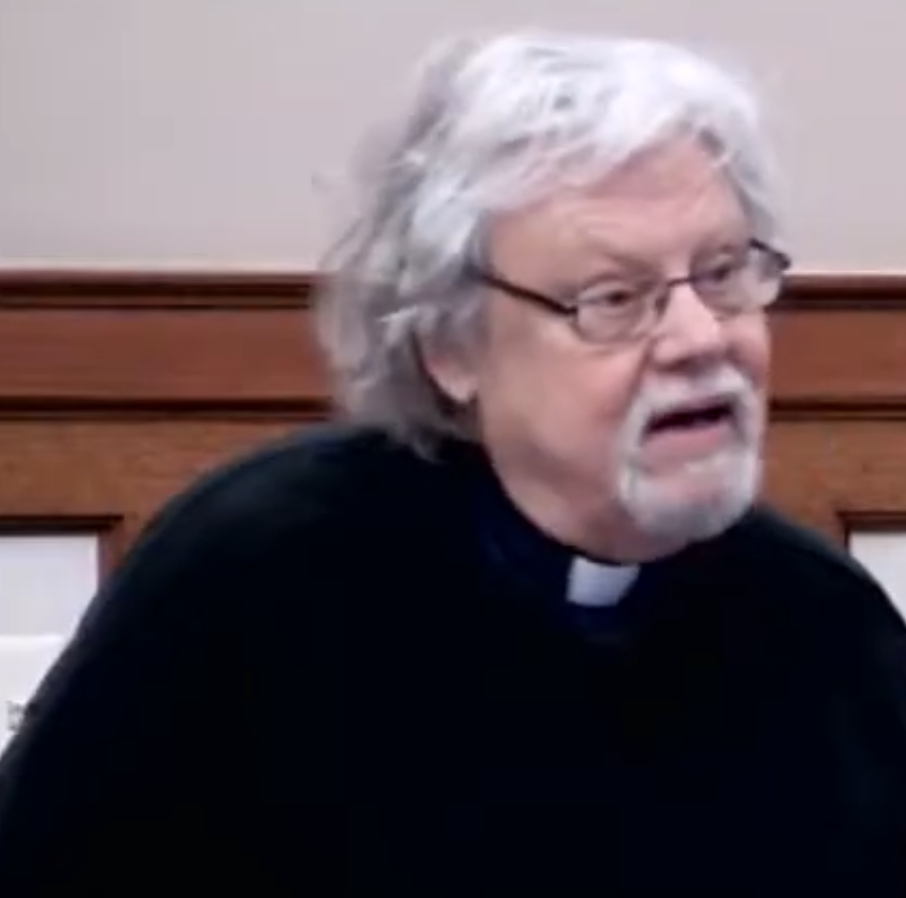
John Boonstra
During public comment, 15 speakers described fear affecting families, children and access to daily necessities.
Among the first speakers, John Boonstra told councilors that listening alone was insufficient. “While listening to stories may deepen our collective intelligence, it’s only the beginning,” Boonstra said. He urged the city to develop concrete responses to what he described as “debilitating traumas” and to counter the “undermining of basic safety and security by ICE.”
“It’s time for us to create a public story of sanctuary that will define us and become part of our legacy,” he said, calling on the council to move urgently and use local resources to meet immediate needs.
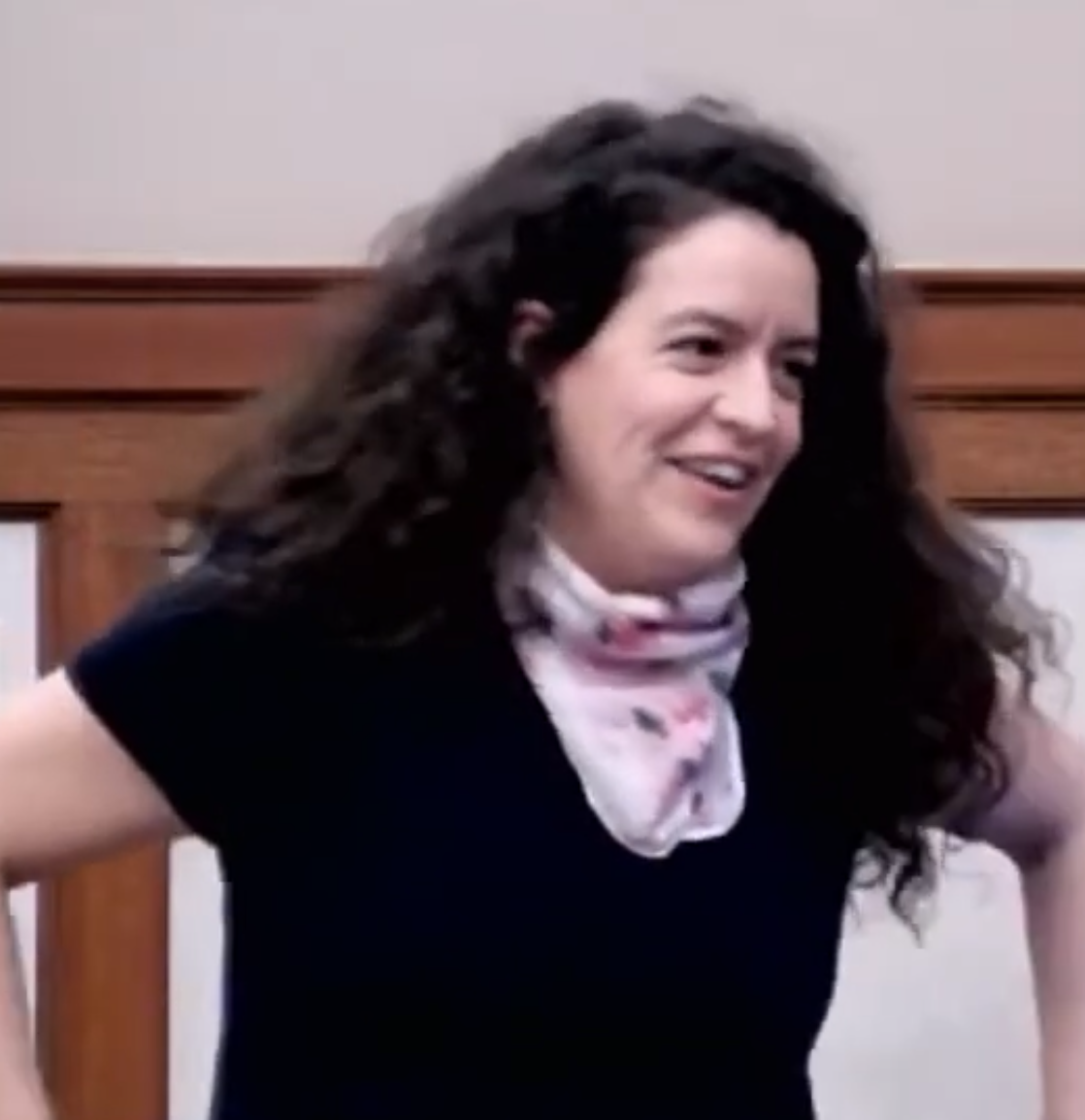
Morella Mora
Morella Mora, a Venezuelan immigrant and member of the White Salmon City Council, told Hood River leaders that “ICE continues to be a violent, dangerous, and disruptive presence in our town, cities, and in the hearts of our communities,” urging the council to “use the power of language and directly condemn this violence.”
Ya Cruz, a community organizer new to Hood River, said the resolution alone was insufficient. “I read the resolution and it does seem like a nice gesture,” Cruz said, “but right now we’re kind of past the time for nice gestures,” calling on councilors to “put more teeth in this.”
Temira Lital was emphatic about the current enforcement’s ever broadening reach.
“Our community is being torn apart. People are terrified. This is not enough. Allowing ICE in our town is not okay. And it is not just our immigrant community. I have had ICE hit me. I have had ICE, within the city limits, try to run me over with a vehicle — on film, witnessed by others. Is this what you want for our city?
We need teeth to any resolutions that are passed. I understand that when you stand up and pass this, it puts the city at financial risk. But that is a risk we have to take. Putting our heads in the sand and hiding is not going to protect us.
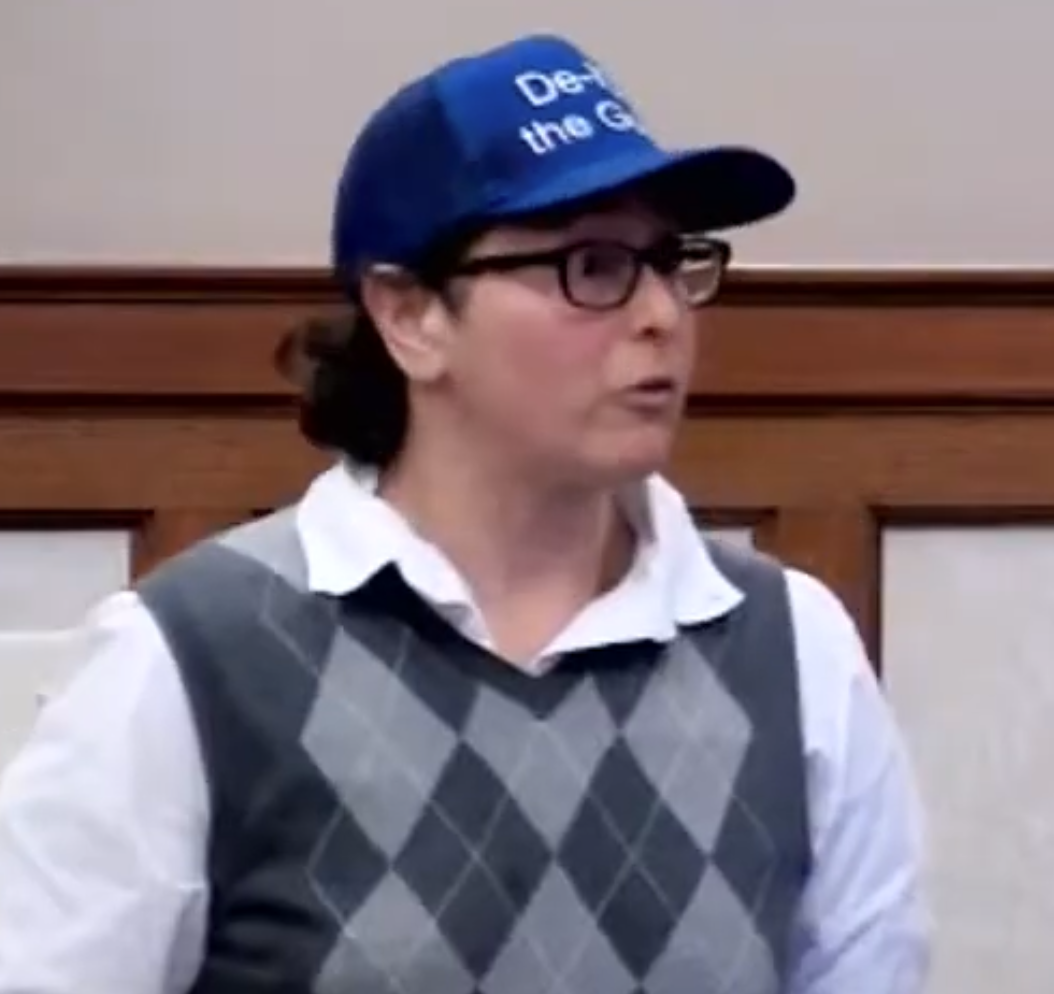
Temira Lital
First they came for the immigrants. I’m Jewish. I know how this goes. We can stand up. We can say we will lift our heads and take the risk. Because if we don’t, next they will come for you.”
Pamela Kruse, a first-time speaker, said sanctuary must include tangible support. “I’m totally in support of sanctuary, not just status, but actions, activity, and support in the community,” she told councilors.
Several speakers focused on impacts to children. Cindy Hernandez, a licensed clinical social worker, said immigrant youth are experiencing heightened trauma. “What I see as a therapist is an increase of children with fear, stress, anxiety, grief, trauma, and depression,” she said, adding that declaring sanctuary “is an important step in building trust between community and our local government.”
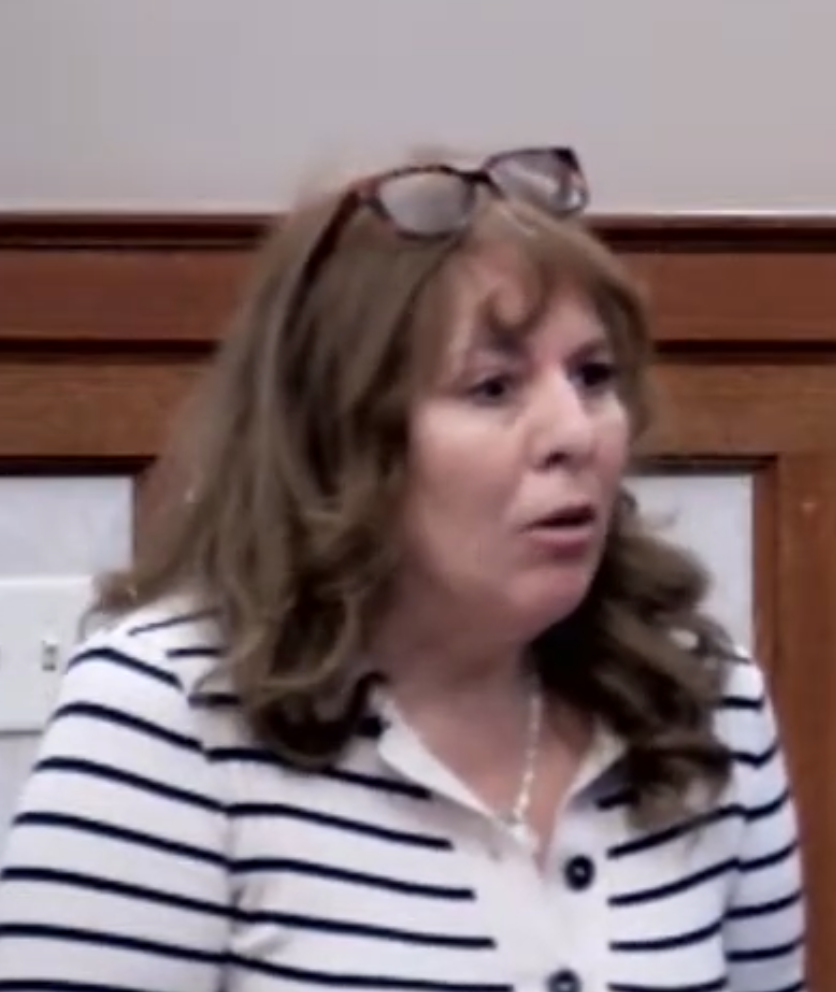
Graciella Gomez
Amber Orion , who works with Hood River Latino Network and the Rural Organizing Project, told councilors that fear is not shared equally. “Some of us come and talk about this and go home and can sleep,” she said. “And others of us do not have that luxury right now.” She urged the city to post signage stating that ICE agents are not permitted without a federal warrant.
Patty Lora, a parent, described fear spreading among students. “My daughter came home from school and said, ‘Mom, do I need to be worried about ICE?’” she said, later recounting her child asking whether people could be detained “if you’re brown.”
Graciella Gomez, an immigrant and community health worker, said sanctuary must translate into safety. “Sanctuary means protection,” she said. “It’s urgent to take action.”
The council also heard testimony read aloud on behalf of a community member identified as Lola, describing a family in crisis. “He now wants to kill himself,” the statement said of Lola’s son, citing fear and despair related to deportation threats. “I fear for my safety and the emotional health of my children.”

Cindy Hernandez
During council deliberations, Councilor Doug Stepina acknowledged calls for stronger action but said much of the city’s work would occur outside the resolution itself. “A sign is worth it to make people feel comfortable,” Stepina said, while emphasizing continued planning, coordination and listening sessions. He ultimately made the motion to adopt the sanctuary resolution.
Councilor Grant Polson raised concerns that the designation could draw unwanted attention without expanding the city’s authority. “This resolution has no teeth,” Polson said, warning it could “garner unwanted attention and cause additional harms.”
Councilor Anna Cavaleri said the testimony reshaped her understanding of sanctuary. “When Graciella said ‘sanctuary means protection,’ I think that we can do a better job,” Cavaleri said, adding that listening sessions should help define what sanctuary means locally.
Councilor Amanda Goeke said she worried about being “performative,” but acknowledged the designation’s importance to residents. Councilor Ben Mitchell said the city could not govern based on fear of retaliation, noting that Latino residents make up a significant portion of the community. “If they are driven out or if they’re kidnapped, we lose our neighbors,” Mitchell said.
Council President Gladys Rivera spoke in support of adopting the resolution, citing the urgency expressed by residents and the need to stand in solidarity with vulnerable community members.
The resolution passed, with councilors indicating the city would continue listening sessions and revisit additional measures as allowed under state and federal law.
Mayor Blackburn thanked residents for participating, calling the discussion “an important conversation” and encouraging continued engagement as the city moves forward.