
By Dana Greyson
Dana Greyson
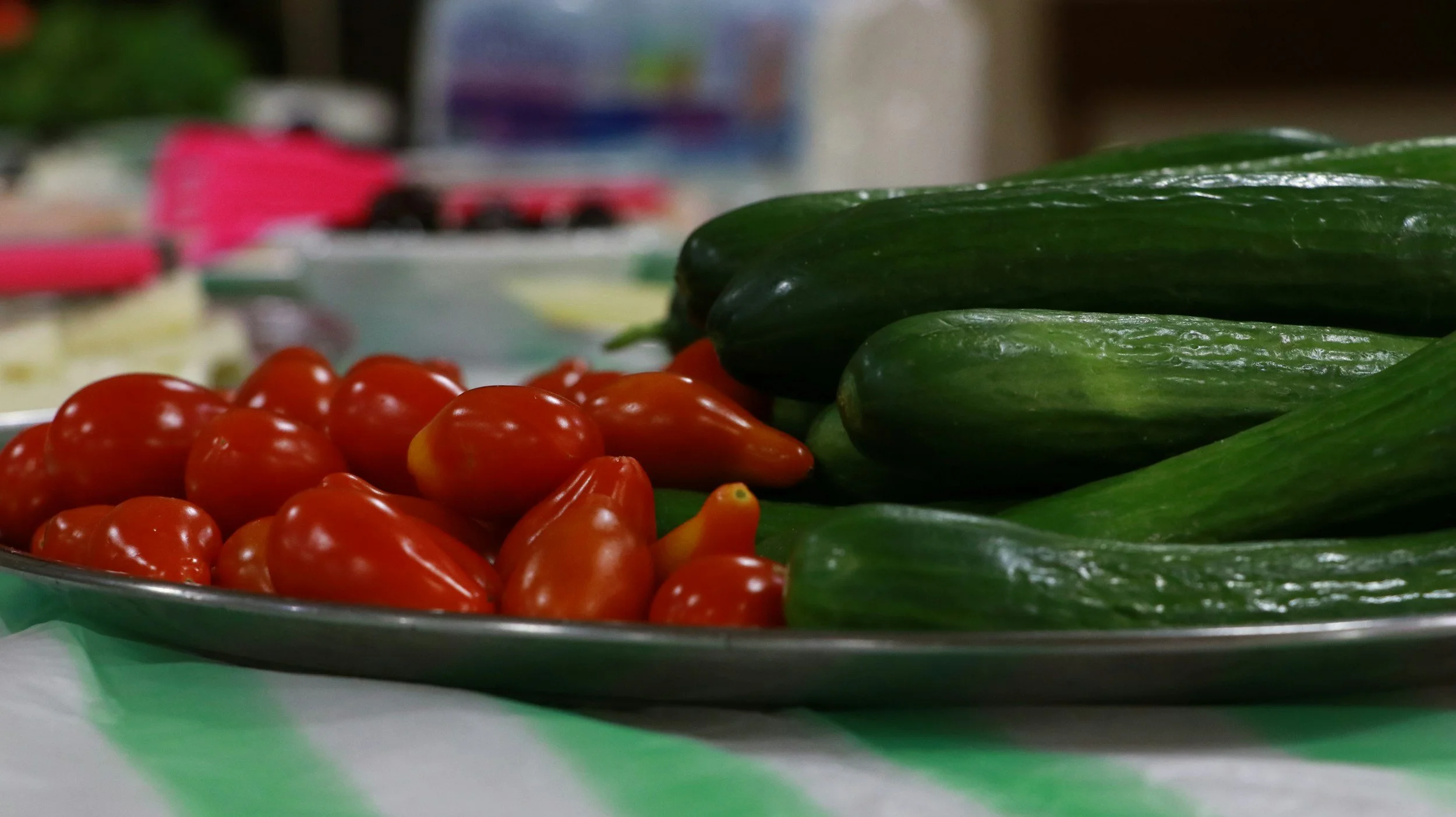
The Dalles, Ore., Aug. 24, 2026 — Is your garden so bountiful you’ve got zucchini or tomatoes or cucumbers or you name it coming out of your ears?
There are better options than:
eating it until you can’t stand it;
storing more than you can ever eat, including canning, dehydrating, pickles, jams and jellies;
sneaking your overabundance into your frenemies’ and neighbors’ cars or onto their porches; or
letting it rot on the vine because there’s more than you have the time or energy to harvest.
Donate it! It’s needed now more than ever. It’s probably easier than you think, and while providing much-needed nourishment, it will fill your heart.
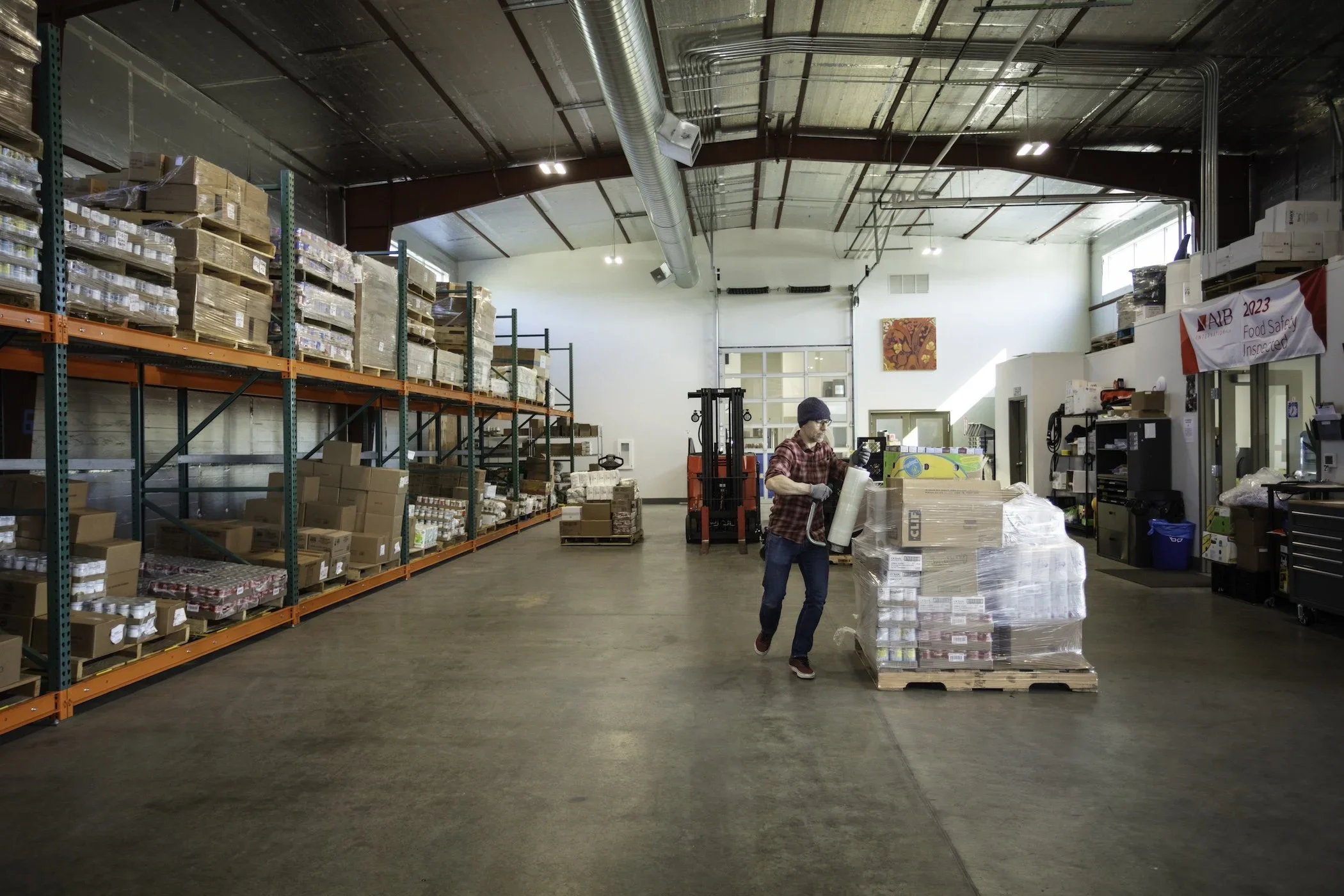
File Photo - Columbia Gorge Food Bank
The Need: Hunger is at Historic Highs
One in six people and one in five children in Oregon and Southwest Washington face food insecurity. The social safety net for those in need is fraying due to food, housing, fuel, child care and health care costs outstripping wage and cost-of-living increases, stricter eligibility requirements for the Supplemental Nutrition Assistance Program, or SNAP, and reductions in federally provided food to food banks.
In short: At the same time food costs are going up, access to food, particularly for our most vulnerable populations, is becoming increasingly restricted.
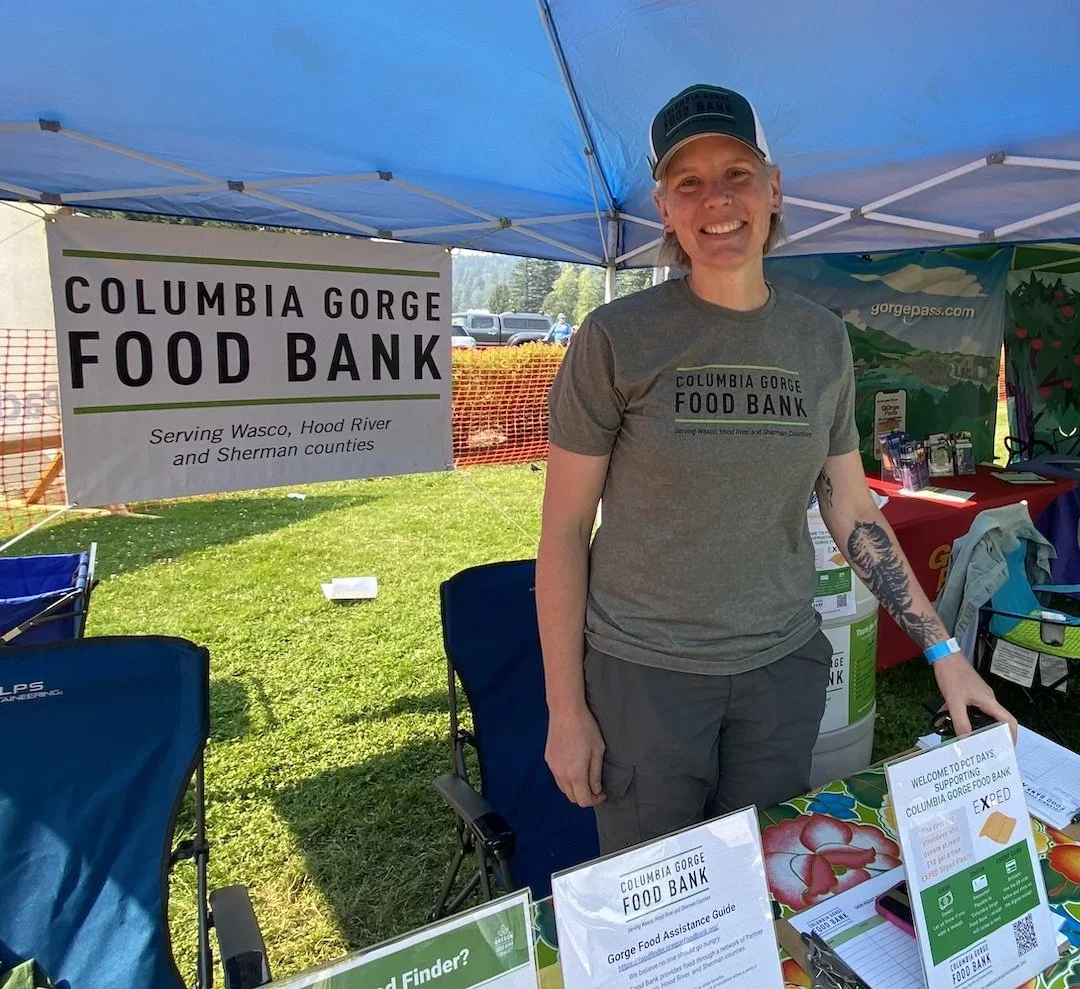
Columbia Gorge Food Bank Executive Director Breen Goodwin
Oregon Food Bank's Aug. 5, 2026, “State of Hunger in Oregon” page states that visits to the Oregon Food Bank Network rose 51% in two years, reaching a record 2.9 million visits last year. It explains that visits first increased 31%, followed by another 15% increase the next year.While the federal government has cut food resources, it also halted its own independent annual food insecurity research. But those who serve on the front lines see and hear every day what’s going on.
“The social safety net is really struggling,” Columbia Gorge Food Bank (CGFB)Executive Director Breen Goodwin said. CGFB serves Sherman, Wasco and Hood River counties. “Between May and July this year, we averaged 2,500 household visits, serving 6,400 people. That doesn’t count any other food program.”
“Food insecurity is about poverty and a lack of resources, but the root cause is policy. Our most vulnerable populations suffer the most, but it impacts our local economy overall.”
How to Help
Harvest and Other Food Donations
Donate to your local food bank or food pantry, whichever is more convenient for you.
“There is no wrong door,” Goodwin said.
Food pantries offer the convenience of many locations; there’s likely one near you.* Food banks are more geared toward distributing food to pantries but may offer more convenient times to accept donations. CGFB takes donations Monday through Thursday, 8 a.m. to 4 p.m., and is closed Friday through Sunday. Donations can be dropped off around the back of its building at 3525 Crates Way, The Dalles.
*Use the online locator tool at OregonFoodFinder.org — an excellent source if you are in need as well — or call the regional hub, Columbia Gorge Food Bank, at 541-370-2333.
Food Donation Tips
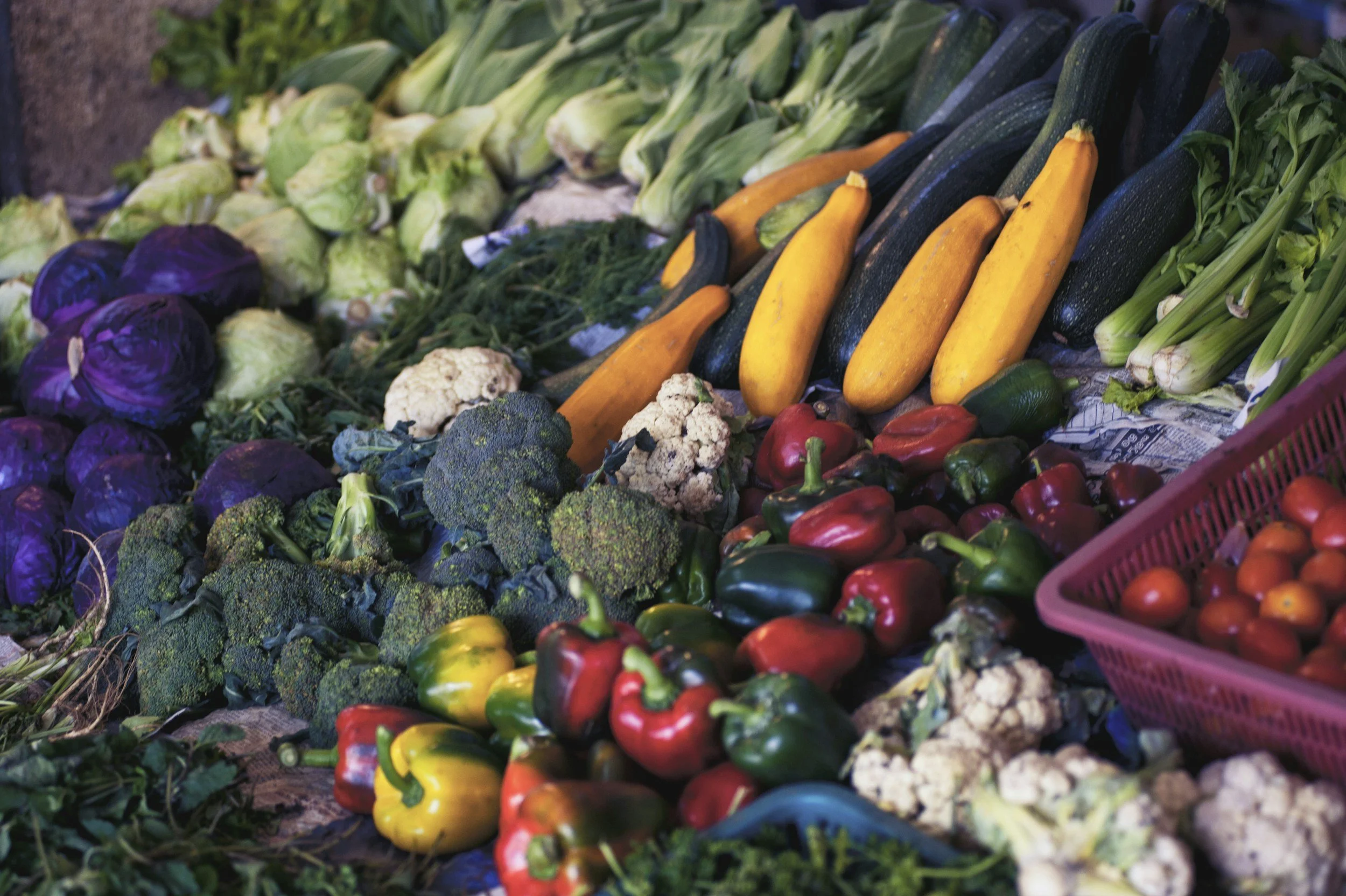
Highly desired produce varieties: broccoli, cabbage, carrots, cauliflower, cucumbers, garlic, green beans, herbs, leafy greens, onions, peppers, snap peas, strawberries, tomatoes, winter squash and zucchini.
Other welcome gifts from the garden: beets, Brussels sprouts, eggplant, parsnips, radishes, tomatillos and turnips.
Only bring clean, nutritious and edible fruits and vegetables you would proudly serve to your own family.
Avoid items with severe bruising, rot, mold or insect infestation.
Pack produce in clean boxes, crates or bags that prevent crushing during transport.
Deliver produce as close to harvest time as possible to maximize shelf life for distribution.
Other foods: Nonperishable canned and packaged foods are also welcome.
What not to donate
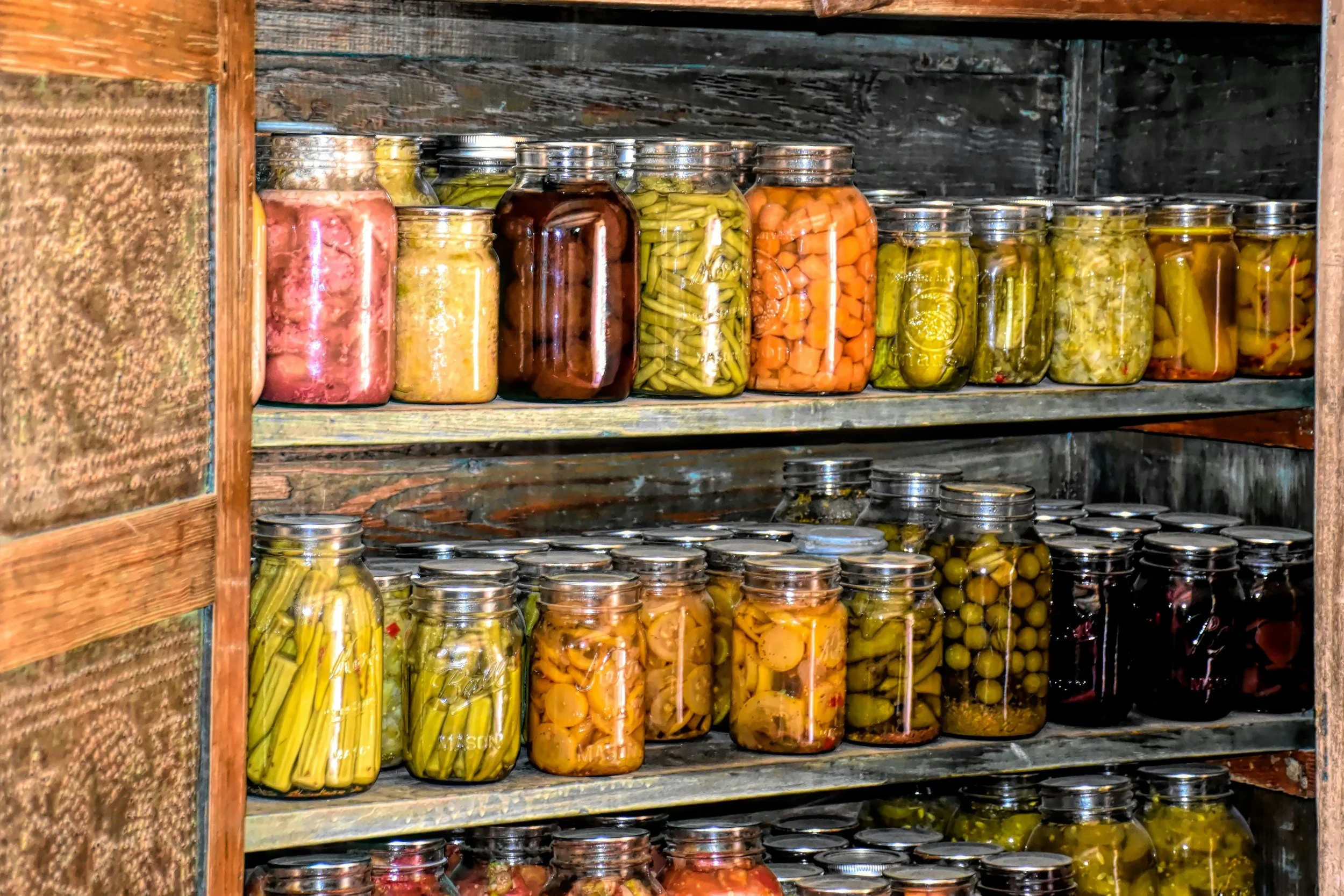
No homemade foods, including uncertified honey.
No open packages.
Meats from sources such as home ranching or hunting are not accepted if they have not been previously certified.
Watch sell-by and use-by dates. A month past will probably be OK, but a year past is not.
For more information on what to donate, check columbiagorgefoodbank.org or email info@ColumbiaGorgeFoodBank.org.
Gleaning, Harvesting Support
If you have a large orchard or backyard tree with surplus fruit that needs harvesting, you can contact the Gorge Grown Food Network gleaning program to coordinate volunteers to pick and share the harvest. The Columbia Gorge Gleaning Project covers five counties in the Columbia River Gorge in Oregon and Washington: Hood River, Wasco, Sherman, Klickitat and Skamania.
For smaller yields, they can offer suggestions for harvest assistance, like your not-quite-but-seems-like tons of tomatoes or zillions of zucchinis. Or consider asking friends or neighbors for help or checking with your local church or nonprofit for picking assistance.
Help Harvest (“Glean”)
Become a gleaner yourself, unofficially or officially. Gorge Grown Food Network gleaners get to keep a portion of what they glean, worth far more than their $10 donation to help with the overhead cost of coordinating their efforts. Contact the Gorge Grown Food Network to learn more or volunteer.
Be Neighborly, Skip the Middleman
Food banks, food pantries and other social services are invaluable, but you can help informally and directly, too. Maybe you heard your neighbor lost their job or their hours were cut. Or your already struggling neighbor now has another new mouth to feed. Another neighbor is pinched by medical bills. Then there’s the neighbor you used to see but can’t remember when you last did.
Put out a free food box. Make it informal, or if you want to get fancy, check out Little Free Pantry. You can also pay your library fines with nonperishable food donations.
Show up with your harvest or a home-cooked treat.
Help connect them to resources, such as OregonFoodFinder.org.
Hand them a grocery or restaurant gift card or cash.
Caring Heart, Black Thumb? Greenbacks ($) Help Too

Cash is always welcome to provide food for those in need, and food banks know how to use those donations for maximum efficiency. Visit Oregon Food Bank online to make a cash donation to Columbia Gorge Food Bank.
Attend CGFB’s Empty Bowls 2026 Hunger Awareness Event
Friday evening, Sept. 25, Empty Bowls will celebrate our community’s fight against hunger at the Columbia Gorge Food Bank warehouse, 3525 Crates Way, The Dalles.
Choose a handmade bowl made by a local artist, share a simple meal and support families facing food insecurity across Wasco, Hood River and Sherman counties. Tickets start at $60 and are available online or at Klindt’s Booksellers, 315 E. Second St., The Dalles.
Education & Activism
Learn how to reduce food insecurity by understanding the current status, who is impacted by food security, why and how we got here is the first step. Here are some resources to start that process
The Politics of Hunger from Oregon Public Broadcasting’s It’s Been a Minute.
SNAP cuts, soaring food costs and rising hunger grip Oregon families
from Oregon Public Broadcasting
For local CGFB Info and updates, and to get involved in local activities and advocacy
Gorge Grown Food Network volunteering, donating and sign-up for blog posts
Community Commitment Continues
“We’re doing what we can every day to keep food moving,” Goodwin says, despite the current and escalating challenges. “It’s a tough time to be here. Some days I want to cry. But especially right now, I wouldn’t want to be anywhere else.”