
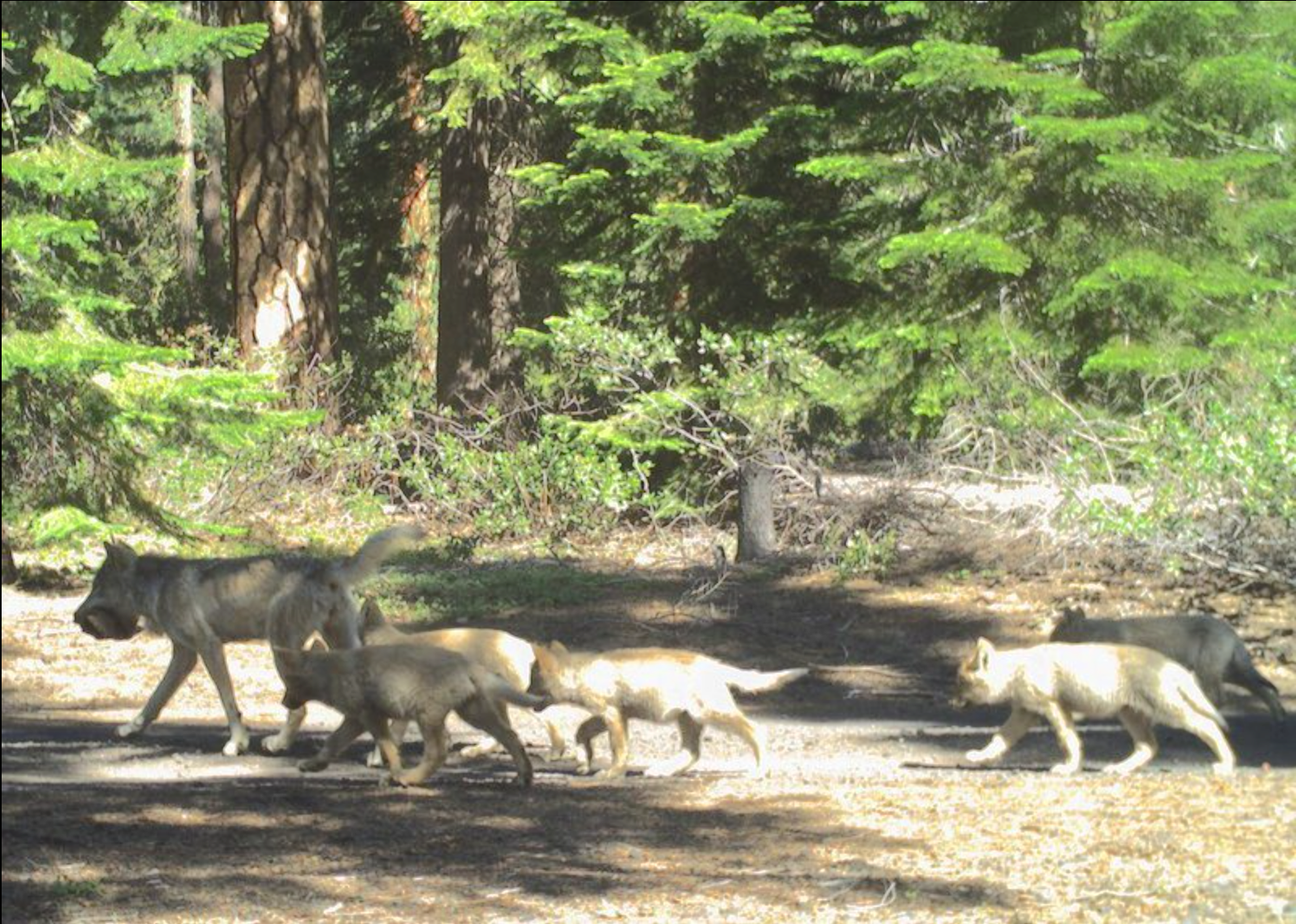
Trail camera photo of an adult wolf with five pups photographed on July 4, 2022 in the Upper Deschutes wildlife management unit in Klamath County. Photo courtesy Oregon Department of Fish & Wildlife
By Michael Williams with edits by Tom Peterson
The Dalles, Ore., May 26, 2026 — The recovery of gray wolves in Oregon has been hailed as one of the state's major wildlife conservation successes. But as wolf numbers continue to climb, state officials, ranchers, hunters, tribal representatives and environmental advocates are increasingly wrestling with what that success means for the future.
This April, a five-hour meeting hosted by the Oregon Department of Fish and Wildlife brought together state regulators, local officials, environmental advocates, ranching interests, and members of the public to debate one of Oregon’s most contentious wildlife issues:
The future of endangered wolves in the state
Through the many efforts of environmentalists and state officials, the once imperiled wolf population in Oregon has rebounded significantly in the past ten years. But with that growth comes new challenges between competing stakeholders. Namely, the conflict between livestock producers and wolf advocates has become amplified, and the ability for state regulators to mediate those conflicsts might just determine the future of wolves in Oregon.
Wolf Population Growth and an Integrated Regulatory Framework
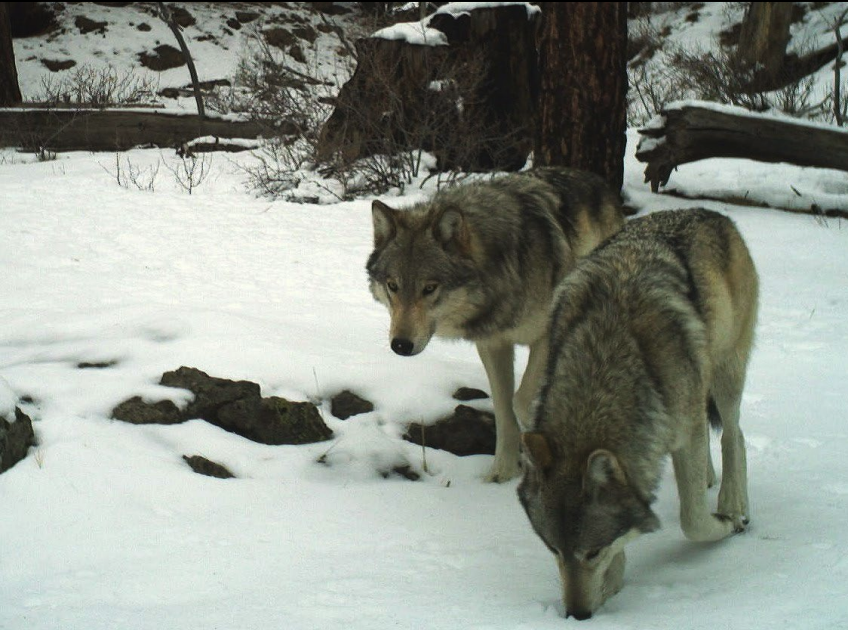
The 2025 annual Oregon Wolf Report found a 13% increase in Oregon’s gray wolf population during 2025, including 230 total wolves, 30 packs (defined as four or more wolves traveling together during the winter) and 23 breeding pairs.
Those figures contrast sharply with wolf counts from previous decades. Wolf populations in Oregon have steadily increased since at least 2009, when fewer than 10 wolves were documented statewide.
ODFW officials also reported 42 wolf mortalities in 2025. Those deaths included three wolves killed by livestock producers while actively attacking livestock, four unlawfully killed, three killed by automobiles, and two accidentally killed by wildlife authorities who were targeting coyotes.
Wolf Management Zones in Oregon 2025 - Oregon Department of Fish & Wildlife / Click the image to enlarge it.
Wolf populations in Oregon are governed by a unique mix of federal and state regulations. Federal regulations classify wolves as endangered when they occupy areas west of a “demarcation line” running north to south across the state. The line generally extends from Pendleton south through Burns and continues to the California border. Any gray wolf west of this line is protected under the Endangered Species Act and managed by the U.S. Fish and Wildlife Service.
Oregon also provides additional statewide protections and classifies wolves as a special-status game mammal managed by ODFW through separate eastern and western management zones. These zones are divided by the state’s own demarcation line, which runs from The Dalles through Bend and south toward Lakeview. The east and west zones are managed under different plans known as “phases.”
Each phase determines how aggressively wolves may be managed or removed.
Wolf populations east of the state’s demarcation line are governed by rules that provide considerably more flexibility in controlling wolf populations, particularly as a means of reducing livestock losses and managing rangelands. Wolves in the western zone, meanwhile, are subject to stricter protections due to their smaller populations and greater vulnerability.
The western zone is currently under a “Phase I” management plan and will remain there until the region reaches four or more breeding pairs for three consecutive years, at which point it would move into Phase II. A Phase II zone would then require seven or more breeding pairs for three consecutive years in order to move into Phase III. Eastern Oregon is currently classified under a Phase III plan with 15 breeding pairs.
Illegal Takes and Poaching Remain a Serious Concern
While the report showed continued growth in wolf populations over the past several years, illegal takes and poisonings remained a persistent concern for conservationists and ODFW officials.
In conservation jargon, a “take” refers to removing a wolf from the wild, usually by killing it.
In 2023, illegal takes peaked at 12 cases. In response, ODFW installed signs at trailheads and launched public outreach campaigns in areas where illegal killings were most prevalent. By 2025, illegal takes had decreased to just four.
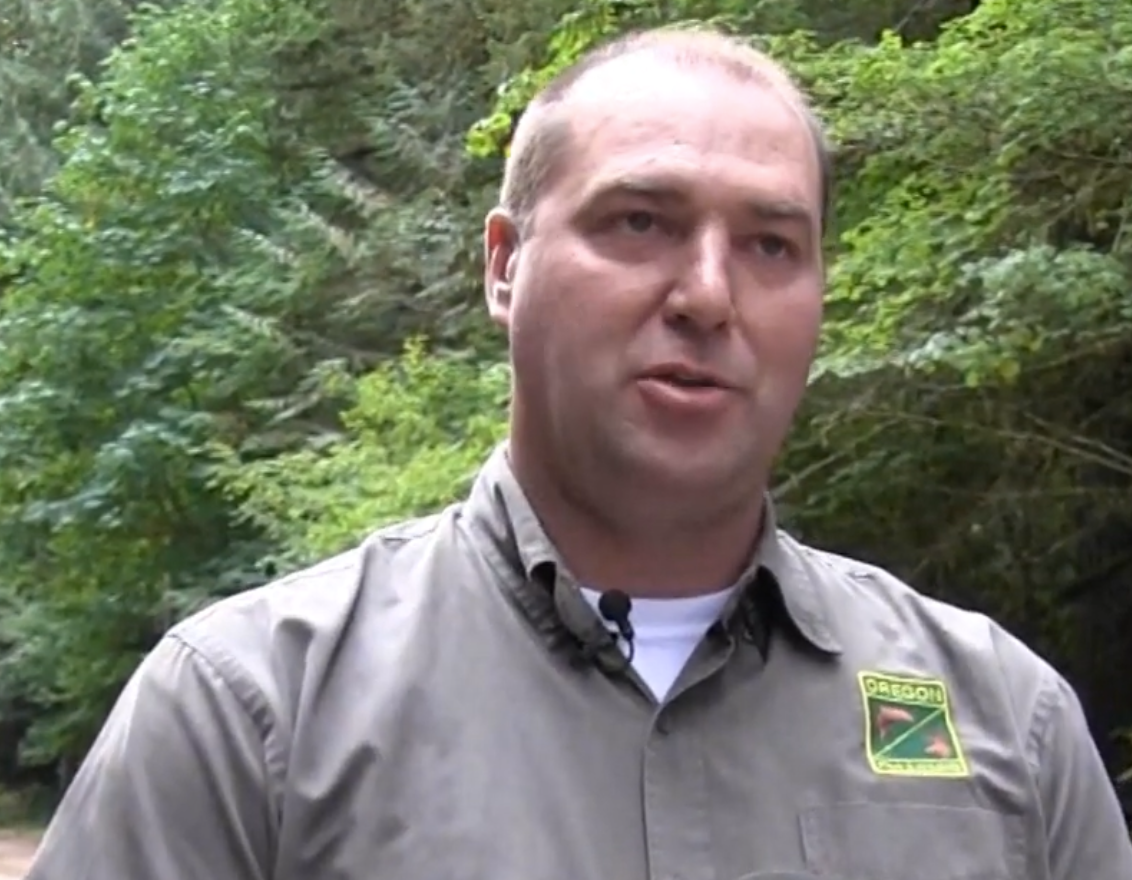
Brian Wolfer, wildlife division deputy administrator with ODFW
“How much of that is related to the media outreach campaign is hard to say, but we’ve seen some positive trends,” said Brian Wolfer, wildlife division deputy administrator with ODFW. “We’re cautiously optimistic that we’re heading on a good path here.”
During the meeting, Wolfer also emphasized that if not for the spike in poaching incidents during 2023, western Oregon would likely have already advanced into a Phase II management plan.
Reducing wolf poaching also depends on improving coordination between ODFW and the Oregon State Police.
Lt. Tim Schwartz of the Oregon State Police underscored the need for greater cooperation, stating, “we recognize the need for further consistency regarding OSP’s response to potential unlawful take incidents.”
He added that the agency would continue dedicating time and resources toward investigating illegal poaching and poisoning cases.
While conservation concerns dominated much of the discussion, livestock conflicts remained one of the most contentious aspects of wolf management in Oregon.
That conflict between conservation goals and the realities faced by people living and working alongside wolves has become one of the defining challenges of modern wildlife management in Oregon.
In Part 2, Williams examines how growing wolf populations are affecting ranchers, hunters and rural communities — and the competing ideas for what should happen next. Find it on CCCNews on Wednesday, May 27.