The Dalles grapples with identity as millions in downtown funds hang in balance
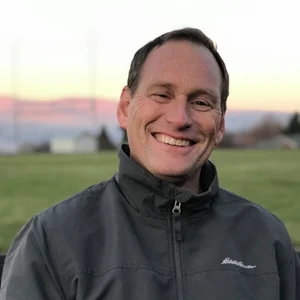
By Tom Peterson
The Dalles, Ore., March 17, 2026 — The Dalles is growing up fast — rebuilding infrastructure, reinvesting in downtown and attracting new energy. But as the city evolves, leaders say a deeper question remains.
WHO ARE WE?
The truth is The Dalles isn’t struggling to find an identity. It’s struggling to connect the unique elements it already has.
But how?
That question — more than budgets or buildings — dominated a pivotal urban renewal discussion Tuesday, as officials wrestled not just with how to spend millions of remaining funds, but how to define a city whose identity often feels disjointed.
From historic buildings and neon signage to murals, events and a waterfront, The Dalles is not short on character. Rather the layers are deep and rich but don’t always connect. Even the Columbia River — the city’s most defining feature — remains physically and visually separated from downtown in many places, limiting its role in shaping a cohesive sense of place.
Defining moment
Unlike past planning efforts, Tuesday’s discussion brought together a rare alignment of conditions: newly collected data on downtown vacancy and business mix, between $4 million and $7 million available for investment, and a board openly questioning how the city should define itself. That combination — information, resources and intent — positions the moment as more than routine planning, but a potential turning point for how The Dalles shapes its future.
Who are we?
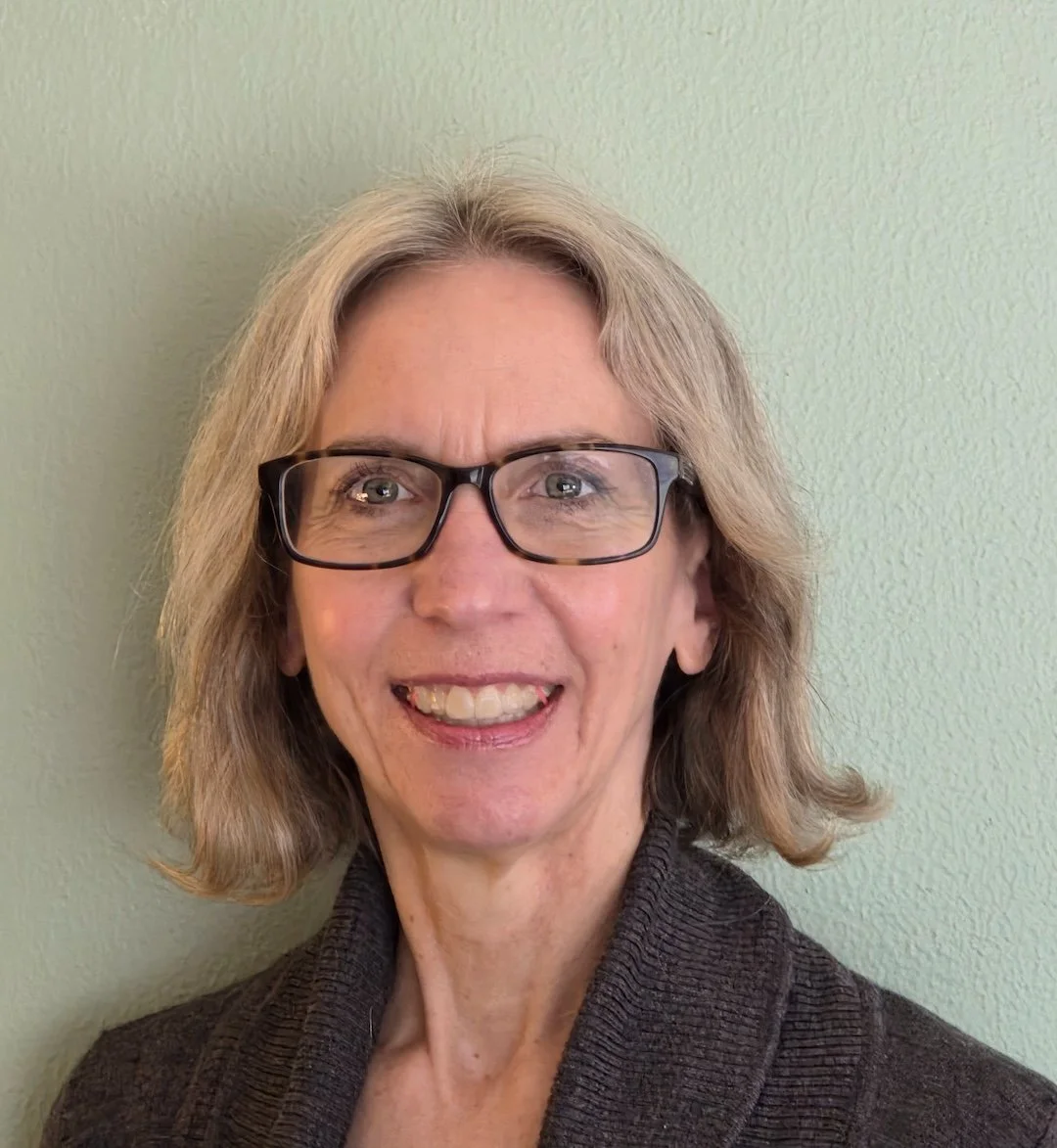
Urban Renewal Board Member Jill Amery
“I don’t know what our identity is,” said board member Jill Amery, noting she has lived in the area for 40 years.
Others pointed to the same disconnect in different ways. Kristen Lillvik described a community moving in the same direction, but without alignment.
“A lot of us are going the same direction but we aren’t working together,” Lillvik said, calling for a “big arrow” approach to unify efforts.
That tension — between what exists and what connects — is now shaping how leaders think about the future of downtown investment.
Digging A Bit Deeper
That same question — who The Dalles is and what ties it together — extends beyond City Hall.
Interviews with local residents and business owners suggest the answer may be less about choosing a single identity and more about recognizing the mix already in place.
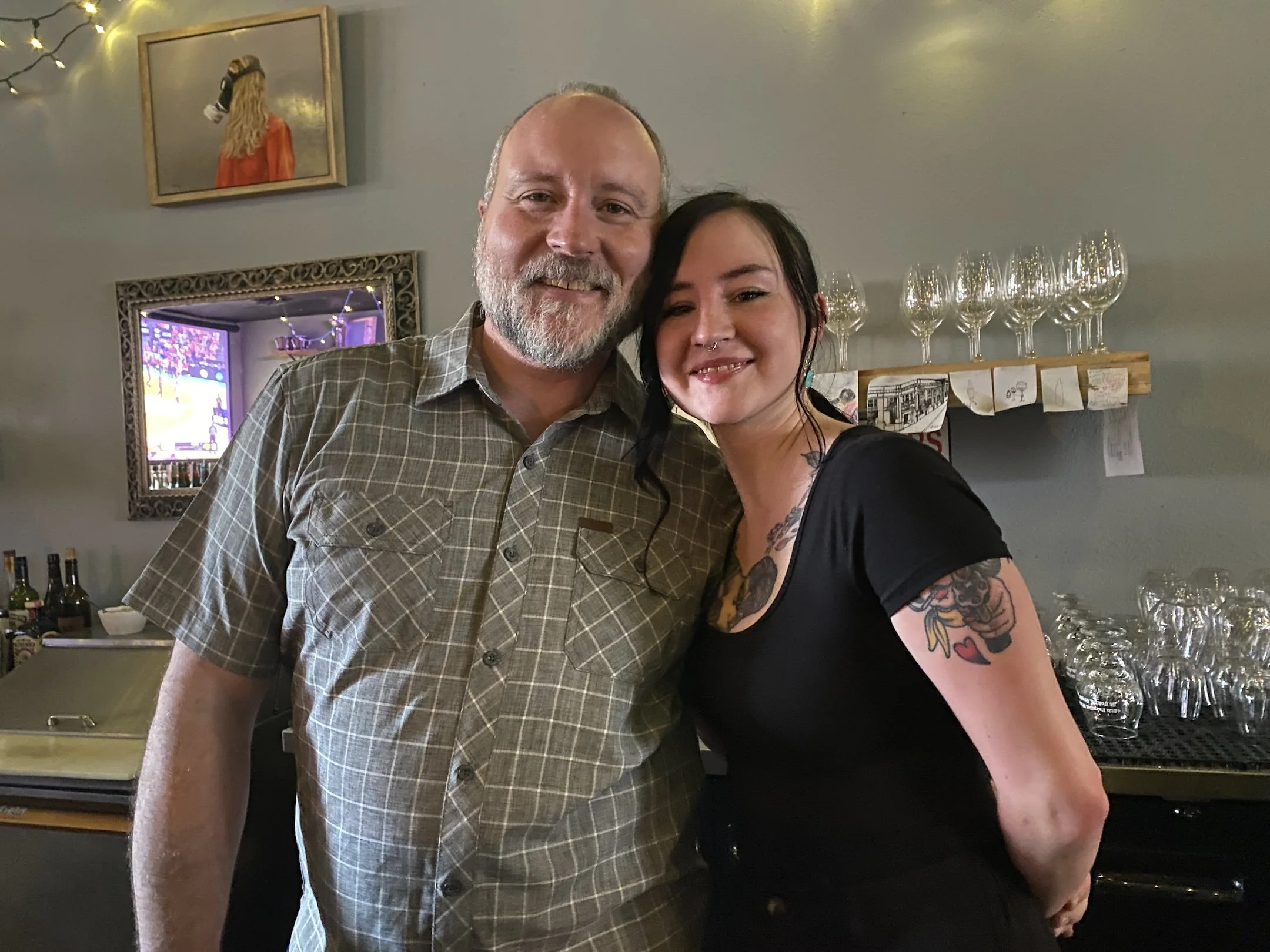
Matt Hensel and Mary Jayne Heiser
Matt Hensel described The Dalles as a kind of crossroads — a place where ideas, cultures and creative energy meet.
“It really is like a meeting place,” Hensel said. “It’s sort of like a microcosm… a little bit of everything. It’s not any one direction.”
He pointed to an emerging arts and creative scene, fueled in part by affordability and a growing number of people relocating to the area, describing the city as small but increasingly “bright and cool.”
Others emphasized a different thread: community.
Mary Jayne Heiser, who works in the downtown service industry, said what stands out most is how connected people feel to one another.
“It’s just the type of place where everybody is really friendly,” Heiser said. “You can make conversation with anybody.”
She also noted a shift in recent years, with new businesses and events bringing more activity and a broader mix of people into downtown.
“I feel like in the last three years… it’s getting more lively,” she said.
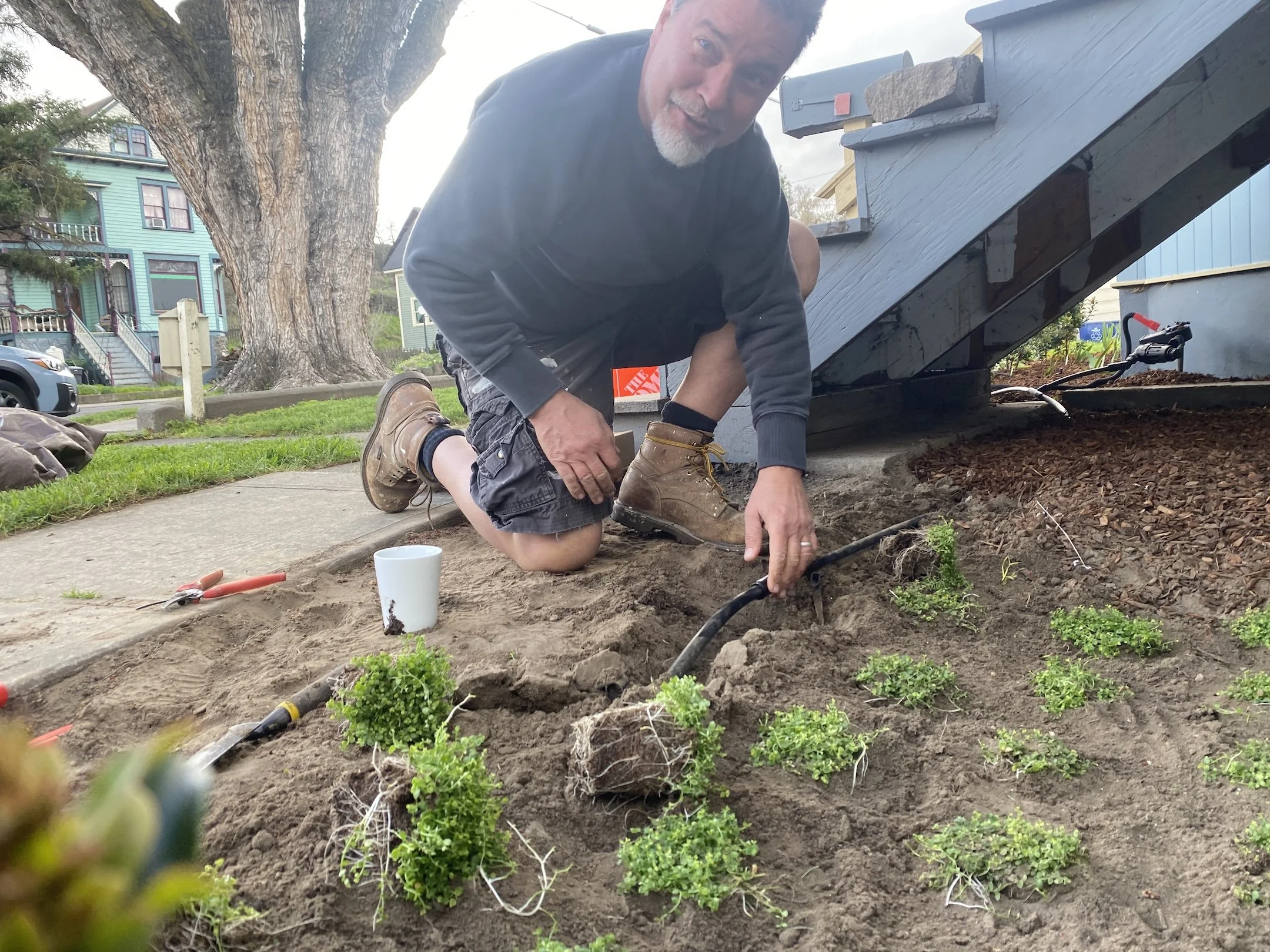
George Robertson working on his flower bed on Fourth Street.
Others see The Dalles through the lens of its past — and its potential to rediscover it.
George Robertson described the city as “a cowboy town on the brink of rediscovering itself,” pointing to its historic architecture, geography and connection to the Oregon Trail as assets that remain underutilized.
Taken together, those perspectives reflect the same challenge raised by city leaders: The Dalles may not lack identity, but rather a clear way to connect its many identities into something cohesive.
Vacancy Rate at 9%
That effort to connect the pieces is now being informed by data — and in some cases, challenged by it.
A four-week inventory of the downtown core identified 241 businesses operating within the central business district, alongside 21 vacant buildings — a vacancy rate of 9.29%.
The figure was lower than some expected, suggesting that emptiness alone may not be the primary issue facing downtown.
“90% occupancy is actually fairly good,” said City of The Dalles Economic Development Officer Jacob Anderson.
But the data also revealed a different imbalance. More than half of downtown businesses — 56% — fall within the service sector, with significantly fewer retail, food and entertainment options.
That mix, officials said, raises new questions about what’s missing — and what kinds of businesses the city should be trying to attract.
The inventory also highlighted wide disparities in property values, with listed buildings ranging from $210,000 to more than $4.25 million.
As that picture comes into focus, the agency is also facing a narrowing window to act.
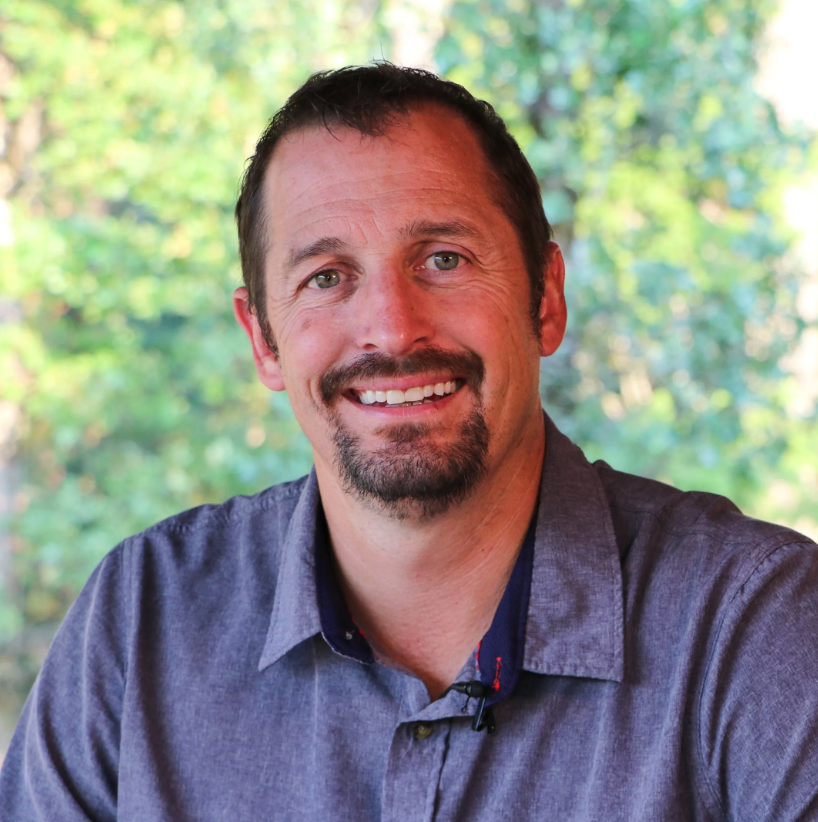
Jacob Anderson
Happy Problems
Anderson told the board that between $4 million and $7 million remains available for urban renewal investments before revenue generation ends in 2029.
“We’re in that really fun section right now of we have money and what do you want to do with it,” Anderson said.
That question — how to spend it, and on what — quickly split into competing philosophies.
Some board members argued for focusing on visible, distributed improvements — façade upgrades, public spaces and incremental projects that build momentum and encourage private investment.
Others pushed for prioritizing larger, catalytic redevelopment sites that could reshape downtown in a more immediate and dramatic way.
Tony’s Back in the Conversation
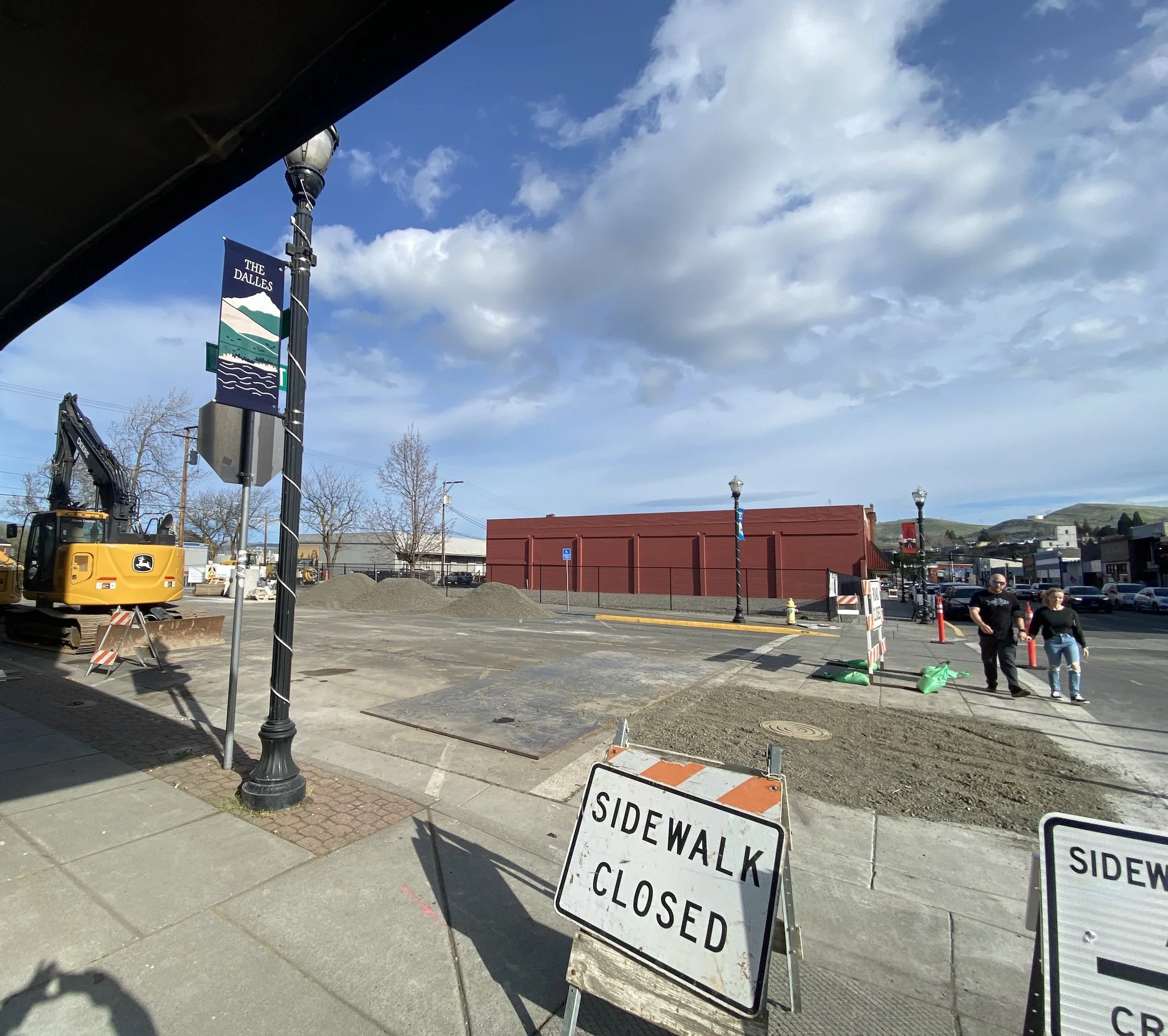
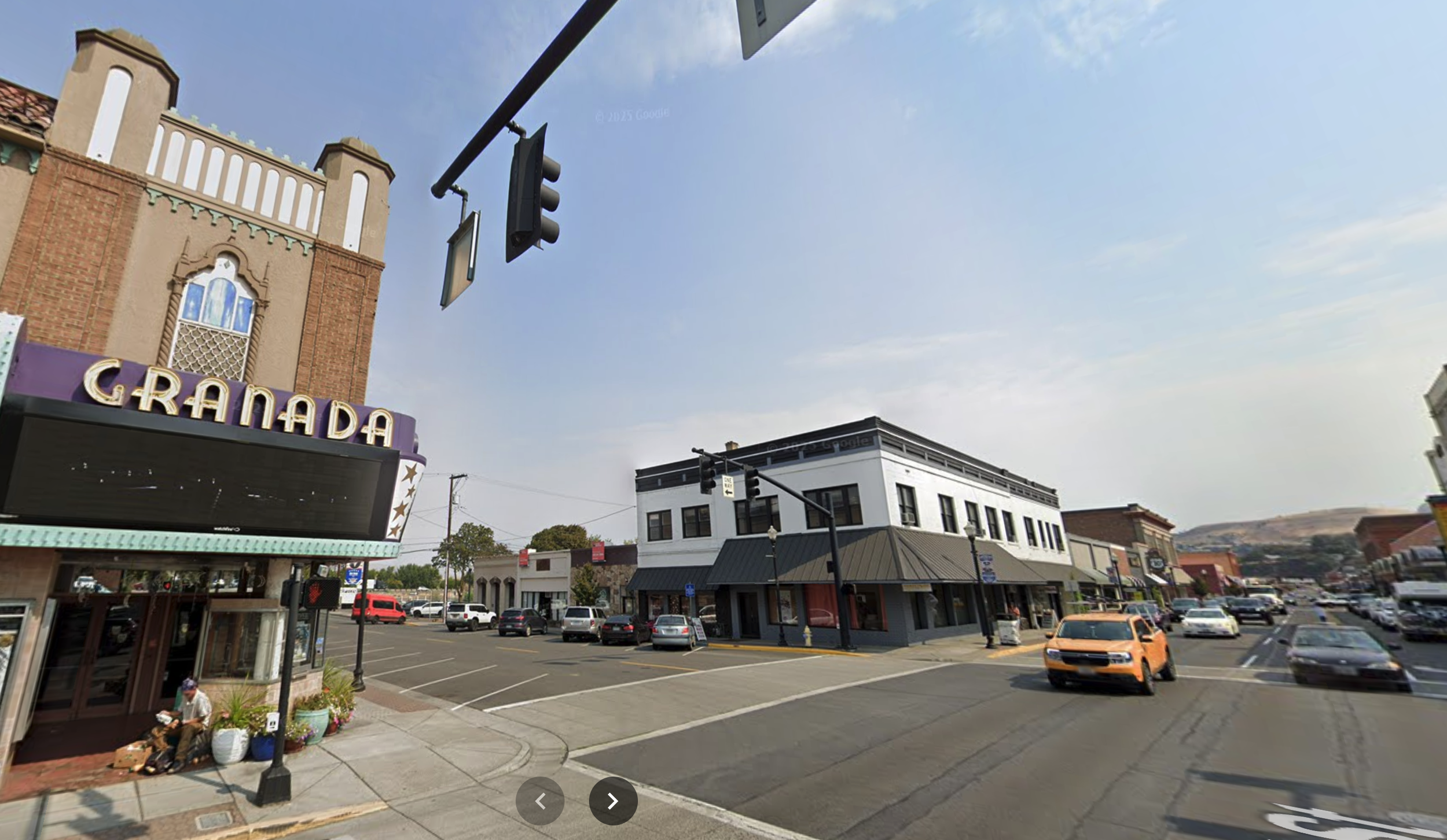
That debate came into sharper focus around one of downtown’s most visible gaps — the long-vacant Tony’s Town & Country lot near Third and Federal streets..
Councilor Ben Wring said the site represents both the challenge and the opportunity facing the city, and warned against letting it sit idle any longer.
“I would like to see something happening on that site in the next 12 to 18 months,” Wring said.
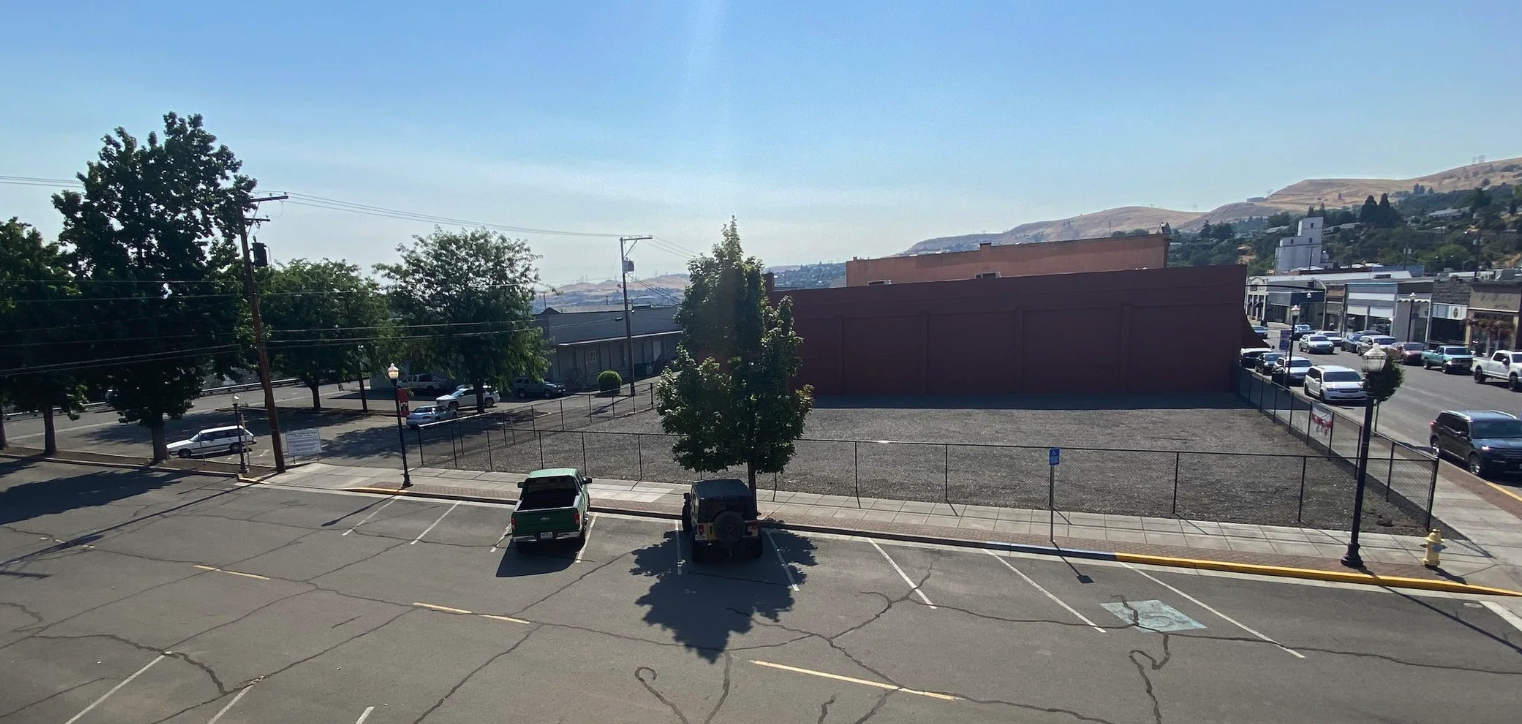
Vacant lot seen here fenced is a focal point for city development as Federal Street will become a plaza and community hub within the next two years.
The site, located in a key downtown corridor, has remained undeveloped despite previous efforts to solicit interest, making it a test case for whether the city can turn planning into action.
Wring said that effort will require more than incentives alone.
“If people don’t come together and tell us what they need… we’re going to have to make the best decision we can with limited information,” he said.
Others on the board emphasized that without clearer alignment across agencies, organizations and stakeholders, even strong projects risk falling short.
Transformation has Begun
That reality is unfolding alongside major public investments, including ongoing work on First Street and the planned Federal Street Plaza, envisioned as a central gathering space for downtown.
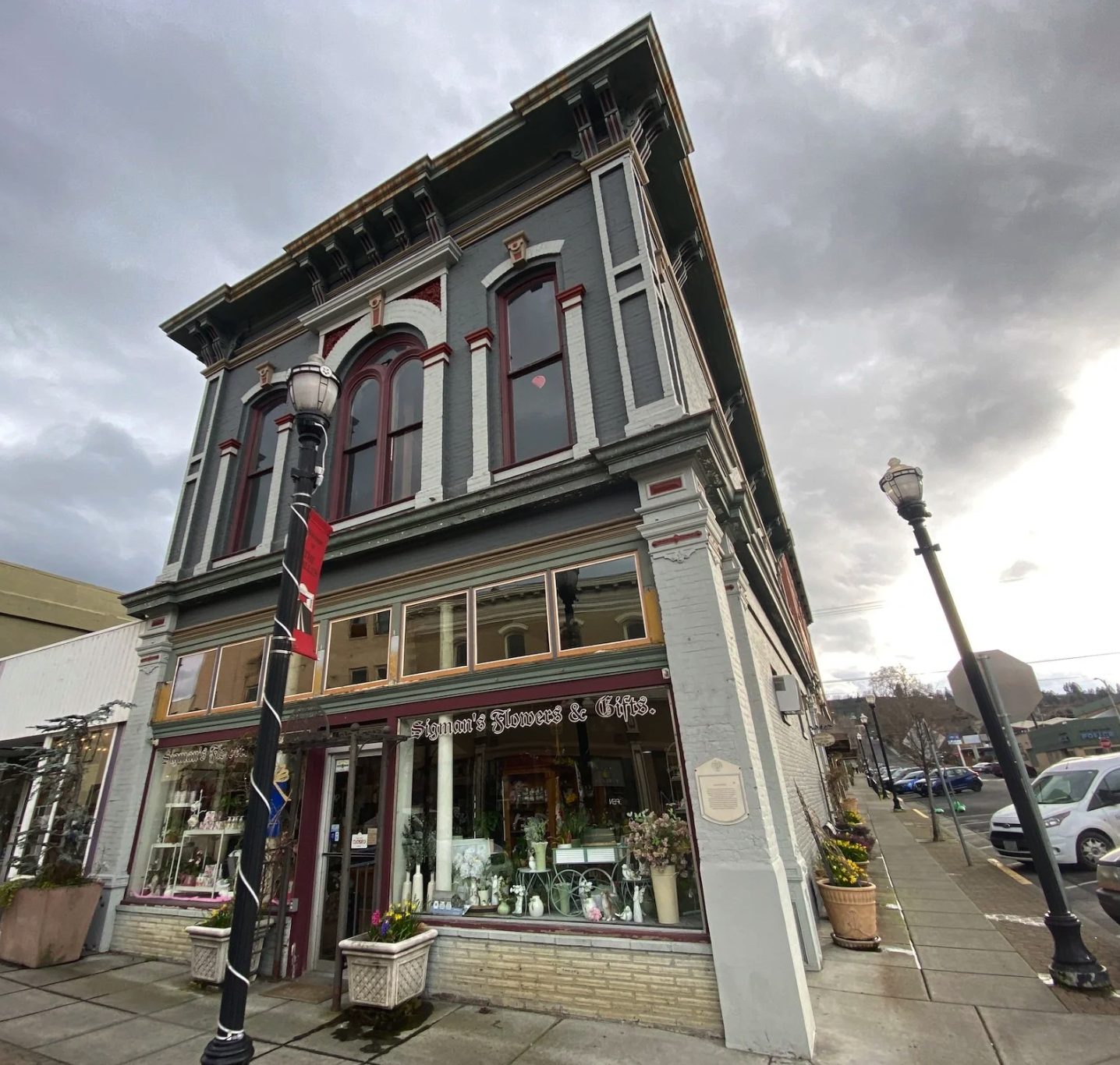
The libely Sigman’s Flowers & Gifts is undergoing façade improvements through The Columbia Gateway Urban Renewal Agency’s Incentive Program.
Early signs suggest smaller-scale efforts are gaining traction. A newly launched exterior improvement program offering grants for touching up paint on buildings has already drawn significant interest, with multiple projects approved and more waiting in the queue.
Still, the broader question remains unresolved.
Whether the city spreads its remaining funds across incremental improvements or concentrates them into one or two defining projects, leaders agreed that success will ultimately depend on something less tangible — the ability to connect downtown’s assets into a place that feels cohesive, intentional and alive.
Because the challenge facing The Dalles isn’t just what to build next.
It’s how to make it all feel like it belongs together.