
The Dalles Mayoral CandidateTimothy McGlothlin rates The Dalles economy 2 out of 10, calls for more visitors and events
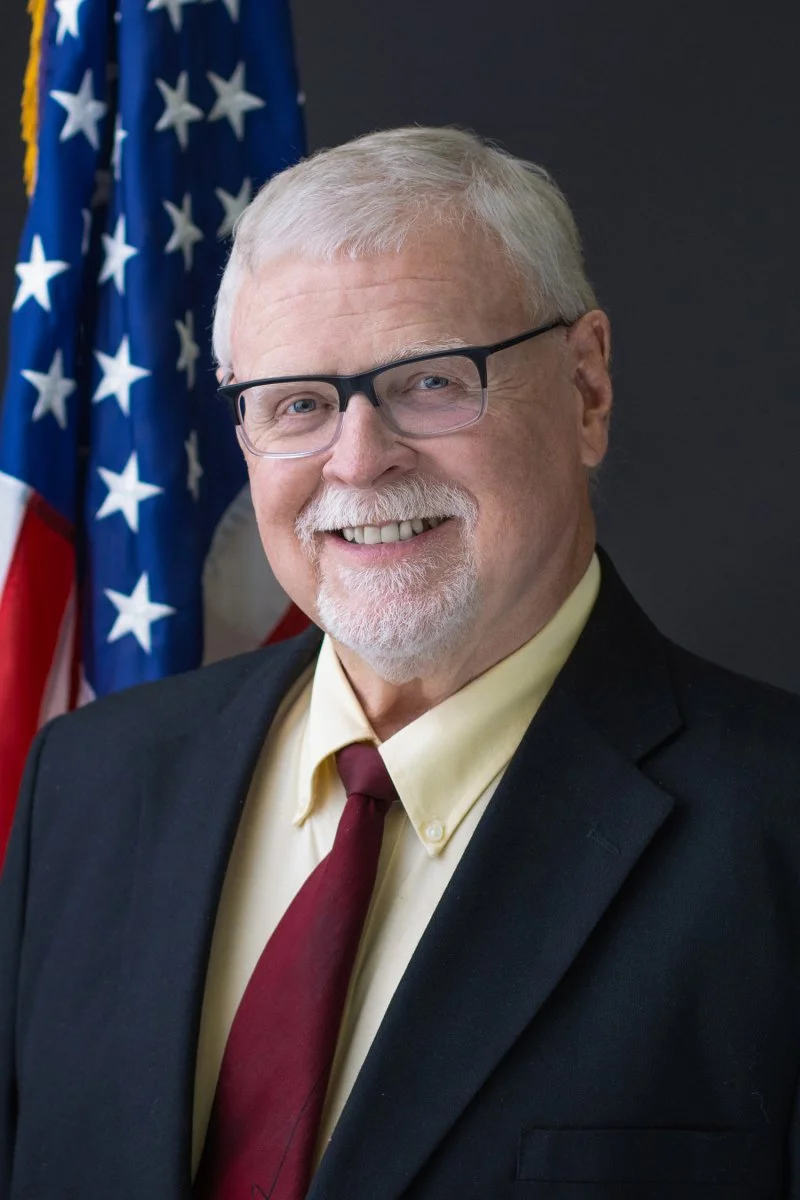
Timothy McGlothlin is challenging Joe Slusher and Darcy Long in a three-way race for The Dalles Mayor.
By Tom Peterson
The Dalles, Ore., Oct. 14, 2026 — Timothy “Mac” McGlothlin gave The Dalles economy a 2 out of 10, saying local businesses continue to struggle and the city needs to do more to attract visitors, encourage spending and revitalize downtown.
McGlothlin, 74, has been a city councilor since 2010. He brings experience in education, business and community service to his campaign for mayor. He taught instrumental music at The Dalles Junior High School, owned McGlothlin Music Company and later worked as a teacher, principal and school administrator, including at Wahtonka High School.
His priorities include attracting visitors, making water infrastructure investments more affordable, expanding housing options and completing downtown construction projects. He also questions whether the city needs a new high school, proposing that officials study renovating the existing building.
Economy and small businesses
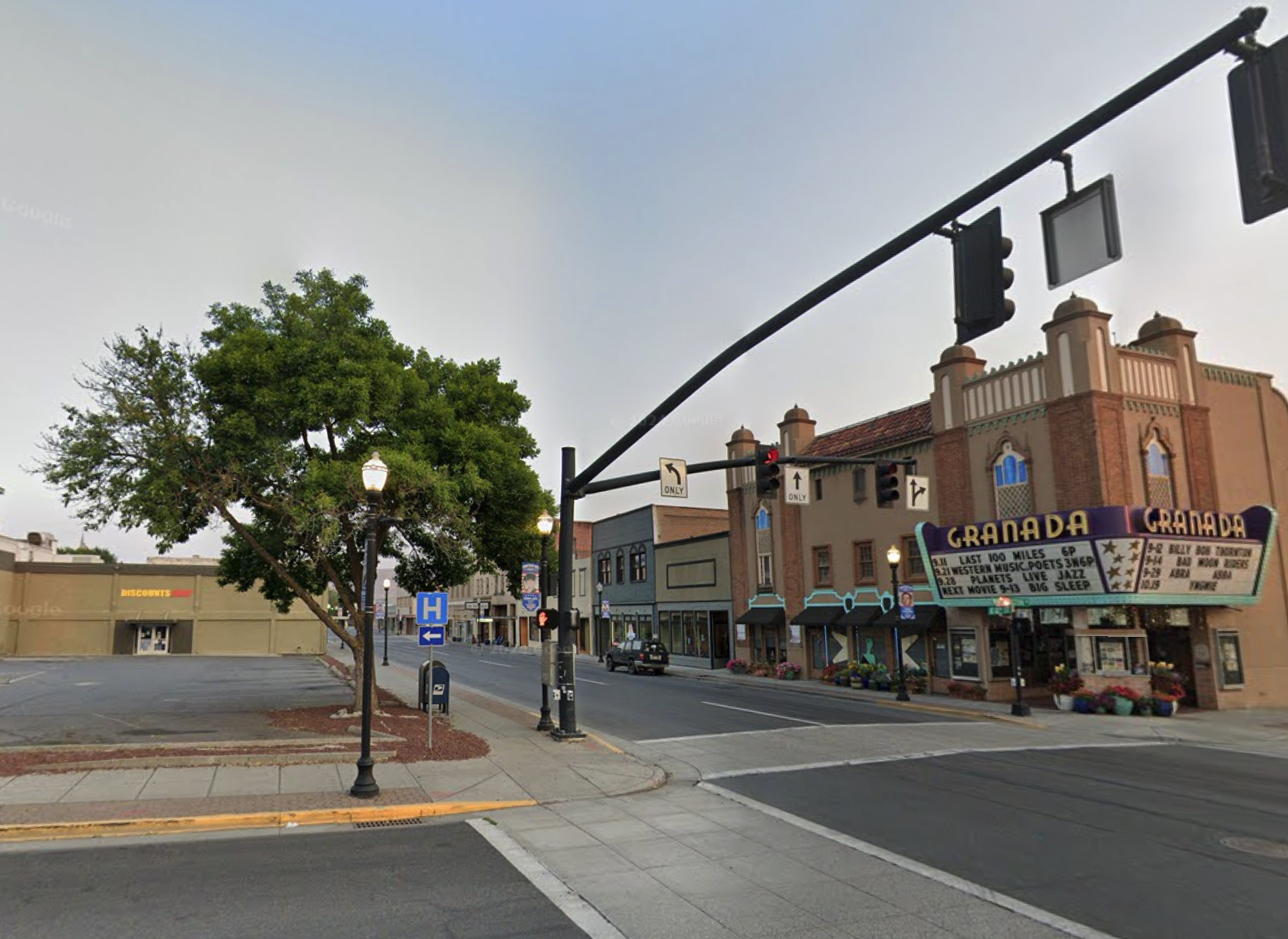
McGlothlin said the pandemic took a significant toll on local businesses, but traffic congestion and visitors arriving by boat offer opportunities to bring more people into the local economy.
He wants to build on events at the Granada Theatre and elsewhere while reviving activities such as a rodeo and adding concerts, festivals, bicycle races and pickleball tournaments. His goal is to have something happening in The Dalles every weekend.
“We must give people the reason to stop, shop, stay, and spend their money right here in The Dalles,” he said.
He also proposed a Sunday promenade near the waterfront, where residents and visitors could walk, meet neighbors and buy locally produced goods.
Listening and leadership
McGlothlin sees the mayor’s role as bringing people together rather than directing the community from City Hall. He wants more opportunities for residents to engage with city government, particularly on complicated issues such as water infrastructure spending.
“It’s not my city. It’s our city,” he said.
He favors public discussions with city officials and business representatives to help residents understand major decisions. He also emphasized listening to people affected by city actions, particularly when financial penalties or other significant consequences are involved.
Water infrastructure and Google revenue
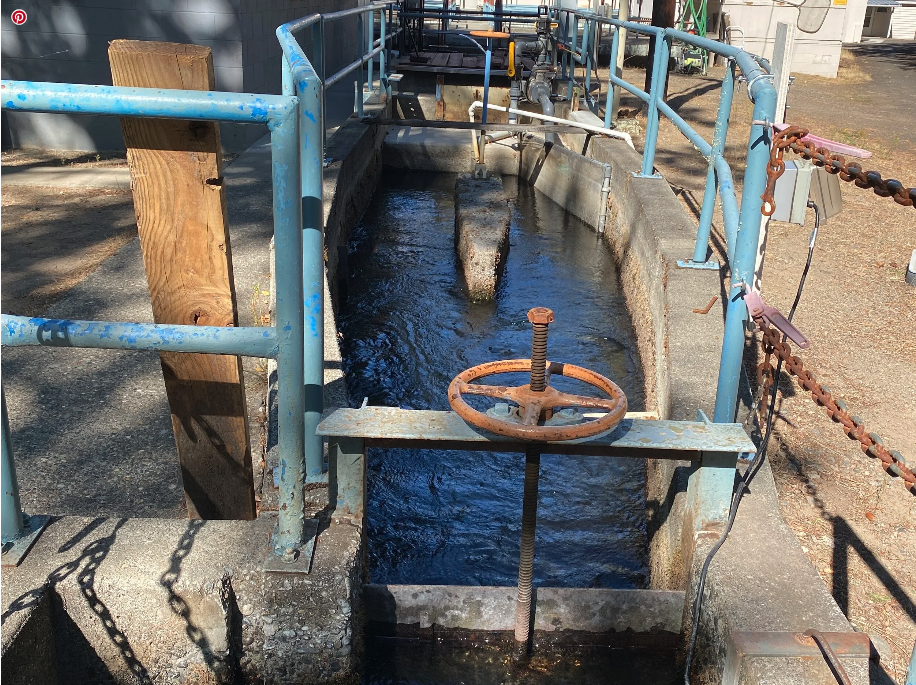
The Dalles water treatment plant
The city faces an estimated $260 million in water system improvements over the next 20 years. McGlothlin believes Google, whose data centers use city resources, should contribute substantially to infrastructure costs and help limit the burden on residents.
He proposes directing about 80% of additional Google revenue associated with major development toward infrastructure, including water, sewer and roads. He also supports seeking cost-sharing opportunities with the county and other entities before considering rate increases.
“I think we need to sit down along with citizens,” he said, describing a process for residents to weigh in on spending priorities.
McGlothlin said some Google revenue should remain available for schools, community programs and events. He favors transparent spending and modest, predictable rate increases when needed.
Housing and growth
McGlothlin supports a broader range of housing, including homes affordable to service workers earning $30,000 to $50,000 a year. He cited Habitat for Humanity-style homes as one model and said the city could help identify grants and other funding sources to make such housing possible.
He acknowledged challenges involving land availability, urban growth boundaries and the cost of extending infrastructure. He said the city should look for ways to help working residents afford homes while ensuring new development does not outpace roads, stormwater drainage, water and sewer capacity.
McGlothlin defended his no vote when council temporarily stopped an 80-unit housing development in East The Dalles several years ago when he said sidewalks and stormwater infrastructure was inadequate. That decision was overturned by the State Land Use Board of Appeals. McGlothlin said he supports housing growth but believes the city must account for the public services and infrastructure needed to support it, rather than leave those needs unresolved after development proceeds.
A new high school or a renovation?
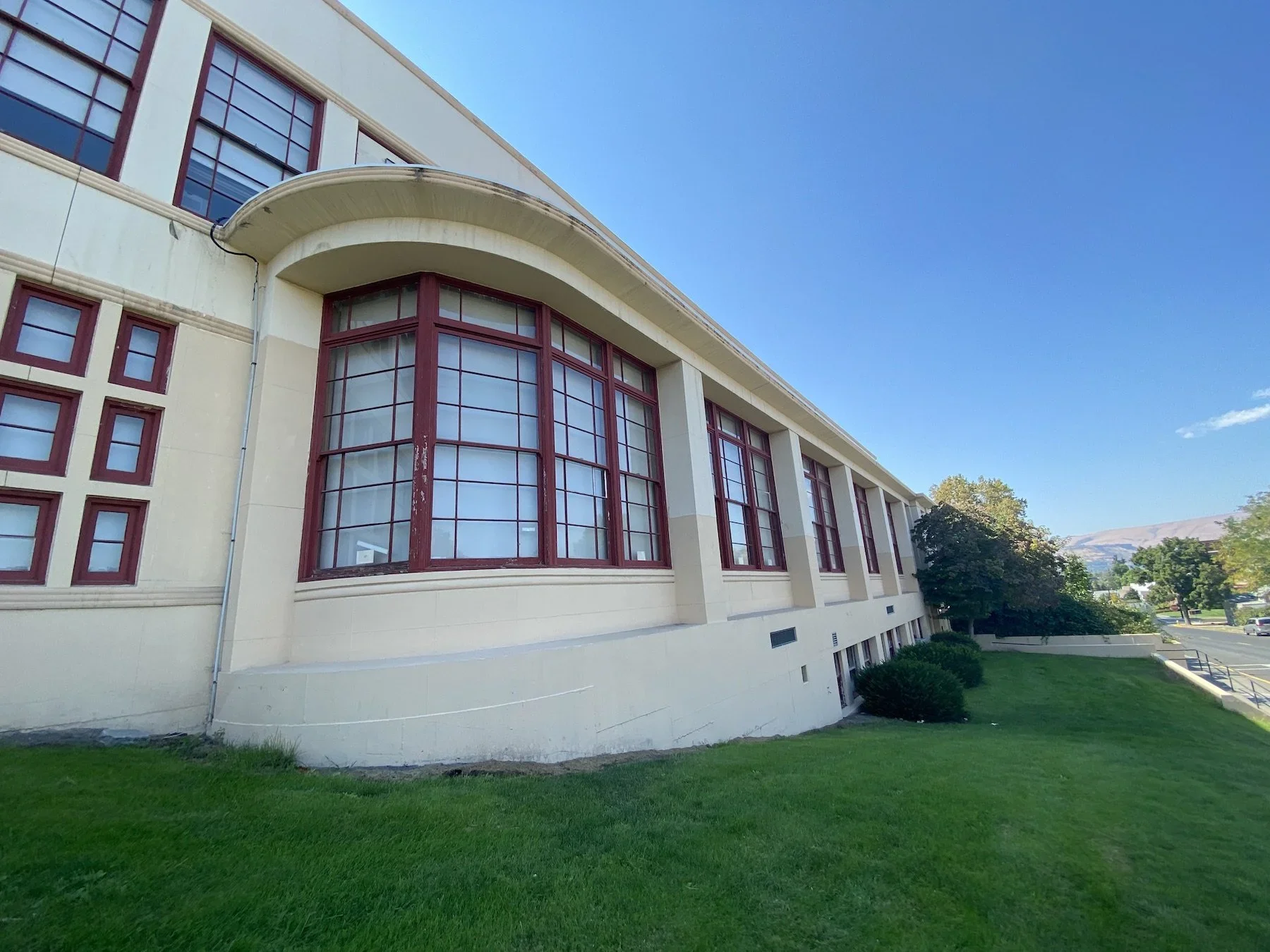
The Dalles High School
McGlothlin questions whether The Dalles needs a new high school, arguing that the existing building should be evaluated for renovation before the community commits to a project he estimates could cost $140 million.
His alternative would include new heating and air conditioning, windows, ceilings and lighting, along with a possible three-story building near the existing campus to provide additional classrooms and facilities.
“I want to look at every possibility,” he said.
McGlothlin said he would support a new high school if voters approved one, but wants the community to compare renovation costs and benefits with those of new construction. He also favors keeping the school in the city center, saying schools are important to a community’s identity.
Downtown projects and spending
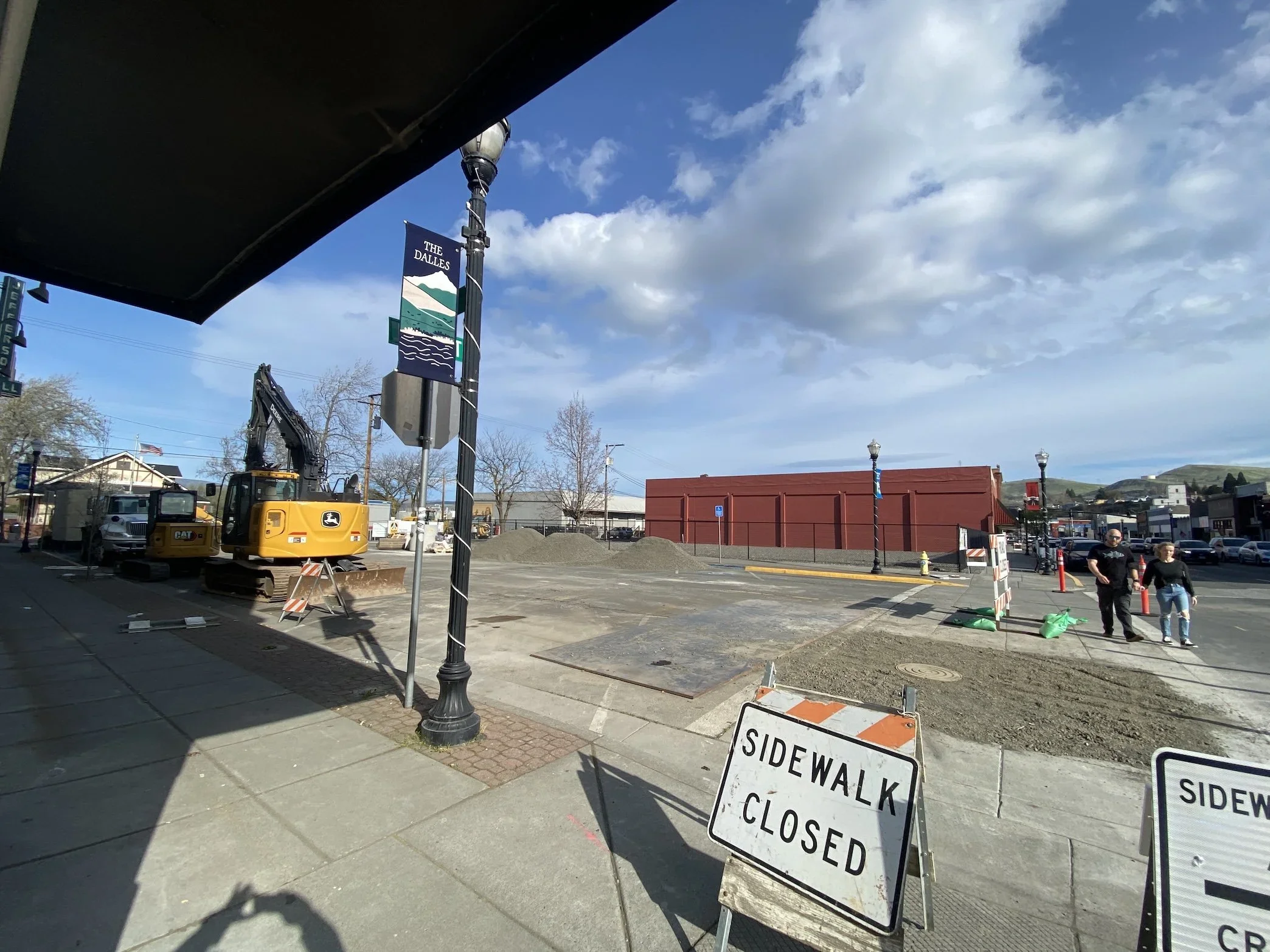
McGlothlin supports completing downtown projects already underway, including First Street improvements and Federal Street Plaza, before taking on additional projects.
“We have to finish up the projects that we have in place,” he said.
He also wants clearer criteria for urban renewal spending, emphasizing public benefit and responsible use of funds. Although construction disruptions are difficult for businesses, he said abandoning projects midway would not serve the community. He sees potential for upper-floor housing and indoor pickleball courts in downtown buildings.
A longer-term vision
McGlothlin wants the city to evaluate its performance and communicate results to residents while remaining cautious about spending as major infrastructure needs loom.
After more than five decades in The Dalles, McGlothlin says his campaign is rooted in the belief that city government should serve the entire community.
“I want you to know that we all own this town. It doesn’t belong to anyone in particular. But everyone owns it. I believe in transparency and open dialogue, and I listen,” he said.