
The Realities of Importing Portland’s Superfund Waste to Wasco County: Toxic Cargo and Tight Turns
By Robin Denning for CCCNews, The Dalles. Ore
The debate over the potential importation of contaminated sediment from the Portland Harbor Superfund site into Wasco County is currently a matter of important, preemptive environmental advocacy.
While an EPA update on June 10, 2026, stated the project remains in its design phase with no disposal contracts signed, community advocates like Neighbors for Clean Air are highlighting the massive ecological risks to ensure local interests are protected.
An investigation into how a century of Portland’s heavy industrial waste ended up on a short-list for a rural Wasco County hillside reveals a story that extends beyond community environmental anxiety. It highlights a pivot point where modern environmental realities require updated data and transparency, particularly regarding a municipal ordinance that has not been meaningfully updated since 1996, highlighting a need for renewed public oversight as described in Oregon Revised Statute (ORS) 459.320.
This report examines how the community can use this critical window to address evolving governance responsibilities, oversight, and financial dependencies before any future superfund transport plans are finalized. This report also offers explored recommendations for implementing continuous environmental monitoring ensure a robust information baseline for public safety before the cargo ever arrives.
The Socioeconomic and Environmental Baseline
According to WasteImpactTracker.org The Wasco County Landfill, owned by Waste Connections, is currently at 76.6% capacity, accepting approximately 923,389.5 metric tons of waste annually while utilizing an active gas collection system.
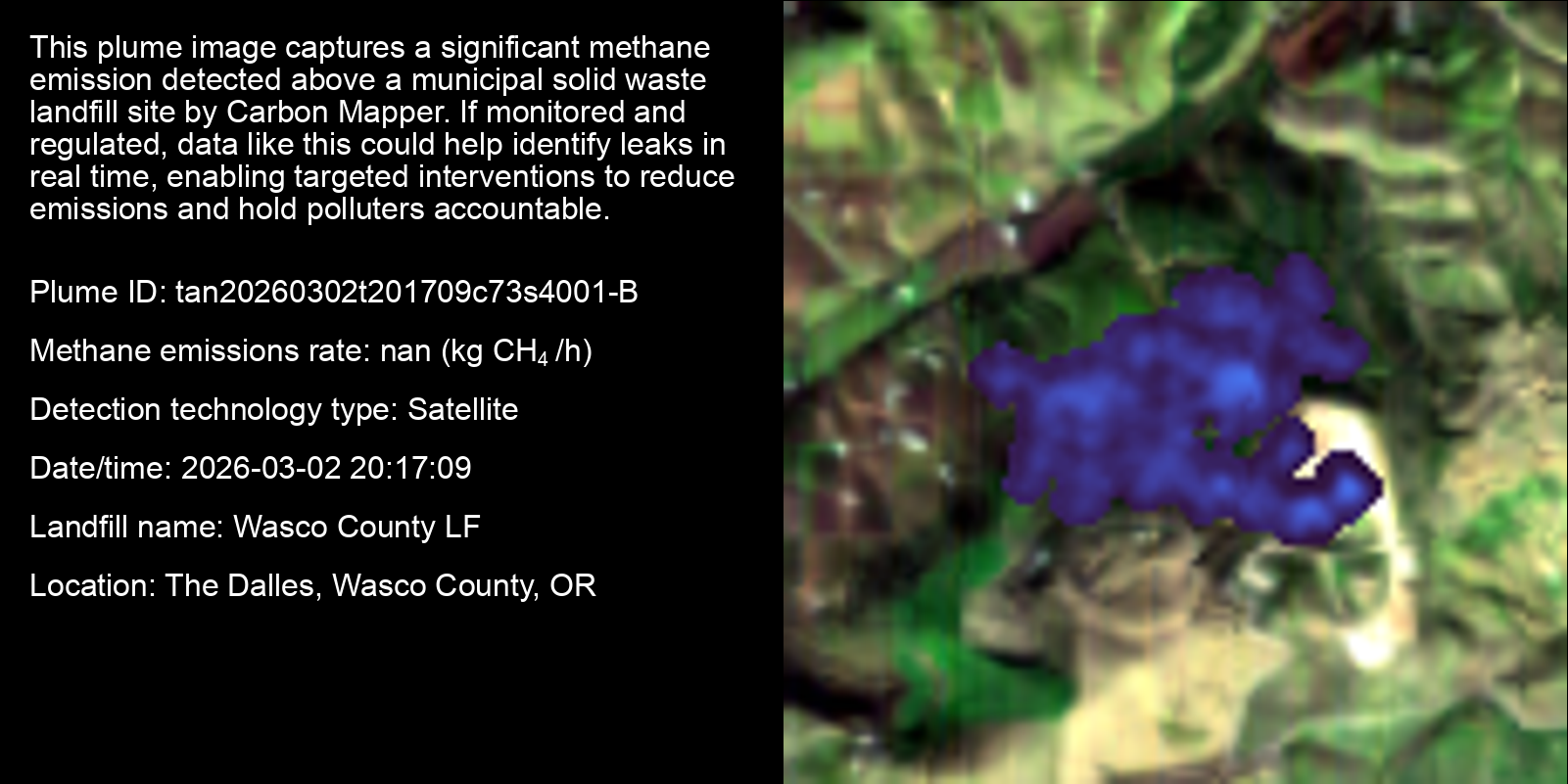
Results from satellites tracking methane emissions at the Wasco County Landfill can be found online: Link to Source
The surrounding community faces significant health and socioeconomic challenges compared to the impact of other landfills in Oregon with averages including higher rates of COPD (9.0% vs 7.0%), high blood pressure (34.7% vs 31.1%), and coronary heart disease (8.9% vs 7.2%). Environmental justice data reveals that 24,767 residents near the site are exposed to PM 2.5 levels higher than 90% of the country, and 6,868 people are exposed to hazardous contamination from Superfund sites at levels exceeding 90% of the nation. Furthermore, local drinking water quality is flagged for having some of the highest numbers of violations in the country.
Part I: The Superfund Cargo and the Toll on "Driveline"
For nearly a century, the 11-mile stretch of the Lower Willamette River spanning from Portland's Broadway Bridge to the southern tip of Sauvie Island operated as the industrial engine of Oregon.
It was an era of unchecked liberty for shipbuilding, wood treatment, chemical manufacturing, and commercial fuel storage. When the EPA declared the harbor a Federal Superfund site in December 2000, it confirmed what decades of environmental studies had signaled: the riverbed mud had turned into a toxic sink.
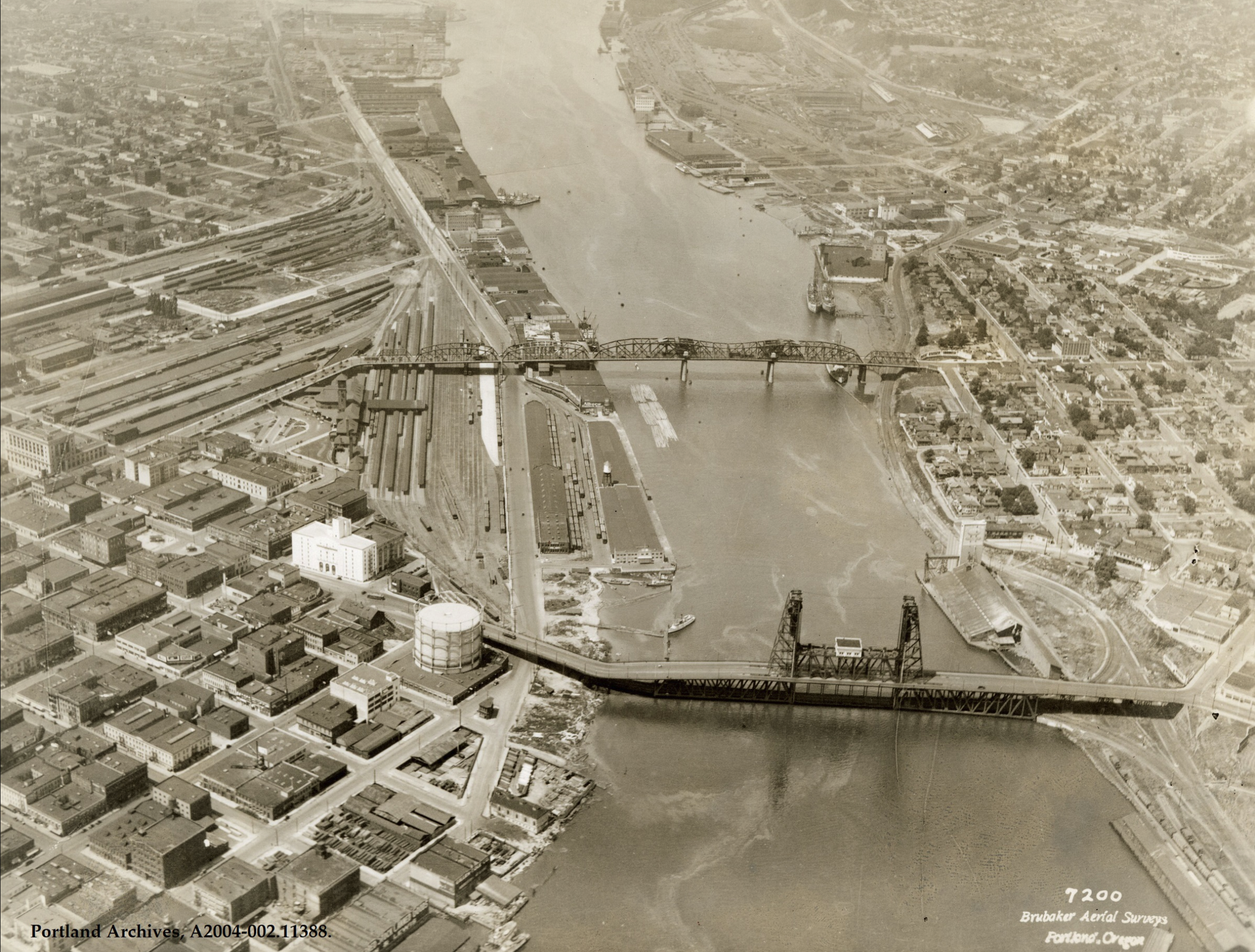
Aerial view of Portland and the Willamette River at the Steel Bridge and Broadway Bridge, circa 1927 - city of Portland archives. The Portland Harbor between the Broadway Bridge and Sauvie Island has been classified a Superfund Site because of the toxins that have been deposited by companies into the sediment in this stretch of the river. Those potentially responsible parties are now working toward a plan to dredge and dump some of the sediment, possibly in Wasco, Gilliam and Klickitat counties.
According to the EPA, tightly bound within the river's underwater sediment are high concentrations of:
Polychlorinated Biphenyls (PCBs)
Legacy pesticides (such as DDT and DDE)
Carcinogenic Polycyclic Aromatic Hydrocarbons (PAHs)
Dioxins
While the EPA notes that swimming in the Willamette remains safe because the toxins are bound to the heavy floor mud, the resident fish, including bass, catfish, and carp, are so heavily bioaccumulated with toxins that strict consumption warnings have been in place for decades, disproportionately affecting subsistence fishers and local Native American tribes.
Now, to clean the river, the mud must move.
The logistics of the EPA's current operational concepts are stark: during a dry hauling window running from July to October, EPA modeling envisions up to 200,000 truckloads over 13 years, averaging about 120 trucks per day, to carry the dredged, semi-dried sludge out of the Portland metro area.
For residents of Wasco County, the geographic reality of that convoy would hit a bottleneck just outside the city limits. Trucks exiting Interstate 84 would transition onto Highway 197 before executing a sharp, slow turn onto Five Mile Road to access Waste Connections owned, Wasco County landfill.
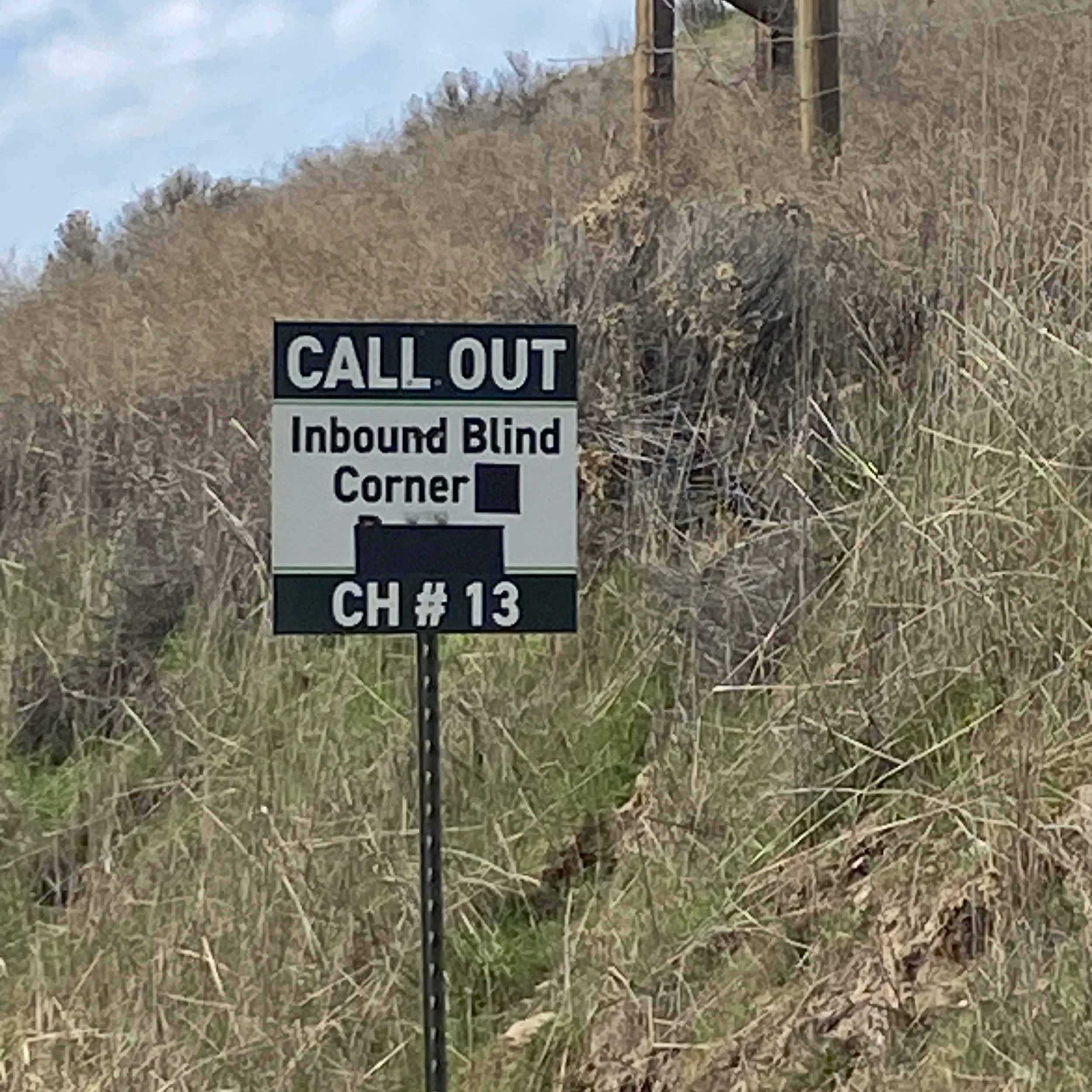
Blind corners, tight turns and heavy traffic have made Five Mile Road to the Wasco County Landfill dangerous and difficult as a new plan to add even more traffic to the busy rural road has emerged.
To local ranchers and wheat farmers whose properties border the asphalt, Five Mile Road is known by another name: Driveline.
The Origin of "Driveline"
The nickname is born of mechanical attrition. The road is a punishing, steep series of switchbacks and blind corners. The grade is so severe that heavy commercial semi-trucks routinely blow out their U-joints and snap their drivelines attempting the climb, occasionally leaving multi-ton vehicles stranded in the path of oncoming traffic or forcing descending rigs to cross completely into the opposing lane to clear the corners. The infrastructure was engineered for local agricultural transit, not a multi-month industrial assault carrying half a million tons of Superfund waste.
The sheer volume of diesel required to achieve this monumental task is a core focal point of the Neighbors for Clean Air campaign standing against draft EPA plan. The group points out:
"Air quality modeling presented to the Portland Harbor Collaborative estimates that long-haul trucking could generate up to 71,000 tons of carbon dioxide emissions over the life of the project."
Read CCCNews Article from March 17th 2026 "Wasco County, Arlington, Bickleton eyed for hazardous sediment dumping from Portland; TD pushing back"
Part II: The Three Mile Creek Slide Risk & The Monitoring Gap
The physical strain on the road, however, is secondary to the community conversation surrounding structural concerns looming at the top of the hill.
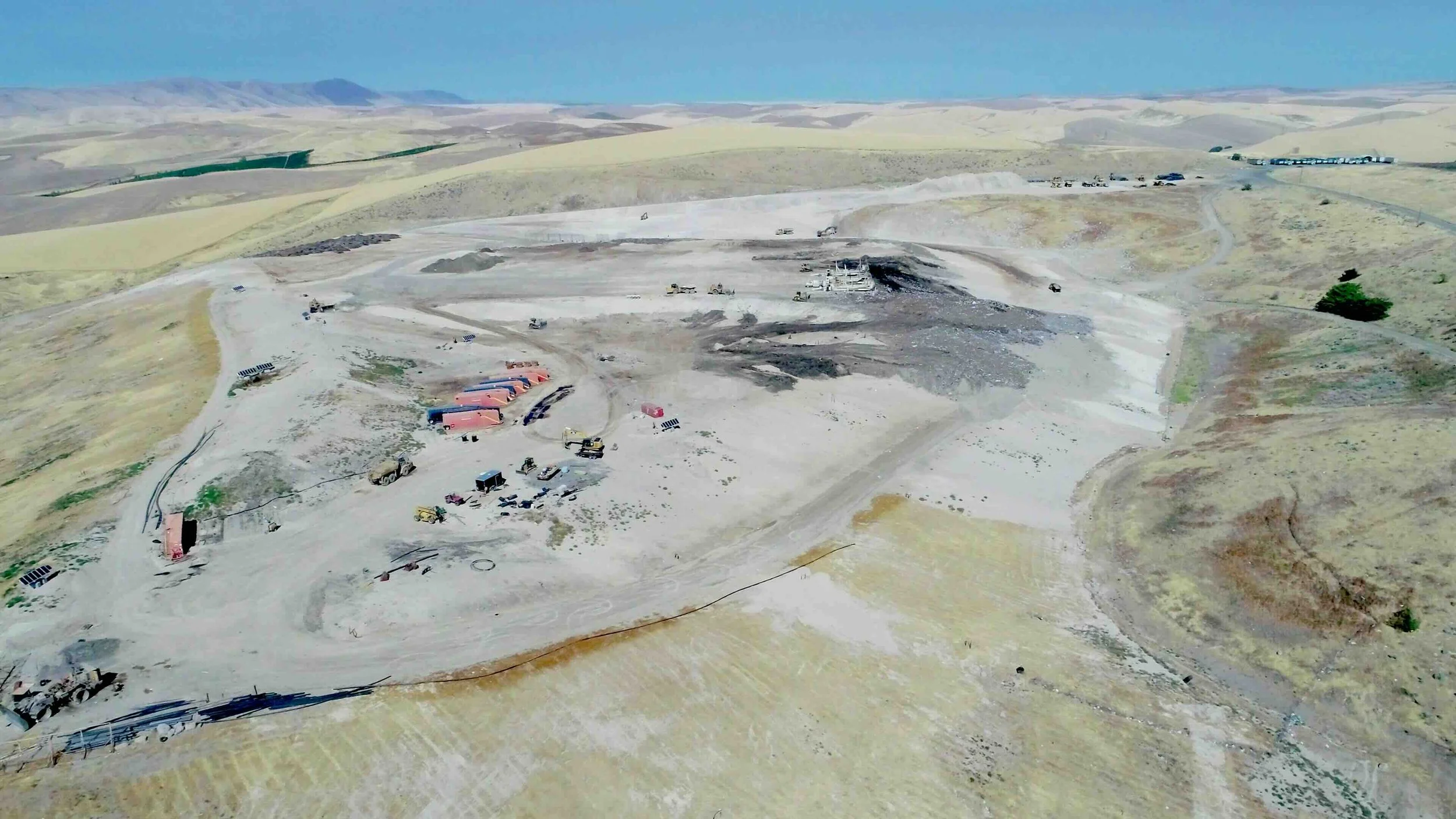
Ariel View of Wasco County Landfill, Owned and Operated by Waste Connections Inc
The Wasco County Landfill, at 2550 Steele Road, sits perched roughly 1,000 feet above the city of The Dalles, positioned directly adjacent to the vulnerable Three Mile Creek watershed. Local landowners have long pointed out that portions of the underlying geology in this specific upland area are prone to active earth movement and historical slide zones.
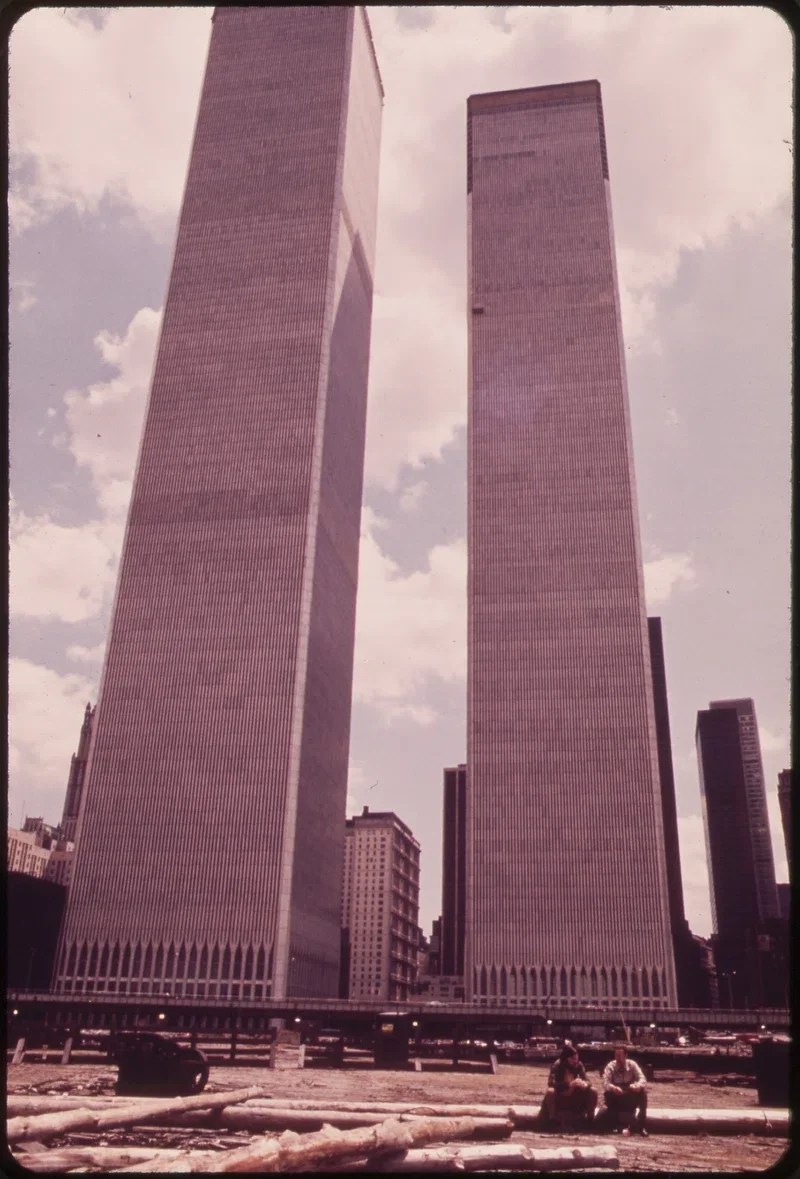
World Trade Center in 2011, for weight reference.
The core engineering anxiety revolves around the sheer physical mass of the incoming sediment. River mud is notoriously heavy, retaining significant moisture even after undergoing pre-transport drying processes. Dumping 500,000 tons of this dense, compacted material onto the existing landfill footprint introduces a massive vertical and lateral load. For comparison; a single World Trade Center tower was estimated at 500,000 tons.
While regulators emphasize the high compressive strength of 60-mil HDPE liners in the landfill, questions regarding liner reliability persist based on other regional incidents.
Landfills in Oregon have faced significant maintenance challenges, such as the repairs required at St. Johns Landfill to address liner boot defects and tears, and structural failures at Coffin Butte where liner displacement led to methane leakage. Additionally, enforcement actions at Hillsboro Landfill regarding leachate accumulation have highlighted the intense hydraulic pressures that can stress liner systems.
These precedents, alongside state mandates for strict Special Waste Management Plans (OAR 340-094-0040) underscore why community advocates are calling for enhanced transparency and oversight regarding how the additional load and toxins present of Superfund sediment might impact the long-term integrity of local containment systems.
The Regulatory Response
Despite these concerns, the Oregon Department of Environmental Quality (DEQ) maintains that current standards are sufficient for the potential arrival of the Superfund dirt:
"DEQ is not concerned with the additional weight of sediment waste coming from the superfund site. The materials used for landfill liners (e.g. 60 mil HDPE) have high compressive strength and tearing of the liner is typically caused by improper installation and initial placement. DEQ does keep records of the materials and specifications used for the lining and has reviewed the construction certification reports detailing as-built specifications."
According to the department, the risk of groundwater contamination is mitigated through design, construction, and operating requirements. DEQ enforces requirements set by the federal Resource Conservation and Recovery Act (Subtitle D) to protect the environment from contaminants. Regarding water safety, DEQ specialists added:
"DEQ does not believe sediment from the Portland Harbor poses additional risk to groundwater or local water systems in the vicinity of the Wasco County Landfill."
However, looking into the actual monitoring currently available indicates an alarming gap real data on the issue. According to the DEQ, "The Wasco County Landfill does not monitor for PCBs." While the permit requires monitoring of groundwater, leachate, and landfill gas, the testing focuses on chemicals commonly found in standard landfill leachate, rather than the specific, highly toxic legacy organic pollutants identified by the EPA in the Portland Harbor sediments.
When we asked Wasco County about local regulation of toxic materials, Dr Kelly Howsley-Glover, Wasco County Community Development Managing Director, noted:
"I recognize there is community concern about the Portland Superfund disposal site search. However, the types of waste that are allowed to be disposed of at the regional landfill are under the purview of DEQ and defined by the permit they issue. That permit also has requirements with respect to environmental monitoring, etc.”
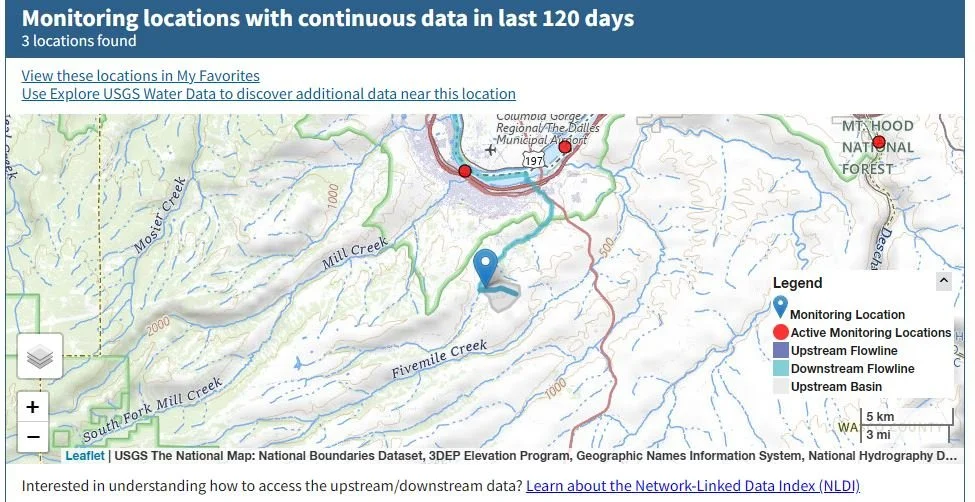
Furthermore, independent verification of local water health is nearly impossible. While a water monitoring station’s location below the landfill site can be found in a Oregon Water Science Center database, reliable public data is a different story, Scott Deweese of the USGS clarified the status of the station:
"The station you referenced is inactive and was never funded for continuous data collection... This location has only one discrete measurement on record: a water year maximum value from 1947."
| Regulatory Standard | Information & Safety Consideration |
|---|---|
| DEQ: The engineered 60-mil HDPE liner is highly secure and won't fail under the weight of the sediment. | Information Needs: Providing transparency on active earth movement and historical landslides in the upland area helps the community understand structural risks near 3 Mile Creek. |
| DEQ: The risk of groundwater contamination is mitigated through design, construction, and operating requirements of the Landfill Operator, enforced by the federal Resource Conservation and Recovery Act (Subtitle D). | Safety Gap: Current permits do not require monitoring for PCBs. Establishing an information baseline for these toxins supports long-term public health and watershed safety. |
| Wasco County: The volunteer SWAC reviews the permittee's monitoring results, and does not act as a regulatory body. DEQ are the subject experts on permitting and monitoring requirements. | Information Gap: Because the DEQ permit and state law vest all monitoring authority with DEQ and the permittee, local bodies (SWAC, County, Public Health) lack the legal jurisdiction to mandate monitoring for emerging toxins. |
Part III: Evolving Governance Responsibilities
Wasco County Community Development is currently modernizing its local Solid Waste Ordinance, a document that has remained largely static since its 1996 inception and currently lacks the regulatory scope to oversee landfill operations. This legislative update, slated for presentation to the County Commissioners this autumn, represents a critical window for aligning local policy with contemporary state statutes. It offers a proactive venue for the community to shape a new Materials Management Ordinance centered on transparency and rigorous public safety benchmarks, even as the DEQ permit maintains primary authority over waste acceptance and monitoring protocols.
According to Dr. Howsley Glover and the DEQ,: The updated draft will also be renamed the Materials Management Ordinance to align with modern language used by the DEQ, incorporating components of Oregon's Recycling Modernization Act (RMA). For regulatory oversight, the new ordinance will lean on Oregon Administrative Rules (OAR) Chapter 340, specifically:
OAR 340-093: Solid Waste: General Provisions
OAR 340-094: Solid Waste: Municipal Solid Waste Landfills
OAR 340-095: Solid Waste: Land Disposal Sites other than MSW Landfills
OAR 340-239: Landfill Gas Emissions
According to Chapter 340, part of the oversight of solid waste includes the Solid Waste Advisory Committee (SWAC), a volunteer body appointed by the BOCC to review permittee monitoring, siting, operation, closure, and long-term monitoring, while providing a forum for public comment as per ORS 459.325. Dr. Howsley-Glover provided additional context
" The SWAC is not a body that reviews waste disposal policies. Their duties are clearly defined in ORS 459.325 and are focused on the relationship with the permittee and preparing a report to summarize citizen concerns to the DEQ. Those citizen concerns are evaluated by DEQ as part of their permitting process."
For a long time, Environmental Health North Central Public Health District (NCPHD) maintained some advisory oversight of the county's solid waste committee. However, that is no longer the case.
Oregon law does not mandate solid waste regulation for Local Public Health Authorities (LPHAs), and the duty was never included in the Wasco County-NCPHD Intergovernmental Agreement (IGA). Consequently, the health district stepped out of the role entirely. Lacking legal authority to regulate or halt incoming waste, local public health is restricted to a passive, non-voting, advisory capacity, as NCPHD Director Martha McInnes clarified:
“Several years ago, the North Central Public Health District (NCPHD) learned that coordinating the Solid Waste Advisory Committee (SWAC) fell outside its legal authority. With new staff perspective, the district recognized that solid waste management is a highly specialized field requiring technical expertise beyond its scope. We initiated a discussion with the county to step back from SWAC oversight, and Steve Kramer began the process with county counsel of modernizing the ordinance and the committee makeup, and Kelly assumed that task.
NCPHD has collaborated with the Community Development Department to provide input on the local ordinance revision (now referred to as the "Materials Management Ordinance") and the SWAC, to ensure individuals with the appropriate technical knowledge are sitting at the table to advise the county on complex waste management decisions. We will continue to support and advise where our expertise is helpful.”
Beyond immediate permitting, the long-term liability structure of the facility presents future governance risks. While private landfill operators often create subsidiary corporations to shield parent companies from post-closure liabilities, the legal responsibility for the site typically rests with the operator for only 30 years following closure. After this period, the county and it’s citizens assume responsibility for any emerging issues, such as groundwater contamination. Consequently, local activists are investigating opportunities for independent oversight, including exploring Oregon legislative precedents for drone-based methane testing and seeking to review the landfill's specific franchise agreement with the county to ensure robust protections for future generations.
| Regulatory Area | State / DEQ Position (RCRA Subtitle D) | Local & Citizen Perspective |
|---|---|---|
| Liner & Structural Integrity | High compressive strength 60-mil HDPE liners prevent tears; weight from dredged sediment is within safe parameters. | Local landowners note underlying geology includes active earth movement and historic slide zones near 3 Mile Creek. |
| Chemical Monitoring Requirements | Standard leachate/groundwater testing under RCRA Subtitle D is sufficient; PCB (and many known superfund toxins) monitoring is not required by permit. | Community advocates point out that without baseline PCB testing, undetected migration of legacy Superfund toxins remains an unmanaged risk. |
| Oversight Roles | Waste acceptance criteria and monitoring requirements are set by DEQ permit; testing is executed by the operator (Waste Connections). | Wasco County's SWAC reviews operator-submitted monitoring data and routes public concerns to DEQ under ORS 459.325. |
Part IV: Following the Money
Despite its name, the Wasco County Landfill is not a public utility; it is a private commercial venture operated by the Texas-based corporation Waste Connections Inc. under a long-standing franchise agreement with the county. And for a rural county managing tight fiscal constraints, that franchise agreement represents a massive stream of regular revenue.
An examination of the updated 2026 annual fees collected by Wasco County directly from the landfill operator reveals a profound financial dependency:
Provided by Wasco County Finance Dept
When asked if the county has received information regarding potential revenue impacts from the Portland Superfund disposal search, Dr. Howsley-Glover stated:
"In our conversations with Waste Connections as we work through affiliated agreements, we have asked for updates about the Portland Superfund site search. The latest we have heard from Waste Connections is that they have not been in contact with EPA or anyone involved with that site search. Without any information including impacts to operations, tonnage, hauling, and volume, I cannot speculate about potential revenue."
Meanwhile, advocacy groups like Neighbors for Clean Air are filling community spaces to voice intense opposition. They point out that transporting this sediment east carries a staggering $6 billion regional transportation price tag, which they characterize as a massive, counterproductive investment in fossil fuel consumption when alternative in-river options, such as filling the Ross Island quarry lagoon in Portland, are actively being explored.
To highlight another local hauling operation for size reference: The Columbia River barges that we see carrying grain from Wasco, Sherman & Gilliam Counties, replace roughly 3,600 to 4,000 semi-truck trips every year that would otherwise drive on I-84.
Part V: The Clock to 2027 and the Path Ahead
Clarifying the federal timeline, Caleb Shaffer, Remedial Project Manager for the Portland Harbor Superfund Site Collaborative Group, provided an update during a June 10, 2026, meeting:
"We are completing this design work, essentially the blueprints for the physical cleanup that will occur... We have agreements in place [where] EPA is overseeing that design work... When EPA, at any Superfund site, moves to the cleanup phase, we negotiate a new agreement, and typically that agreement is a consent decree...
We have been in active negotiations developing what will be the framework for the cleanup... Our goal is to have those consent decree negotiations complete by early 2027... The actual cleanup plan [is] that it takes some time for contractors to get on board and plans to be finalized... so the actual physical cleanup and dredging—when we’d actually see boats in the water, would occur in 2028 given mobilization requirements and fish window requirements... The Oregon Department of Environmental Quality is also a signatory to that consent decree, so they’re actively engaged in negotiations as well."
A Proactive Path Forward
In an era defined by a widening spectrum of environmental contaminants, basic environmental monitoring serves as an essential safeguard for public health. Because the DEQ has verified that the Wasco County Landfill lacks existing protocols for PCBs and various legacy pollutants inherent to Superfund sediment, the local movement for enhanced oversight presents a pivotal opportunity. Establishing an information baseline through consistent data collection is a necessary, preemptive measure to shield regional natural resources and community safety before any finalized disposal agreements take effect.
The federal project’s current design phase offers a narrow, yet vital, window for community-led advocacy. As the EPA transitions toward formalizing consent decrees and soliciting logistics contracts, the push for independent environmental surveillance is not intended as a regulatory confrontation. Instead, it seeks to generate a transparent data foundation, empowering residents with a clear understanding of their ecological surroundings and fostering long-term community well-being.
While the financial requirements of such oversight are frequently viewed as prohibitive, these challenges are not inherently terminal. Correspondence with the United States Geological Survey (USGS) confirms that while state law places the burden of monitoring on the landfill operator, various grants and collaborative programs exist through state and municipal partnerships. Leveraging these resources to implement a joint monitoring framework could provide the public, the DEQ, and the SWAC with access to critical, real-time metrics that remain fully transparent and accessible to the public.
You can find monitoring of methane emissions at Wasco County Landfill by satellite here.
