
Thoughts from the Tractor Seat: Oregon’s Fabric, Fraying at the Seams
By Ken Polehn
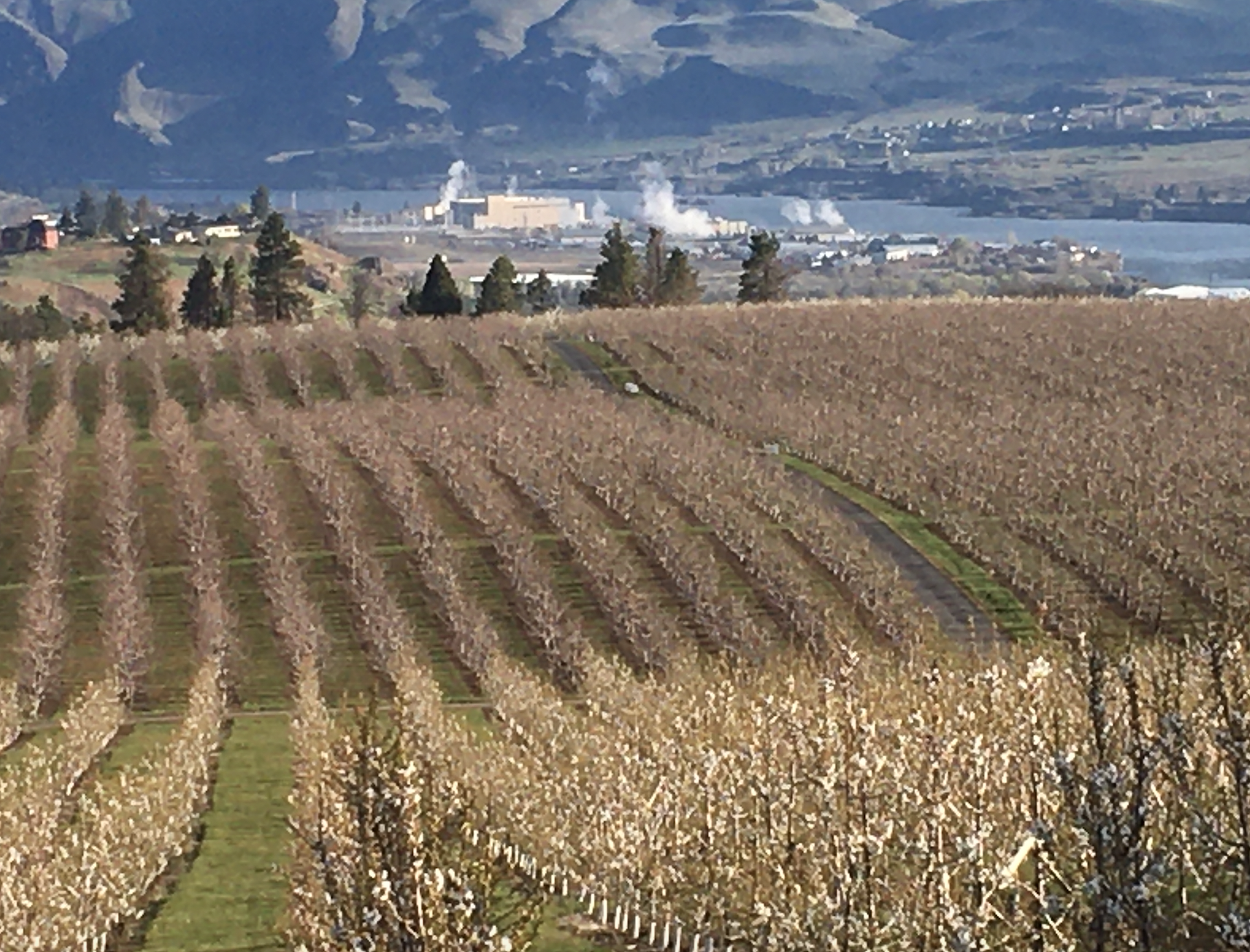
The Dalles, Ore., Oct. 4, 2025 — The first day of fall arrived this past week. Out in the orchard, the mornings carry a chill, the sky deepens to that September blue, and the seasons shift once again. Farming teaches you that change is certain — the blossoms of spring give way to summer fruit, and autumn reminds us that nothing stays forever.
This year, though, the changing of seasons feels heavier. Oregon is enduring what economists call a “historic wave” of layoffs. Intel has cut nearly 2,400 jobs in Washington County. UPS, Wells Fargo, Fred Meyer, Albertsons — all have announced cuts. In all, more than 11,000 jobs have disappeared since the start of 2024. It’s the largest round of losses since the Great Recession.
When I read those numbers, I don’t just see statistics. I see neighbors, friends, and families across this state wondering how to make ends meet as the weather turns colder. Just as farmers know the sting of a failed harvest, workers now feel the sting of jobs lost.
It’s tempting to blame it all on a single policy or politician. Some say it’s the CAT tax, or labor laws, or Salem’s heavy hand. Others point to corporate greed or global markets. There’s truth in some of that, but from where I sit on this tractor, the story runs deeper.
Oregon’s fabric was woven from resources. Timber, wheat, salmon, pears, aluminum, and later semiconductors built this state. They paid the bills, filled classrooms, and kept small towns alive. Our prosperity came from what we could grow, harvest, and make with our hands.
Then came the 1970s, when we reshaped our values. Senate Bill 100 gave us urban growth boundaries. Landmark environmental laws protected rivers and forests. We became known not just for what we produced, but for what we preserved. These were worthy choices, and I wouldn’t trade Oregon’s beauty or farmland for anything.
But every choice has its cost.
Urban growth boundaries raised the price of housing and industrial land.
Hydropower that once gave us cheap electricity now carries more restrictions and costs.
Schools have slipped, leaving gaps in the skilled workforce employers need.
And as politics grew more urban and progressive, many of the industries that built Oregon — farming, forestry, and manufacturing — felt left behind.
For a time, we managed. Tech boomed, newcomers moved here for the lifestyle, and Oregon’s reputation carried us. But when global storms hit — when Intel restructures or retailers tighten their belts — Oregon’s weaknesses are laid bare. We discover that we have more regulations than resilience, more taxes than tools, more preservation than prosperity.
This autumn, as leaves fall and orchards quiet, I can’t shake the sense that our state stands at a turning point. Prosperity and preservation must walk together. We can protect rivers and farmland while also supporting jobs and growth. We can honor workers not just with wages, but with steady employment.
The layoffs are painful. But they are also a warning: our fabric is fraying. If we fail to mend it, more jobs and opportunities will slip away. If we choose balance — remembering what built us, protecting what sustains us, and daring to build again — Oregon can still weave a fabric strong enough to last another generation.
From this tractor seat, watching the seasons change, I believe the time to mend the seams is now.
Support Local News!
Available for Everyone; Funded by Readers.