
Thoughts from the Tractor Seat: The Fruit Still Grows Here
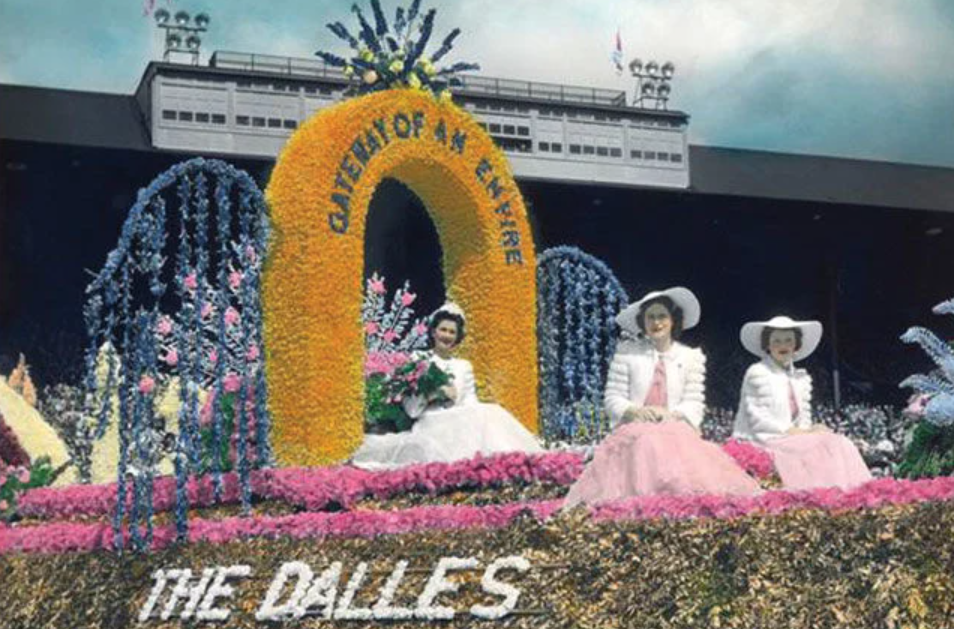
1940 Rose Festival Parade float, featuring Cherry Queen Helen (Spickerman) Elton. Local cherry growers fielded the float.
By Ken Poleh
Over the past few weeks, we’ve taken a walk through this place together.
From ladders set against steep hillsides above the Columbia…
to the days when wooden lug boxes lined the docks and trucks backed in tight…
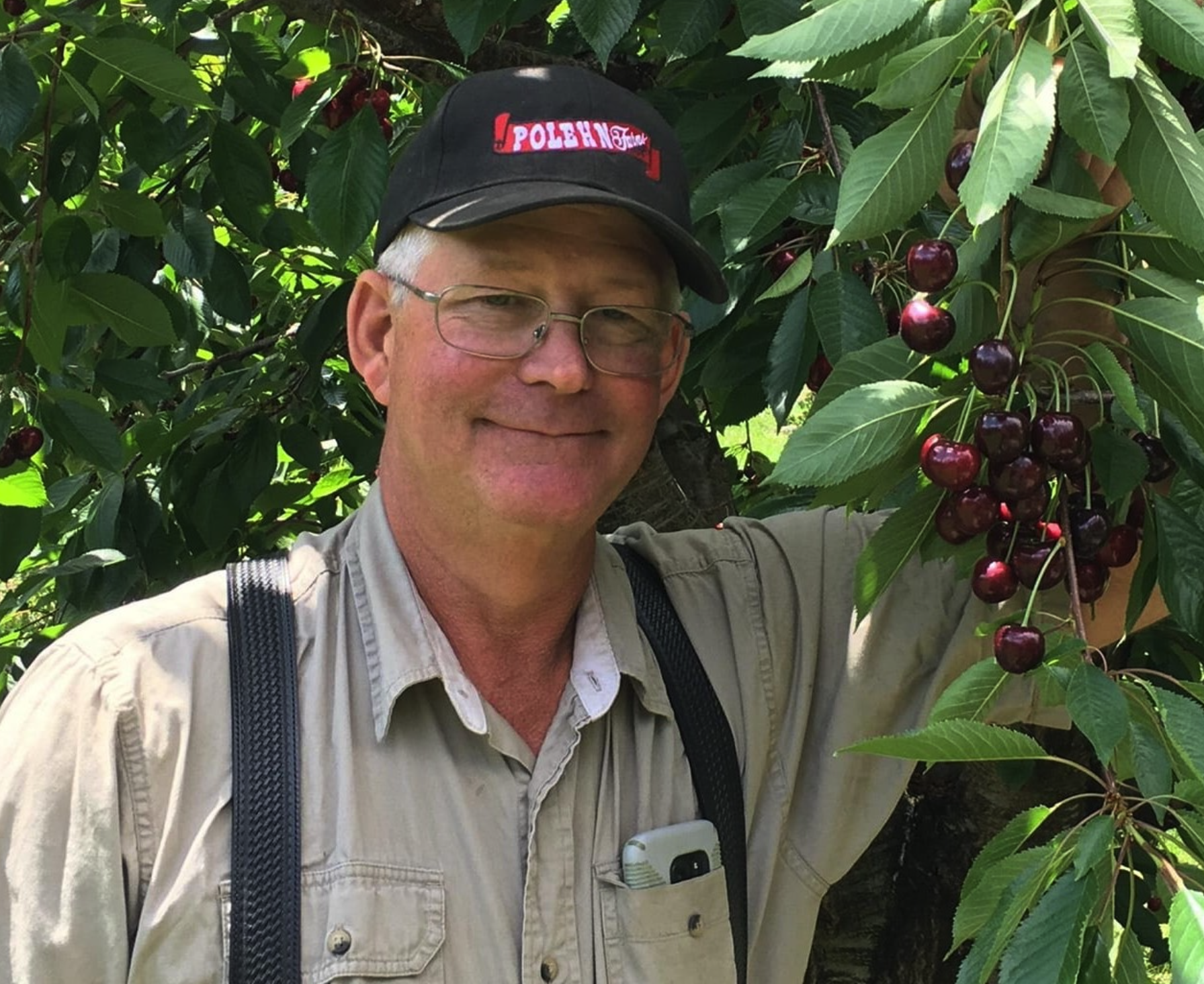
Ken Poleh
to the shift from processing to fresh, where precision became everything…
and the quiet truth that even as things change, the fruit still grows here.
Each piece tells part of the story.
But maybe, in the end, the most meaningful part isn’t the fruit at all.
It’s the people.
A final thought from the Tractor Seat.
The Cherry Festival didn’t just begin with parades or carnival rides—it began with opportunity. The crowning of a Cherry Sweetheart opened a door for young women in our community to step forward, to grow, and to represent something bigger than themselves.
These were local high school students—young women who found their voice, built confidence, and carried the story of our orchards far beyond The Dalles. They represented the cherry industry across Oregon and Washington, and in many cases, across the Pacific to Japan and other countries that have long valued the fruit we grow here.
That was no small thing.
For many, it was their first time traveling… their first time speaking on behalf of an industry… their first time realizing that this place—our place—mattered on a global stage.
And what’s even more meaningful is this: many of those young women are still here.
They’re part of the fabric of this community—raising families, leading businesses, volunteering, mentoring, and quietly giving back. The impact of that experience didn’t end when the crown was set aside. In many ways, that’s where it began.
That tradition didn’t just promote cherries.
It grew people.
It planted confidence, connection, and pride—roots that have lasted far longer than any single festival week.
Every generation finds its own way to carry things forward. Traditions evolve. They always have.
But if you look closely, you can still see it—the same spirit, the same pride, the same willingness to step forward and represent something bigger than yourself.
Because the cherries are still here.
The orchards still bloom above the river.
And the community that built this festival is still strong.
Like the trees we tend, what was planted back then is still bearing fruit today.
About the author.
I was born in 1961 into a second-generation farm family in The Dalles. I grew up on a tractor seat, moving irrigation pipe with my sisters before school, and spent my summers picking cherries alongside the children of migrant families who returned year after year. My wife, children, and parents have all worked the same land. I’ve served as county Farm Bureau president, sat on the county fair board, and continue to support 4-H and FFA. I’ve seen firsthand what happens when farmers are squeezed out—not just of business, but of the conversation.
Support Local News!
Available for Everyone; Funded by Readers.