
Thoughts from the Tractor Seat: The Wound No One Wants to Heal
Thoughts from the Tractor seat by Ken Polehn
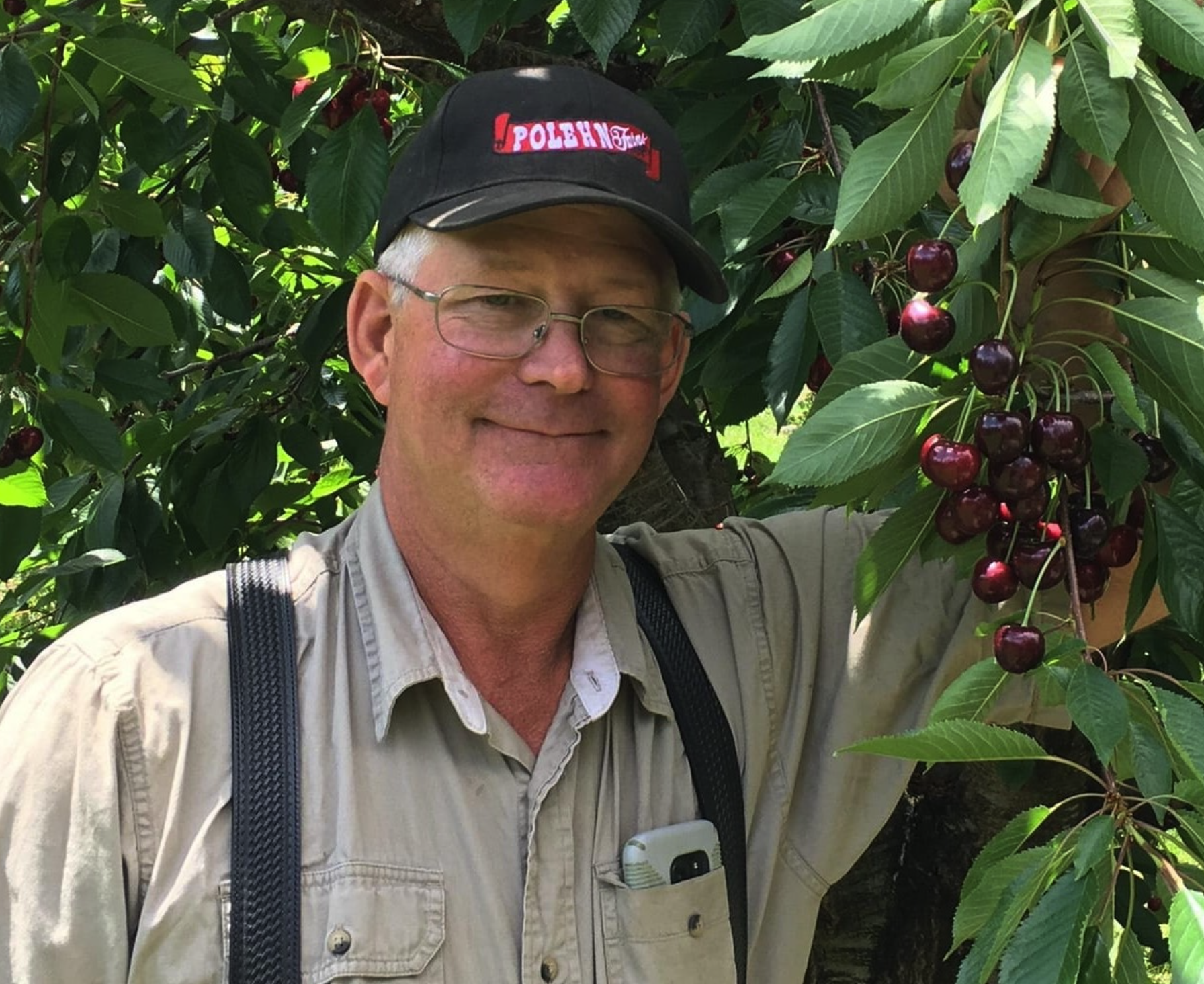
Ken Polehn
A friend of mine from Wisconsin — someone I knew well back in high school in the ’70s, who still runs the milking parlor on her family’s farm — put it bluntly on social media the other day: farmers have been taking it in the shorts long before the latest headlines. Trade policies sold as “free” or “fair” have often done more harm than good. Yet Americans continue to enjoy abundant, cheap food. The people who grow it?
Struggling.
That’s a wound no one wants to heal.

I know this reality because I’ve lived it. Decades spent in orchards, fields, and on the tractor seat have shown me firsthand that long hours, careful stewardship, and sweat don’t always translate to a fair return. From regulatory burdens that punish minor mistakes to trade deals that hand markets away for political optics, the system stacks the odds against family farms. This isn’t theory or news copy — it’s the daily grind of farmers and farm workers trying to keep the land productive, families fed, and communities alive.
Take Oregon wheat farmers. Over 90% of their crop is exported. Prices have dropped from $11 per bushel in 2022 to barely $5 today. The federal government has proposed a $15 billion bailout in response. For some, it may provide temporary relief. For many, it’s a reminder that systemic problems cannot be fixed with short-term checks. Farmers need predictable access to open markets, fair pricing that reflects the real cost of production, and policies that respect the work of both farm owners and the laborers who keep operations running. Subsidies are a Band-Aid, not a cure.
This isn’t just wheat. It’s cherries, pears, apples, and every specialty crop grown by family farmers across the Pacific Northwest. It’s every generation working the land, hoping that careful stewardship, long hours, and sweat will pay off. And it’s the farm workers — the men and women who plant, prune, harvest, pack, and transport these crops. Their labor is essential, yet all too often undervalued or taken for granted. Without their hands, knowledge, and dedication, the bounty of American agriculture simply would not exist. They, too, are part of this wound that goes unhealed.
But the wound has deepened — and it’s no accident. Corporate consolidation and financial speculation have quietly reshaped American agriculture. The top four meat processors control over 80% of U.S. beef. The same story repeats in grain handling, fertilizer, and retail groceries. Companies like Cargill, Tyson, and JBS influence what prices farmers receive, while retailers like Walmart and Kroger dictate what consumers pay. In between, the margins are swallowed by processing, packaging, logistics, and Wall Street investors who have never picked a cherry or driven a tractor.
Now, private equity firms and hedge funds — from BlackRock to pension-backed land trusts — are buying up farmland, water rights, and agricultural infrastructure. They call it “asset diversification.” To farmers, it feels more like dispossession. When farmland becomes an investment vehicle instead of a livelihood, the connection between land and people is broken. The focus shifts from feeding families to feeding portfolios.
Meanwhile, Americans consume cheap, plentiful food, contributing to some of the highest obesity rates in the world. The irony is bitter: the people feeding the nation struggle to survive, while the nation consumes without cost or consequence. There is a deep disconnect between those who produce our food and those who enjoy it — one of money, policy, and, ultimately, respect. The system allows abundance for consumers while ensuring hardship for producers. The profits flow upward — to multinational processors, corporate retailers, and financial institutions — while the people who grow, pick, and pack our food fight just to stay afloat.
The truth is uncomfortable, but necessary: farming in America is under siege. Not from weather alone, not from bad luck alone, but from decades of misaligned priorities, market manipulation, and a lack of recognition for the value of labor. Temporary bailouts may ease immediate pain, but the chronic, systemic wound deepens with every passing year. If these realities continue to be ignored, the next generation of farmers — and the farm workers alongside them — will inherit an even steeper climb, with fewer resources, shrinking land, and diminishing hope.
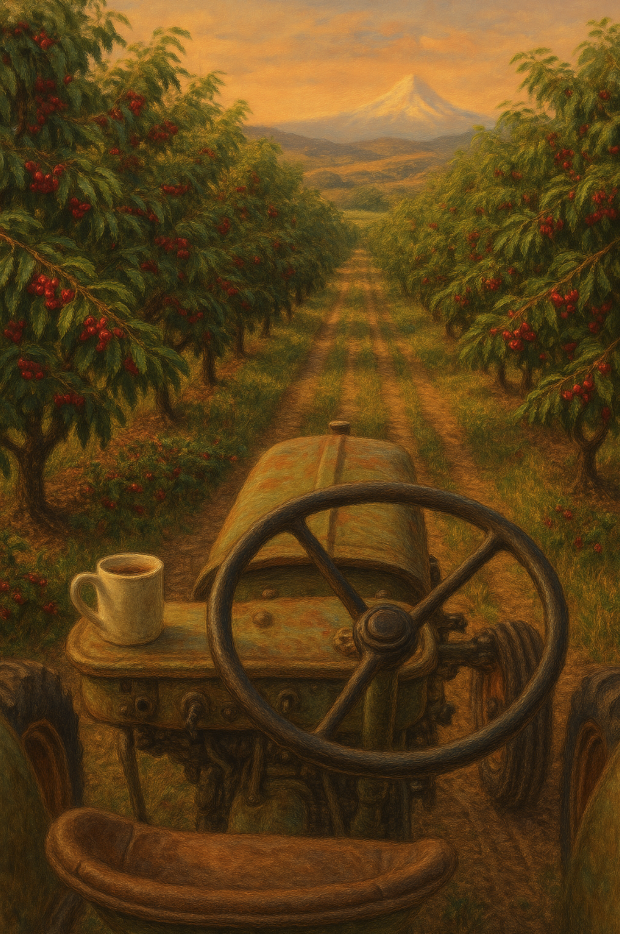
This is the real price of neglect. A Band-Aid may stop bleeding for a while, but it cannot heal what is fundamentally broken. Until policies, markets, and public understanding align with the true cost of producing our food — the sweat, skill, and sacrifice of farmers and farm workers alike — the wound will persist.
We must see it, name it, and face it. This is our food system. This is the human cost of neglect. And this is a wound America cannot afford to keep ignoring.
About the author.
I was born in 1961 into a second-generation farm family in The Dalles. I grew up on a tractor seat, moving irrigation pipe with my sisters before school, and spent my summers picking cherries alongside the children of migrant families who returned year after year. My wife, children, and parents have all worked the same land. I’ve served as county Farm Bureau president, sat on the county fair board, and continue to support 4-H and FFA. I’ve seen firsthand what happens when farmers are squeezed out—not just of business, but of the conversation.