
By Ken Polehn
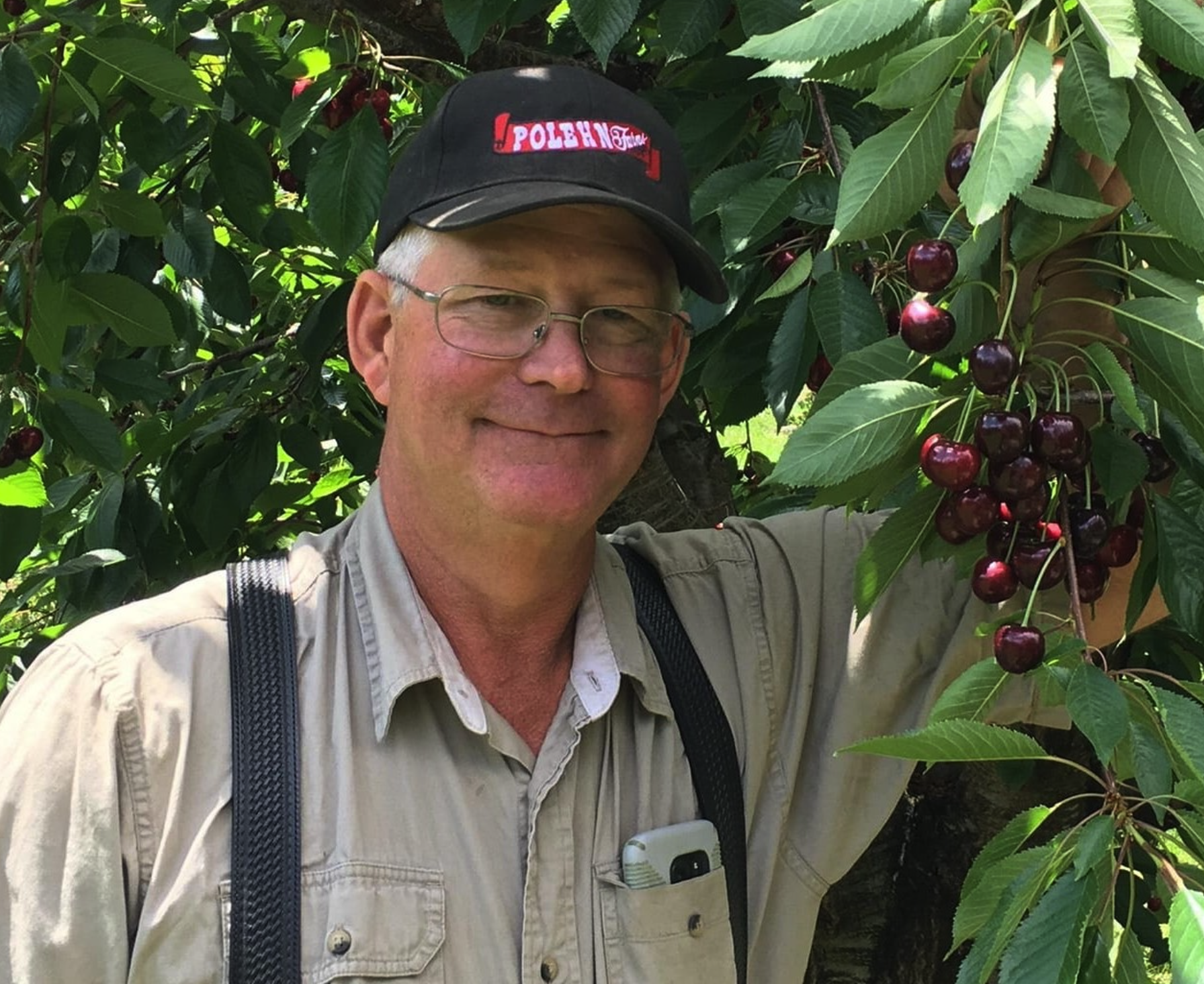
Ken Polehn
The 2025 Northwest cherry harvest is wrapping up. The trees gave us some of the best fruit we’ve seen in years—firm, sweet, and picture-perfect. But once again, growers across the region are left shaking their heads and tightening their belts. Because what came in the paycheck didn’t reflect the quality of the crop.
And I’m not alone. I’ve talked with fellow growers from Hood River to the Yakima Valley. Nobody is calling this a good year. Not because of the weather or labor—but because of how the market works now.
Let me be clear: our local packing houses in the Mid-Columbia region aren’t the problem. These are still family-run businesses, owned and managed by folks who live right here in our communities. They care about the fruit. They care about the growers. And they’re doing their best.
But just beyond our community lines, the picture changes. From Wenatchee to Yakima and beyond, many of the large-scale packers, brokers, and mega-farms are now either owned outright or heavily leveraged by investment groups—outside interests focused on quarterly returns, not rural resilience. The family names may still be on the sign, but behind the scenes, it’s Wall Street running the numbers.
And here’s the hard part to admit: the pickers got paid. The trucking companies got paid. The grocery stores made their margin. The brokers made theirs too. But the grower—the one who bore the risk all season—once again came last in line.
This isn’t just a one-off. It’s becoming a pattern. And it isn’t just cherries.
Apples Are in Crisis Too
In the past few years, apple growers in Washington State have suffered historic losses. Oversupply, trade disruptions, and market manipulation have battered one of our state’s flagship crops. Some longtime family orchards have already pulled trees or walked away altogether. The Washington Apple Commission reported that 2023 was one of the worst years on record for net returns to growers, even as retailers filled their bins with polished fruit.
A Different Crisis, but a Familiar Pain
Some of us remember the farm crisis of the 1980s. It was fueled by high interest rates, falling land values, and government policy whiplash. It hit hardest in the Midwest, but we felt it here in the Northwest too. Some of our neighbors lost their farms. Some never recovered.
That crisis was driven by debt. This one is different. Today’s struggle isn’t about foreclosures and banks—it’s about market control and consolidation. But the outcome could be the same: family farms going under. And this time, it may not be as visible. No auction on the courthouse steps. Just a slow bleed. A quiet surrender.
Where Do We Go From Here?
This is a turning point. If rural communities, small towns, and family farms matter to us, we need to start asking tougher questions:
Who controls the food supply chain?
Who sets the prices?
Why are we accepting a system where growers can produce a beautiful crop and still lose money?
There’s no easy fix. But we need to stand up for fairness in the marketplace. For our neighbors. For the next generation. Because when the grower disappears, so does the heart of rural America.
And that’s something no hedge fund can replace.
About the Author
I was born in 1961 into a second-generation farm family in The Dalles. I grew up on a tractor seat, moving irrigation pipe with my sisters before school, and spent my summers picking cherries alongside the children of migrant families who returned year after year. My wife, children, and parents have all worked the same land. I’ve served as county Farm Bureau president, sat on the county fair board, and continue to support 4-H and FFA. I’ve seen firsthand what happens when farmers are squeezed out—not just of business, but of the conversation.

Support Local News!
Available for Everyone; Funded by Readers.