
Thoughts from the Tractor Seat: Who Owns the Land Matters
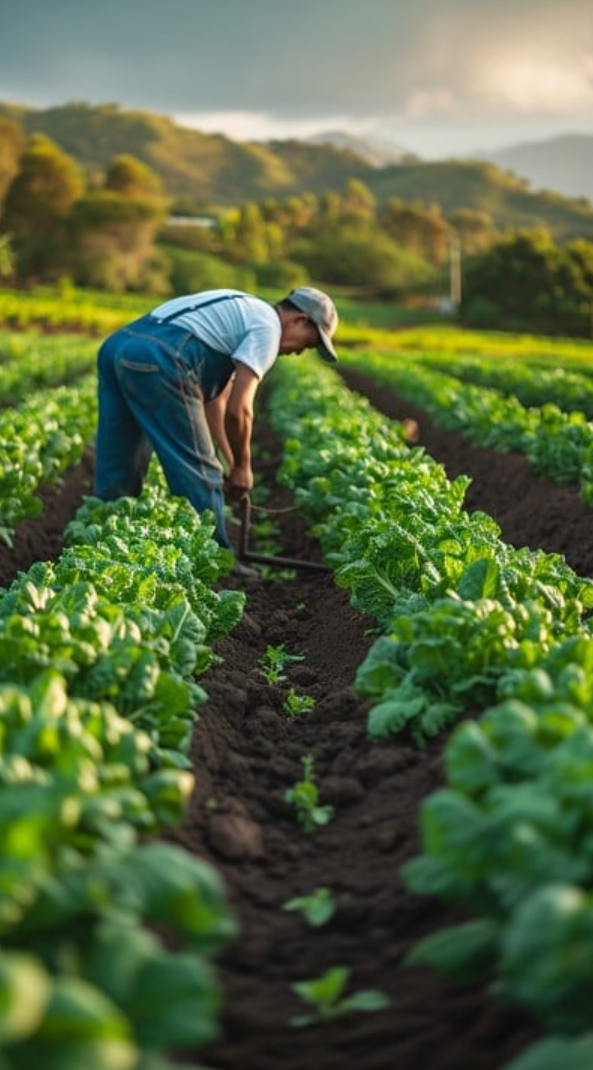
Thoughts from the Tractor Seat by Ken Polehn
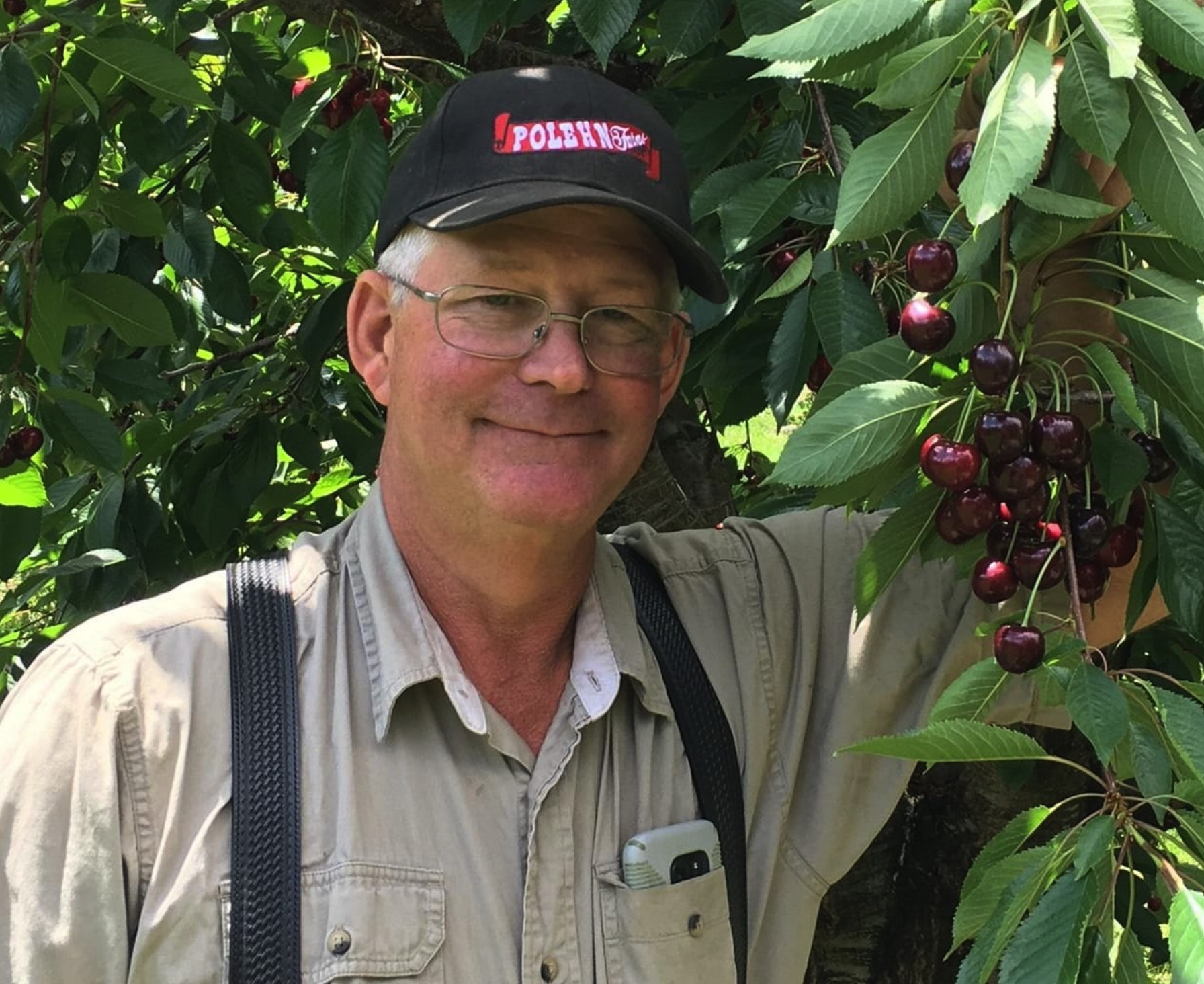
Ken Polehn
The Dalles, Ore., Nov. 5, 2025 — Who owns the land decides who eats — and who doesn’t.
As corporations and investors buy up farmland across America, we risk repeating a familiar story — where control of the land, and the food it produces, drifts away from the families who sustain it.
It’s easy to think farming is all about tractors, irrigation, and weather forecasts. But the real question shaping the future of our food system isn’t how we grow — it’s who owns the land.
Across America, more and more farmland is being bought or leased by investment firms, foreign corporations, and vertically integrated agri-businesses. These entities often have little connection to the soil or the communities around it. They view the land as an asset, not a heritage.
Big Ag and Big Grocery go hand in hand.
Their mission is clear — maximize profits for shareholders. There’s nothing inherently wrong with profit, but the motivation matters. These corporations aren’t measured by the flavor of a cherry or the health of the soil. They’re measured by quarterly returns.
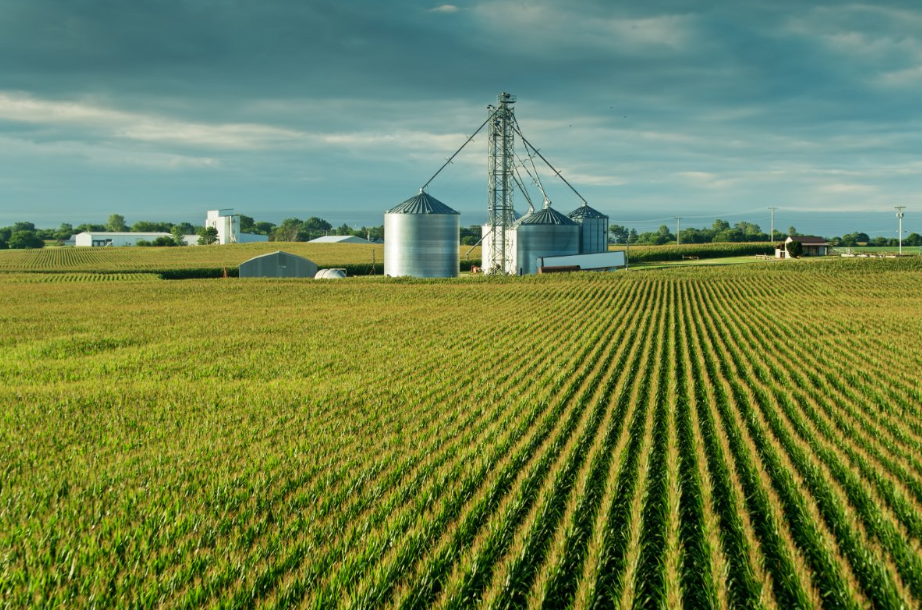
Meanwhile, family farms — even those of us who operate as corporations on paper — are measured by something entirely different: commitment.
Commitment to the land that raised us. Commitment to the workers who return each season. Commitment to our neighbors, our towns, and our way of life.
That’s why many of us incorporate. It isn’t to become “Big Ag.” It’s for protection — from liability, and the complicated realities of succession. We incorporate so our children and grandchildren can continue farming, not to sell shares on Wall Street.
But make no mistake: as consolidation accelerates, the balance of power shifts. When farmland becomes just another investment category, we all lose something sacred. Decisions about water, soil, and food availability drift from kitchen tables to boardrooms hundreds or thousands of miles away.
And history tells us again and again:
Who controls the land, controls the food supply —
who gets it, and who doesn’t.
When the Pharaohs of Egypt stored grain during famine, people became dependent on their mercy. In medieval Europe, kings and landlords owned the fields, and peasants worked them for survival, not prosperity. In the 20th century, Soviet collectivization took land from farmers “for the good of the people,” but it starved millions. Even in modern times, nations that surrender food production to a few corporate or government interests find themselves vulnerable — not just economically, but politically.
Control the land, and you control the people.
That’s why private, family-based ownership matters. Families who live on their land don’t just grow food — they nurture it, protect it, and pass it forward. The land isn’t a number in a portfolio; it’s a living trust between generations.
And here at home, the warning signs are flashing. Each year, more American farmland falls under the control of absentee investors and corporate entities. Fewer families own or work the ground that feeds us. The grocery chains that set prices, and the conglomerates that control processing, are often the same ones buying into farmland itself. When that happens, the independence of both the farmer and the consumer begins to erode.
So yes, who owns the land matters.
Because ownership determines motive — and motive determines stewardship.
The family farm remains the backbone of this nation’s food system. If we lose that connection between the land and the people who love it, we won’t just lose farms.
We’ll lose the foundation of rural America itself.
About the author.
I was born in 1961 into a second-generation farm family in The Dalles. I grew up on a tractor seat, moving irrigation pipe with my sisters before school, and spent my summers picking cherries alongside the children of migrant families who returned year after year. My wife, children, and parents have all worked the same land. I’ve served as county Farm Bureau president, sat on the county fair board, and continue to support 4-H and FFA. I’ve seen firsthand what happens when farmers are squeezed out—not just of business, but of the conversation.
Support Local News!
Available for Everyone; Funded by Readers.