
Column: You Can’t Move an Orchard
Thoughts from the Tractor Seat By Ken Polehn
The Dalles, Ore., Aug. 1, 2026 — This week, Daimler announced it will move truck manufacturing from Portland to the Carolinas. The company says engineering and headquarters operations will remain in Oregon, but the manufacturing jobs will go elsewhere.
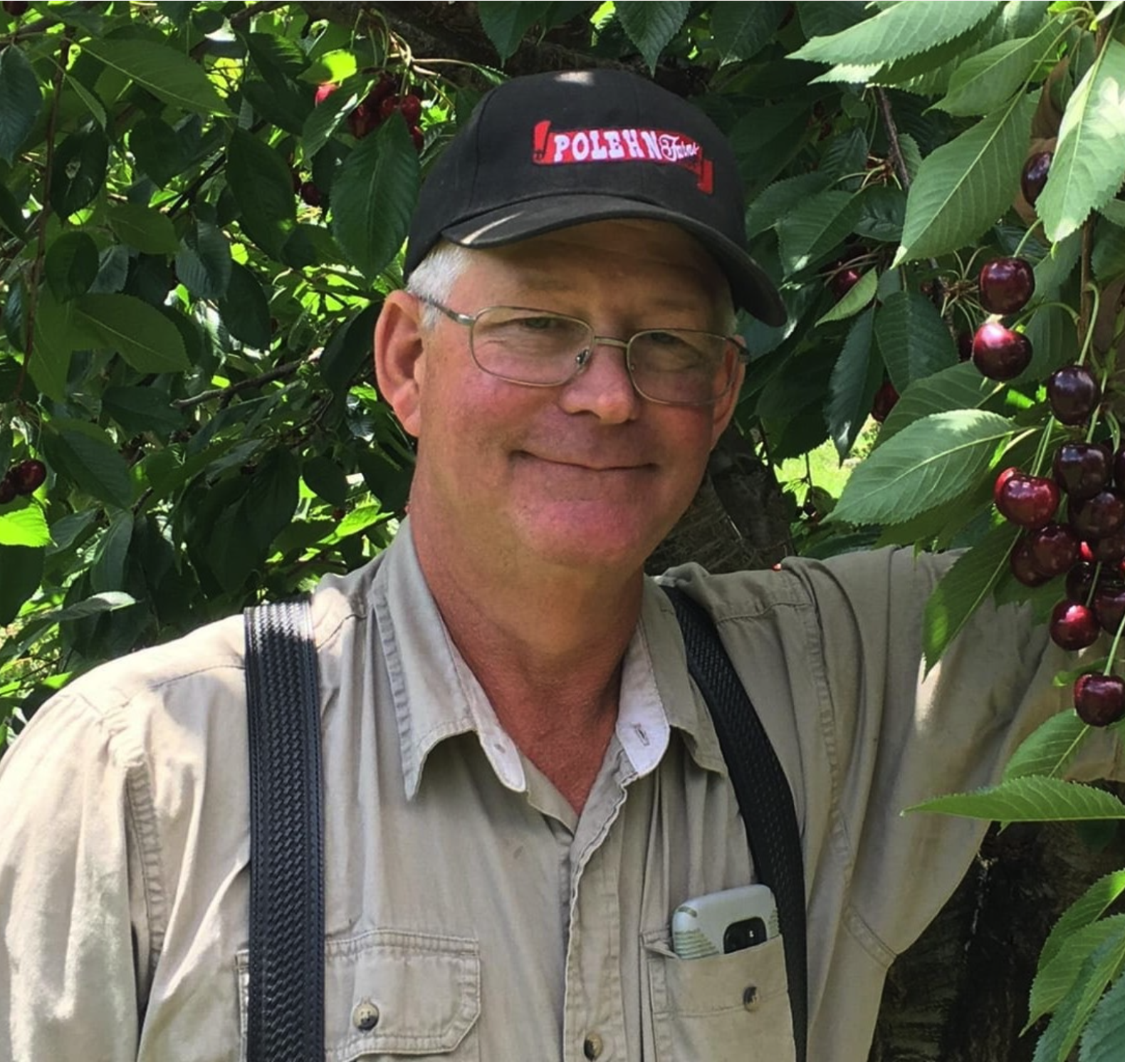
Ken Polehn
The announcement raises an important question: What makes a business decide it can no longer manufacture here?
For most industries, relocation is an option. A factory can be dismantled, equipment loaded onto trucks, and production restarted in another state.
Agriculture doesn't have that luxury.
I can't move my orchards to North Carolina. I can't load my soil onto flatbed trucks. I can't relocate my water rights, my climate, or generations of investment. Farmers are rooted where we are.
Our infrastructure is rooted, too.
Packing houses. Cold storage. Fruit processors. Irrigation districts. Equipment dealers. Trucking companies. Skilled workers. Local repair shops. These aren't just businesses—they are the support system that allows agriculture to exist.
When one piece disappears, the entire system becomes weaker.
We've already watched food-processing plants close. We've seen consolidation in packing and marketing. Rural communities have lost employers. Now Oregon is watching another major manufacturer move production elsewhere.
These may seem like separate stories, but they ask the same question:
Are we creating an environment where production can still thrive in Oregon?
Innovation matters. Research matters. Engineering matters.
But someone still has to build things. Someone still has to grow food.
If manufacturing leaves, another state may gain those jobs. If agriculture loses its infrastructure, the orchards remain—but the economic foundation beneath them slowly crumbles.
Food security depends on more than fertile land. It depends on the roads, processors, warehouses, mechanics, truck drivers, lenders, and businesses that make farming possible.
Those things are much easier to lose than they are to rebuild.
The conversation shouldn't be about blaming one governor, one legislature, or one political party. The real question is whether Oregon is becoming a place where ideas are created—but production happens somewhere else.
Because when an orchard loses the infrastructure around it, there is no moving truck waiting at the end of the driveway.
There is only the hope that we recognize what we're losing before it's gone.
— Ken Polehn
About the author:
I was born in 1961 into a second-generation farm family in The Dalles. I grew up on a tractor seat, moving irrigation pipe with my sisters before school, and spent my summers picking cherries alongside the children of migrant families who returned year after year. My wife, children, and parents have all worked the same land. I’ve served as county Farm Bureau president, sat on the county fair board, and continue to support 4-H and FFA. I’ve seen firsthand what happens when farmers are squeezed out—not just of business, but of the conversation.