
As Oregon's wolf population grows, debate shifts to livestock losses and management
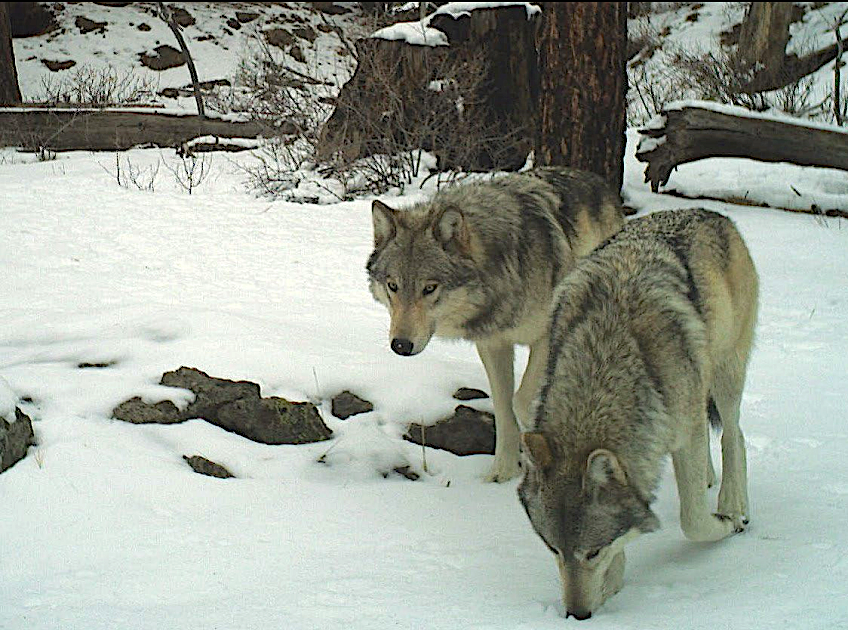
Editor’s Note: This is the second in a two-part series examining the growth of Oregon’s wolf population and the increasingly complex debate surrounding its impact on rural communities, ranchers, hunters, environmental advocates and tribal governments. Read part 1 by clicking here.
By Michael Williams with edits by Tom Peterson
The Dalles, Ore., May 27, 2026 —For many Oregonians, the question is no longer whether wolves belong in the state. Instead, the debate has shifted to how Oregon should manage the growing conflicts that accompany a recovering predator population.
Those conflicts are perhaps most visible in Eastern Oregon, where livestock producers, hunters and wildlife managers are increasingly dealing with the practical impacts of larger wolf populations.
More Wolves Comes With a Greater Loss of Livestock and Elk
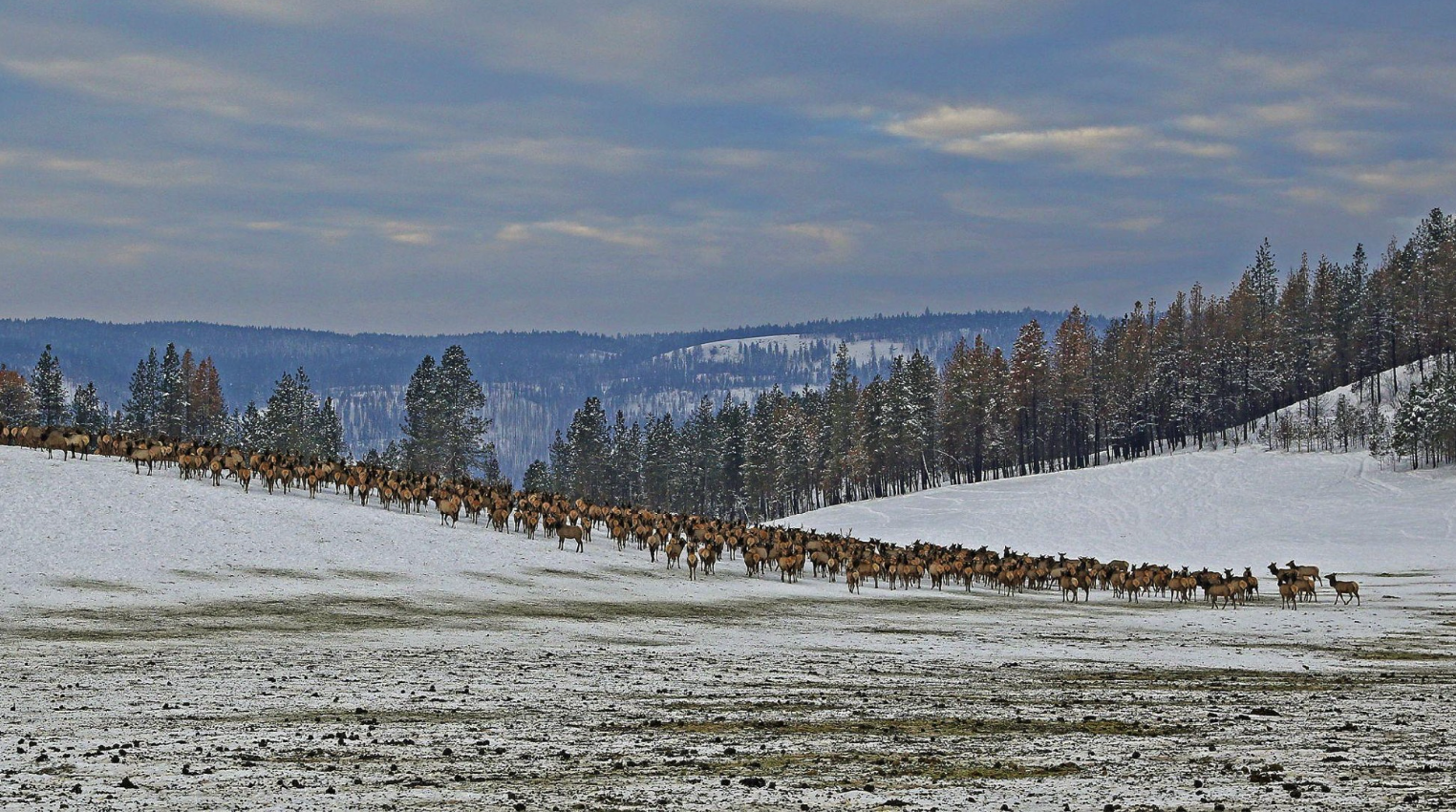
Winter conditions at Wenaha Wildlife Area near Troy in Wallowa County. Photo courtesy Keith Kohl, ODFW.
Depredation, the act of wolves killing or injuring domesticated animals, continues to stand at the forefront of wolf management debates across the state.
Livestock conflicts increased significantly in 2025, likely due in part to the continued growth in wolf populations. Over the last two years of monitoring, confirmed wolf-related livestock losses increased from 69 to 106 incidents, most of them occurring in Eastern Oregon. According to ODFW, 71% of all depredation incidents occurred in Morrow, Umatilla, and Wallowa counties.
Members of livestock and hunting organizations have expressed growing concern over the increasing number of wolves in the region.
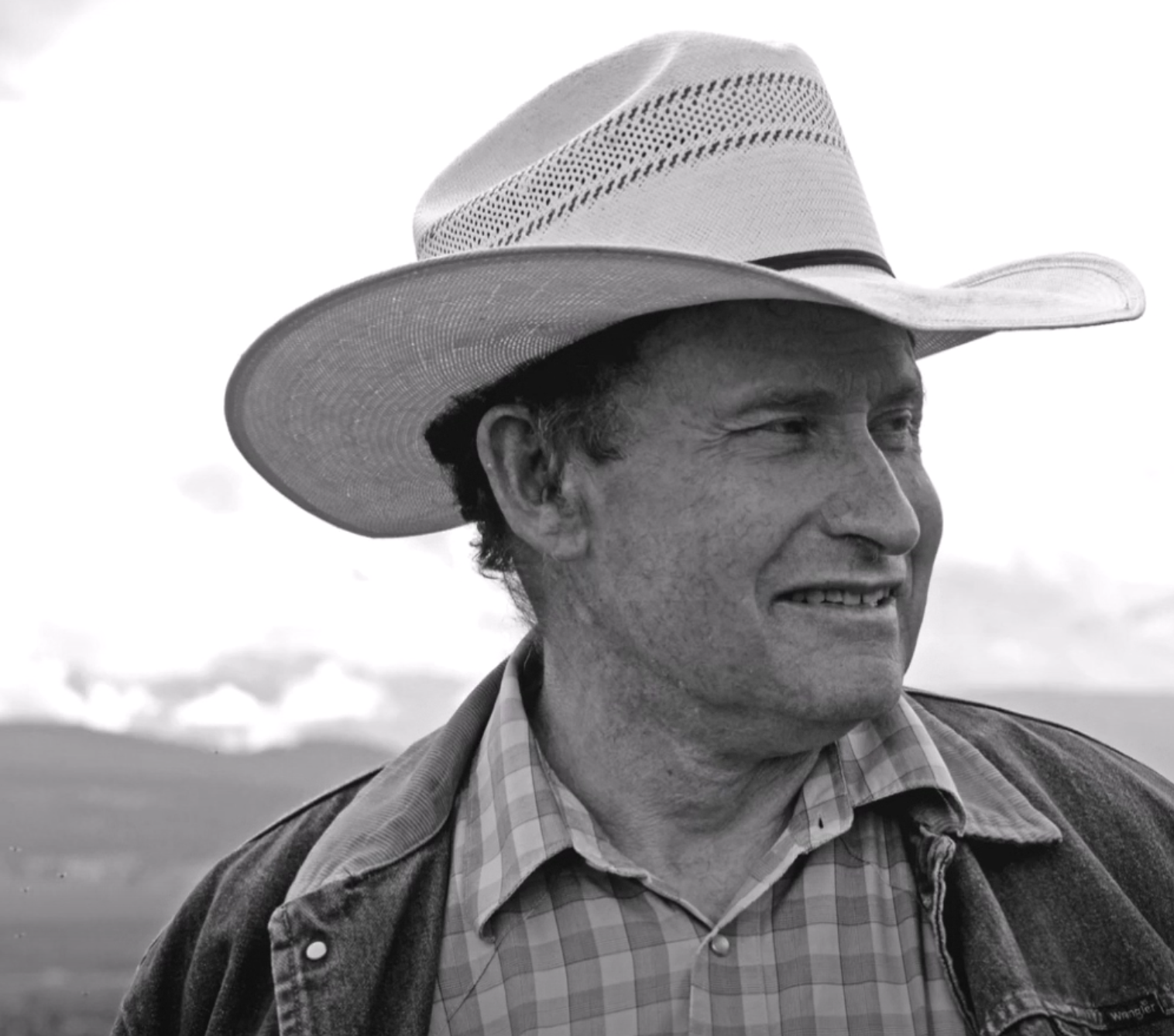
John Williams
“Depredations are but a small part of the devastating impact wolves have on ranchers…the losses to producers include both livestock production losses and increased operational management costs,” said John Williams with the Wallowa County Livestock Growers Association.
Hunting groups have also questioned whether increasing wolf populations are sustainable, though for different reasons. Wolves prey not only on livestock, but also on elk populations throughout the region.
The Oregon Hunters Association has expressed apprehension that increasing wolf numbers could negatively affect elk herds in Eastern Oregon. According to a study conducted in Wallowa County, a single wolf can kill up to 22 elk per year. Critics also frequently point to research conducted in Yellowstone National Park, where elk numbers reportedly declined from 19,000 to 7,000 during the 11 years following wolf reintroduction.
Despite these concerns from hunters and ranchers, state officials emphasized that wolf impacts are only one factor influencing elk populations.
ODFW officials said they are working to protect elk and other prey species while also accounting for additional pressures on wildlife populations, including drought, expanding urban-wildland interfaces, and changes in forest management practices tied to updates in the Northwest Forest Plan.
ODFW and Producers Work Towards Greater Collaboration
Multiple state officials emphasized the need for a proactive response to wolf conflicts rather than delayed responses, which livestock producers have criticized for years.
Nick Myatt, East Region manager for ODFW, agreed that better communication and collaboration with producers was essential moving forward.
The agency, he said, was dedicated to “instilling in all of our staff a culture of trust and transparency with the livestock community, as well as open communication with livestock producers and just more listening and less telling to collaboratively problem-solve.”
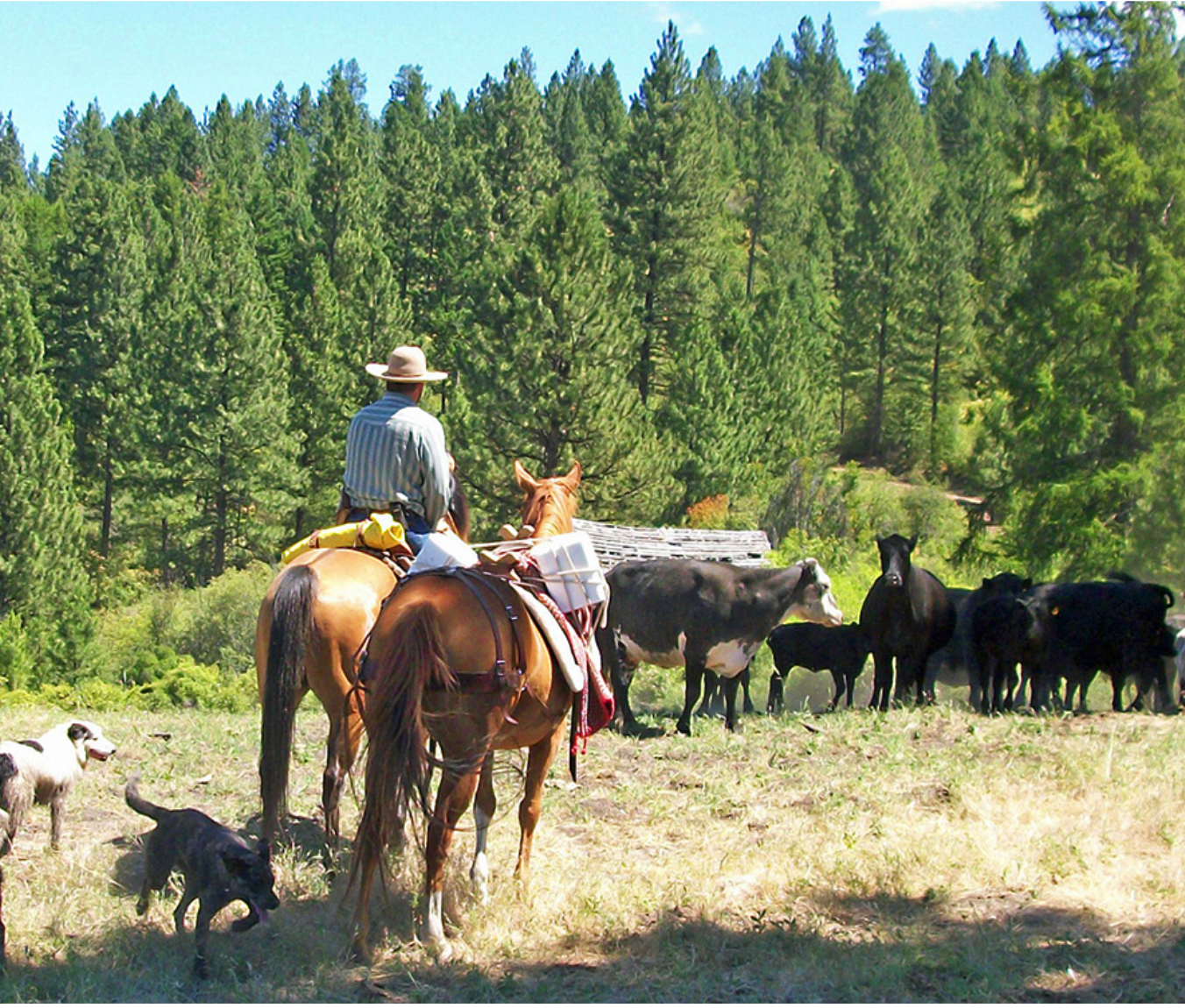
Rancher and Cattle. Courtesy Oregon Department of Fish and Wildlife.
Myatt also discussed several areas where the agency could improve, including recognizing the financial stress wolves place on livestock producers, addressing the agency’s limited staffing capacity, and supporting the well-being of both agency staff and producers.
Officials said future improvements in wolf management would likely depend on stronger outreach and producer assistance programs. Suggested approaches included conflict-reduction techniques, one-on-one relationship building with producers and wolf advocates, collaboration with key stakeholders, and clearer communication with the public.
Despite ongoing livestock losses, ODFW officials stressed that conservation remains central to the agency’s mission.
Roblyn Brown, the state wolf coordinator for ODFW, said “the department continues to make depredation management and response a high priority, with the goal of minimizing depredation while ensuring the conservation of wolves.”
Proposed Solutions May Hold the Key to Future Conflicts
As wolf populations continue to expand, officials and stakeholders are increasingly focused on strategies aimed at reducing conflicts before they occur.
One proposed method involves “carcassing,” the practice of placing animal carcasses away from grazing areas in order to attract wolves away from livestock. While the method has shown promise in other regions, it has not yet been widely adopted in Oregon.
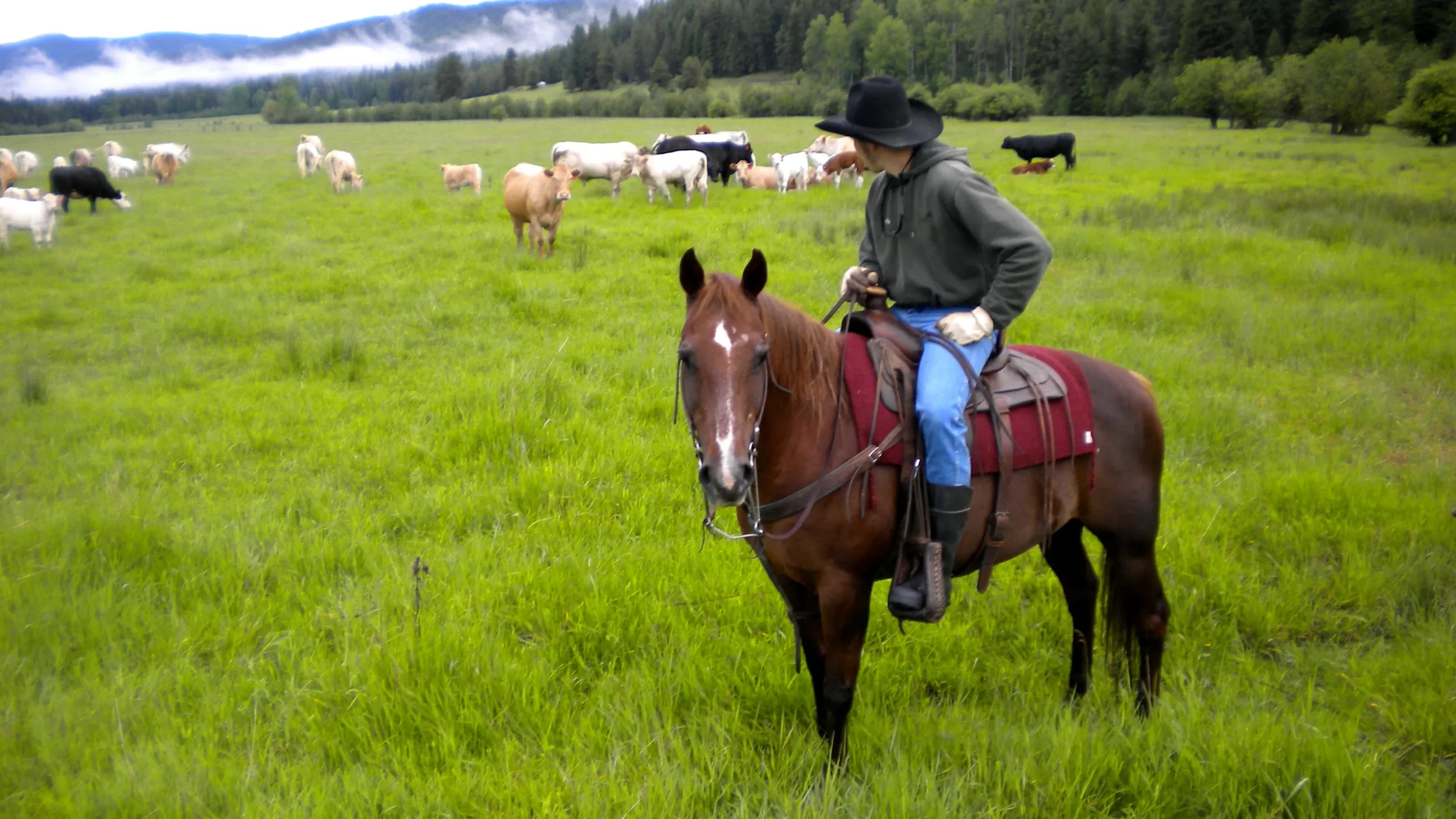
Range Rider in Northwest Washington. Photo courtesy Conservation Northwest.
Another proposal involves deploying additional range riders. During the summer months in Eastern Oregon, cattle are often dispersed across large grazing areas, making monitoring difficult. Officials suggested that increasing the number of range riders and wildlife officers patrolling those areas could help deter wolf attacks.
Officials also acknowledged that Oregon’s east-west management zones may be overly broad and could potentially be replaced with smaller management regions that better reflect local conditions and regional differences.
Public testimony highlighted the growing divide between stakeholders over how Oregon’s wolf policies should evolve moving forward.
Environmental Groups Have Other Concerns
Not everyone who attended the meeting agreed with how wolf management discussions were being conducted. Some attendees criticized committee members for placing too much emphasis on the concerns of livestock producers while giving less attention to environmental advocates and tribal perspectives.

Alma Rosie Sanchez, a carnivore biologist with the Nez Perce Tribe
Alma Rosie Sanchez, a carnivore biologist with the Nez Perce Tribe, voiced concerns over the direction of wolf policy discussions.
“Allowing a single stakeholder group to effectively drive and pace the direction of wolf management outside of the formal plan process and in contradiction to ODFW’s own scientific findings sets a dangerous precedent,” Sanchez said. “We believe these challenges are best addressed through a process that is scientifically rigorous, procedurally sound, and inclusive of all affected governments and communities.”
Several environmental groups also criticized how ODFW determines when lethal wolf removals are justified. Critics argued that those decisions are too heavily influenced by economic losses faced by livestock producers rather than broader ecological considerations.
Amaroq Weiss, senior wolf advocate with the Center for Biological Diversity, argued that “the deceptive rationale used by the department for killing multiple wolves last year is significantly disturbing and it raises questions as to the lawfulness of those kill actions.”
“Last year, ODFW justified killing seven federally protected wolves, alleging they were threats to human safety,” Weiss said. “Overwhelming evidence reveals they were killed for repeated conflicts with livestock and posed no risk to humans.”
The Future of Wolf Management in Oregon
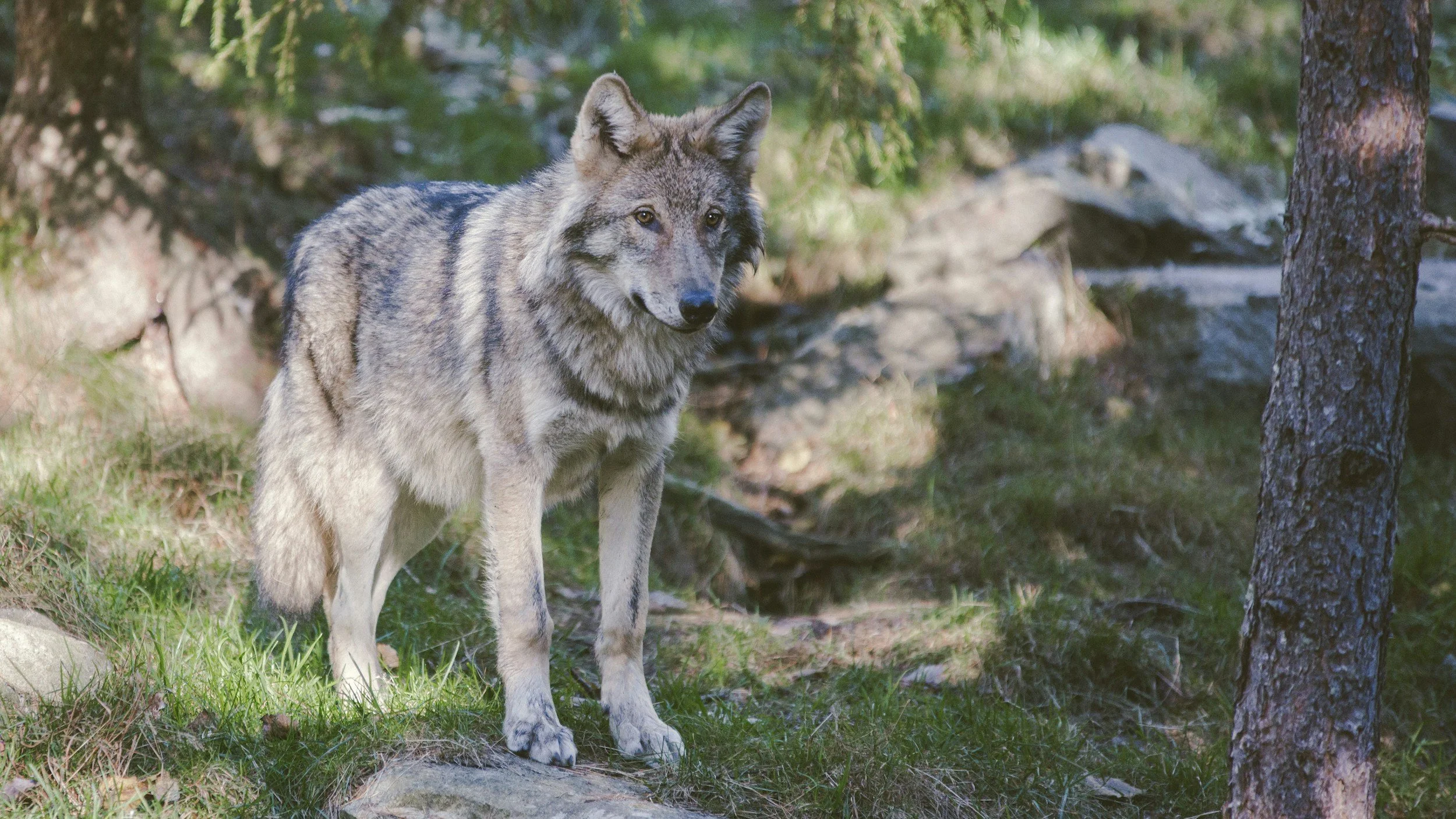
The situation underscores the increasingly complex challenges facing wildlife officials in many states across the western U.S.—protecting a recovering predator species while addressing mounting concerns from ranchers, hunters, conservationists, and tribal governments.
While the growing wolf population in the state has been seen as a long-sought win for environmentalists, the debate over how these animals should be managed going forward appears far from settled."