
From Lug Boxes to Global Markets: The Dalles’ Cherry Story Endures
Thoughts from the Tractor Seat
By Ken Polehn
The Dalles, Ore., April 18, 2026 — In April, The Dalles crowns King Bing and Queen Ann.
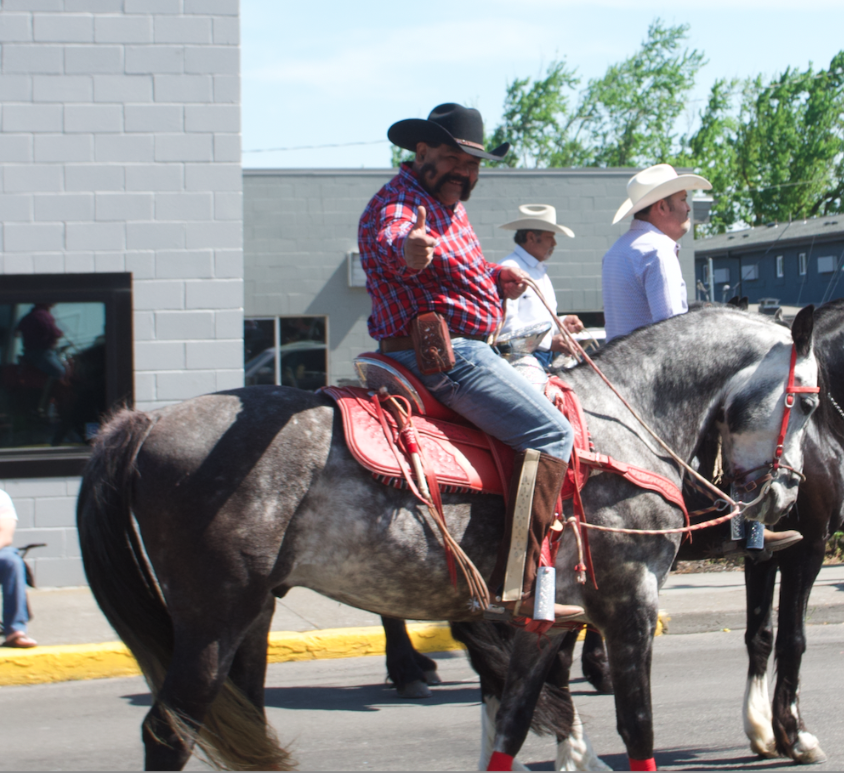
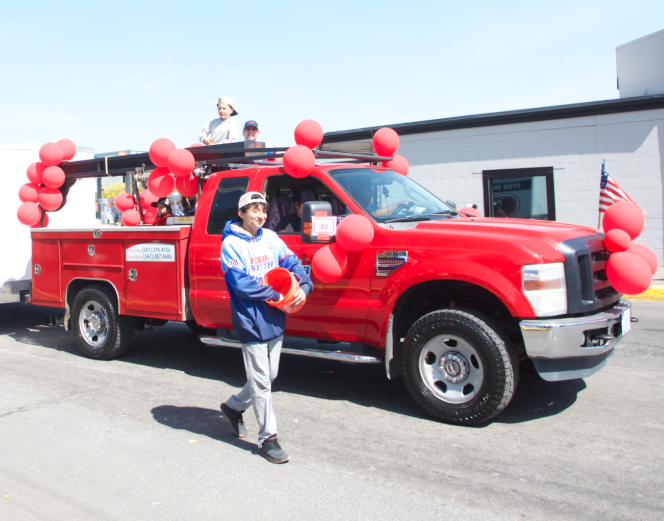
File Photos above and below - scenes from the 2025 Northwest Cherry Festival Parade
For a few days each spring, our town celebrates blossoms, parades, and the crop that has shaped these hills for generations. The Northwest Cherry Festival reminds us of something simple and true:
Cherries helped build this place.
There was a time when that connection was unmistakable.
Multiple packing houses operated in The Dalles. Growers hauled fruit into town during harvest. Cooperative meetings happened locally. The name on the box often said exactly where the cherries came from.
During harvest, trucks loaded with lug boxes lined up outside warehouses, waiting their turn at the receiving dock.
The Dalles wasn’t just a growing district.
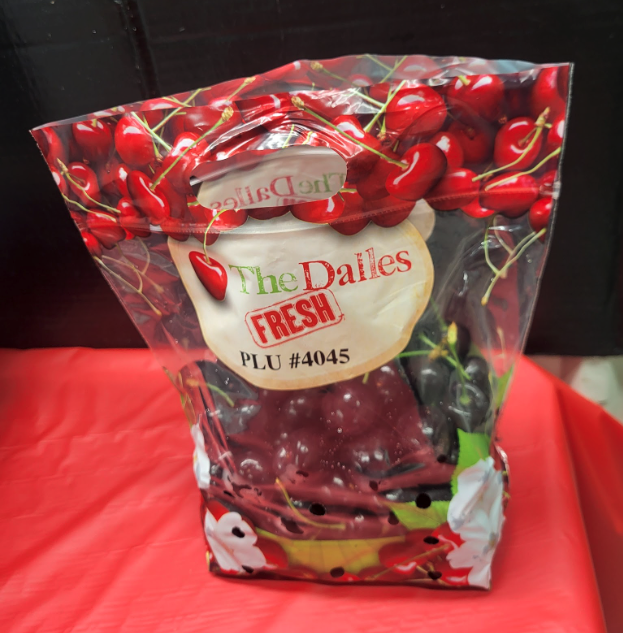
It was a brand.
Lug boxes stacked along warehouse docks carried more than fruit. They carried the reputation of a place — steep hillsides above the Columbia River where cherries developed color, firmness, and flavor that buyers learned to recognize.
At the center of that system was The Dalles Cherry Growers Cooperative, where local growers worked together to pack and market fruit from the surrounding hills. The co-op reflected a community of growers pooling their efforts to reach markets that none of them could reach alone.
The cherry economy here also included a large processing side. Stadelman Fruit Company, headquartered in The Dalles for many years, handled significant volumes of brine cherries. Entire orchard blocks were planted specifically for that market.
Those cherries were not second-best fruit.
They were grown intentionally to supply processing markets that helped stabilize farms and spread risk. Fresh cherries may have been the most visible part of the crop, but the brine business helped anchor the economics of the valley for decades.
Over time, the industry evolved.
The Dalles Cherry Growers eventually merged with Oregon Cherry Growers in Salem. Later, those operations became part of larger regional systems. Processing and marketing centralized as companies scaled up to meet modern markets.
None of that meant cherries disappeared from The Dalles.
They didn’t.
The hills are still planted. Ladders are still climbed. Harvest still arrives each summer with the same mix of hope and uncertainty it always has.
Capacity didn’t vanish.
It shifted.
Fruit grown in the Gorge now often moves through broader regional marketing systems. The labels may say Washington or simply Northwest rather than The Dalles specifically. Distribution has become larger, faster, and more global than the old lug-box era could ever imagine.
That’s not collapse.
It’s evolution.
And evolution always brings trade-offs.
Efficiency grows. Markets expand. But local identity can quietly fade if we’re not paying attention.
This isn’t a criticism of the system. Agriculture has always adapted to survive.
It’s simply a reminder.
The cherries celebrated downtown each April still begin on these same hillsides above the river. The soil, the wind, the slope, and the people who tend these orchards remain very much part of the story.
The fruit still grows here.
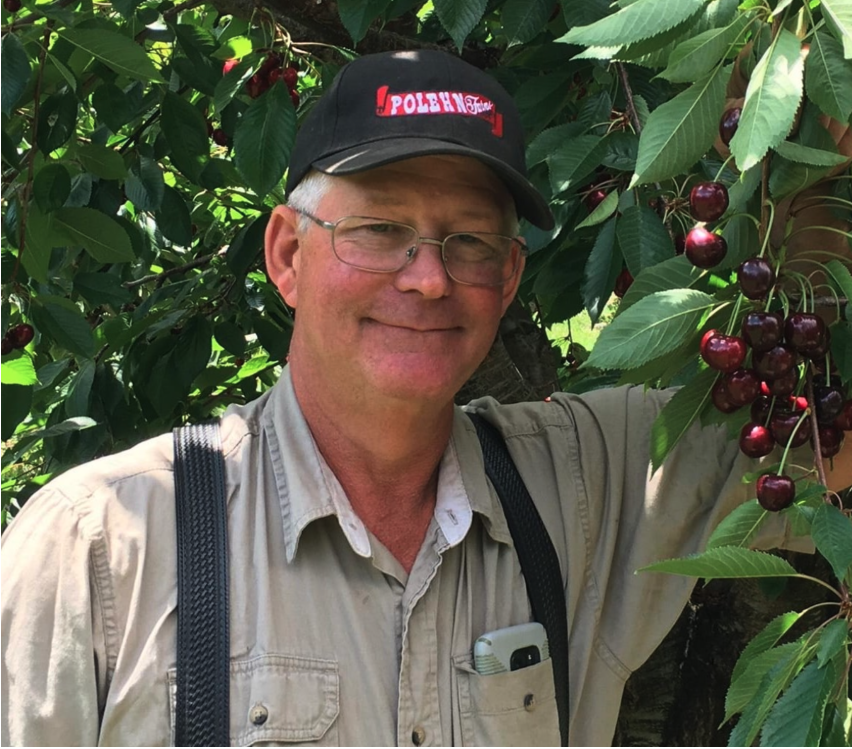
Ken Polehn
About the author
I was born in 1961 into a second-generation farm family in The Dalles. I grew up on a tractor seat, moving irrigation pipe with my sisters before school, and spent my summers picking cherries alongside the children of migrant families who returned year after year. My wife, children, and parents have all worked the same land. I’ve served as county Farm Bureau president, sat on the county fair board, and continue to support 4-H and FFA. I’ve seen firsthand what happens when farmers are squeezed out—not just of business, but of the conversation.