
Grasshopper Fire containment jumps to 47% as crews gain ground on the northeast flank
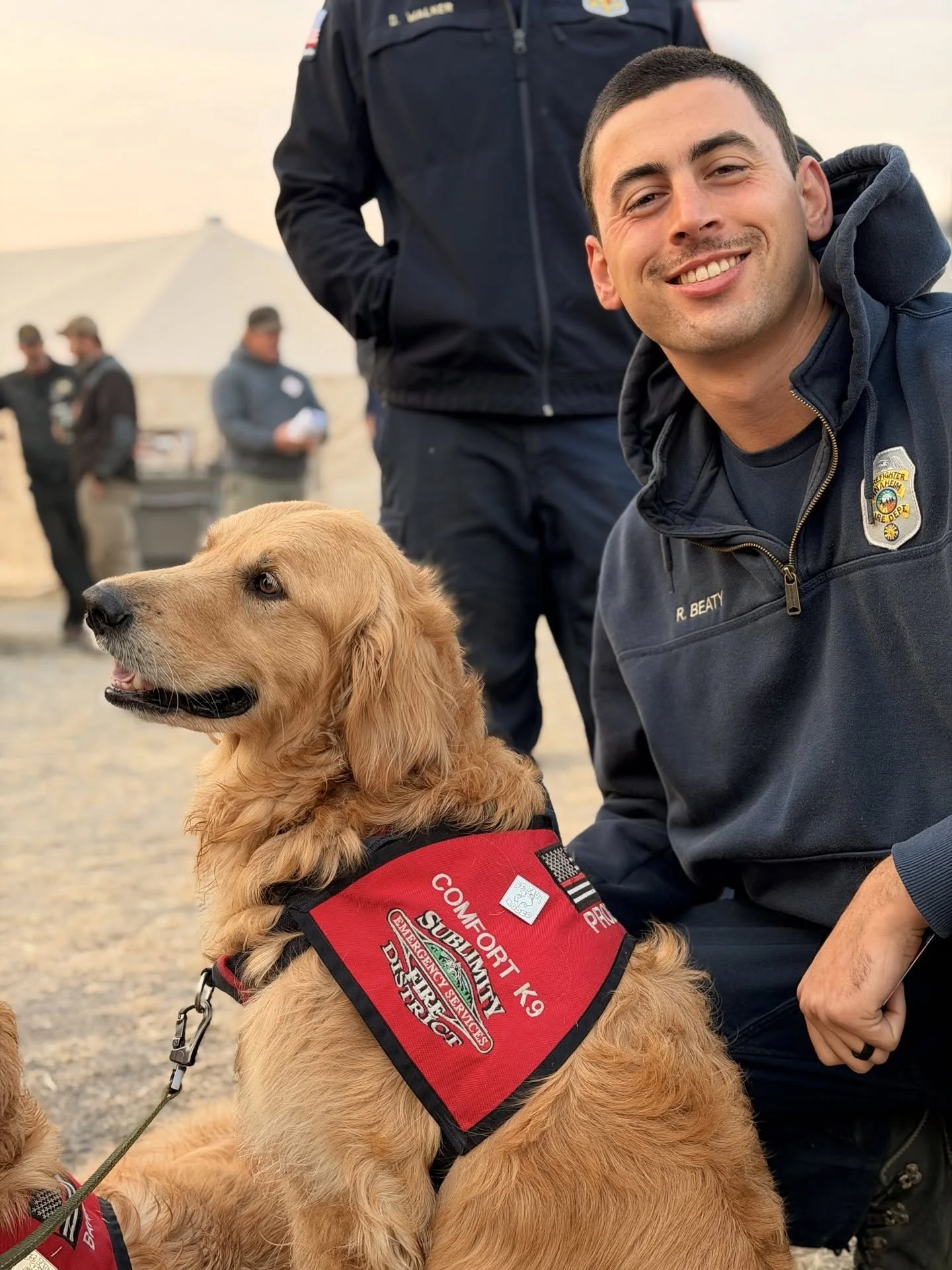
Photo from Grasshopper Fire Facebook page.
By Joshuah Albert
The Dalles, Ore., Aug. 17, 2026 — Firefighters made their biggest recent gain in containing the Grasshopper Fire over the weekend, pushing containment to 47% Monday as crews reported no new fire activity for several days along portions of the northeastern perimeter.
The fire is now 90,667 acres, with 1,511 personnel assigned to the incident.
Containment stood at 30% Sunday before climbing to 47% Monday, with much of the increase coming from the northeastern portion of the fire, where crews completed extensive mop-up and strengthened control lines.
Operations Section Chief John Wallace of the Southern Area Blue Team said firefighters are becoming increasingly confident in work completed along the north and northeast portions of the fire and are beginning to concentrate resources on areas where significant work remains.
"We're feeling better and better about all the work that's been done over here," Wallace said in Monday's operational briefing, adding that commanders are beginning to reduce their footprint and focus on remaining priority areas.
Crews continue mopping up heat within about 200 feet of containment lines along the northern perimeter ahead of warmer, drier and windier weather.
Smoke and nighttime glow coming from interior fuels
Fire officials cautioned that residents may continue seeing substantial smoke — and even a glow at night — from the eastern portion of the fire despite the increase in containment.
An island of unburned vegetation about two miles inside the eastern fire perimeter near Ball Point Road, north of Little Badger Creek, continues to burn.
Fire officials stressed that the activity is well within established fire lines and does not represent the fire breaking containment.
Wallace said the unburned island has been steadily shrinking. What had been roughly two to three square miles of unburned vegetation has been reduced to less than one square mile, with crews continuing to secure the surrounding area.
A separate flare-up occurred Sunday evening within the existing perimeter near Winslow Road. Structure crews quickly extinguished it and continued extensive mop-up overnight.
Structural protection remains in place along the eastern flank, including the Friend Road, Rail Hollow and Winslow Road areas. Firefighters are "gridding" around structures — systematically searching for, exposing and extinguishing remaining hot spots that could rekindle.
National Guard crews are also continuing work around Shadybrook, improving defensible space around homes in case fire conditions change.
Firefighters change tactics on northwest corner
On the northwest portion of the fire, firefighters are increasingly relying on a prepared defensive line rather than attempting to directly attack the fire through thick vegetation.
Wallace said crews previously attempted to work directly along the fire's edge, but dense forest made that strategy impractical.
Instead, firefighters have built and plumbed a strong defensive line with hose and water and are gradually bringing the fire toward it, allowing crews to fight the blaze from a prepared position.
"The idea there is that we've spent a lot of time and effort building that fire line," Wallace said. As the fire reaches it, crews expect to be able to control it from that defensive position.
Drones are helping with that operation. An Unmanned Aircraft System was used Sunday to support firing operations and provide infrared imagery identifying hidden heat and unburned pockets. An additional drone will provide real-time information to firefighters Monday.
Highway 35 could see temporary closures
Highway 35 remains open, but motorists could encounter short-term closures during the next several days as firefighters and the Oregon Department of Transportation make another pass at removing hazardous trees.
Wallace said crews continue finding heat along the corridor as warmer and drier conditions return.
Firefighters have successfully kept the fire on the eastern side of Highway 35, but crews will continue patrolling and mopping up the corridor.
Motorists should slow down and watch for firefighters, heavy equipment and other emergency personnel.
Heavy equipment moves into steep southwest corner
One of the more difficult remaining sections is the southwest corner, where steep terrain has limited conventional firefighting operations.
Tethered heavy equipment arrived Sunday and is being positioned Monday. The machinery is secured by heavy cable, allowing operators to work on slopes too steep for conventional equipment.
Crews plan to use it to connect fireline with an existing trail system near Crane Prairie.
Fire movement there remains slow, primarily burning through heavy concentrations of downed logs and spruce, but Wallace said the fire is still making forward progress.
Crews expect to put significant effort into that area over the next two to three days.
Fire weather concerns return Tuesday
Firefighters could face another test beginning Monday afternoon as warmer temperatures, lower humidity and stronger terrain-driven winds develop.
A Fire Weather Watch has been issued for Tuesday afternoon for the eastern half of the fire. Near-critical conditions are expected as low humidity combines with stronger winds, potentially increasing fire activity.
Crews will concentrate Monday on strengthening eastern and southeastern containment lines ahead of those conditions. Aircraft remain available if needed.
Evacuation notices ranging from Level 1 "Be Ready" through Level 3 "Go Now" remain in effect across portions of Wasco, Hood River and Clackamas counties.
The evacuation shelter remains open at The Dalles Middle School, 1100 E. 12th St.
A closure remains in effect on portions of the Mt. Hood National Forest, along with a Temporary Flight Restriction over the fire area.

Support Local News
Available for Everyone; Funded by Readers.