
Inside MCCAC: Housing gains for fire survivors, veterans and shelter clients
From the Editor— Mid-Columbia Community Action Council has released the fourth and final piece in a series of informational overviews intended to address misconceptions and provide clearer understanding of the agency’s housing, shelter and support services in the Columbia Gorge. CCCNews has taken the liberty to organize and edit the content for reader clarity and organization.
The Dalles, Ore., April 13, 2026 — Dozens of wildfire survivors and more than 100 people experiencing homelessness have moved into stable housing through Mid-Columbia Community Action Council programs, according to new data released by the agency.
The figures provide a snapshot of how housing, disaster recovery and veteran support programs are working on the ground in the Columbia Gorge — and how those efforts are helping residents regain stability after crisis.
The efforts come as communities across Wasco, Hood River and Sherman counties continue to face housing shortages, disaster recovery challenges and increasing demand for services.
Fire Survivors
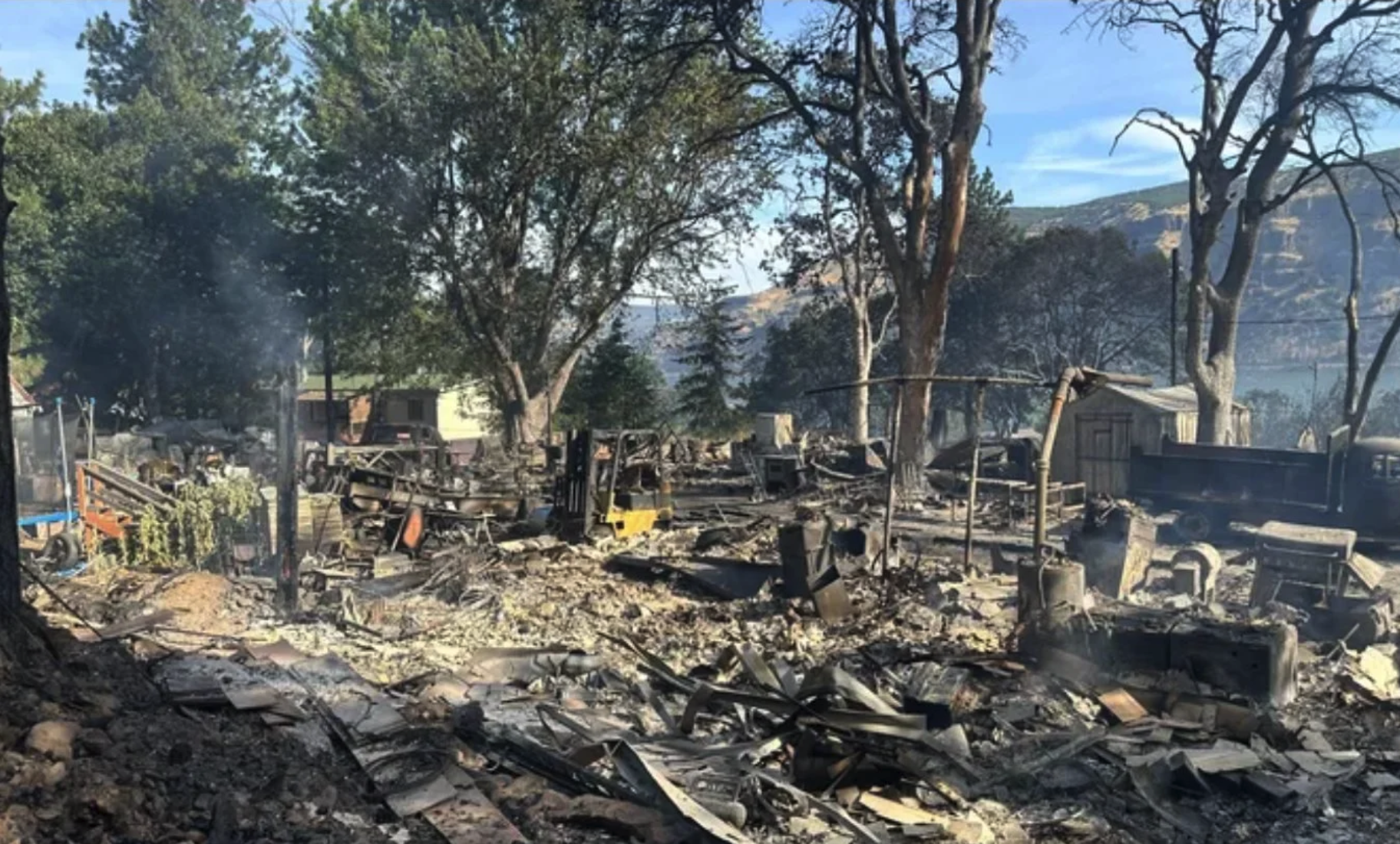
MCCAC reported that following the 2025 Rowena Fire, which destroyed at least 58 homes, the agency has supported 45 affected households. Of those, 28 have transitioned into stable, long-term housing. A dedicated recovery coordinator continues working with survivors still navigating the process.
Fire survivors who have not yet connected with services are encouraged to contact MCCAC at rowenarecovery@mccac.com or 541-965-2169.
Veterans
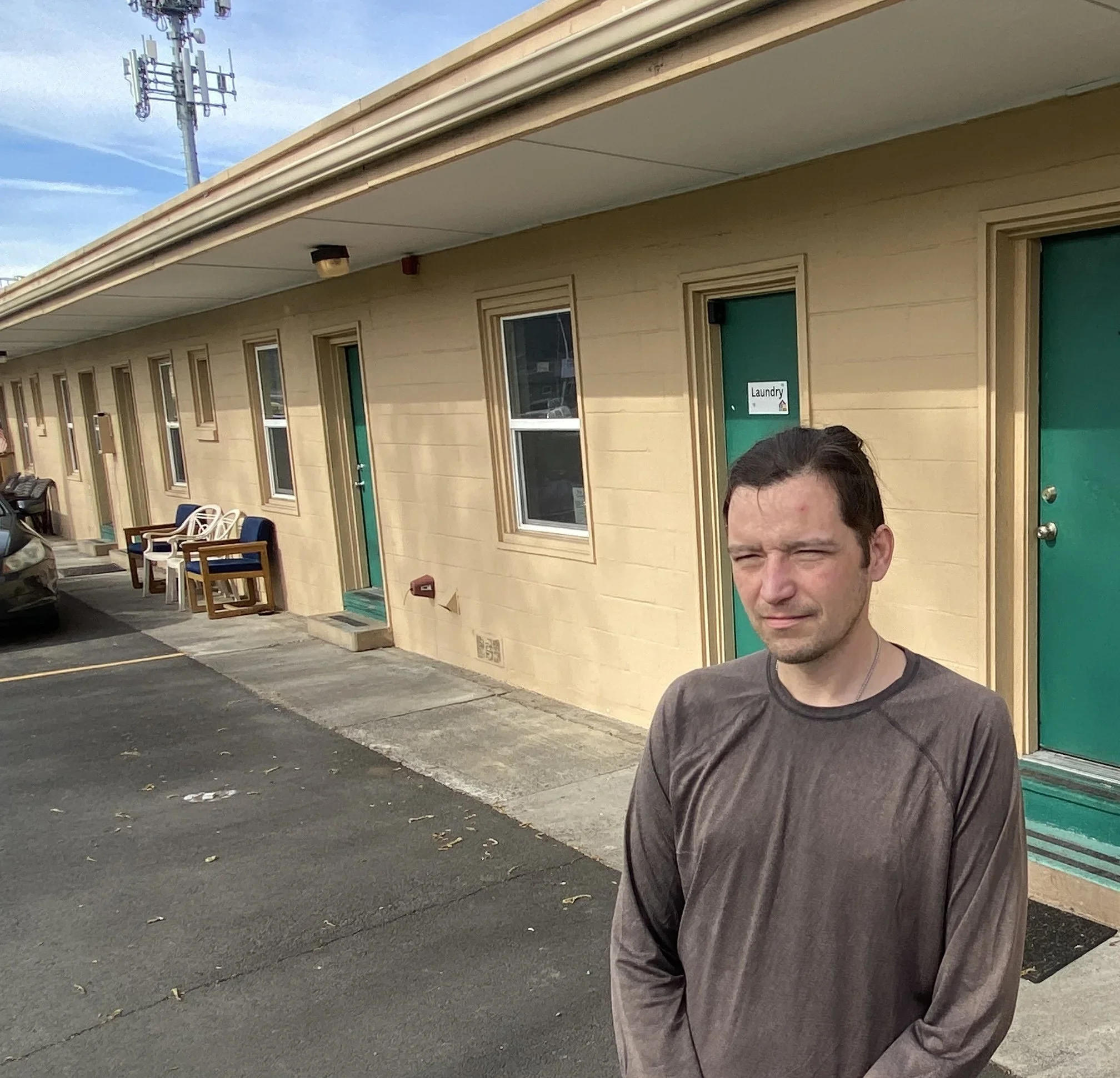
One veteran who has benefited from MCCAC’s housing support is Wade Rowe, above, who served in the U.S. Navy until 2010 as an aviation boatswain’s mate handler aboard the USS Abraham Lincoln, a nuclear-powered aircraft carrier. In that role, he directed and moved aircraft between the flight deck and hangar bay. After facing housing instability, Rowe connected with MCCAC through The Gloria Center in The Dalles and they were able to set him up with housing at The Hamilton on west 2nd Street in The Dalles.
The agency also highlighted its Supportive Services for Veteran Families program, funded through the U.S. Department of Veterans Affairs, which provides case management and housing support for low- and no-income veterans at risk of or experiencing homelessness. MCCAC operates The Hamilton, a nine-unit housing facility in The Dalles specifically for formerly homeless veterans.
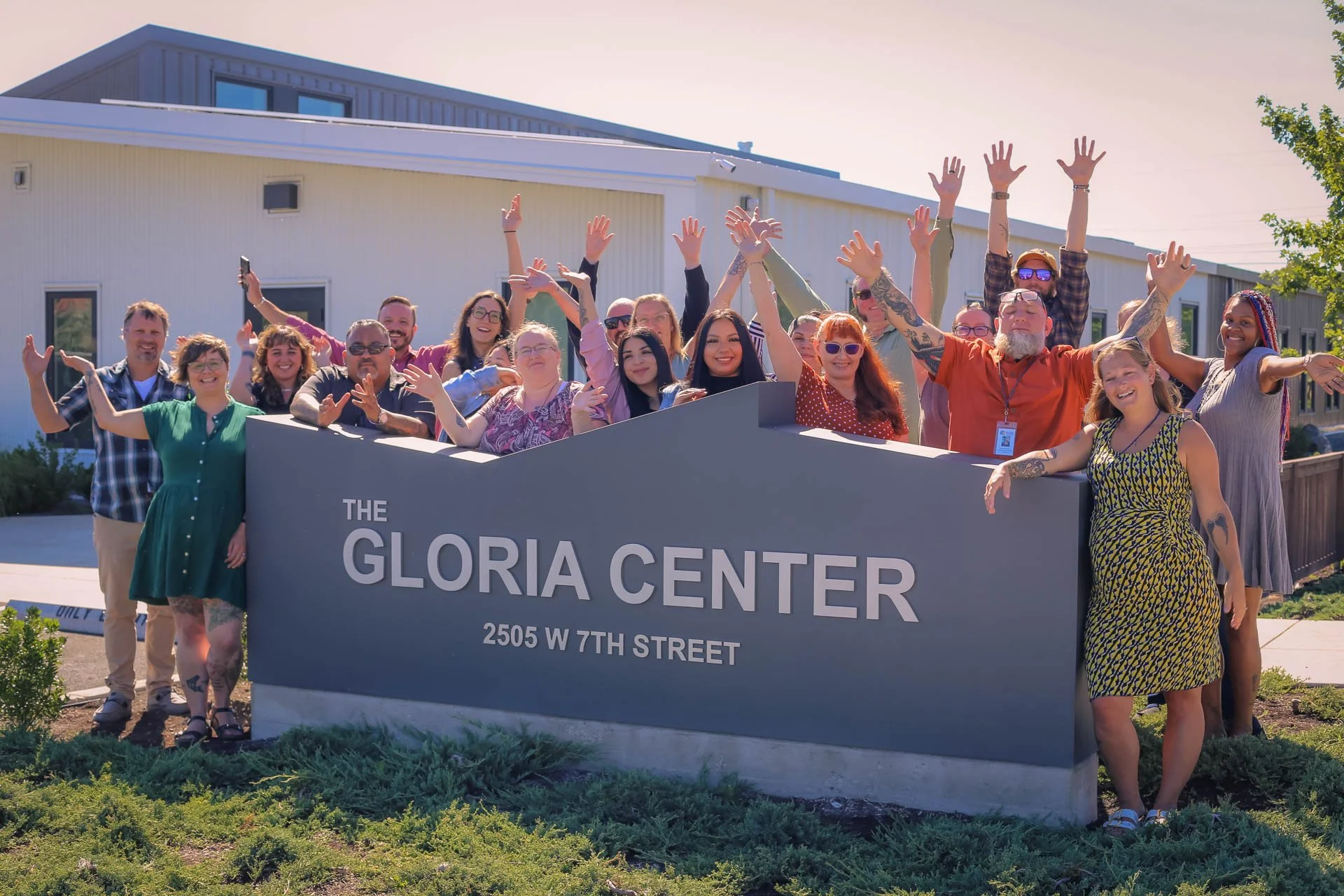
Veterans and their families can learn more at www.mccac.com/veterans or visit The Gloria Center, 2505 W. Seventh St. in The Dalles.
Transitional Housing
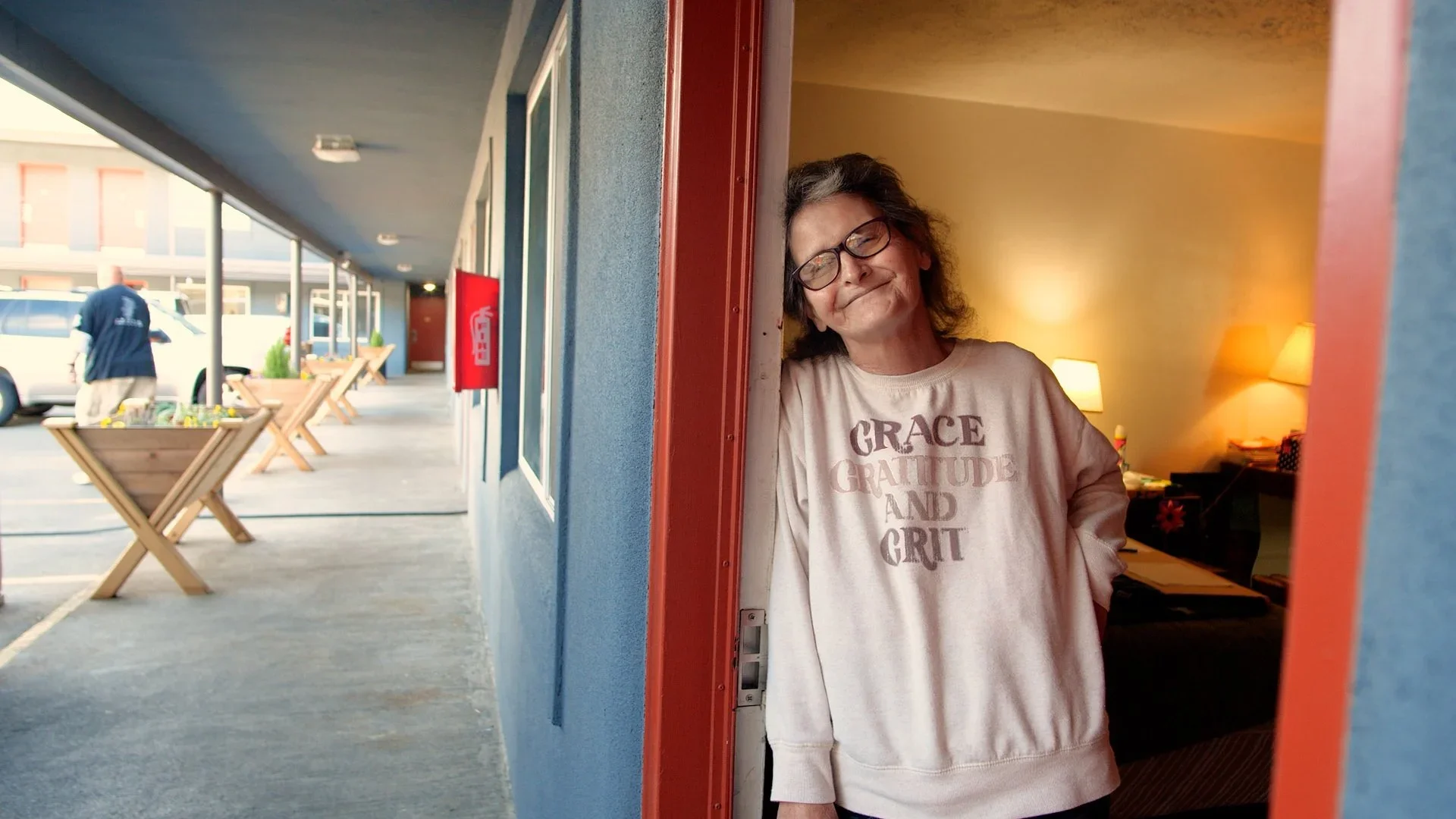
The Annex, the former Oregon Motel, was renovated and turned into clean and safe transitional housing, opening in August 2023.
Another key piece of MCCAC’s housing strategy is The Annex, a transitional housing program that has served 420 individuals since opening in August 2023. According to the agency, 129 of those clients have successfully transitioned into permanent housing.
MCCAC officials say those outcomes underscore the effectiveness of pairing shelter with wraparound services, including case management and long-term support planning.
Stronger through Collaboration
Beyond individual programs, the release points to growing regional coordination efforts through the Mid-Columbia Houseless Collaborative, a coalition of nearly 40 organizations and local governments across five counties in Oregon and Washington.
Founded in 2022 by MCCAC and Washington Gorge Action Programs, the collaborative is working to create a more unified and equity-focused approach to addressing homelessness. Its “Roots and Reach Alliance” brings frontline service providers together weekly to reduce gaps and improve coordination.
A central part of that work is incorporating feedback from people who have experienced homelessness firsthand. The collaborative’s Lived Experience Work Group meets monthly and has launched a Video Stories Project featuring personal accounts of housing instability and recovery.
One of the featured stories, “Housed after 10 Years of Houselessness: Erik and Rachel’s Story of Hope,” highlights the challenges and eventual transition into stable housing, offering a firsthand look at how coordinated services can impact long-term outcomes.
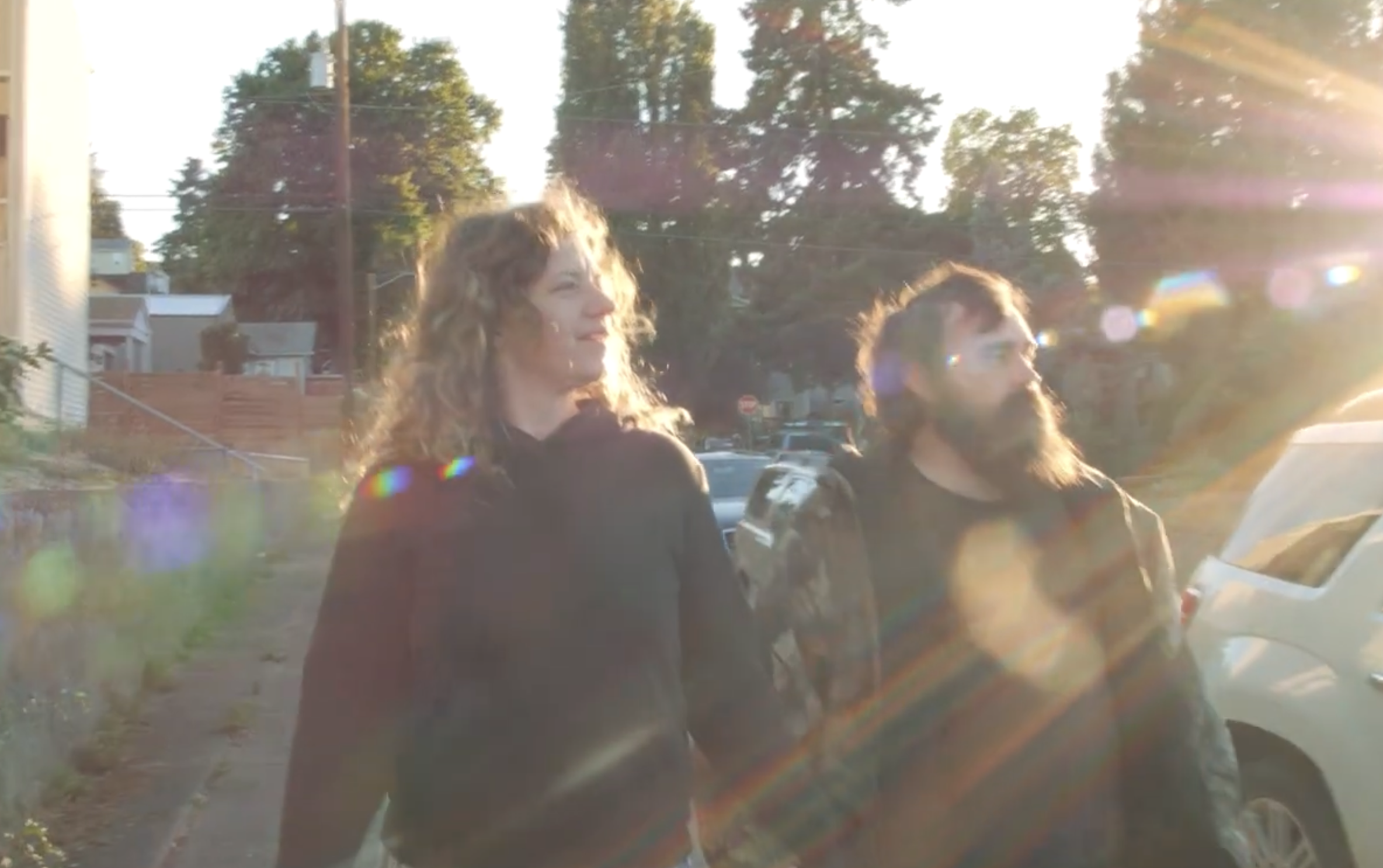
Watch Erik and Rachel’s Story of Hope at the link below.
The video series is available at www.mccac.com/data-reports.
MCCAC said the stories are intended to help the broader community better understand homelessness as a lived experience and to encourage continued support for housing and service programs.
As the agency continues its work, officials emphasized that long-term solutions will require sustained investment, regional coordination and ongoing community support.
For more information, visit www.mccac.com or follow MCCAC on Facebook at www.facebook.com/mccactd. To support MCCAC’s work, visit www.mccac.com/donate
Here are the other stories in this four-part series:
Click here to read about MCCAC’s central role in creating housing stability.
Click here to read about MCCAC’s role in Rowena Fire.
Click here to read about housing for Veterans and their families

