
Mayoral Candidate Joe Slusher rates The Dalles economy ‘4 or 5’ out of 10, calls for stronger business support
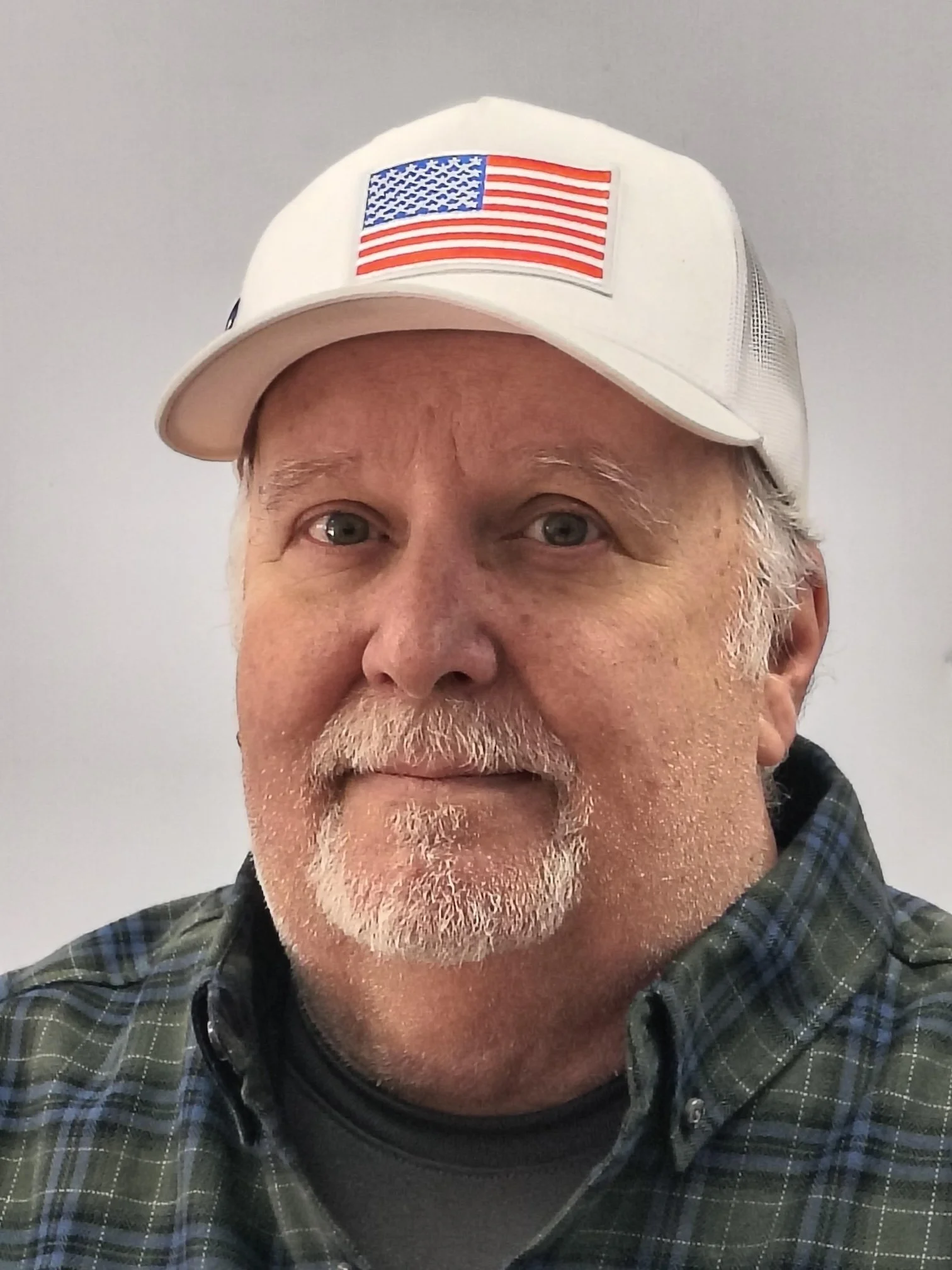
Joseph Slusher
By Tom Peterson
The Dalles, Ore., Oct. 16, 2026 — Joe Slusher rates The Dalles’ economy a 4 or 5 out of 10, saying the city needs to become a destination rather than a place people simply pass through. The Sign Age owner wants stronger parking enforcement, a closer look at who pays for water infrastructure and more housing options.
Slusher is challenging former City Councilor Darcy Long and current Councilor Timothy McGlothlin in the Nov. 3 election to replace Mayor Rich Mays, who is not seeking a fourth term.
Slusher said running a business through difficult periods, including the COVID-19 pandemic, shaped his views on how city government should support commerce.
Small-business economy
Slusher said The Dalles needs to draw more people downtown and make visiting local businesses easier.
“It's not parking, it's commerce,” he said.
He pointed to the closure of a downtown yarn shop whose owners, he said, struggled with employees and business owners occupying spaces intended for customers. He wants stronger parking enforcement, marked customer spaces and the first parking spot on every downtown block reserved for people with disabilities.
He also proposed bicycle patrols by police officers downtown when cruise ships bring visitors, saying visible officers could help people feel more comfortable exploring the area.
“The job of the city is to remove roadblocks so people can do their job easy,” he said.
Slusher considers homelessness part of the downtown business equation. He has examined managed, transitional tent and campsite programs in other Oregon communities, as he considers approaches that could help people living outdoors while making downtown more welcoming to customers and visitors.
Water infrastructure and Google

The city faces an estimated $260 million in water system improvements over the next 20 years. Slusher said the system needs substantial work after years of deferred investment, but he questions whether residents will shoulder too much of the cost.
He cited figures discussed during the interview indicating Google accounts for about 40% of the city’s water consumption, while industrial users would pay a smaller share of planned costs than residents.
“People come first,” Slusher said. “They’re the most important resource on the planet.”
He wants the city to examine whether industrial users pay a fair share and whether agreements could be renegotiated as conditions change, including during droughts. He said he needs to study the financing details further.
Housing at different prices
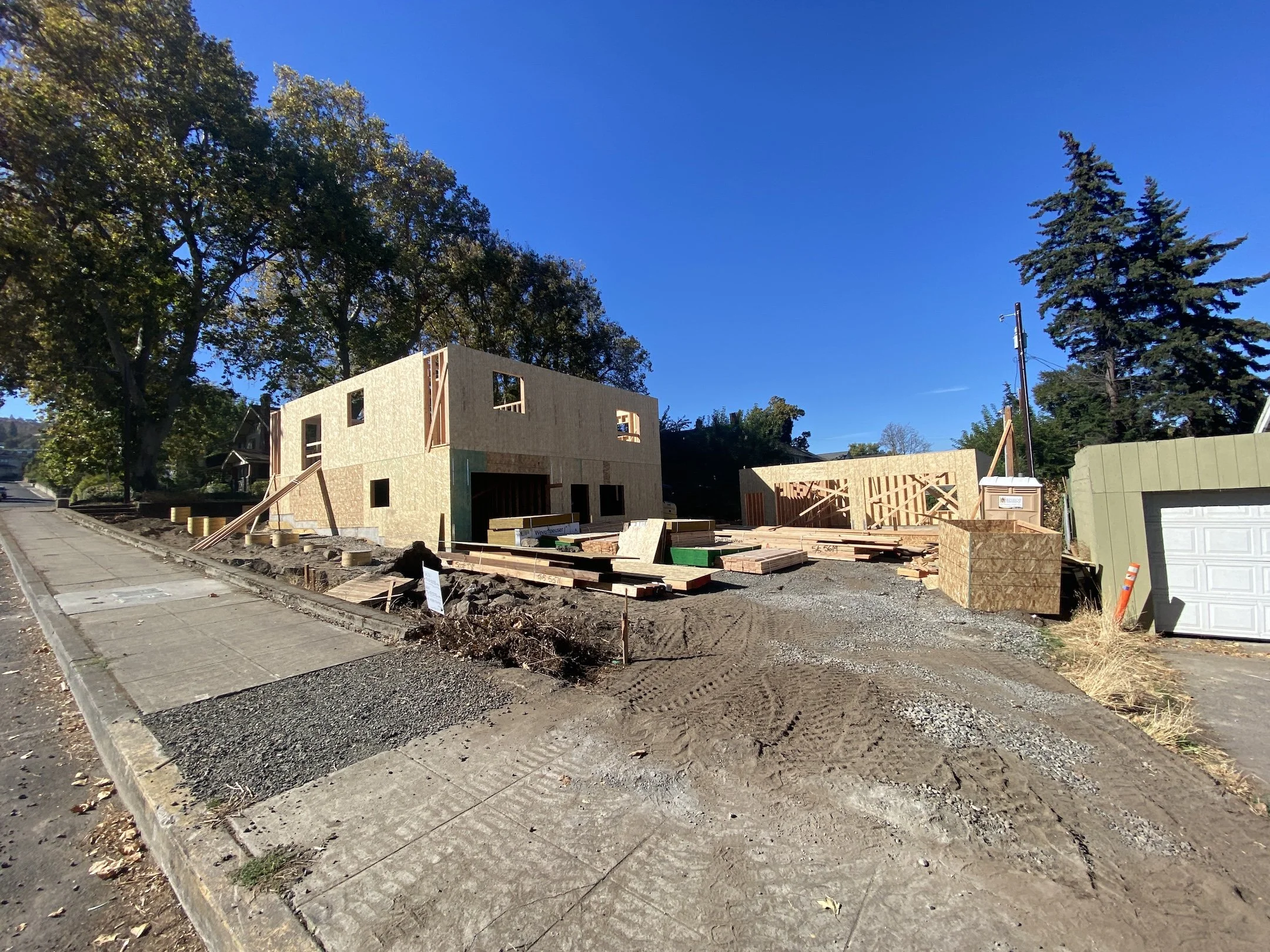
Slusher wants the city to reduce unnecessary development barriers. One idea is to offer preapproved plans for smaller, approximately 700-square-foot homes to reduce design costs and expand affordable homeownership opportunities.
He worries that large corporations buying housing could leave more residents dependent on rentals and vulnerable to rising costs.
“The city’s job or a manager’s job or any other job is to cut ... to make a path to make it easier to get the work done,” he said.
Slusher supports evaluating larger housing developments on their merits. He said he preferred the Chenowith Loop affordable housing project near Home Depot to Basalt Commons across from Sawyers Hardware.
He plans to assemble an advisory group that would include former Mayor Steve Lawrence and people experienced in housing, social services and community organizations.
A new high school
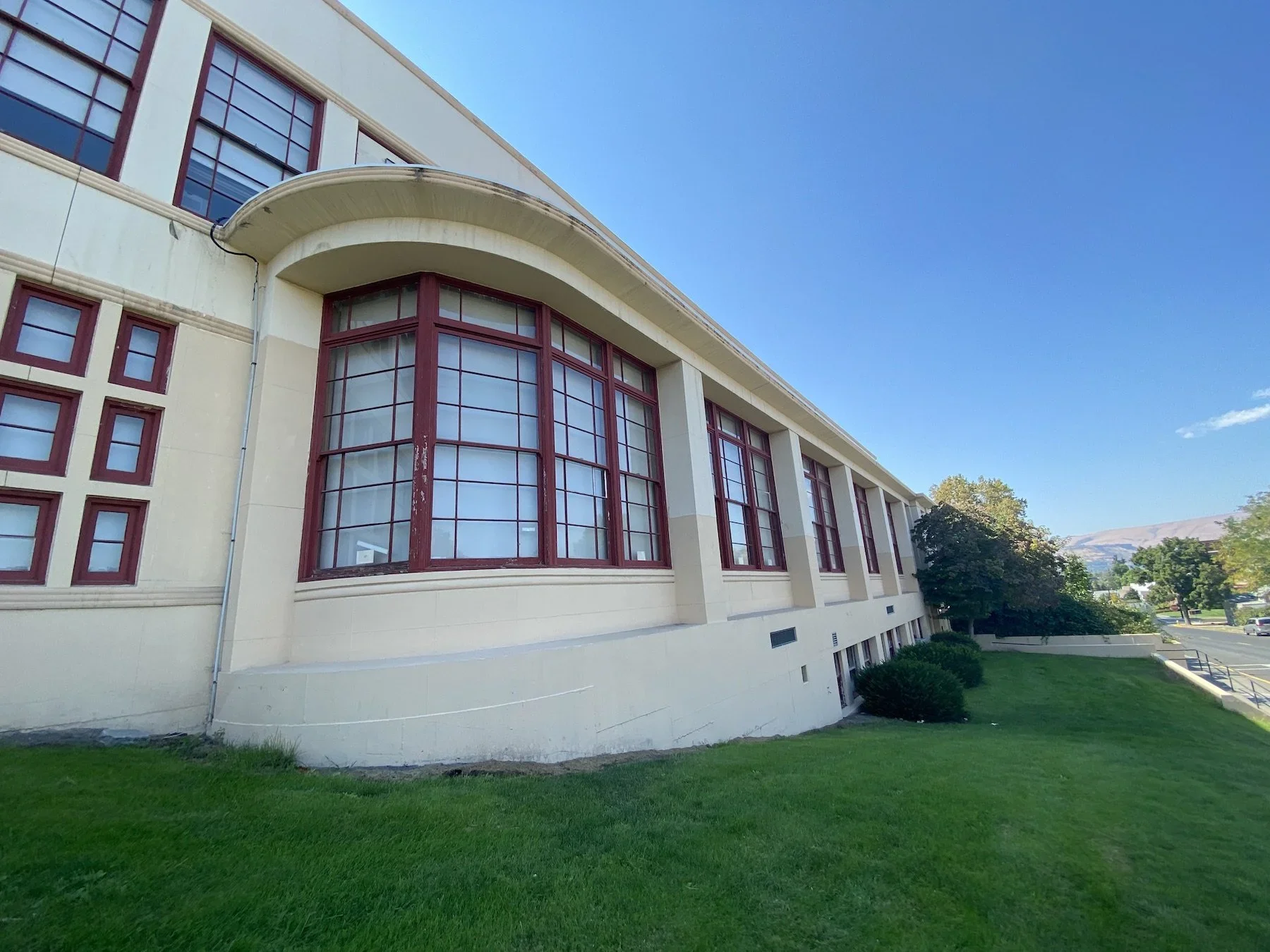
Slusher believes The Dalles eventually will need a new high school but questions the district’s previous proposal and where a replacement should be built.
He values the existing building’s architecture and history and wants officials to consider whether it can continue serving the community. He also suggested exploring whether Columbia Gorge Community College property could be part of a longer-term school plan.
“I think it’s a benefit to the city because it attracts — it should attract industry and families,” he said.
As mayor, Slusher said he could help the district pursue grants and funding, while recognizing that the district would lead the project. He also supports considering interim improvements while officials develop a long-term plan.
Google revenue and community priorities
Slusher would initially consider setting aside roughly one-third of additional city revenue for emergencies and unexpected expenses.
“You don’t know, we don’t know, we never know what’s gonna happen in an emergency,” he said.
He said residents should have a voice in spending public revenue from data centers but did not provide a detailed spending formula.
One priority is a covered, year-round community swimming pool. Slusher said roofing the existing Dalles Aquatic Center would expand recreational opportunities for families and children and potentially generate revenue and jobs for teenagers.
He also wants regular city updates and more opportunities for residents to speak directly with the mayor, describing his approach as “bottom-up government.”
Downtown projects and construction
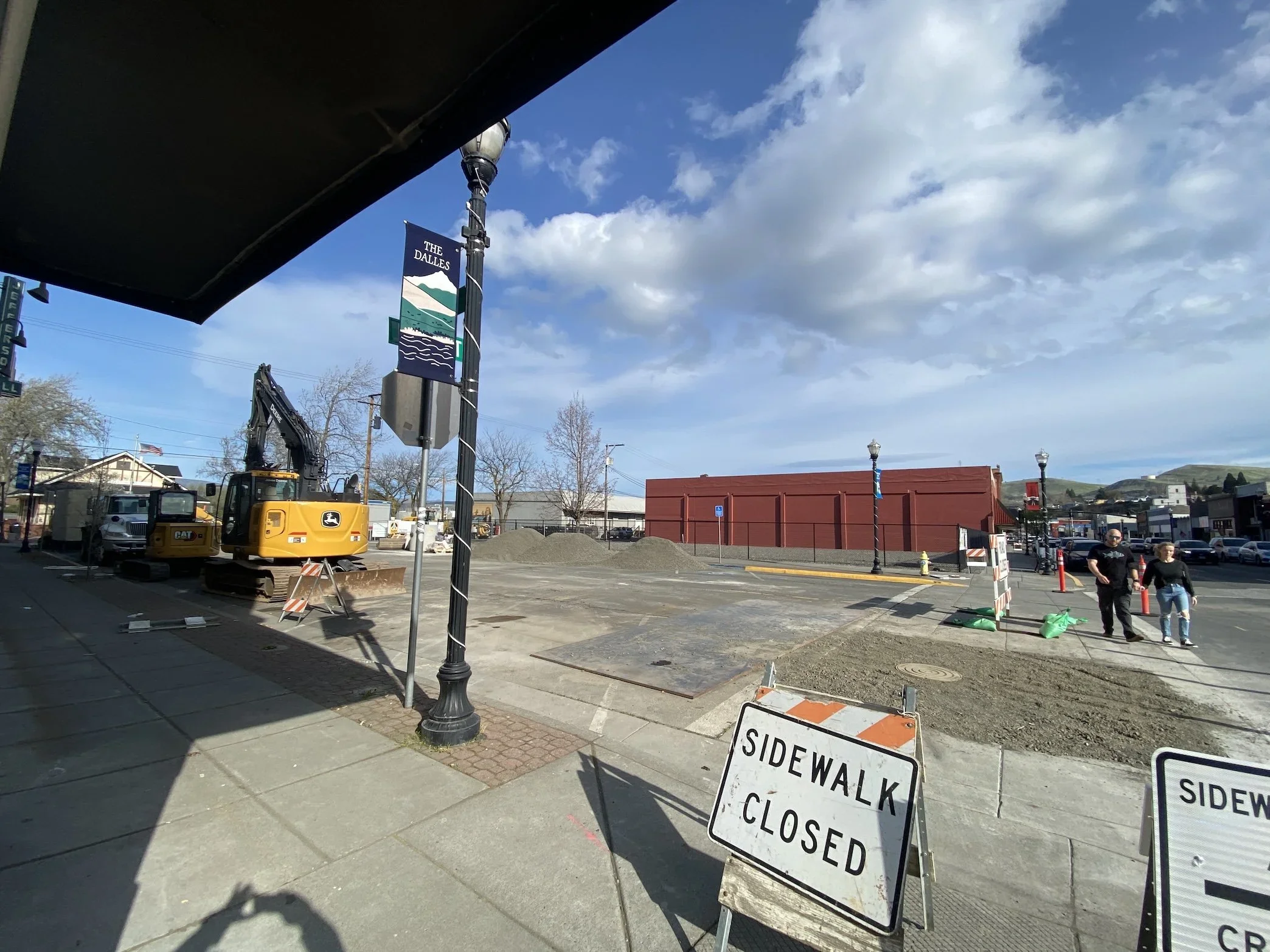
Slusher questioned whether the First Street streetscape project was necessary, saying he has not fully examined the city’s rationale. He acknowledged potential benefits from sewer work and the discovery of an old pipe beneath the street, as well as plans to improve pedestrian and bicycle access.
“I don’t know,” he said when asked whether the project was money well spent. “How many businesses face first street?”
He wants clearer explanations of project goals and stronger oversight of contractors, including regular updates and attention to business access and parking during construction.
“We would have weekly updates,” he said.
Accountability and compassion
Slusher said his work with Mid-Columbia Community Action Council and experience helping low-income residents inform his approach to homelessness. He wants to address public safety and business concerns while helping people find more stable living arrangements.
“I don’t want to see people freeze,” he said, recalling 45-year-old Shana Henry, whom he knew before she was found dead in 2023 after sleeping in a tent on a night the temperature dipped to 23 F.
Slusher said he wants a downtown where businesses can thrive and visitors feel comfortable without abandoning compassion for people living outdoors.
His broader approach, he said, is for city government to remove obstacles for residents and businesses rather than create them.