
MCCAC housing effort grows 3X in latest report, moves 221 people from houselessness into permanent homes
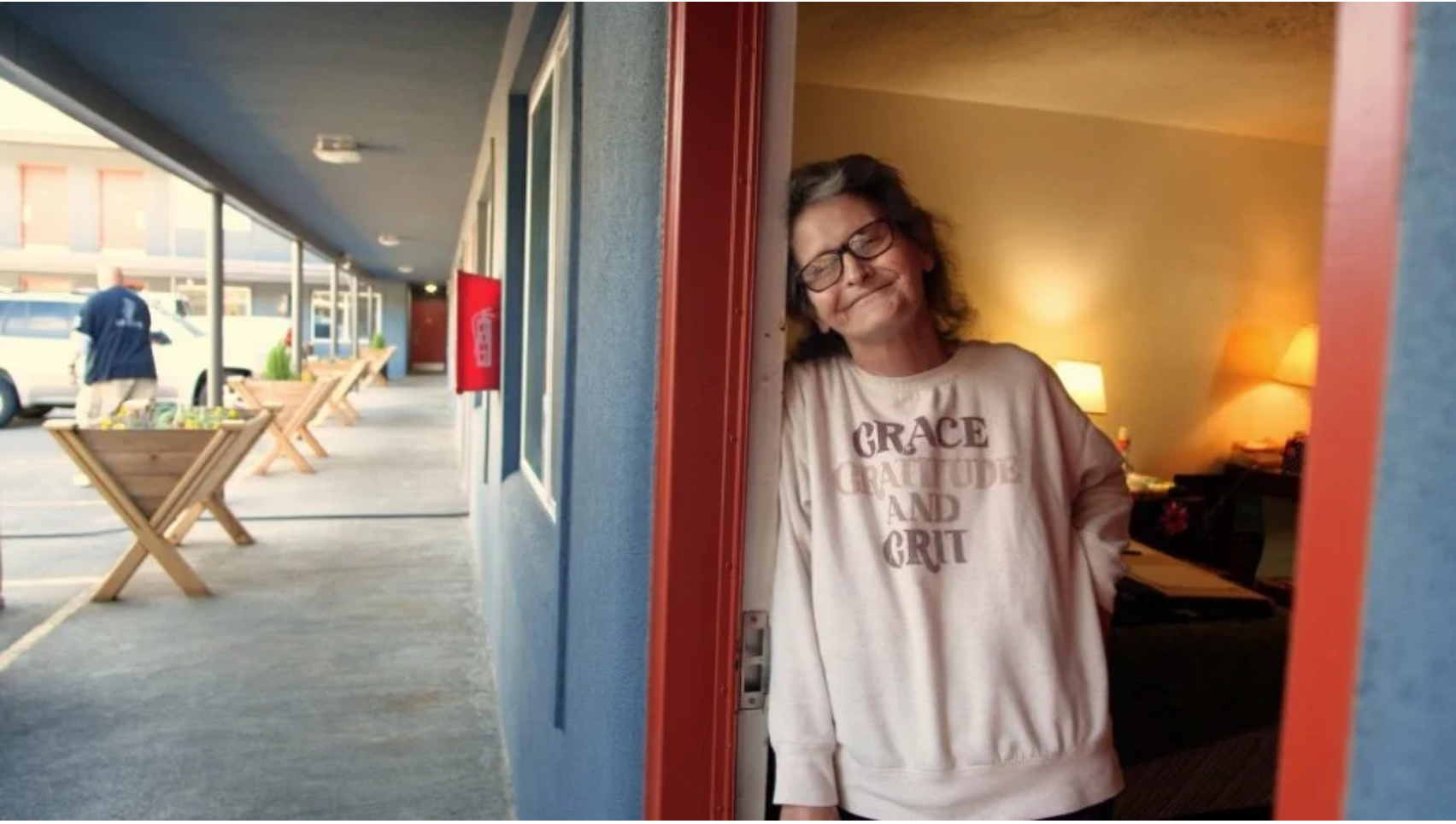
File Photo - The Annex at 200 W. 2nd Street in downtown The Dalles is part of the transitional housing tools MCCAC utilizes to help move houseless locals into permanent housing.
The Dalles, Ore., Aug. 31, 2026 — Behind the numbers in the Mid-Columbia Community Action Council annual report released today is an effort to do something particularly difficult: find the Gorge’s most vulnerable residents, keep track of them as they move through houselessness and connect them with a path back into permanent housing.
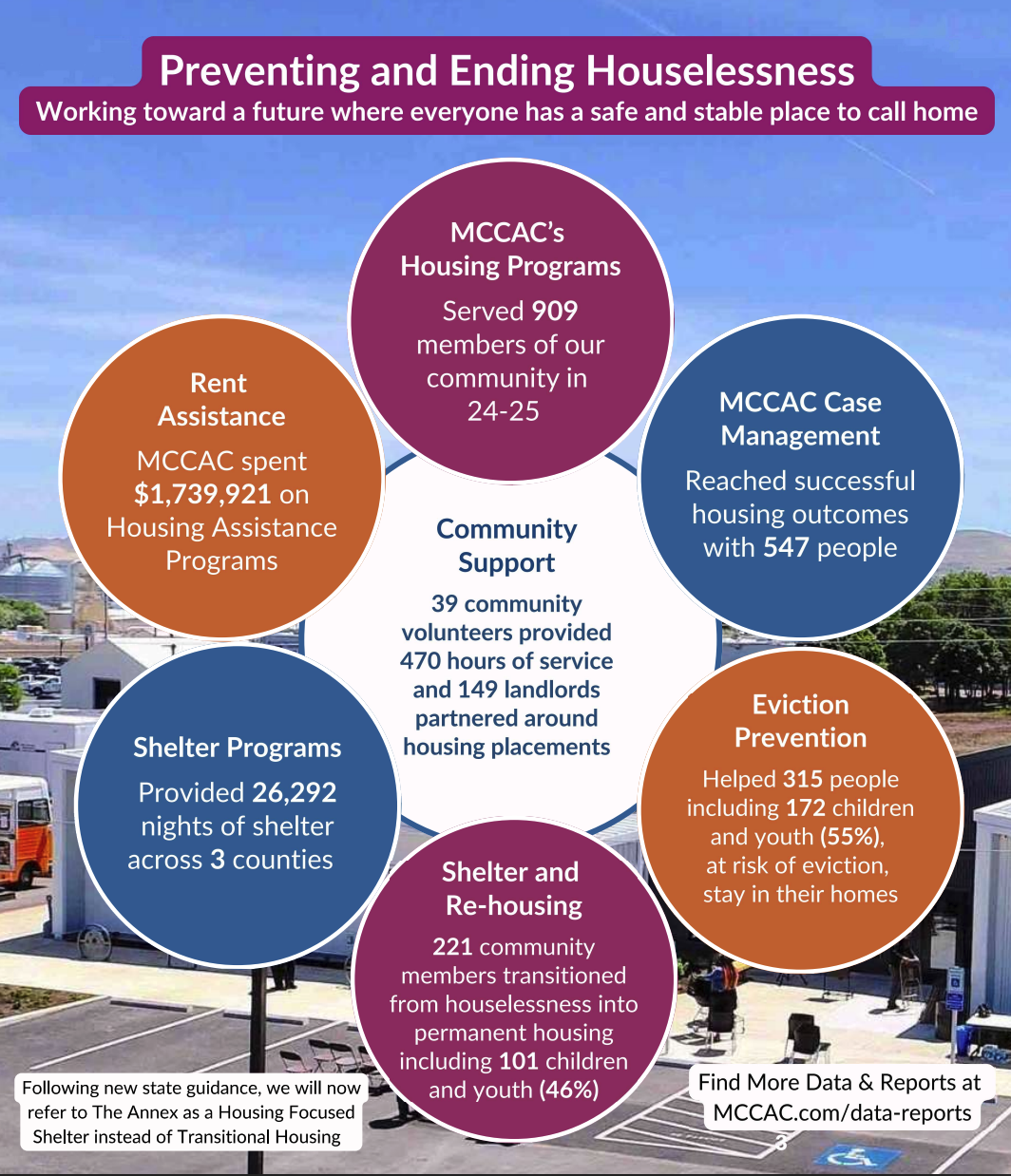
During the 2024-25 fiscal year, MCCAC housing programs served 909 people across Wasco, Hood River and Sherman counties, while case management resulted in successful housing outcomes for 547 people. The fiscal year runs from July1 through June 30 for Hood River, Wasco and Sherman counties.
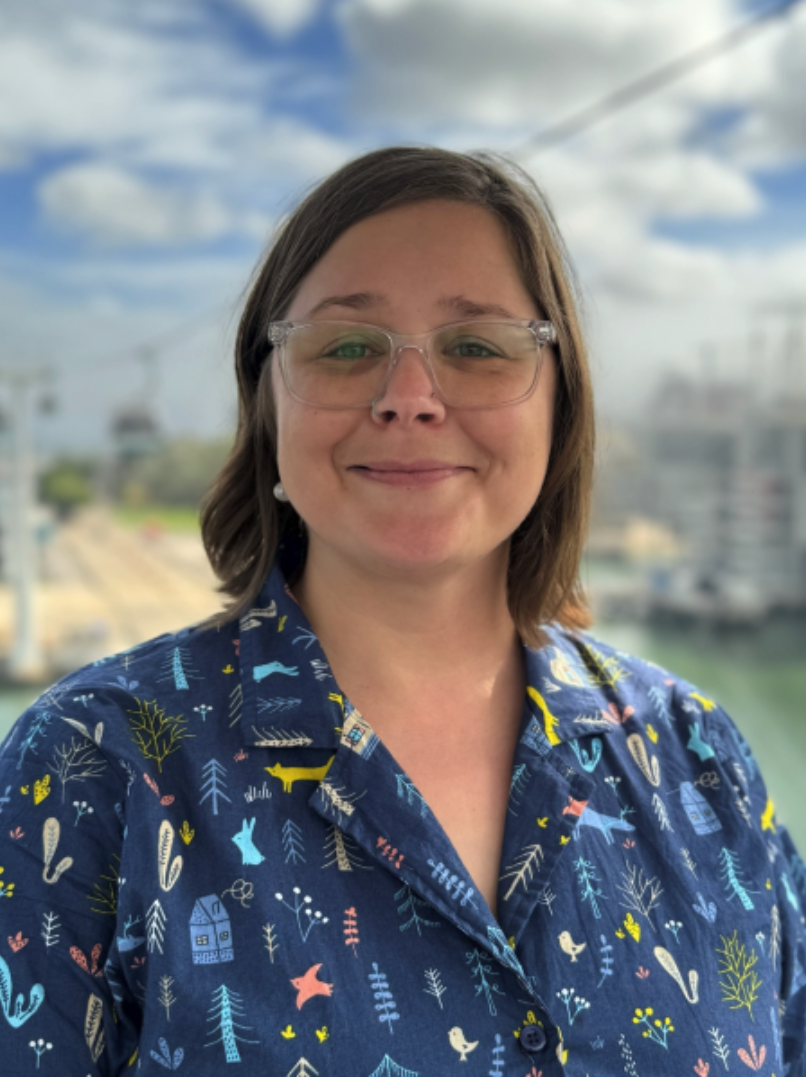
MCCAC Executive Director Leslie Naramore
Most significantly, 221 people moved from houselessness into permanent housing — more than triple the 68 people MCCAC reported helping into permanent housing the previous fiscal year. Of those newly housed, 101 were children and youth.
“This past year reflects the strength of our team and the trust our community has placed in us,” MCCAC Executive Director Leslie Naramore said. “We’ve grown our housing placements dramatically, provided utility assistance to hundreds of families, and welcomed new leadership to help guide our work. This report is a reflection of what’s possible when an organization stays focused on the people it serves.”
That represents a 225% increase in permanent housing placements in two years, according to MCCAC.
The numbers provide a window into a houselessness response that extends well beyond providing a bed for the night. MCCAC’s work includes shelter, case management, rent assistance, eviction prevention and housing stabilization — an effort aimed both at getting people off the street and preventing people who still have housing from losing it.
MCCAC’s shelter programs provided 26,292 nights of shelter during the year across the three counties. At the same time, the agency spent $1.74 million on housing assistance programs, according to the annual report.
The work also depends on finding housing in a tight market and convincing property owners to participate. MCCAC reported 149 landlords partnered with the organization on housing placements, while 39 community volunteers contributed 470 hours.
Graphic provided by MCCAC
Keeping people from becoming houseless
Another important part of the numbers lies upstream of the shelters.
MCCAC’s eviction prevention program helped 315 people remain in their homes, including 172 children and youth — 55% of everyone assisted through that program.
That distinction matters because the region’s houselessness response is not simply about finding places for people already living outside. It also involves identifying households in danger of losing housing and intervening before they enter the shelter system or become unsheltered.
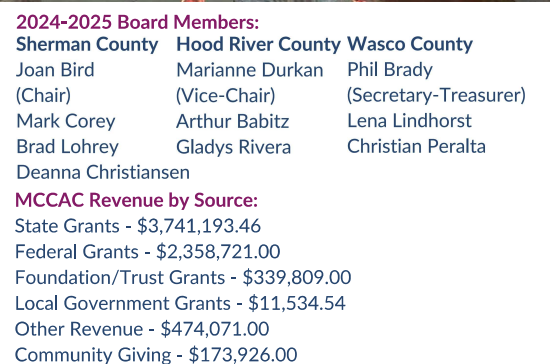
Provided by MCCAC
The annual report describes that work under a broader goal of “Preventing and Ending Houselessness” and says MCCAC is working toward a future in which everyone has a safe and stable place to call home.
Of the 221 people who secured stable housing, 69 were people with disabilities, or 31%, highlighting the level of vulnerability among some of the people MCCAC is trying to house.
The agency also assisted 40 veteran households through its Supportive Services for Veteran Families housing programs.
“Every number in this report represents a family who found stability, or a neighbor who didn’t have to choose between rent and heat,” MCCAC Deputy Director Kyle Bray said. “Our job is to keep showing up for this community, and this year’s results show what that looks like in practice.”
More than houselessness
Housing instability can begin well before someone loses a home.
MCCAC reported providing $653,590.44 in utility assistance to 2,700 people during the fiscal year through payments to utility companies and direct assistance.
Among those receiving utility assistance were 1,044 children and young people under age 24, representing 39% of those served by the program. The agency also reported that 1,362 people receiving utility assistance were from Native, Latino and other communities of color — about half of those served.
Taken together, MCCAC said community support and funding allowed the agency to provide more than 3,600 individual services across Hood River, Wasco and Sherman counties during the year.