
TD Budget committee hears warnings over street funding, $ 75M water plant replacement
The Dalles, Ore., May 14, 2026 — The Dalles Budget Committee began reviewing the city’s proposed 2026-27 budget Monday night, launching discussions on a spending plan that proposes roughly $20.8 million in General Fund expenditures while continuing tens of millions of dollars in infrastructure, utility and capital improvement spending citywide.
The proposed budget outlines major investments in water, wastewater and transportation infrastructure while also creating a new financial stabilization reserve intended to help the city weather future economic downturns or sudden revenue disruptions.
Unlike the city’s roughly $16.1 million General Fund — which primarily supports day-to-day operations such as police, administration and general services — the much larger utility and infrastructure totals include water and sewer revenues, reserve funds, grants, debt-service accounts and capital project money carried over from previous years for long-term construction and infrastructure work.
The city’s public works-related funds collectively account for more than $43 million in proposed FY2026-27 expenditures. That includes:
approximately $8.1 million in the Water Utility Fund,
$7 million in the Wastewater Fund,
more than $6.2 million in the Water Department Capital Reserve Fund,
nearly $6.9 million in Sewer Plant Construction and Debt Service funding,
roughly $2.7 million in Street Fund revenues,
and more than $2.5 million in Transportation System Reserve funding.
Additional spending includes capital reserves, debt-service obligations, equipment replacement, grant-funded infrastructure work and money carried forward from prior years for long-term utility and construction projects.
Wicks Water Treatment Plant replacement
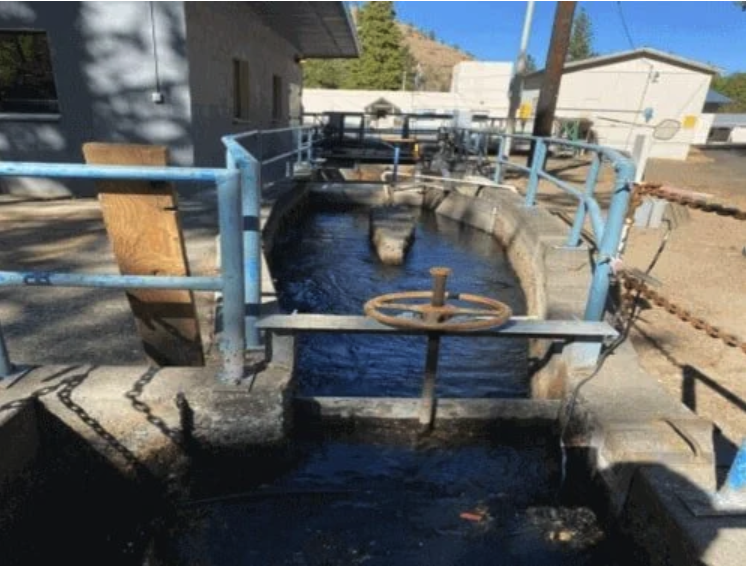
Replacement of the Wicks water treatment plant is estimated to cost $75 million
But one project repeatedly rose above nearly every other discussion Monday night: the eventual replacement of the Wicks Water Treatment Plant.
City officials told the committee the future replacement project could ultimately exceed $75 million, making it one of the largest infrastructure obligations currently facing the city.
The proposed budget includes $500,000 for a consultant team that would help guide the city through what officials described as an eight- to 10-year planning, financing and construction process.
Public Works Director Dale McCabe said the city lacks the internal staffing depth and technical expertise needed to independently manage a project of that size and complexity.
Councilor Dan Richardson questioned whether the consulting costs could continue for years.
“It’s an awful lot of money,” Richardson said.
McCabe acknowledged the cost but argued the adviser contract would represent only a small percentage of the overall project while providing expertise in financing, pilot testing, engineering coordination and construction management.
Officials also said the city is proposing to add another full-time employee at the Wicks facility because the treatment plant operates 24 hours a day, seven days a week, while simultaneously preparing for the massive replacement effort.
Staff members told the committee the facility’s limited staffing regularly forces operators into overtime coverage because the plant must remain continuously staffed year-round.
The broader discussion reflected a recurring theme throughout the proposed budget: city leaders are increasingly repositioning the city’s finances around long-term infrastructure sustainability.
Street Maintenance Reduction
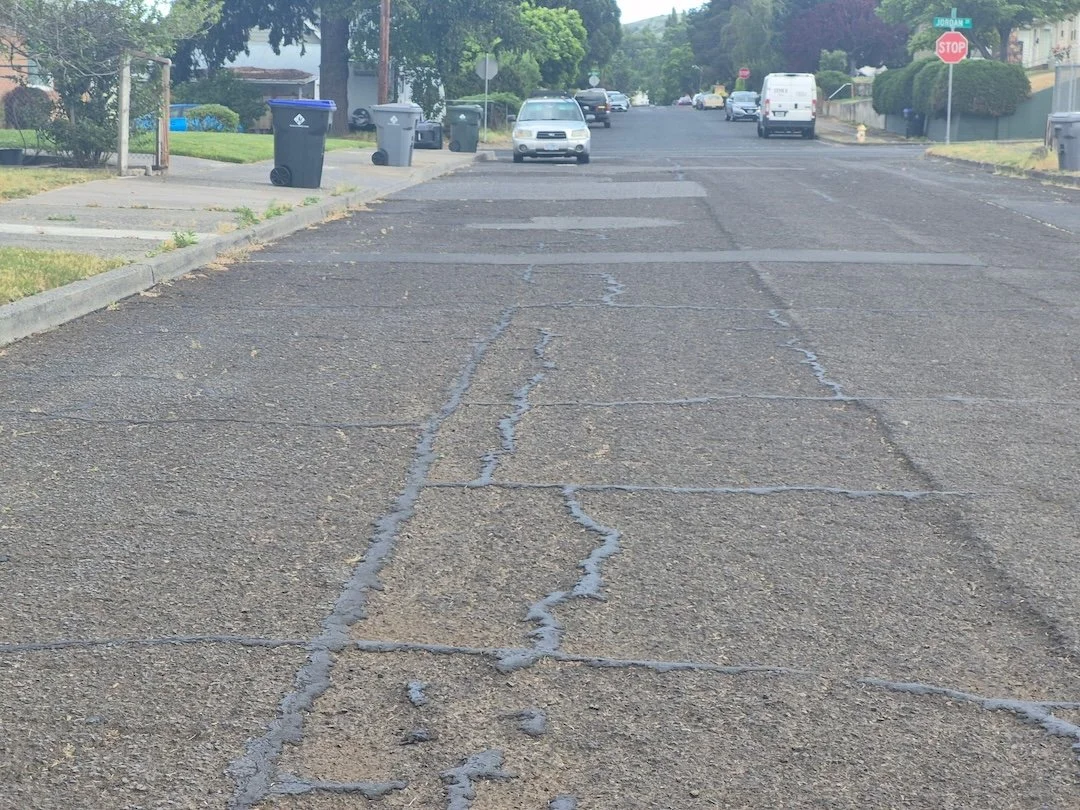
That theme also surfaced during discussion of the city’s transportation fund.
McCabe told the committee projected transportation revenues are declining even as deferred street maintenance continues growing.
“We’re at $13 million in deferred maintenance right now,” McCabe said. “Next year will be $18 million.”
The city’s transportation fund is expected to shrink by roughly $666,000 compared with the prior year, due largely to lower state transportation revenues and removal of a previous $600,000 General Fund transfer that had helped support ADA sidewalk ramp work.
That prompted concern from Councilor Ben Wring, who questioned whether pulling support from the transportation fund before a replacement funding strategy is identified could worsen long-term street problems.
“It seems a little bit alarming that the street fund is like atrophying and we’re pulling $600,000 out of it,” Wring said.
City Manager Matthew Klebes said the General Fund could not sustainably continue subsidizing transportation operations indefinitely and warned the city will need broader discussions about how streets are funded in the future.
McCabe said city staff plan to return to the City Council in June for a larger street funding discussion focused on identifying long-term solutions.
Despite the funding pressure, public works officials said the city plans to maintain roughly the same amount of annual pavement preservation work, including chip sealing, crack sealing, paving projects and ADA ramp upgrades.
Committee members also discussed how city crews have increasingly shifted ADA ramp construction in-house rather than contracting the work externally.
McCabe said the city can now complete many ADA ramps for roughly $7,000 each compared with approximately $10,000 or more when contracted out.
Arrowhead Ranch
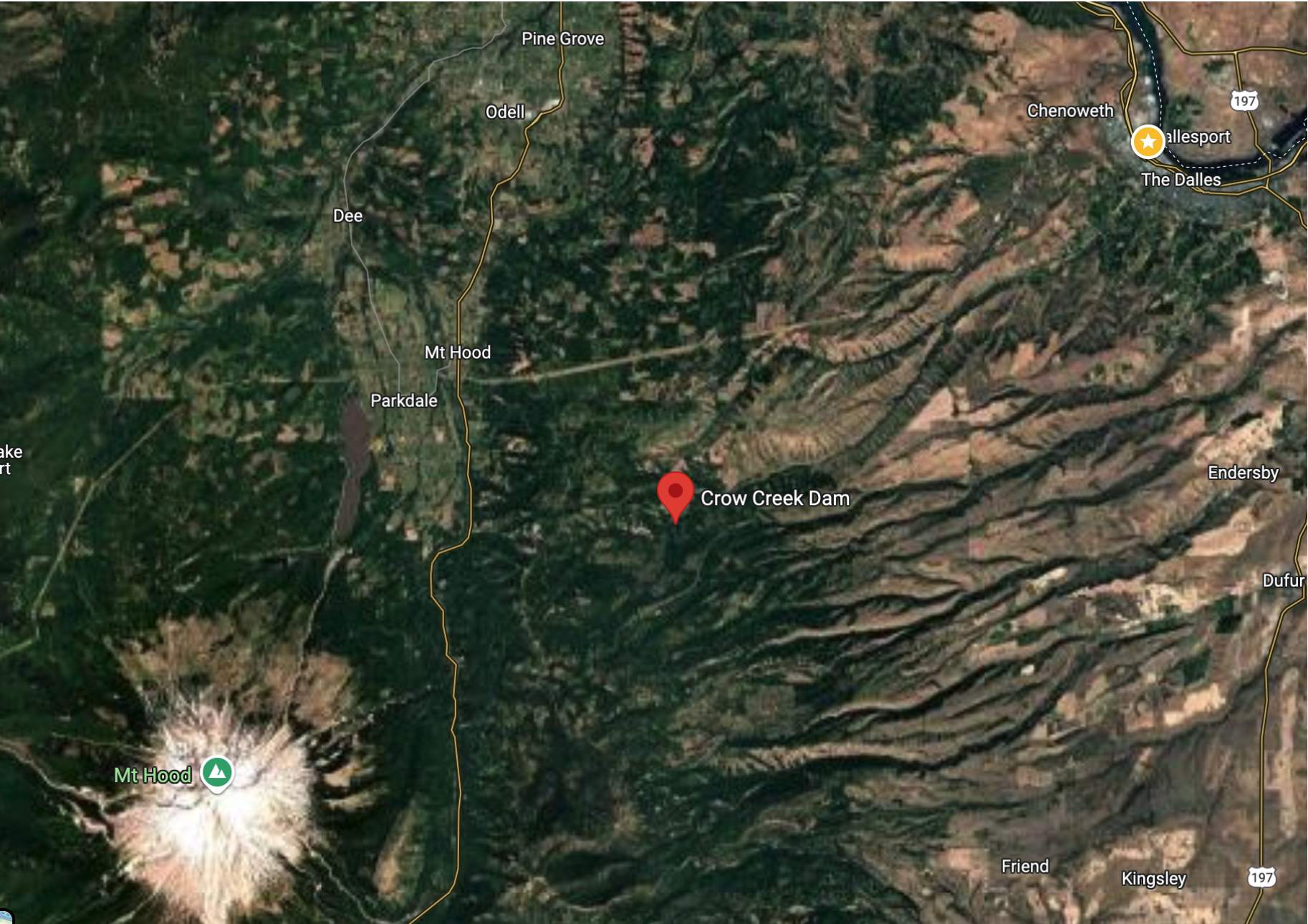
The acreage is in The Dalles Watershed which includes the Crow Creek Reservoir, about 13 miles northeast of Mount Hood, which the city will eventually expand from 900 acre feet of water to 3,000 acre feet in years to come. That’s an additional 683.7 million gallons or the entire average flow of the Columbia River at its mouth for 5 minutes and 45 seconds.
Another major discussion centered around the city’s pending acquisition of approximately 3,400 acres known as the Arrowhead Ranch property near the watershed an Wicks Treatment Plant.
The proposed purchase would effectively double the amount of watershed land directly controlled by the city.
The proposed purchase is now estimated at approximately $3.18 million, according to city budget discussions Monday night. City officials said the acquisition would be largely funded through outside grants rather than local ratepayer dollars. Funding sources discussed during the meeting included approximately $2.1 million from the U.S. Forest Service Forest Legacy Program, about $528,000 from the Oregon Watershed Enhancement Board and roughly $70,000 from the Oregon Health Authority.
McCabe said the property is important because it drains directly into the watershed above the treatment plant, and private ownership limits the city’s ability to control land management practices that could affect water quality.
“When it’s under private ownership, you don’t have any control over it,” McCabe said.
Councilor Tim McGlothlin directly asked whether the acquisition was connected to Google or future industrial expansion.
“This isn’t for Google,” McGlothlin asked.
“No,” McCabe responded.
Councilor Richardson added that the acquisition reflects a long-standing council priority focused on protecting as much of the watershed as possible under public control.
The property purchase would be largely funded through grants, including money from the U.S. Forest Service Forest Legacy Program, Oregon Watershed Enhancement Board and Oregon Health Authority.
The meeting also included updates on several other infrastructure and operational projects, including:
emergency backup generators for wells and reservoirs funded through FEMA grants,
continued SCADA cybersecurity modernization,
future inspection work at Garrison Reservoir,
a new asset management software system for Public Works,
and equipment replacement planning for sewer inspection vehicles and street maintenance operations.
City To Take 50% of Lodging Tax
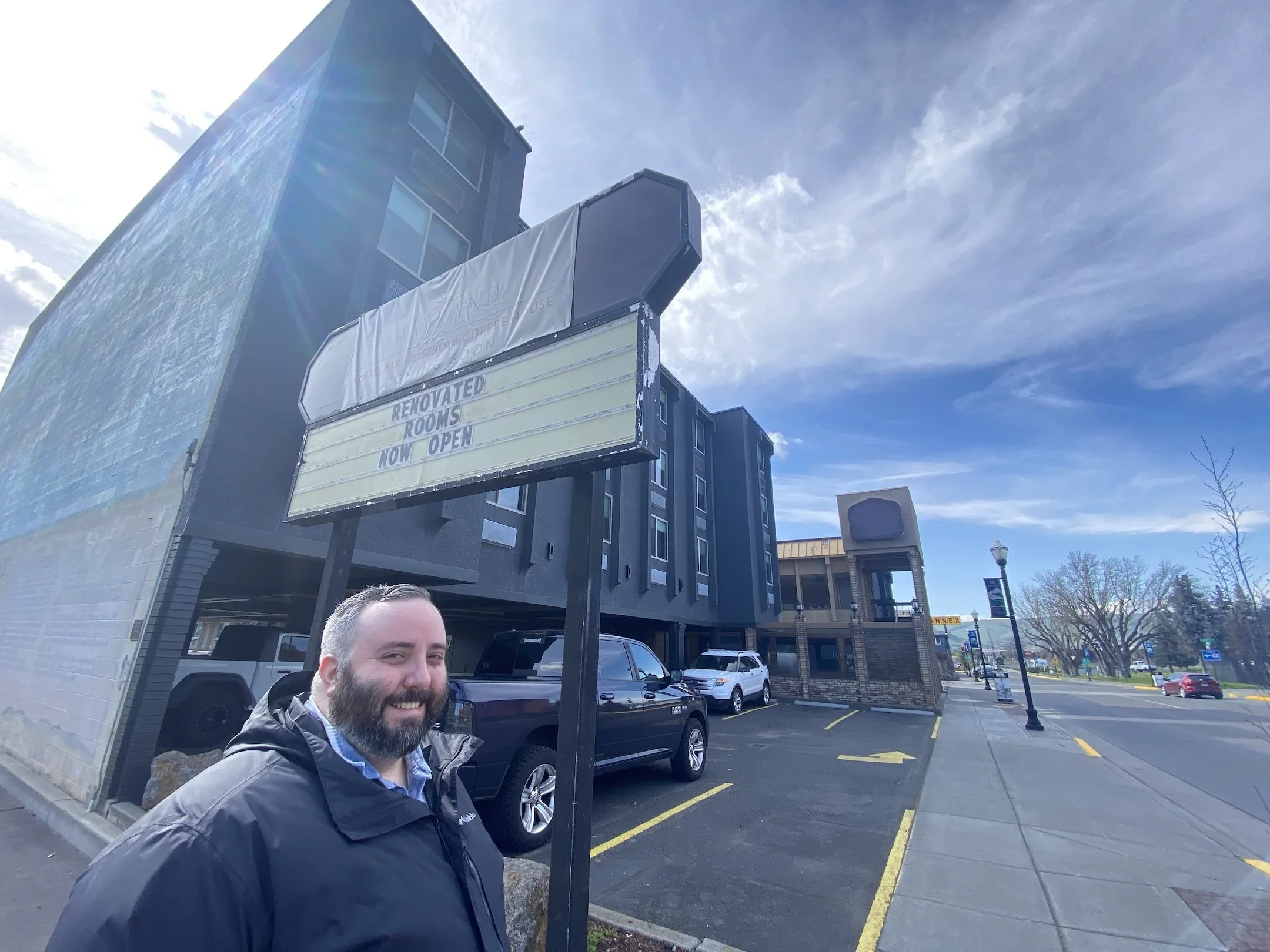
City Staff anticipates putting 50 percent of lodging tax revenues into the city’s general fund during the next fiscal year.
Tourism funding discussions also surfaced early in the meeting after officials explained a recent state law change now allows transient lodging tax revenues to be split evenly between tourism promotion and general government purposes.
Klebes said the city intends to keep 50% of lodging tax revenues dedicated to tourism while transferring the remaining 50% into the General Fund under the new law.
The tourism fund proposal also includes continued support for fireworks, Fort Dalles Museum partnerships, tourism promotion contracts and construction of a bicycle hub tied to the Federal Street Plaza project.
The Budget Committee also met on Tuesday, May 12 the week before forwarding a recommended budget to the City Council for final adoption in June.