
The Dalles urban renewal board votes to help downtown biz with city fees; up to $15k per
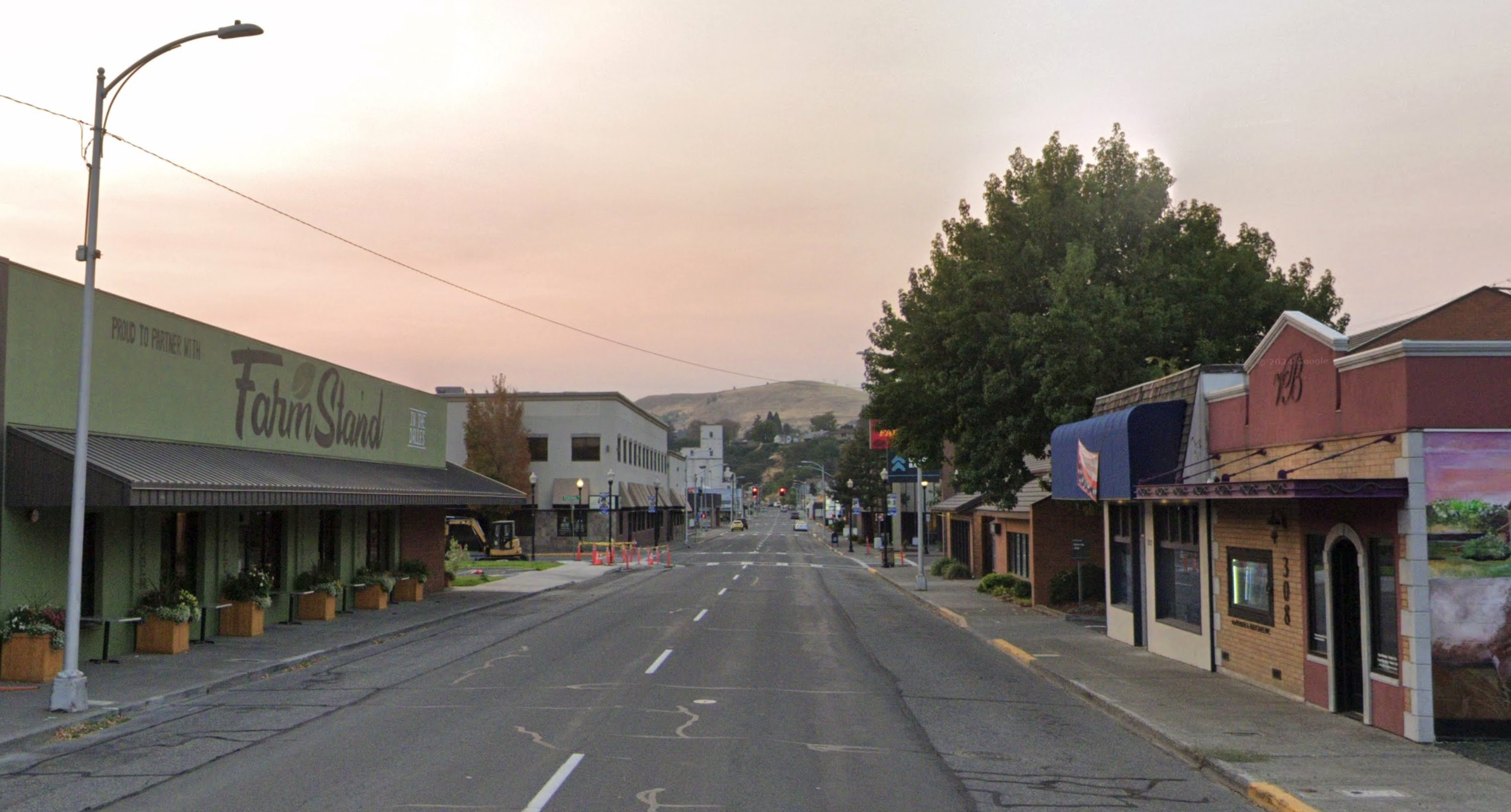
The Dalles, Ore., Oct. 21, 2026 — The Dalles Urban Renewal Agency unanimously approved a program Tuesday night to help downtown businesses offset system development charges, or SDCs, when opening, expanding or changing the use of existing commercial spaces.
The move was applauded by entrepreneurs looking to get their doors open without getting buried in debt, or having to abandon a business plan altogether due to thousands of dollars in unexpected city service development fees. The discussion also captured ideas around how the city could better find and inform new or changing businesses about the permitting process.
Business owners describe unexpected costs
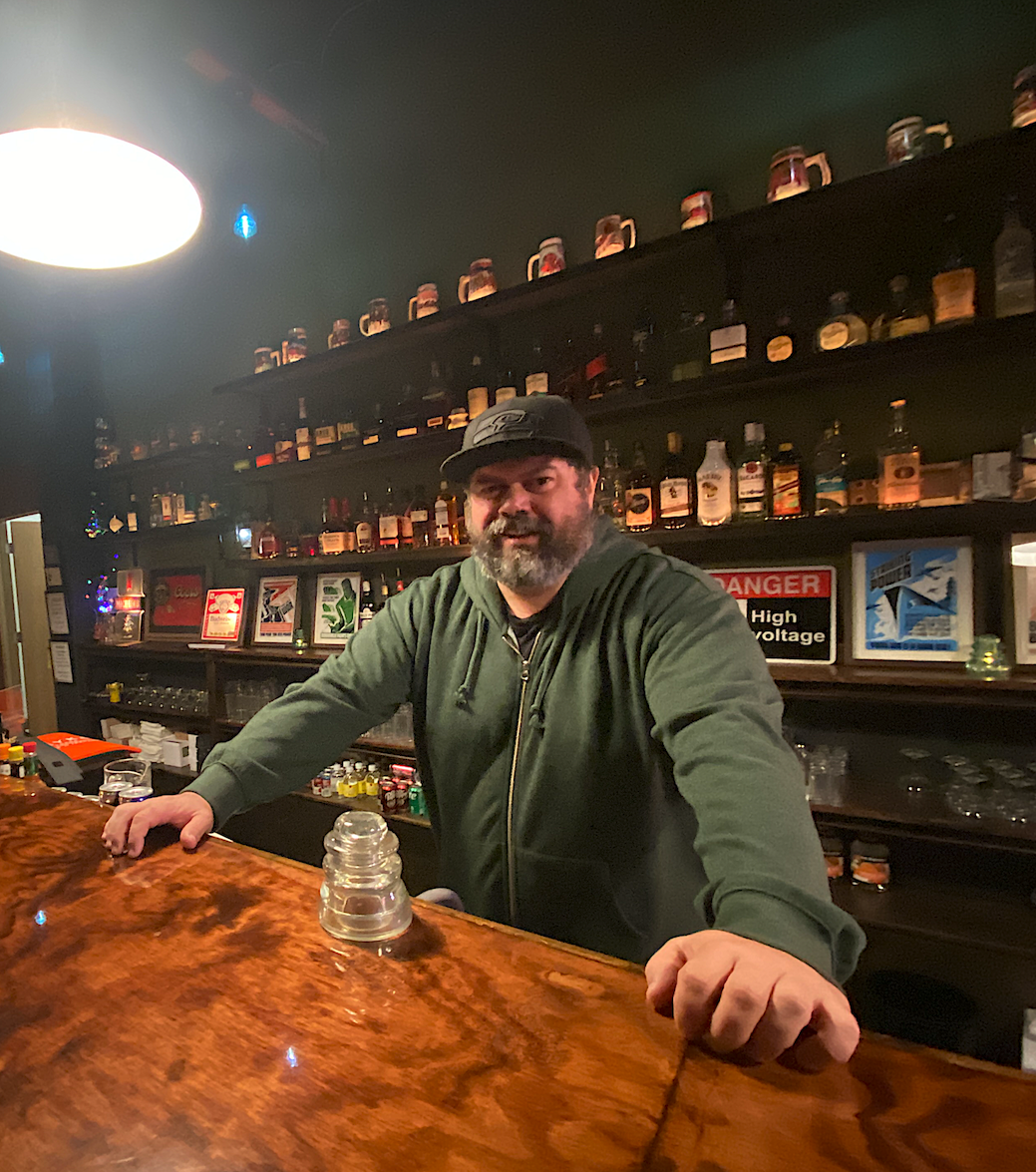
Nolan Hare at Converter Backdoor Den, a new bar in the downtown core.
Nolan Hare, owner of Converter, a bar and gathering space that opened Saturday downtown, told the board an unexpected $5,367 SDC bill pushed his project more than 20% over budget.
Hare said he invested time and money into reopening a commercial space that had sat vacant for several years after the former Kainos bar closed. During the approval process, he learned the city had no record of required signoffs for the space’s previous bar operation, despite its prior approvals from the Oregon Liquor and Cannabis Commission and health department.
The discovery triggered a change-of-use process and SDC charges he had not anticipated.
“For a small independent business, that's a substantial expense,” Hare said.
“Had I not already invested considerable time and resources developing the concept, negotiating a lease, and cleaning up the space, I would have walked away,” he said. “I came close to abandoning the project altogether, but ultimately decided to push through and pay the fee.”
Hare said empty storefronts do little for downtown, while operating businesses create jobs, attract customers and support neighboring businesses. He urged the agency to adopt the assistance program to make downtown investment more achievable.
Urban Renewal Agency Manager Jake Anderson said staff had identified four businesses eligible under the program’s retroactive provisions, which date to July 1. Hare is among those eligible to seek reimbursement.
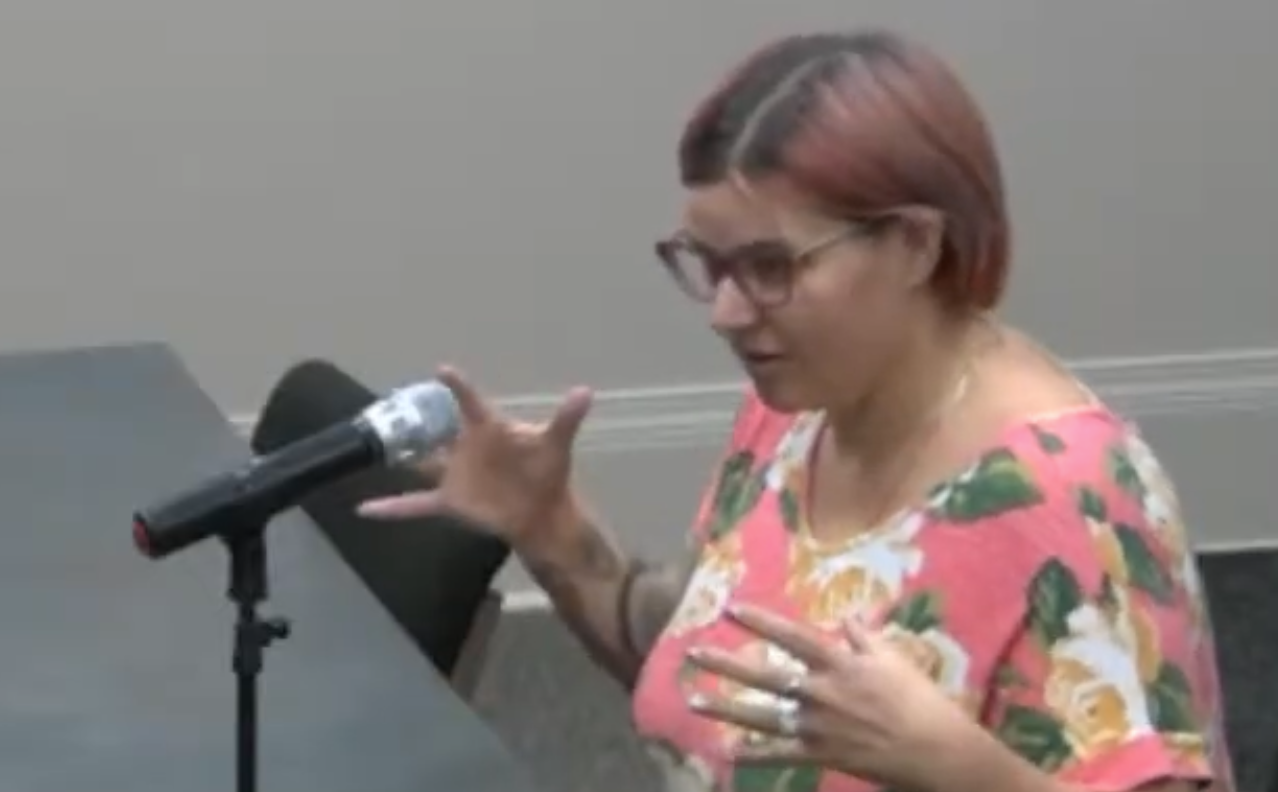
Leslie Wilson
Louise Langheinrich, owner of Lines of Designs and the expanding Sew Much More fabric store, also described unexpected SDC costs.
“I too did not have that in my budget,” Langheinrich said.
On a side note, she reported the Portland Modern Quilt Guild is interested in holding a weeklong retreat in the area next year. Visitors could bring additional spending to downtown restaurants, hotels and shops, she said.
Leslie Wilson also praised the board for finding ways to improve the downtown core. The co-owner of Brick City and Games, thanked the agency for its facade improvement program, which helped improve their new building on 2nd Street. She said it had been vacant for eight or nine years before the business expanded into it. Wilson also expressed interest in the future of the neighboring gravel lot, formerly occupied by Tony’s Town and Country.
Program caps assistance at $15,000
The new program provides eligible businesses within the urban renewal district up to $15,000 per project. The agency will cover 100% of the two highest SDC charge categories and 75% of the remaining eligible charges, up to the cap. Businesses must still pay any charges not covered by the assistance.
Anderson described the program as an interim measure while broader questions about city SDC policies remain unresolved. The agency already offers residential SDC assistance of up to $10,000 per residence but had not provided comparable help to commercial businesses.
The city relies on SDC revenue to help fund major infrastructure projects, including water and wastewater improvements estimated to require $85 million to $150 million in investment, Anderson said.
Changing SDC policies for existing buildings would require a broader city-level discussion, he said. The urban renewal agency cannot eliminate the charges citywide.
The program is limited to properties within the urban renewal district. Businesses outside its boundaries are ineligible.
Board discussion focuses on permitting
During the board discussion, members raised concerns about how businesses learn about requirements and costs. One member described a process in which applicants can move forward with a project before discovering they need engineered site plans, additional approvals or unexpected fees.
Board Member Bets Stelzer described a similar experience with a downtown development. She said she initially expected to apply for a building permit, then learned she needed a site plan and an engineer. After paying SDCs for a retail tenant, she faced additional charges when a different business moved into the space and triggered a change of use.
Stelzer said a straightforward explanation of the process could help business owners budget before committing money.
“Any kind of clarity so that somebody can actually talk to people that they need to talk to and budget things out properly — that would be such a big boon to small business owners who are doing this for the first time,” she said.
Anderson said the city is working to improve coordination and get businesses in front of relevant departments earlier. The commercial SDC program addresses one immediate financial barrier, rather than resolving every issue in the permitting process.
The agency approved the commercial assistance program unanimously, 8-0.
Granada Grant
The board also approved a separate grant of up to $21,600 for safety and security improvements at the Granada Theater. Walter Denstedt opposed the grant, objecting to the theater’s apartment being used as living space without fire sprinklers. He said he would support the grant if fire suppression - sprinklers - were included, although it was not required by code.