
Thoughts from the Tractor Seat: A Timeline of Trouble, How Our Farms Got Here
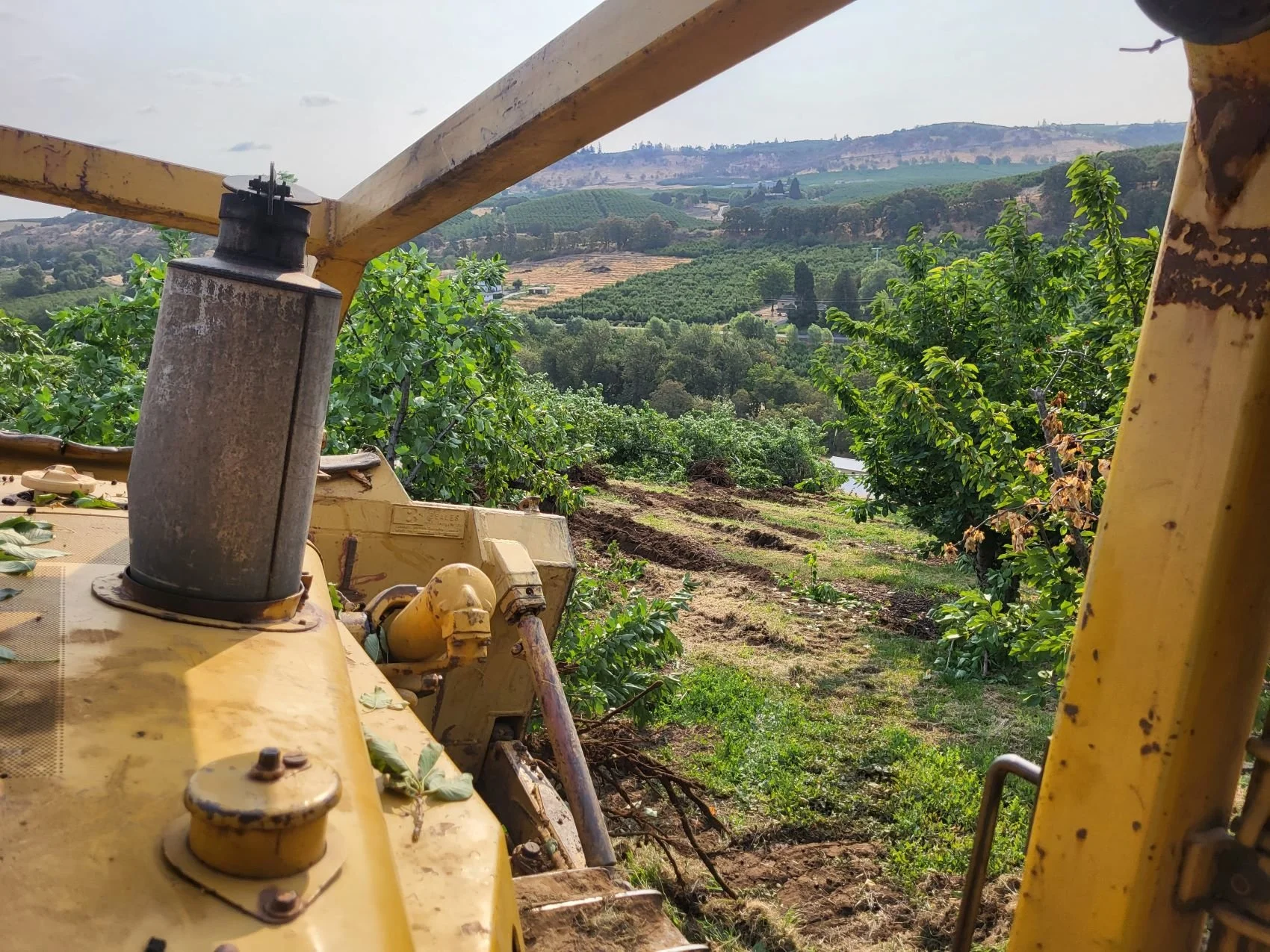
Folks ask me why farmers are hurting so badly right now. The truth is, it didn’t happen overnight. It’s been building for years—one challenge stacked on another until the weight is almost unbearable. From the driver’s seat of a tractor here in Wasco County, here’s how it’s looked:
2018–2019: Trade Wars Begin
Markets overseas closed off almost overnight. Fruit, grain, and other crops piled up, and prices dropped. We tightened our belts and kept going, like farmers always do.
2020: COVID-19 Pandemic
Farming didn’t stop. In fact, we were called essential workers. Packing houses kept running, now under extra health and safety requirements, but markets were strong and demand was high. Many of us looked at the season and thought, “We should make money like this every year.” It was a rare bright spot in a challenging decade.
2021: Labor Rules & Shortages
The labor shortage got worse. Overtime rules and H-2A paperwork added more cost and red tape. Younger workers weren’t interested in farm jobs. We needed help, but instead got more rules.
2022: Costs Double and Triple
Diesel, fertilizer, chemicals, equipment parts—everything we needed to farm suddenly cost twice or three times as much. But the price we got for our crops stayed about the same.
2023: Weather Extremes
Droughts, floods, and heat waves hit across the country. Crop insurance helped some, but not nearly enough. Farming has always depended on the weather, but the swings are hitting harder now.
2024: Grocery Prices vs. Farm Prices
Everyone noticed food prices climbing at the store, but farmers didn’t see any of that money. Middlemen and retailers took the margin. Farmers kept hearing “do more with less.”
2025: The Breaking Point
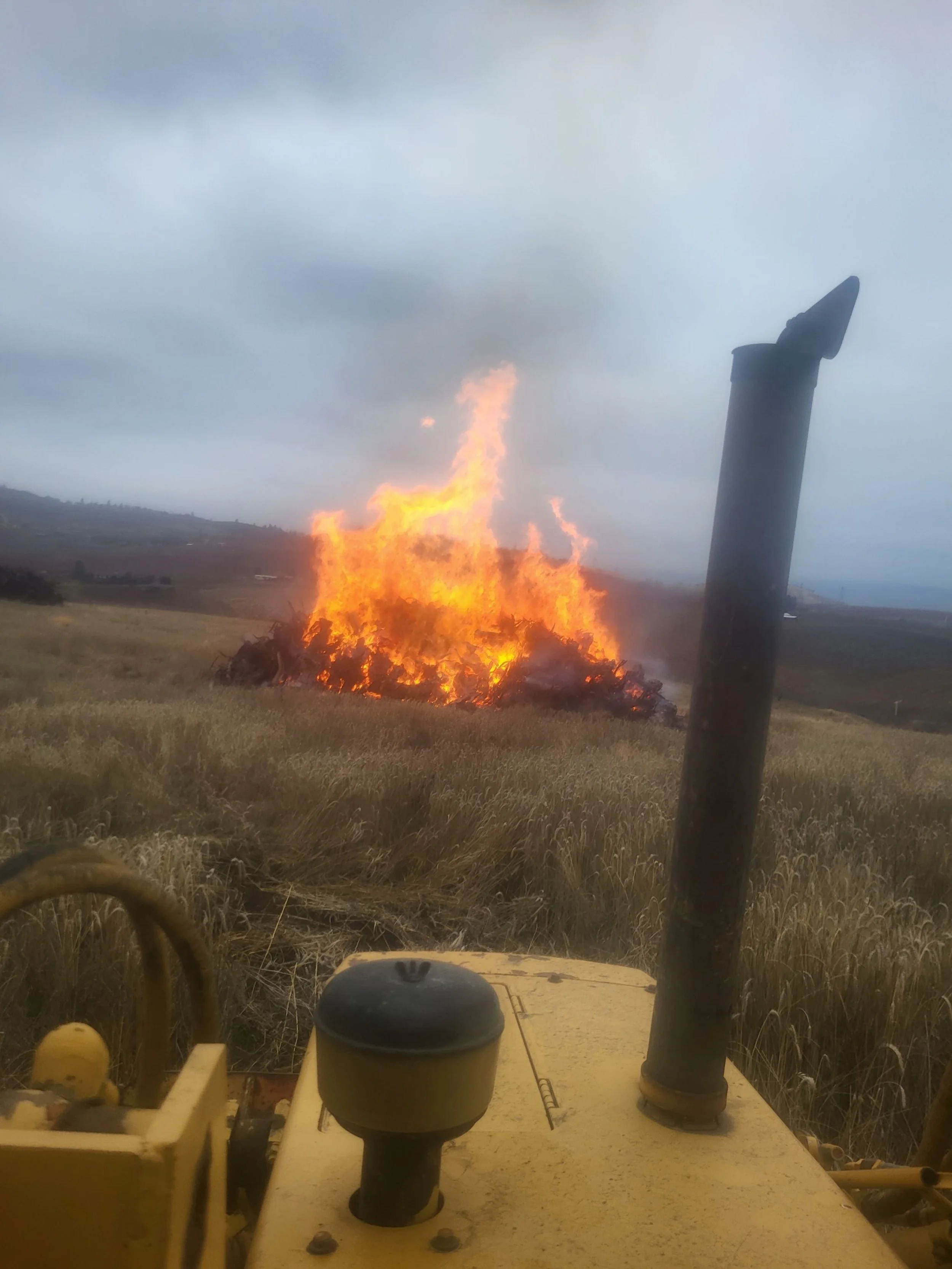
This cherry season has been called a bloodbath. Prices are below the cost of production. Some farmers are bulldozing orchards, others are barely hanging on, hoping for better next year.
This is the storm we’ve been weathering—year after year. No single thing “broke” farming. It’s been the piling on, the sense that just when you catch your breath, another wave hits.
Here in Wasco County, we all depend on one another. If we want secure food, strong local farms, and rural families who can pass their land on to the next generation, the timeline needs to change. Farmers can’t keep carrying the whole burden.
So I’ll leave you with this: when you see a farmer at the market, or drive past the farms this fall, remember the story behind what you see. We’re still here, still working, still hopeful—but the future of our food depends on all of us recognizing what’s at stake.
Support Local News!
Available for Everyone; Funded by Readers.