
Thoughts from the Tractor Seat: The Shifting Table; When America No Longer Sets the Menu
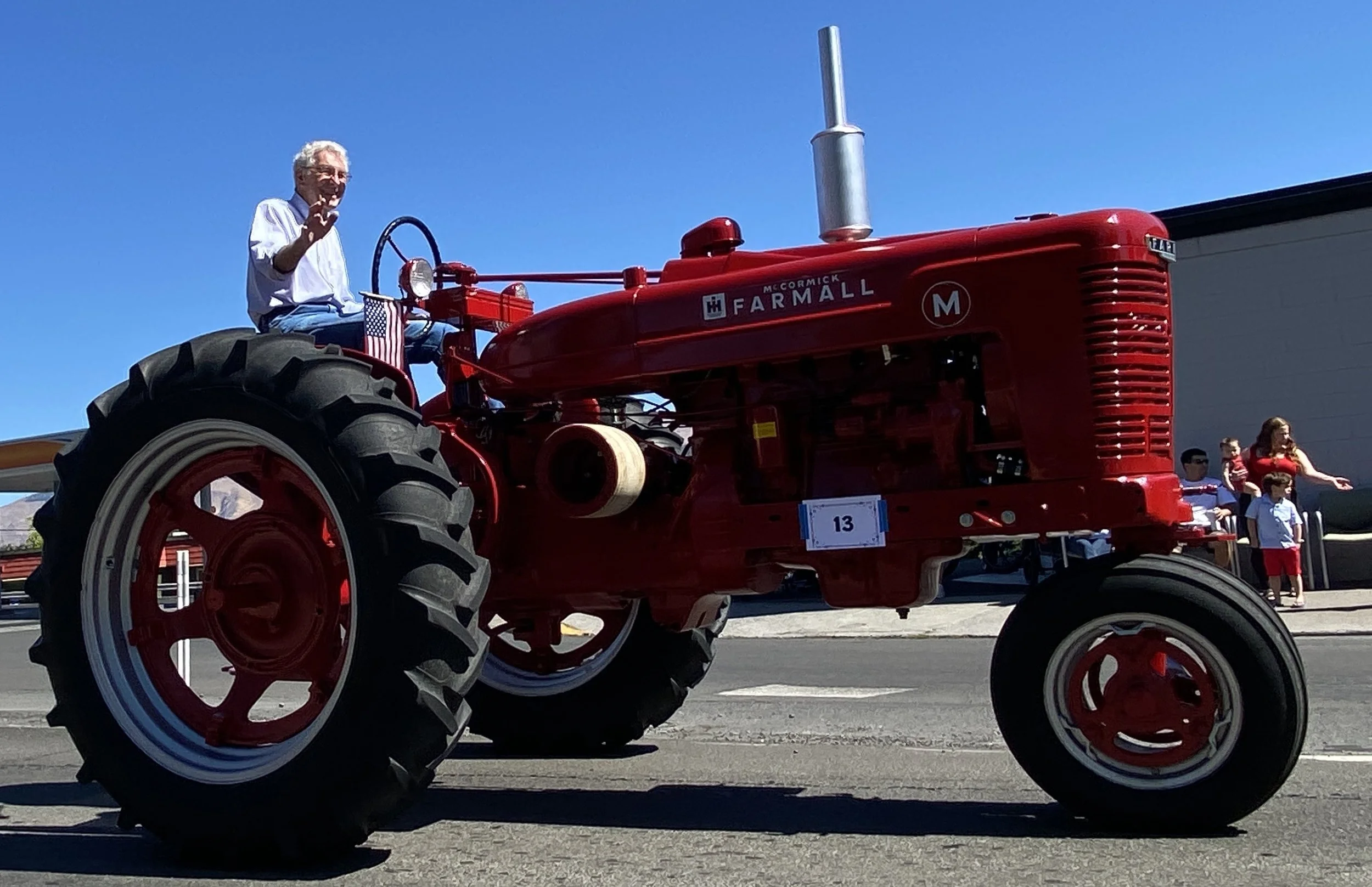
By Ken Polehn
The Dalles, Ore., Sept. 13, 2025 — Not long ago, America was the breadbasket of the world. Our fields and orchards fed not only our own people, but millions overseas. When ships left the Pacific Northwest loaded with cherries, apples, wheat, and pears, we knew the world was waiting for what we grew.
But the world has changed. Slowly, almost quietly, the global food supply chain has shifted away from the United States. Today, Chile is the world’s largest cherry exporter. Turkey and China together produce more fruit than our entire Northwest industry. India, once a hungry importer, is now building its own production base. Even in pears, a crop that has been a lifeline for family farms like mine, U.S. consumption is flat while imports rise.
Meanwhile, we face challenges right here at home. Labor is scarce and costly. Regulations pile up year after year. Retail power is consolidated in fewer hands, and perishability means we have no safety net when prices collapse.
Some folks tell me, “All you need to do is sell local.” That sounds good on paper, and I wish it were that simple. But here’s the problem: there just aren’t enough people in our small rural communities to buy the sheer volume of fruit we produce. A cherry orchard can produce thousands of pounds in a matter of days. Local markets and farm stands are important, but they’re not enough to keep a commercial farm alive.
So where does that leave us? It means farmers have to straddle two worlds at once. Yes, we need to connect locally — with families in Portland, Seattle, or Bend who want to know their farmer and value the story behind their food. But we also need access to global markets where premium quality still commands a price. It’s not one or the other. For farms like ours, survival depends on both.
The truth is, America may no longer set the world’s table. But we still have something the world values: quality, trust, and the tradition of family farming. The challenge before us is whether we can hold onto those values while adapting to a marketplace that looks nothing like the one our parents and grandparents knew.
Sitting here on the tractor seat, I can see clearly that the ground beneath us has shifted. The question for all of us — farmers, policymakers, and consumers alike — is whether we will shift with it, or be left behind.
Thoughts from the Tractor Seat
About the author:
I was born in 1961 into a second-generation farm family in The Dalles. I grew up on a tractor seat, moving irrigation pipe with my sisters before school, and spent my summers picking cherries alongside the children of migrant families who returned year after year. My wife, children, and parents have all worked the same land. I’ve served as county Farm Bureau president, sat on the county fair board, and continue to support 4-H and FFA. I’ve seen firsthand what happens when farmers are squeezed out—not just of business, but of the conversation.

Support Local News!
Available for Everyone; Funded by Readers.