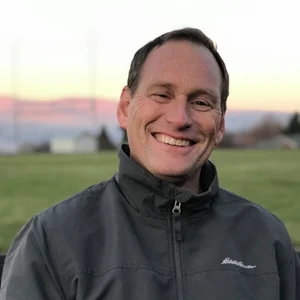
Close Call: Trooper Spots Silver Alert Vehicle on I-84, Reunites Missing Tygh Valley Woman With Family
By Tom Peterson
The Dalles, Ore., Feb. 11, 2025 — Fast action by a local Oregon State Police Trooper quickly brought a search for a missing woman from Tygh Valley to a close while working a tow-truck detail on Interstate 84 near the Discovery Center exit on Monday night.
He also likely saved her and possibly others from major injury.
On Monday, the Wasco County Sheriff’s Office initiated a silver alert for the woman after she went missing from the Rock Creek community around 4 p.m., according to the sheriff’s log.
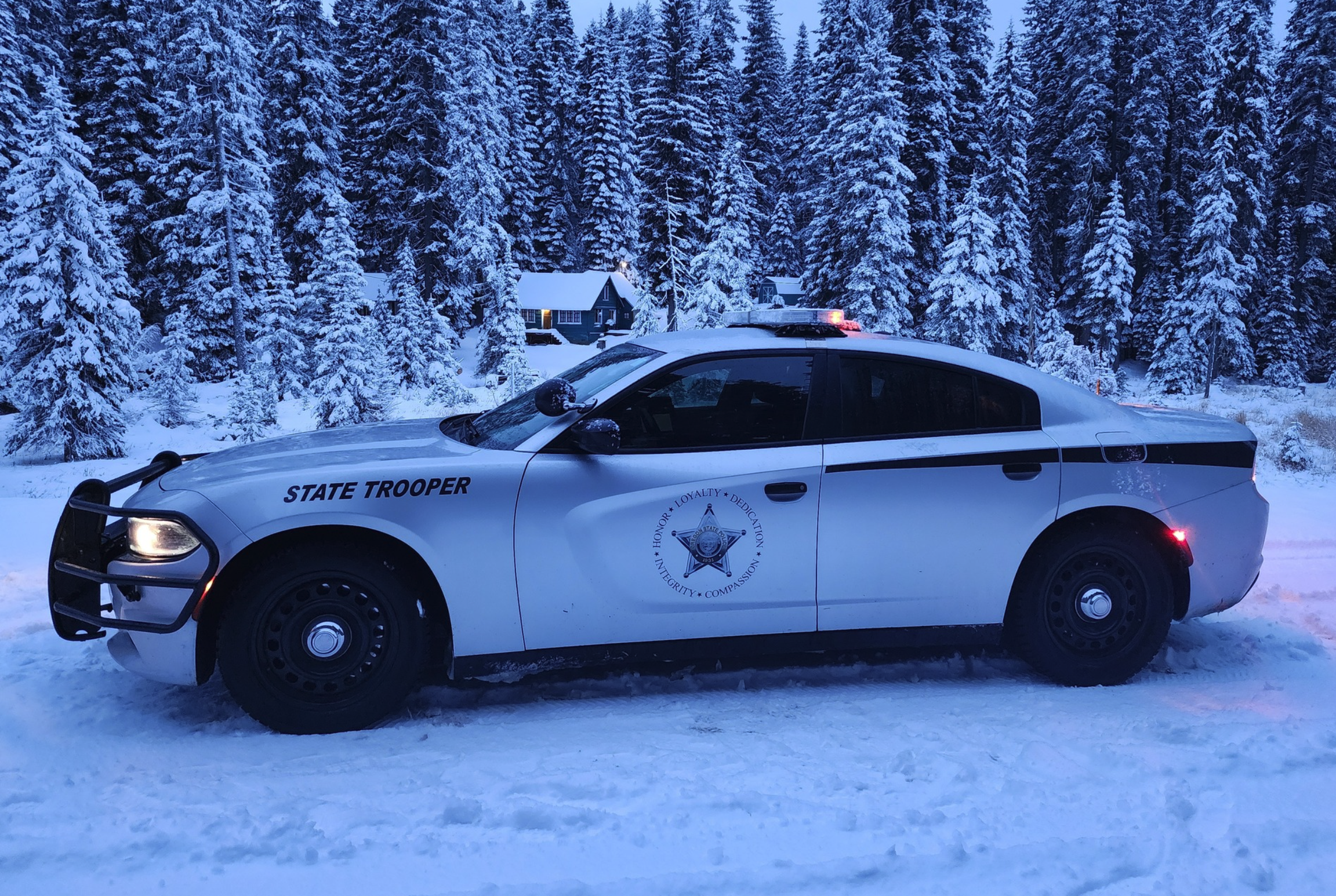
At about 8:43 p.m. Sunday, Feb. 9, Oregon State Police Trooper Nicklus Rumsey was parked on the shoulder of Interstate 84 near milepost 82 eastbound near the Discovery center exit with his emergency lights activated while assisting a tow truck driver.
According to OSP, a vehicle nearly crashed into Rumsey’s patrol car and the tow truck. Rumsey recognized the vehicle, a green Kia, as one associated with the silver alert issued out of Wasco County.
A silver alert is a public notification system designed to quickly locate missing seniors, particularly those with Alzheimer’s disease, dementia or other cognitive impairments.
Rumsey stopped the vehicle and confirmed the driver was the missing woman, identified as Linda Lou Shelton, 79, of Tygh Valley. She was safely reunited with her family.
Shelton was submitted to the Oregon Department of Motor Vehicles for retesting, according to OSP.
OSP Lt. Jason Calloway praised Rumsey’s quick thinking.
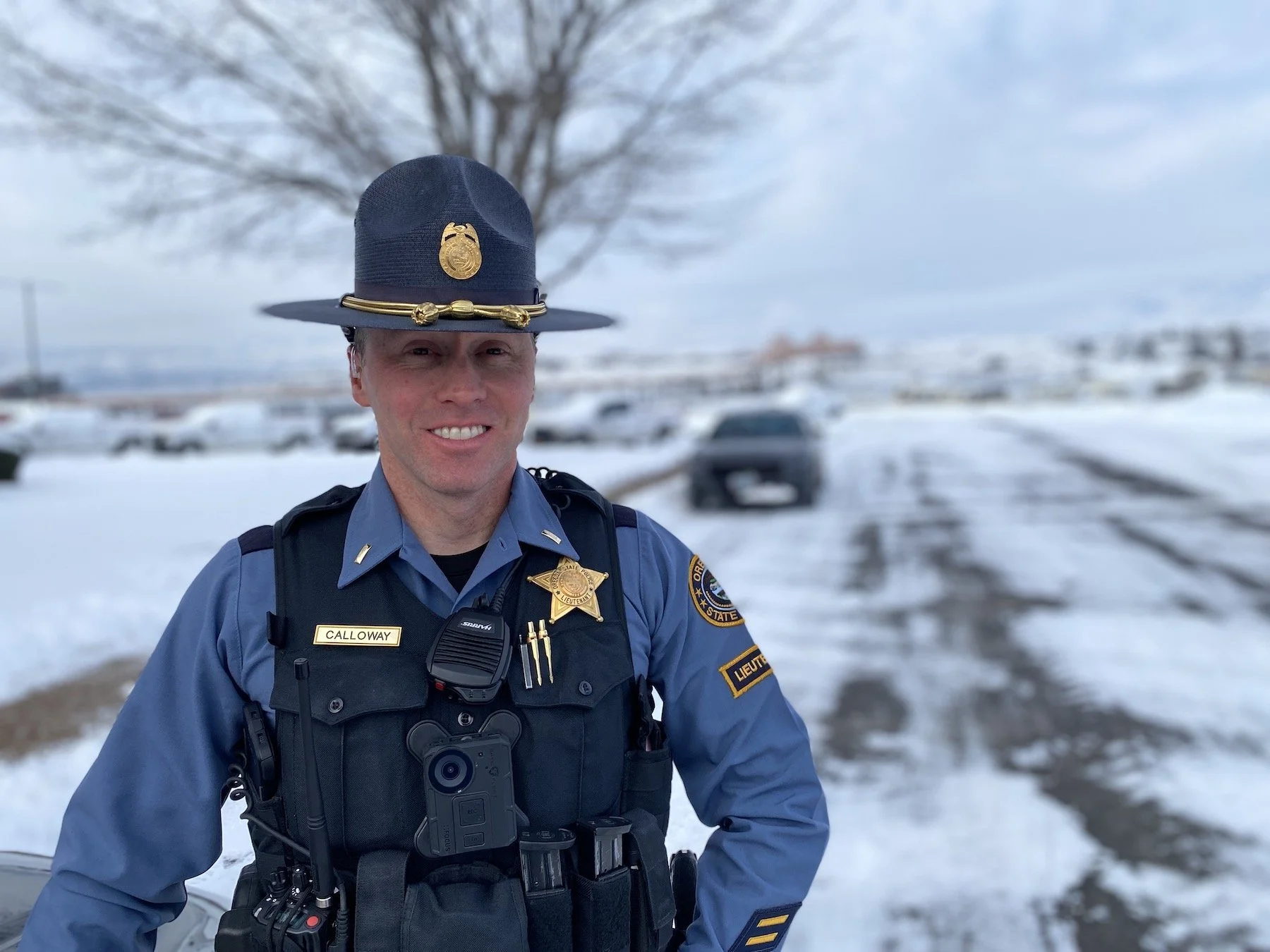
OSP Lt. Jason
“I’m proud of the officer,” Calloway said. “It was awesome he was able to recognize that vehicle was the one described in the silver alert and that he remembered what to look for all while busy working a different event.”
Keeping Seniors Safe
Calloway added that in cases involving older drivers and possible medical or cognitive issues, families play a critical role.
“They need to pay attention to what is going on with those folks and take action when necessary,” Calloway said. “If there is evidence of medical issues and they’re not safe to drive, families need to step up and take action — whether that’s getting them tested or taking the keys away.”
Calloway said troopers frequently encounter elderly drivers who become disoriented or travel long distances unintentionally, including cases involving wrong-way drivers on highways.
Early intervention by family members, and or primary care doctors he said, can prevent tragedy and protect both the driver and the public.
While surrendering a driver’s license can be difficult after decades behind the wheel, Calloway said “recognizing when it is no longer safe to drive can save lives.”