
Trapped in the Middle: What’s Really Holding Back American Agriculture — Thoughts from the Tractor Seat
By Ken Polehn
The Dalles, Ore., May 24, 2025 — I’ve spent my life on a tractor seat—planting, pruning, picking, and praying. I’ve watched the sun rise over cherry blossoms and set behind mountains of paperwork. After decades in the orchard, one thing’s clear: American agriculture isn’t failing. It’s being held back, stalled in a system built to benefit everyone but the people growing the food.
There’s a myth that farmers are just slow to change or stuck in their ways. Nothing could be further from the truth. Most farmers I know adapt every season to markets, weather, labor, and regulation. What keeps us stagnant isn't stubbornness. It's a perfect storm of consumer detachment, corporate control, and political misalignment—and in the U.S., that storm hits especially hard.
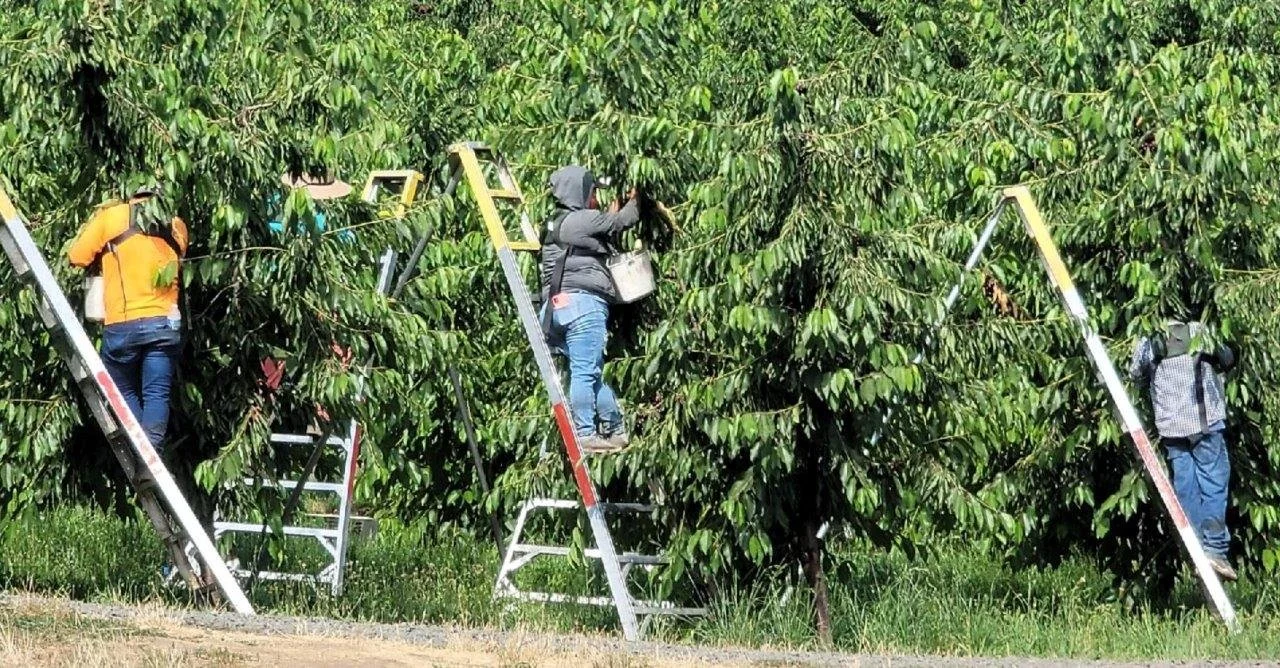
Let’s begin with labor. In the United States, farm labor wages range from $17 to $25 an hour, with H-2A guest workers earning over $18 on average. That’s significantly higher than in many other agricultural economies. In Mexico, for example, labor costs $1.50 to $2.50 an hour. In Chile and Peru—two major exporters of U.S. off-season fruit—wages range from $2 to $4 an hour. Even in New Zealand, labor costs around $13 to $15 an hour (in U.S. dollars), still far below ours.
While paying workers fairly is essential—and many of us take pride in doing so—the burden lands entirely on the grower’s shoulders. We operate in a global marketplace, but labor laws, insurance, housing mandates, and compliance paperwork are all local—and increasingly expensive.
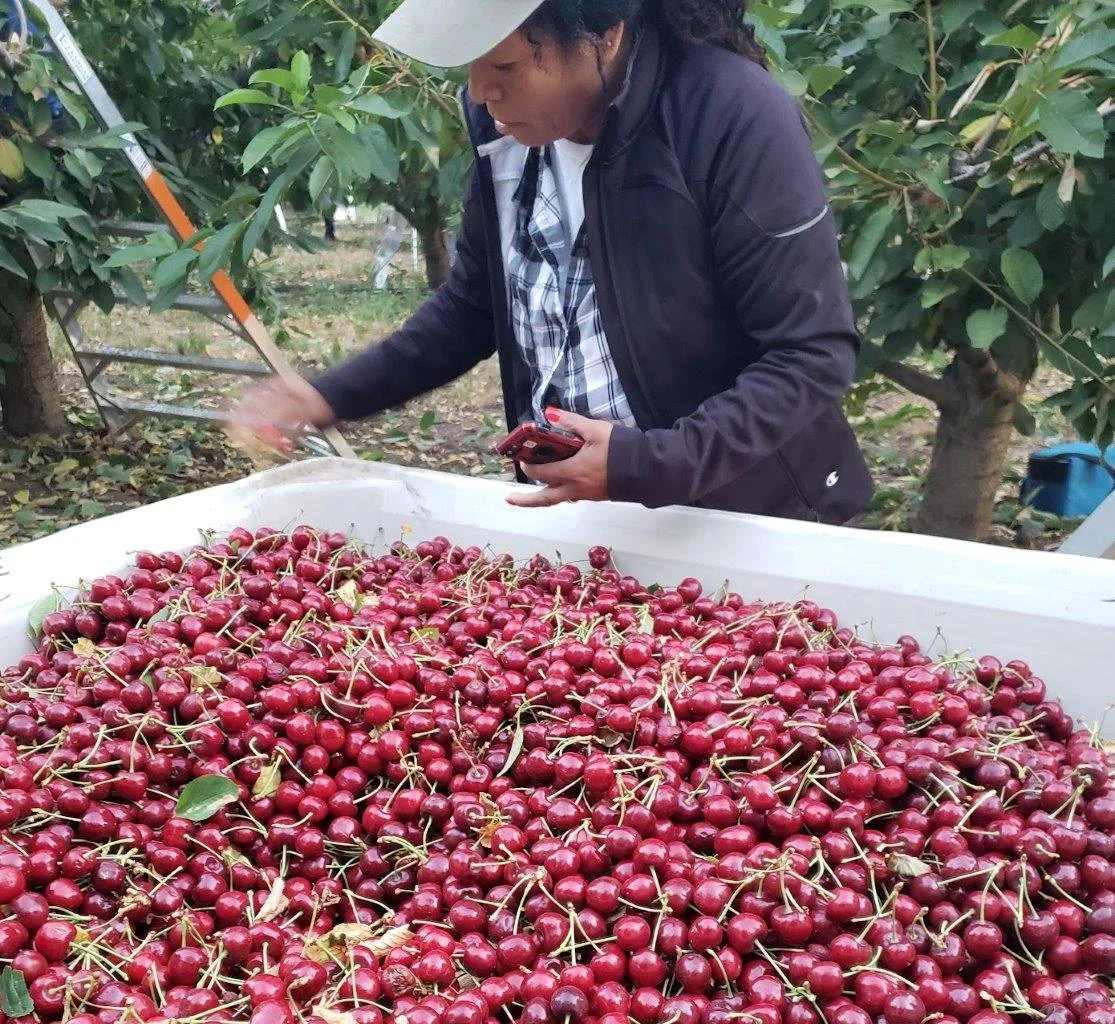
Now compare that to farm gate returns—what the farmer actually receives out of the final retail price. In the United States, that figure sits between 7% and 15%. That means when you pay $5 for a bag of cherries, the grower might see just 35 to 75 cents. In contrast, farmers in Chile or New Zealand, who sell fruit into U.S. winter markets, often retain 25% to 35% of the final price. Even though they don’t compete directly with our summer crop, they help shape consumer expectations on price, convenience, and availability year-round. That indirectly pressures domestic growers to meet standards set by lower-cost systems.
Why such a disparity? Part of the answer lies with the consumer mindset. For too long, Americans have been trained to believe food should be cheap, convenient, and always available—no matter the season or the cost to those producing it. When imported fruit undercuts local produce by a dollar or more per pound, most shoppers don't consider who's paying that price. But we feel it deeply in rural communities and family-run operations.
Even if consumers wanted to support local farms, they often can’t see through the corporate smokescreen. A handful of multinational companies dominate meat processing, distribution, and retail grocery chains. They dictate prices to producers while raising them for shoppers. The middlemen take the lion’s share of the food dollar, leaving farmers with less and consumers confused about why food seems more expensive.
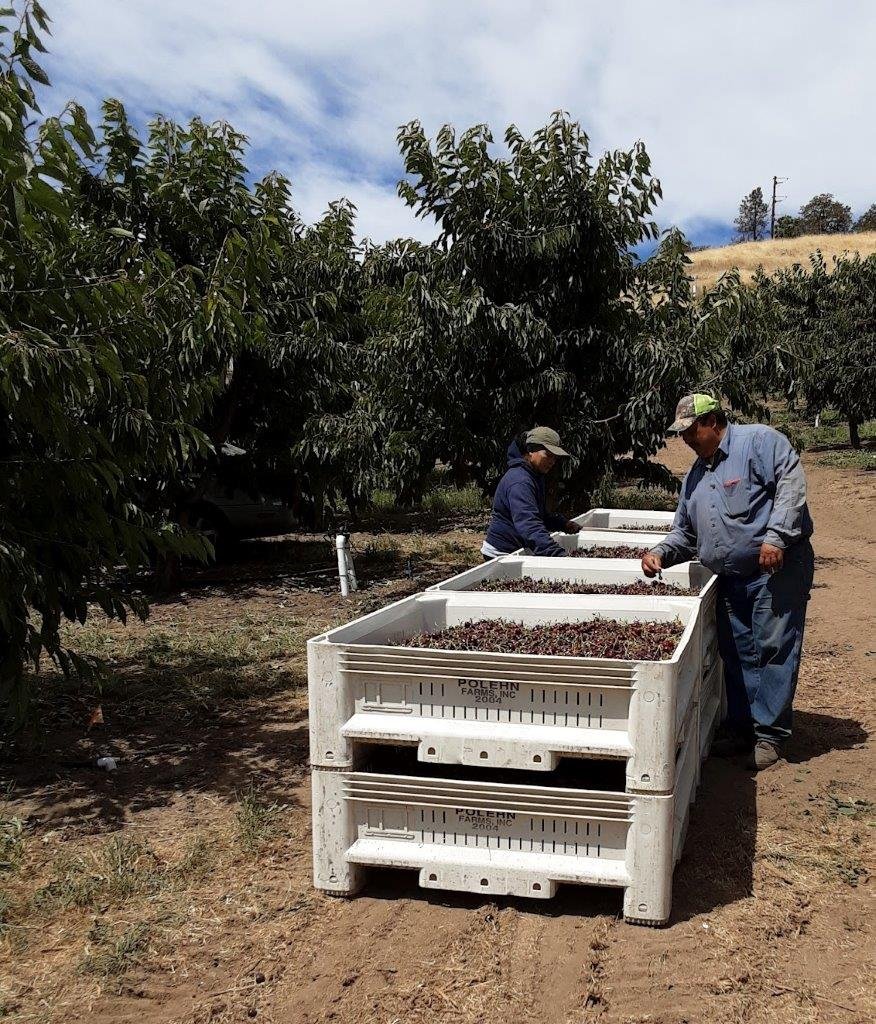
Then there’s Washington. Our Farm Bill props up commodity crops like corn and soy but offers little support for the diversified, labor-intensive crops that fill produce aisles and farmers’ markets. Specialty crops—like cherries, apples, and pears—are often treated as an afterthought. Meanwhile, immigration policy plays politics with the very labor force we depend on, and regulatory mandates grow more complicated by the year.
And yet, despite all this, we keep farming.
Because it’s not just a job—it’s a calling. But make no mistake: we’re being outpaced. While other nations streamline support for their farmers, America’s family farms are saddled with the highest labor costs in the world and some of the lowest returns. That’s not sustainable—not for the farmer, not for rural communities, and not for national food security.
If we want to unstick American agriculture, we need to re-center the conversation. That means helping consumers understand that cheap food has hidden costs—and reconnecting them with the hands that feed them. It means breaking the corporate stranglehold on supply chains and rewriting trade and labor policies to reflect our values, not just market forces. It means giving our farmers a fair shot in the international marketplace by aligning policy with practicality.
Until then, we’ll keep pruning, picking, and praying.
But we won’t stop telling the truth from the tractor seat.

About the author:
I was born in 1961 into a second-generation farm family in The Dalles. I grew up on a tractor seat, moving irrigation pipe with my sisters before school, and spent my summers picking cherries alongside the children of migrant families who returned year after year. My wife, children, and parents have all worked the same land. I’ve served as county Farm Bureau president, sat on the county fair board, and continue to support 4-H and FFA. I’ve seen firsthand what happens when farmers are squeezed out—not just of business, but of the conversation.
Support Local News!
Available for Everyone; Funded by Readers.