
When the Dollar Falls, But the Costs Rise
Thoughts from the Tractor Seat By Ken Polehn
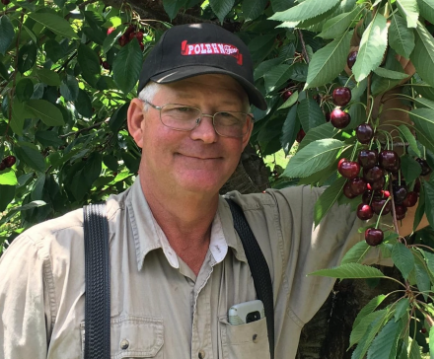
Ken Polehn
The Dalles, Ore., March 22, 2026 —From the tractor seat, it’s hard not to notice the pattern.
When the dollar is strong, our exports struggle.
When the dollar weakens, demand improves — but something else usually follows right behind.
This year, it’s fuel, fertilizer, and freight.
Across agriculture, costs are climbing again — driven not just by inflation, but by instability half a world away. Conflict in the Persian Gulf, disruptions in shipping lanes, and tightening fertilizer supplies are already working their way back to the farm gate.
A weaker dollar should help us. It makes Northwest cherries, pears, wheat, and nuts more competitive in global markets. Buyers step back in. Movement improves. Prices, at least on paper, look better.
But farming isn’t just done on paper. In a cherry orchard, that reality shows up quickly — between bloom and harvest, every pass, every input, every decision carries a cost we can’t ignore.
Every pass across the orchard burns diesel. Every acre depends on nutrients tied to global energy markets. Every box we pack depends on transportation systems that are suddenly less predictable — and more expensive.
So while demand may strengthen, the cost of producing and delivering that crop rises right alongside it.
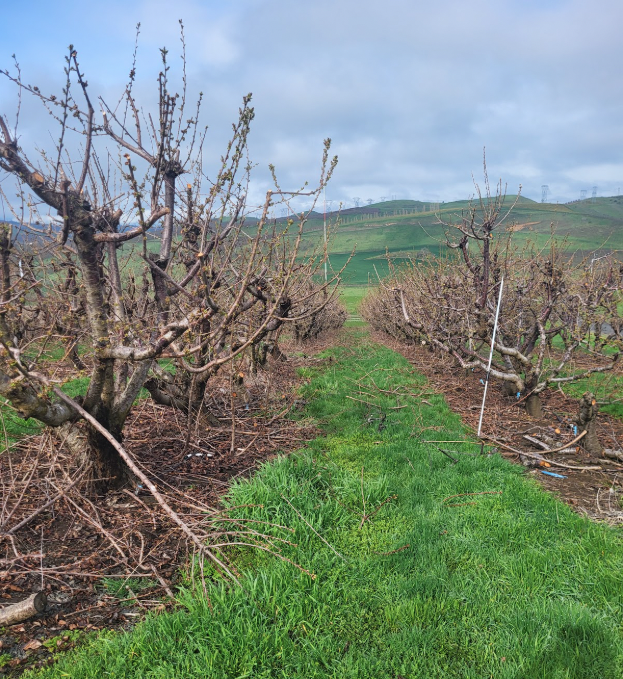
We’ve seen this before.
It creates a quiet squeeze — one that doesn’t always show up in headlines. The consumer may pay more at the store. The market may appear stronger. But at the farm gate, margins remain thin, uncertain, and often historically low when adjusted for inflation.
It raises a hard question:
What good is stronger demand if the cost of growing and moving the crop rises faster than the value of the crop itself?
From where I sit, this season doesn’t look weak.
But it doesn’t look easy either.
And once again, agriculture finds itself caught in the middle of forces far beyond the fence line.
About the Author
I was born in 1961 into a second-generation farm family in The Dalles. I grew up on a tractor seat, moving irrigation pipe with my sisters before school, and spent my summers picking cherries alongside the children of migrant families who returned year after year. My wife, children, and parents have all worked the same land. I’ve served as county Farm Bureau president, sat on the county fair board, and continue to support 4-H and FFA. I’ve seen firsthand what happens when farmers are squeezed out—not just of business, but of the conversation.